Maya Annik Bedward has found the beating heart within the world of zombies.
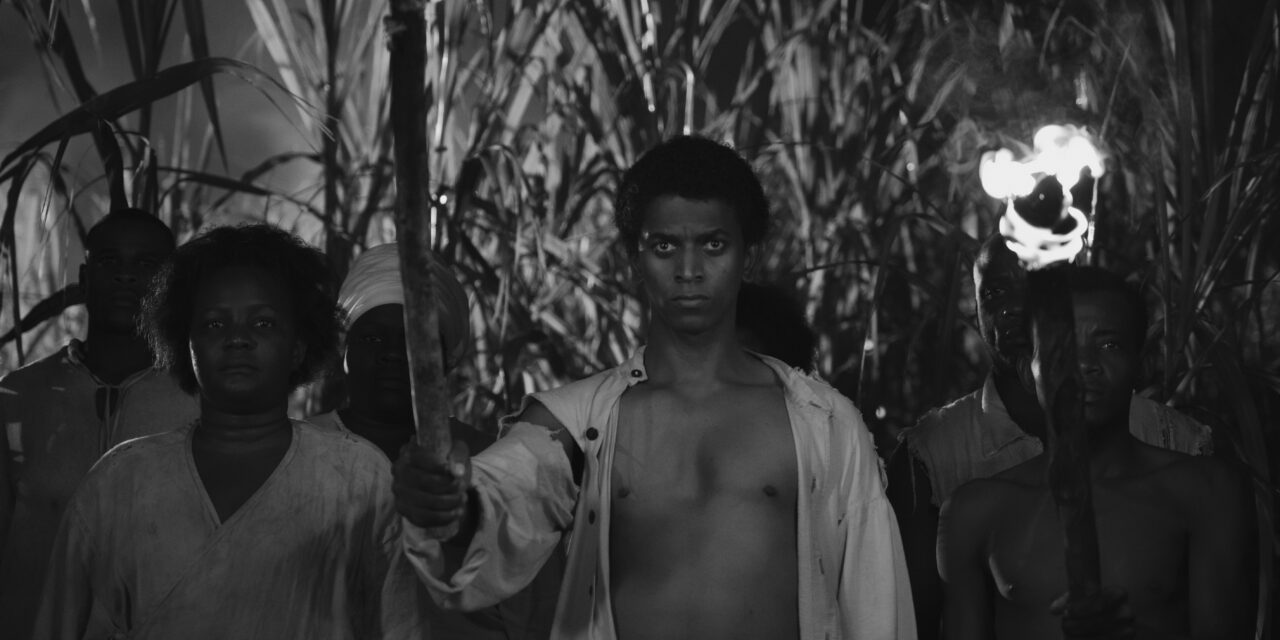
Directed by Bedward, Black Zombie traces the progression of the zombie as an icon. Beginning with its origins within Haitian tradition, Bedward follows the iconic image as it takes shape in Hollywood horror. In doing so, the film explores the ways that Western media has reshaped it to suit the purposes of those in power, quietly shifting the image from an expression of love to one of survival and stolen agency.
Black Zombie takes the viewer into the very depths of zombie history. By taking the viewer into the heart of Haitian vodou, Bedward speaks to the origins of zombie culture and its deeply spiritual roots. Though zombies today have become an expression of fear, the film recognizes the more holistic understanding of the terminology. By extension, Bedward takes those revelations and extends them to the development and impact of one of filmmaking’s most iconic genres. Through interviews and clippings, she does an exceptional job exploring the true significance of the genre and the ways that it has evolved over time, both positively and negatively.

Even so, Zombie is more than just a historical inquest. It’s a revelation into the ways that storytelling can colonialize cultures simply by misrepresenting their beliefs and systems. Bedward’s film dives deeply into the relationship that Haitian culture has to its Western oppressors and draws clear lines towards the racial slanting that Hollywood has traditionally offered.
Interestingly, Zombie admits that these examples are being read through modern historical lenses. But Bedford’s film does such a good job of exploring the ties between the rise of zombie films and the cultural upheaval during the Civil Rights era that one can’t possibly believe these horrifying trends are anything but intentional. Looking at numerous examples of zombie horror, the film acknowledges the colonialist mindset that embeds so many classics. Tapping into some of the Hollywood’s earliest examples of the genre, Bedward looks at the tropes of the genre and examines the impact that they’ve had on the Black community. Ranging from othering blacks within the horror genre to the straight demonization of Haitian culture, Zombie highlights the ways that racist ideology has subtly (and not subtly) undercut pop culture.
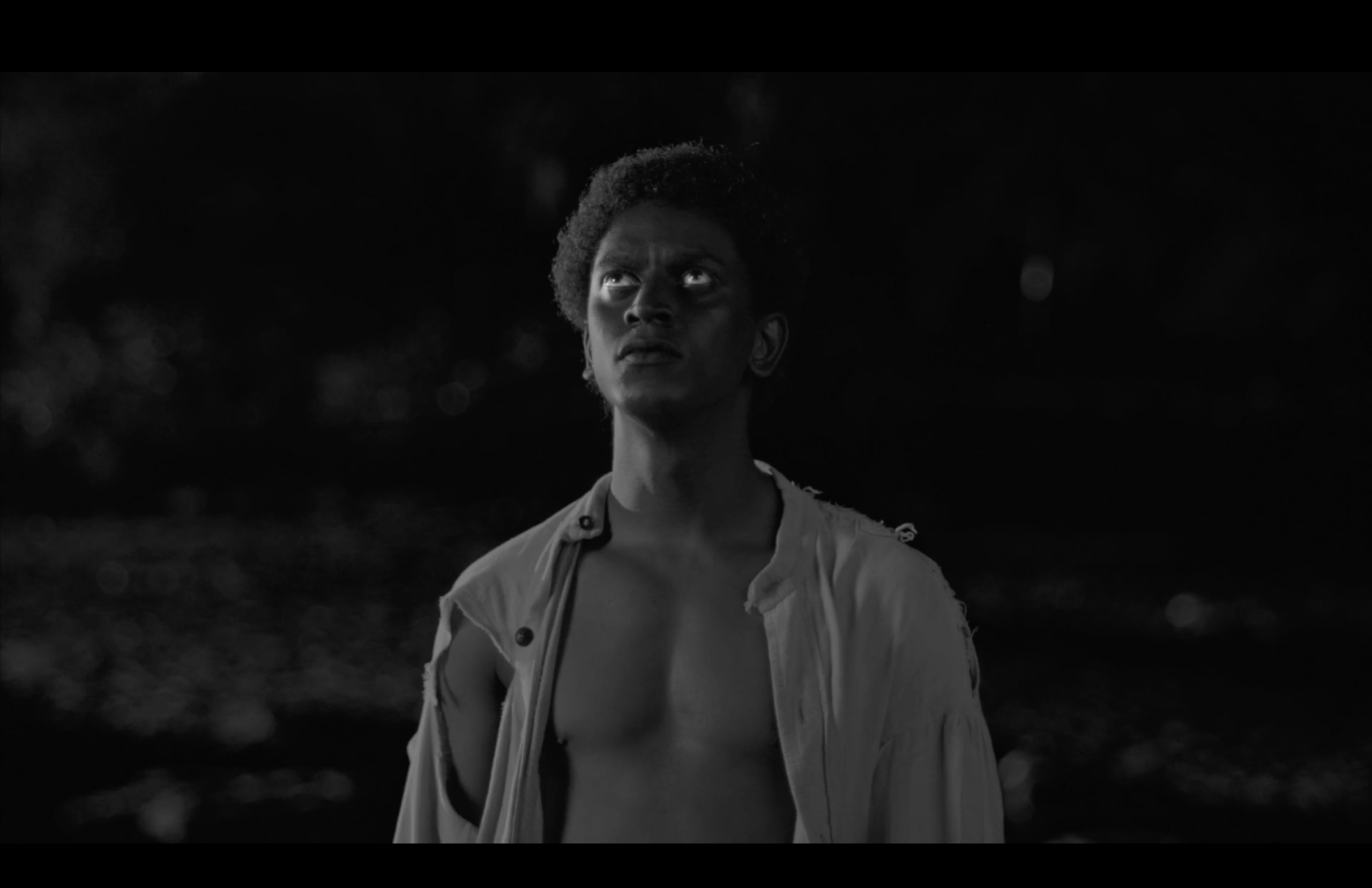
“I don’t think [these supposed subtleties] are deep at all. They’re right there in your face,” horror icon George Romero admits.
But Bedward doesn’t leave us without hope either. Recognizing that the genre has evolved over time, she also highlights the power of reclaiming this sort of storytelling. As the next generation of black filmmakers begin to use zombie culture to explore their history, there’s a very real sense that the genre has more to offer. In this way, Bedward recognizes the empowering nature of storytelling as an opportunity to give back what’s been taken.
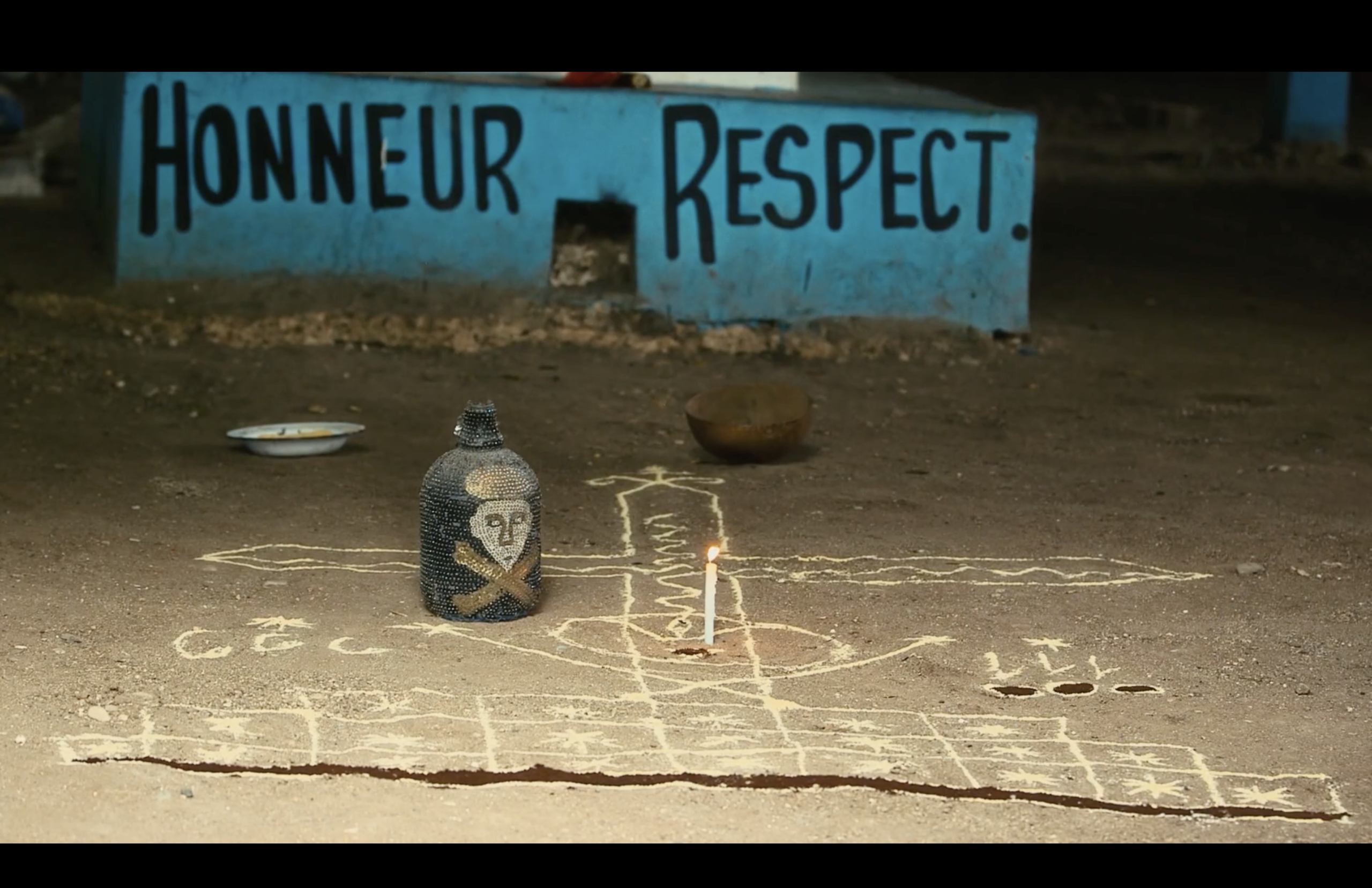
And that’s the beauty of Black Zombie. Bedward’s doc cuts to the heart of a genre that continues to endure, showcasing its historical flaws and colonialist ideologies. Yet, at the same time, Bedward suggests that there’s room for healing within cinematic history. With the recent reclamation of horror storytelling within the Black community, zombie films have the opportunity to expose the sorts of racist propaganda that are truly terrifying within our culture.
Black Zombie is available in theatres on Friday, October 9th, 2026.