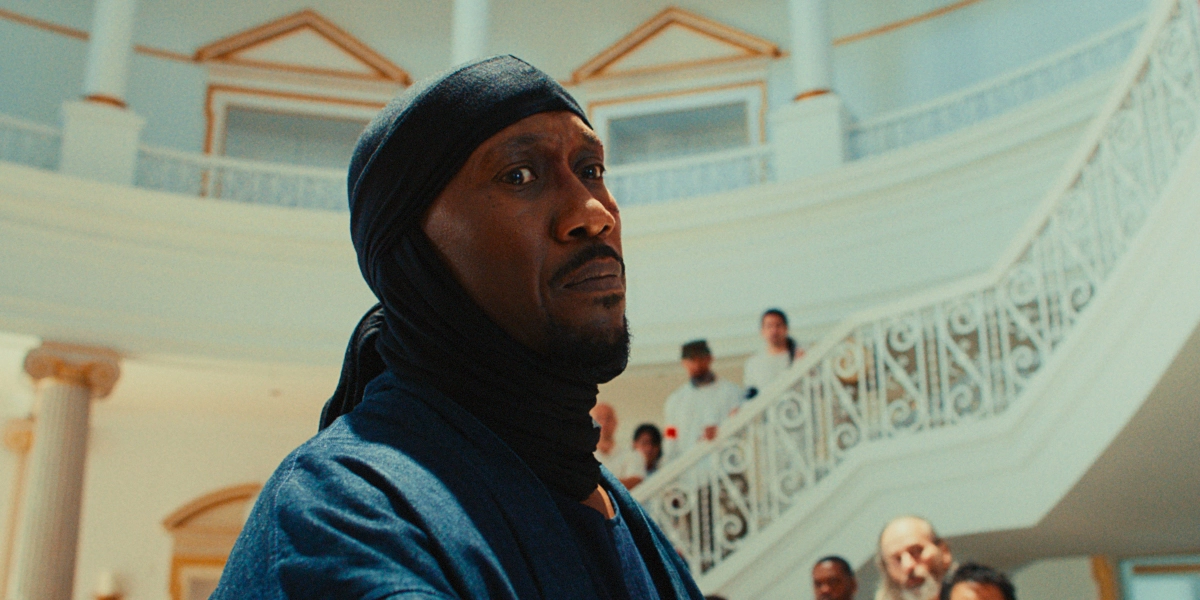
Bassam Tariq’s Your Mother, Your Mother, Your Mother is not an easy film to sit through. Starring Mahershala Ali as Latif, a devout Muslim father and assassin, the film brings faith, family, grief and violence into a story that is as confronting as it is morally complicated.
Latif’s life takes a turn when his wife dies, leaving him to care for their three children, including a newborn who refuses formula. His search for breast milk draws him into a dangerous chain of events involving his family, his work as an assassin and a growing conflict with a Christian extremist. What begins as a father’s desperate attempt to care for his children gradually becomes a much darker examination of faith and the consequences of our choices.
There is certainly no shortage of difficult material here. Violence is woven into the story, and Latif’s devotion to his faith exists alongside actions that are difficult to reconcile with the values he claims to uphold. The film asks us to consider what happens when religious conviction becomes entangled with revenge, duty and the belief that violence can serve a greater purpose.
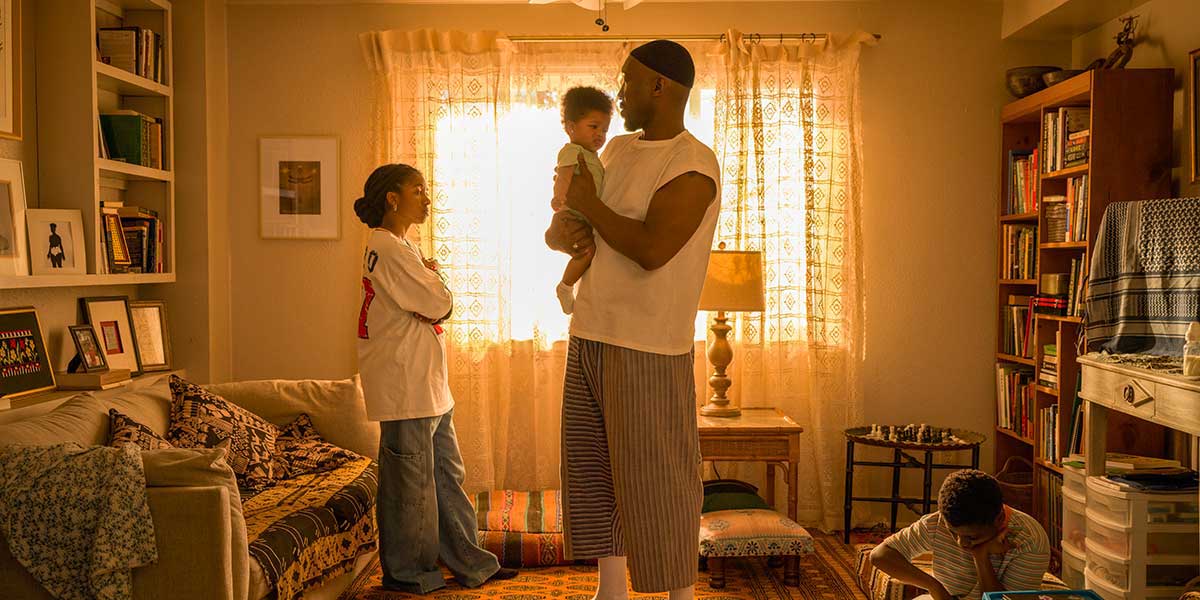
Yet, for me, the film was a difficult watch, not simply because of its graphic content, but because I struggled to connect with the way its religious themes were presented.
The story is deeply rooted in Islam, with its title drawn from a hadith that emphasizes the importance of honouring one’s mother. That religious foundation is central to the film, shaping how its characters understand family, sacrifice and their responsibilities to one another. However, I sometimes found myself struggling to understand how these ideas connected with the choices unfolding on screen. The film introduces profound questions about faith and morality, but I wanted more room to sit with those questions rather than simply move from one disturbing event to the next.
I also found the portrayal of Christianity through Pastor Hwan, a violent Christian extremist, a little unsettling. A character’s religious identity does not make them representative of an entire faith, and films can certainly explore the hypocrisy of people who commit terrible acts while claiming religious conviction. Still, I hoped for a more nuanced exploration of what his Christianity meant to Hwan and how it informed his actions. Without that depth, the portrayal felt difficult to reconcile with the complexity the film sought to explore elsewhere.
Faith can be a source of comfort, hope and transformation, but it can also be invoked to justify actions that cause immense suffering. The distinction between genuine devotion and the misuse of religious belief is an important one, and I wish the film had explored that tension with greater clarity.
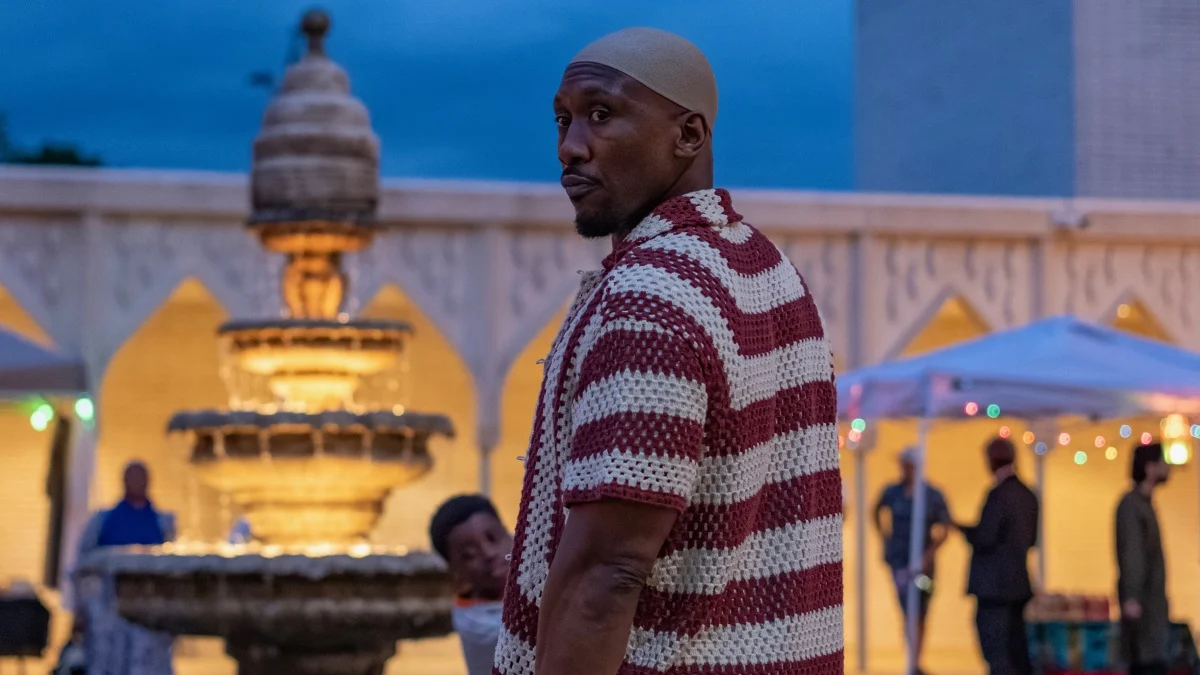
Where the film becomes most interesting, however, is in its suggestion that redemption may still be possible after profound wrongdoing.
Latif is far from a straightforward hero. His decisions place both himself and his children in danger, and the consequences extend beyond his own life. Yet the film ultimately returns to the power of prayer and the possibility of divine intervention. Through his daughter Fatiha, faith becomes something that persists even when certainty begins to crumble.
There is a compelling idea here: that human beings are not necessarily beyond forgiveness, even after making devastating mistakes. But forgiveness is a complicated subject, particularly when the harm caused is so significant. Seeking God does not erase the consequences of our actions, nor does redemption necessarily mean that everything can simply return to the way it was.
I wanted the film to spend more time exploring that distinction. Its final movement gestures towards spiritual grace, but I found the journey there difficult to reconcile with the violence and suffering that precede it.
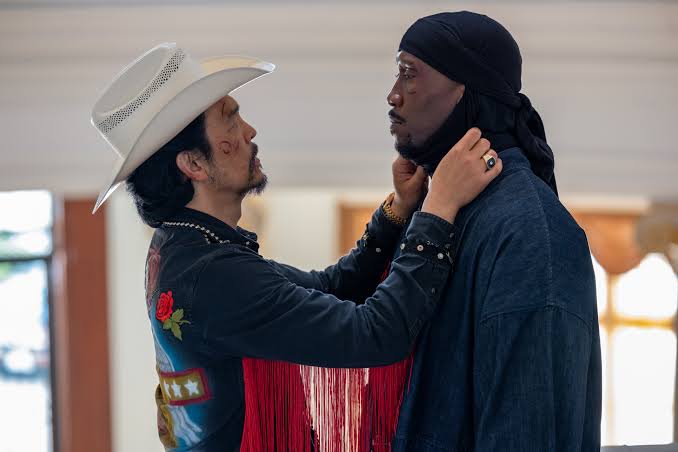
Ultimately, Your Mother, Your Mother, Your Mother has something substantial to say about faith, family and the possibility of redemption. I can appreciate the questions it raises, even though I struggled with how it chose to explore them. Its religious focus, confronting subject matter and morally complicated characters made it a challenging viewing experience for me, and its conclusion did not entirely resolve the questions I was left asking.
Perhaps that is part of the film’s intention: to leave audiences wrestling with the space between belief and behaviour, sin and forgiveness, and the desire to be redeemed.
But for me, raising those questions was more effective than answering them.
Sometimes, the hardest part of a story about faith is not whether forgiveness is possible, but understanding what it truly asks of us.
Your Mother, Your Mother, Your Mother in theatres around you now.