Curry Barker’s Obsession is the kind of horror film that becomes more compelling after the credits have rolled. On the surface, it works as an effective supernatural thriller built around a deceptively simple premise: a lonely young man uses a cursed wish to make the woman he loves become obsessively devoted to him, only to discover that getting exactly what you want can be far more terrifying than rejection. Yet what makes Obsession especially memorable is how much richer it becomes once the immediate shock fades and the details begin to settle into place. Character names, symbolic props, strange dialogue, visual clues, and even scenes that initially seem random reveal far more on reflection.
This is a film that genuinely rewards a second viewing because so much of its most interesting material is hiding in plain sight. If you know someone who hasn’t seen it yet please go with them.
Inde Navarrette Is by far the Film’s Breakout Star
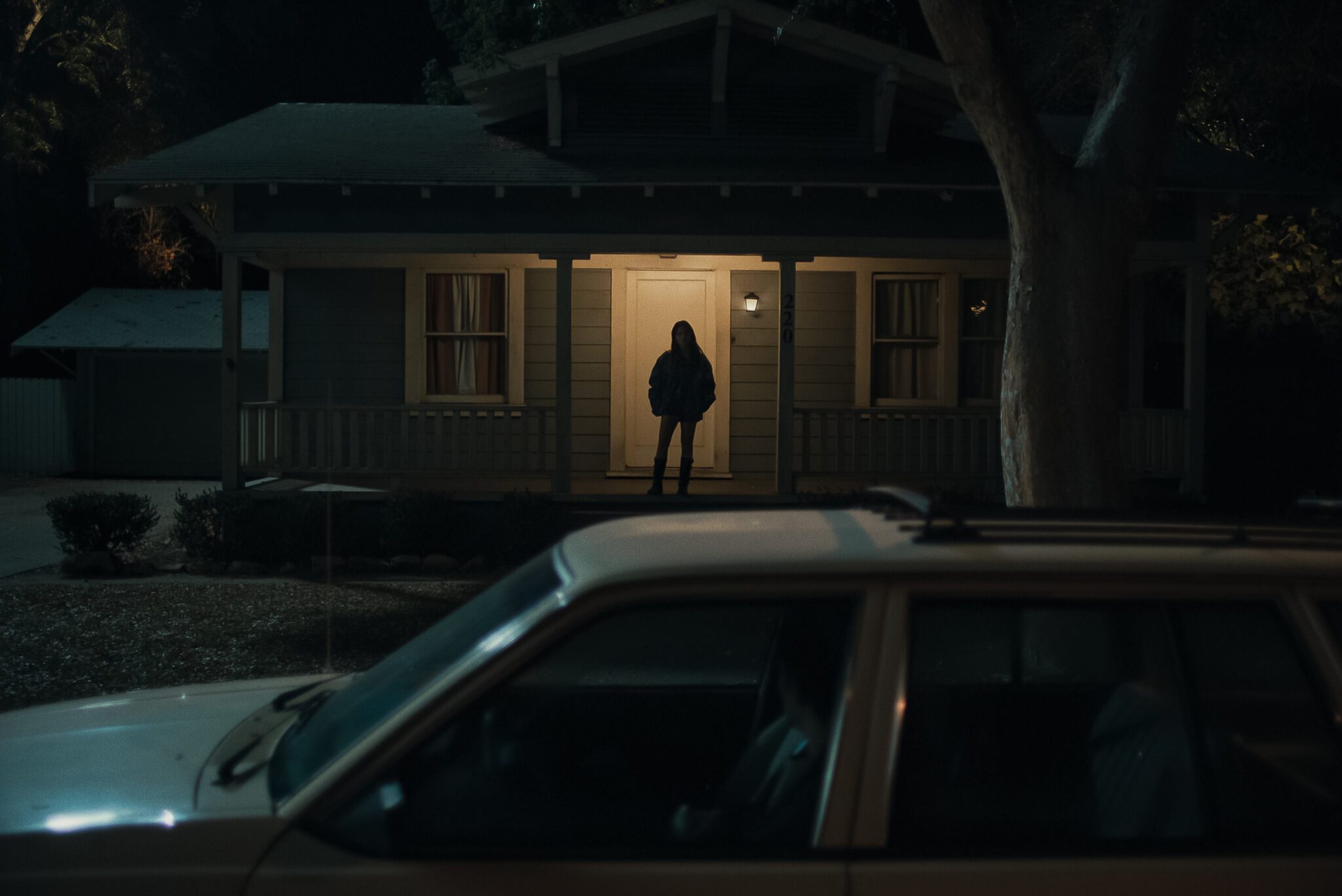
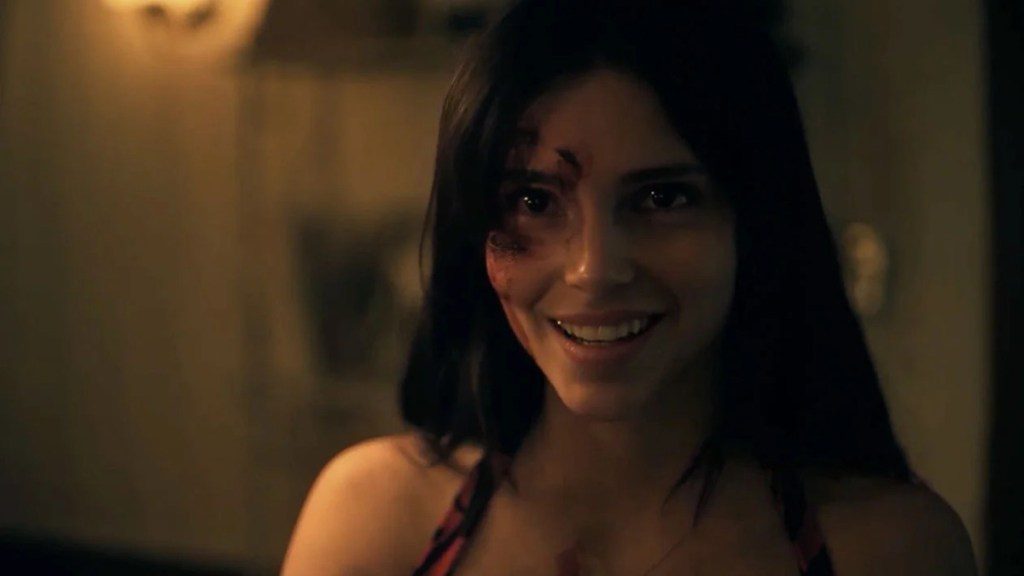
Before getting into the deeper analysis, it is impossible not to begin with Inde Navarrette, who emerges as the film’s undeniable standout. While the cast is strong overall, Navarrette delivers the performance that gives Obsession much of its emotional and psychological weight, and the fact that this was her first horror film makes that achievement even more impressive.
What makes her work so effective is not simply the obvious demands of the role, but the subtlety she brings to it. Nikki could have easily become a broad genre archetype, the unstable obsessive figure whose descent is played entirely at the level of intensity. Instead, Navarrette gives the character a disturbing emotional duality. Her microexpressions do extraordinary work throughout the film, creating moments where it feels as though the original Nikki is still somewhere beneath the surface, trapped behind the obsession imposed on her. Tiny hesitations, flickers in the eyes, shifts in expression that last only seconds all suggest a character fighting for control from within. (Fun fact but during an interview Inde mentioned multiple iconic female horror characters as inspiration for Nikki, specifically ‘Pearl’.)
That nuance is what elevates the performance beyond standard horror theatrics. Navarrette is not simply playing an extreme manic pixie dream girl. She is playing violation, confusion, longing, horror, making the audience very uncomfortable all simultaneously as she navigates playing the 2 versions of Nikki. Obsession has introduced us to a major new scream queen to the industry. If Inde decides to pursue more horror films, the genre would be all the better for it.
The Most Devastating Interpretation: Bear May Have Ruined Something Real
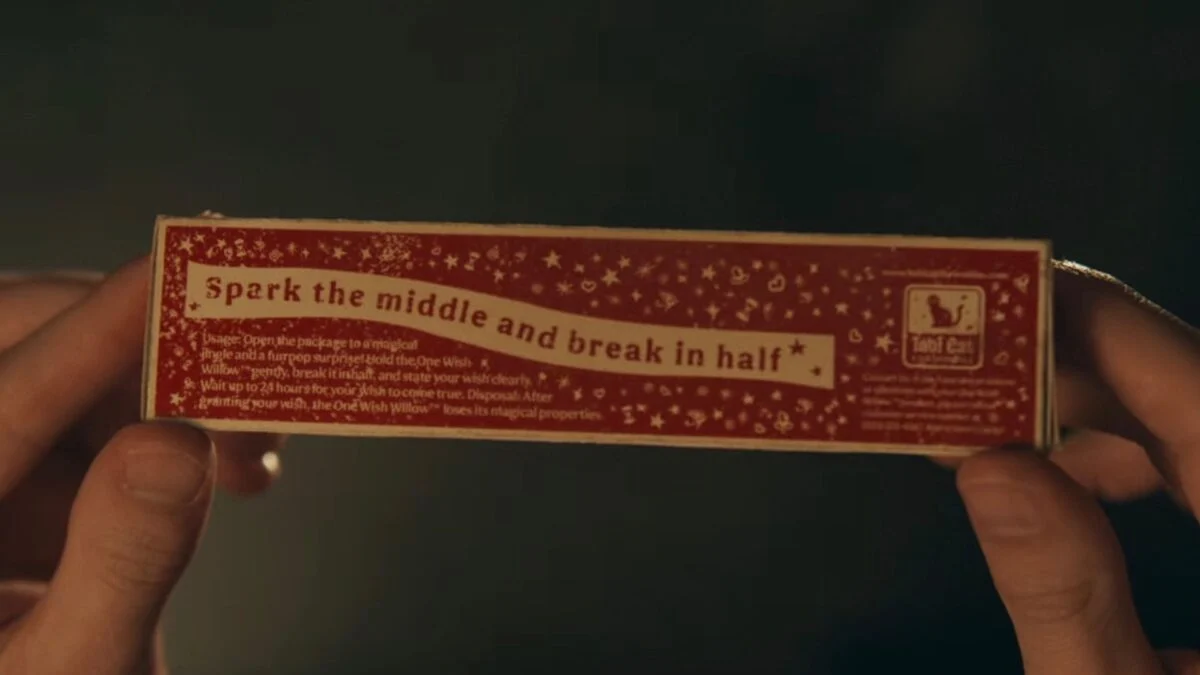
One of the most fascinating details Barker and Inde has discussed in post-release Q&As is that the film intentionally leaves ambiguous whether Nikki may have actually liked Bear before the wish. He has also explained that the One Wish Willow is not automatically designed to punish every user. In theory, wishes can work out.
That possibility dramatically changes the emotional reading of the film.
If Nikki genuinely may have had feelings for Bear, then the central tragedy is not simply that he unleashed something supernatural and catastrophic. It is that he may have destroyed the exact thing he wanted because he lacked the confidence to risk uncertainty. Instead of allowing a real relationship to develop naturally, he forced the outcome he desired.
That transforms Obsession into something far sadder than a straightforward cursed-object horror film. Bear is not merely a victim of magical consequences. He may be someone who sabotaged his own chance at authentic love because he could not tolerate vulnerability or rejection.
OBS_FP_00031_R
Inde Navarrette stars as Nikki in OBSESSION, a Focus Features release.
Credit: Courtesy of Focus Features / © 2026 FOCUS FEATURES LLC
The Opening Conversation Quietly Reveals the Entire Theme
One of the film’s smartest moments occurs so early that it is easy to miss its significance. Nikki talks about wanting to write a love story, and Bear seems to interpret that as simply meaning romance. Nikki pushes back, suggesting the two are not necessarily the same thing, while Bear appears genuinely uncertain about the distinction.
That conversation quietly establishes the film’s central emotional argument.
Bear fundamentally does not understand the difference between love and possession. To him, intense desire, emotional dependence, and romance all seem to blur together. Nikki appears to understand that love is something more nuanced, something mutual, something freely chosen.
The rest of the film becomes a brutal demonstration of what happens when someone mistakes entitlement for intimacy.
Nikki’s Disturbing Party Story Is One of the Film’s Most Important Clues
One of the weirdest scenes of Nikki was a weird story to remember but luckily I found a pretty accurate transcript of it via reddit:
“Hansel come lay with me like the old women taught us when we were children” I said. He closed the door and leaned against it “you’re not my wife, Gretel” he said. “I’m more than your wife. I’m your sister” Hansel flinched and reached for the door handle. I knew he would not leave this place. He would relent and choose to be inside me like he had many nights before. If not, I would flay his meaty forearm roll it like a stick of licorice and insert the flesh between my legs. Hansel is my soul. Love only the branch of a willow tree could conjure. Brother you will be inside of me tonight.”
The story itself is a grotesque reimagining of Hansel and Gretel, filled with coercive incest intimacy, bodily horror, emotional violation, and obsessive desire. At first, it seems disconnected from the plot and just a weird thing fake Nikki to create more discomfort to the viewer, but one line changes everything: Nikki explicitly references love that “only the branch of a willow tree could conjure.”
That detail makes it impossible to read the scene as random.
One particular interpretation that I found interesting is that the story seems to reflect the collision between whatever authentic feelings the real Nikki may have once had and the obsessive emotional distortion imposed by the wish. Earlier in the film, Sarah explicitly suggests that Nikki may have seen Bear almost like a brother before everything changed, which makes the Hansel and Gretel imagery especially disturbing. If Bear once occupied a space of emotional familiarity or safety in Nikki’s life, the Willow has taken that closeness and twisted it into something invasive, compulsive, and deeply unnatural. That is what makes the sibling symbolism so effective. The film is not drawing a literal comparison, but using Hansel and Gretel as a way of communicating intimacy that has been grotesquely corrupted. In that context, Wish Nikki choosing to tell a story centered on obsessive desire between siblings feels far too specific to be random. It becomes a horrifying reflection of just how completely the Willow has warped her emotional reality.
OBS_FP_00111
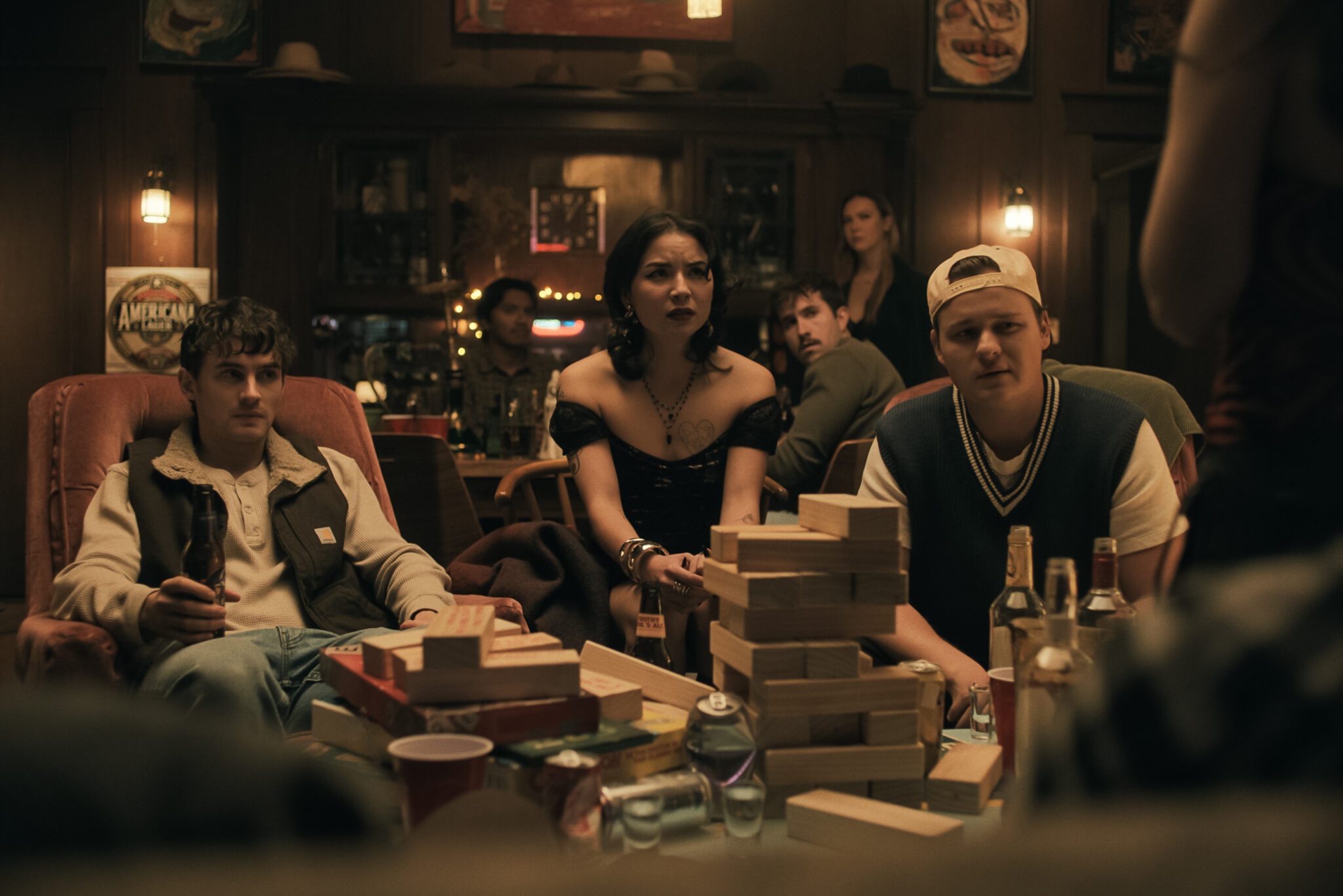
Michael Johnston stars as Bear, Megan Lawless as Sarah and Cooper Tomlinson as Ian in OBSESSION, a Focus Features release.
Credit: Courtesy of Focus Features / © 2026 FOCUS FEATURES LLC
There is also a second interpretation that may be even more fascinating to unpack. If some part of the real Nikki remains aware beneath the obsession, then the reading becomes an act of resistance. A coded accusation directed at Bear. A way of forcing him to sit with the emotional ugliness of what he has created, even if he cannot fully understand it.
The brilliance of the scene is that both interpretations can coexist. It can be both subconscious confession and subtle rebellion.
Nikki Freeman and Baron: The Naming Is Deliberate
Once noticed, the film’s naming choices become difficult to ignore.
Nikki’s surname, Freeman, becomes painfully ironic in hindsight. A woman literally named Freeman spends much of the story trapped inside her own body, stripped of agency and reduced to a passenger in her own existence.
Then there is Bear, whose real name is revealed to be Baron.
“Bear” presents him as harmless, awkward, emotionally soft, someone who fits the familiar lonely underdog archetype. “Baron,” however, evokes power, control, hierarchy, and most notably ownership.
That contrast feels entirely intentional because it mirrors the film’s central deception. Bear initially appears to be the sympathetic victim of unrequited love, but gradually reveals himself to be the architect of the horror.
The 16:55 Clock May Be the Film’s Darkest Hidden Detail
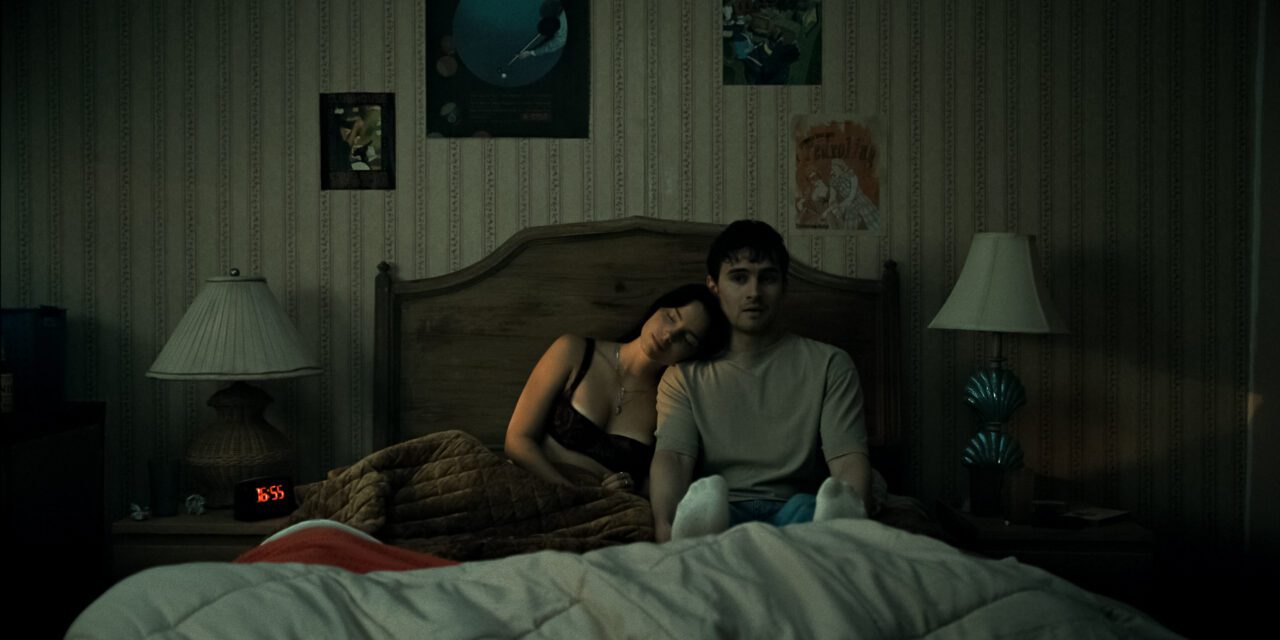
One of the most unsettling visual details in the film appears during an early bedroom scene between Bear and Nikki very shortly after the wish, when a digital clock reads 16:55, despite that timing making little practical sense in context. I, like most people, thought this may have been a production error as it was very late into the night so it can definitely not be 4pm.
That oddity has sparked one of the film’s most disturbing interpretations. Some viewers have connected the number to the year 1655, a historically significant period associated with the legal transition toward permanent enslavement in colonial America. It is the very first judicial ruling legally recognizing slaves as property for life in American.
If that reading is intentional, the symbolism is chilling.
That scene effectively marks the moment Nikki loses her autonomy. Combined with her surname, Freeman, the implication becomes difficult to ignore. The moment that superficially appears to represent Bear getting what he wanted instead becomes the symbolic moment Nikki’s freedom is taken.
Whether Barker intended that exact historical reference or not, the interpretation aligns uncannily well with the film’s larger themes of ownership and control.
OBS_FP_00073_R
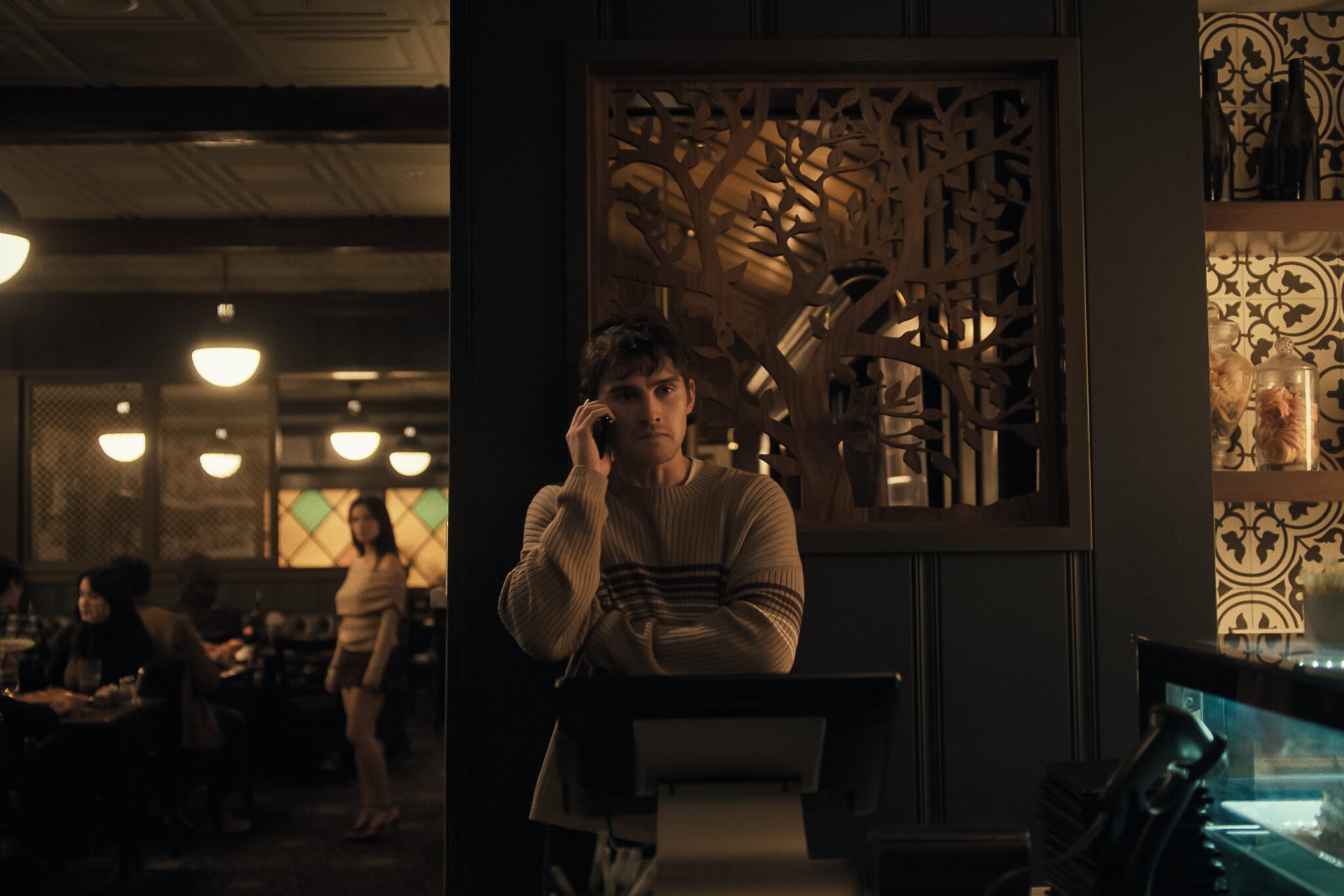
Inde Navarrette stars as Nikki and Michael Johnston as Bear in OBSESSION, a Focus Features release.
Credit: Courtesy of Focus Features / © 2026 FOCUS FEATURES LLC
The Rock Reveals What Bear Actually Wanted
One of the film’s quietest but most effective symbols is the rock that Nikki gives Bear. At first, it appears insignificant, simply a small object associated with encouragement or emotional comfort. But, by the end of the film, its thematic importance becomes much clearer.
The rock is tied to confidence, something Bear profoundly lacks. What makes that symbolism especially revealing is that Nikki is the one who gives it to him. That suggests Bear’s real desire was never simply Nikki herself, but what he believed Nikki could do for him. He viewed her as the missing piece that could make him whole, confident, and worthy.
In that sense, his true wish was never love. It was self-worth.
That is what makes the ending so tragic. Bear spends the entire film looking externally for validation, believing Nikki’s affection could solve something broken inside him. Yet the only moment where he appears to demonstrate genuine conviction is in his final decision to sacrifice himself.
The irony is devastating. He finds the confidence he needed all along, but only when everything has already been destroyed.
Sandy the Cat Was Never Just a Throwaway
The Sandy detail initially seems minor, perhaps even comedic. Early in the film, Bear blames Sandy for getting into the pills, despite the fact that he himself left them accessible.
It is a small moment, but it reveals something fundamental about his character. Even in a situation where the responsibility clearly lies with him, his instinct is to externalize blame to someone else.
That detail becomes significantly darker in hindsight when Bear ultimately dies from those same pills, collapsed on the floor just like Sandy.
In a strange but symbolic sense, Bear becomes the victim that he once blamed. It is a subtle but effective thematic loop that reinforces one of the film’s core ideas: accountability delayed eventually returns.
The Hidden Humor Reveals Barker’s Comedy Roots
Not every detail in Obsession is ominous.
When Bear researches the One Wish Willow online, the fake Reddit-style platform “Threadit” contains one of the film’s funniest blink-and-you-miss-it jokes: “It’s real! My mom has been ugly her whole life but now she looks gorgeous!”
It is such a perfectly absurd piece of internet humor that it immediately reveals Barker’s comedic instincts.
An even better hidden detail is that the Willow customer service representative Bear speaks to on the phone is voiced by Barker himself.
The film’s inspiration also comes from an unexpected place. Barker has cited The Simpsons Treehouse of Horror II monkey’s paw segment as part of the conceptual spark for Obsession, which is both amusing and surprisingly fitting. What began as a comedic cursed-wish idea has been transformed into something emotionally much darker.
Curry Barker’s Unlikely Rise Makes Obsession Even More Impressive
Part of what makes Obsession especially fascinating is the fact that Curry Barker is not a conventional horror filmmaker. His path into directing looks nothing like the traditional studio route, which may be exactly why the film feels so distinct.
Barker spent several years building an audience online through his sketch comedy channel That’s A Bad Idea, creating absurd, fast-paced internet comedy rooted in awkward social interactions and escalating chaos. That comedic DNA remains visible throughout Obsession, particularly in the way it balances uncomfortable humor with genuine horror without ever feeling tonally confused.
His filmmaking breakthrough came with Milk & Serial, an ultra-low-budget found-footage horror feature reportedly made for around $800, which developed a strong following and proved that Barker could translate his online instincts into long-form storytelling. That project effectively became the launchpad for Obsession.
What makes that progression especially remarkable is the speed at which it happened. Moving from a near no-budget indie horror experiment to premiering a sub-$1 million supernatural feature at the Toronto International Film Festival (side note: super recommend going to the festival as I have been wanting for months to show this film to my friends and to see what they changed/improved on after being brought by Focus Features for $15 million) in such a short span is an extraordinary leap for any filmmaker, let alone one still so early in his career. The fact that Obsession quickly emerged as one of the festival’s most talked-about acquisition titles only makes that rise more impressive.
That background makes the film’s tonal confidence make much more sense. Obsession feels internet-literate because Barker comes from that world, but it also demonstrates thematic ambition far beyond what one might expect from a filmmaker making such a rapid leap.
Why Nikki Surviving Was the Right Ending
One of the most fascinating production details involves Barker’s original ending, which reportedly would have killed Nikki as well. His initial concept involved the camera panning upward so the audience would not directly see the moment, followed only by the sound of the gunshot and blood hitting the ceiling.
It is undeniably grim, but ultimately far less interesting than the ending the film chose.
Allowing Nikki to survive transforms the ending from tragedy into unresolved psychological horror. If Nikki dies, the story ends with bleak finality. By surviving, she inherits the aftermath.
She wakes up surrounded by bodies, covered in blood, with no clear understanding of what has happened. Her body has effectively been weaponized without her consent, and she is left to confront consequences she did not choose.
That creates far more disturbing questions than death would have. Does she remember fragments of what happened? Is she blamed? Can someone psychologically recover from such a profound violation of autonomy?
The ending lingers precisely because it refuses closure.

What Comes Next for Obsession?
Given how dramatically the film outperformed expectations financially, it is difficult to imagine Obsession remaining a one-off project. Barker has already spoken about wanting to expand the mythology beyond a single film, potentially through an anthology or episodic structure built around different individuals encountering the One Wish Willow.
It is an especially compelling direction because the Willow itself functions as the true storytelling engine. Rather than being tied exclusively to Bear and Nikki’s story, the concept naturally lends itself to exploring entirely different human weaknesses through the same supernatural mechanism. Vanity, revenge, grief, ambition, loneliness, or insecurity could each produce distinct forms of horror while remaining connected through the shared mythology of the wish.
At the same time, Nikki’s unresolved ending leaves ample room for a more direct continuation. Exploring the psychological aftermath of her survival could easily sustain a sequel, making either creative direction viable.
Final Thoughts
What makes Obsession memorable is not simply that it works as horror, but that it becomes richer under scrutiny. It is a film filled with details that reward closer attention, from symbolic naming and hidden visual clues to layered character psychology and production decisions that fundamentally reshape how certain scenes are interpreted.
The most effective horror films continue unfolding after they end, forcing audiences to reconsider what they thought they had just watched. Obsession earns that distinction, and a second viewing only makes its design more impressive.
Regardless of if there is another Obsession, I am super excited for where the rest of this young teams’ careers go. Curry Barker already has a film in the works titled “ANYTHING BUT GHOSTS” starring Aaron Paul and Bryce Dallas Howard.
Obsession is in theatres now.