

Even after over four centuries, the play’s still the thing.
Shakespeare—and, more specifically, Hamlet—is having a bit of a moment. Hot on the heels of Jessie Buckley’s win at the Oscars for her performance in Hamnet comes Aneil Karia’s revival of the original source material. And, frankly, it may be one of the best reimaginings of Shakespeare’s most prominent dramatic work that we’ve seen in decades.
Starring Riz Ahmed as the titular prince, Hamlet tells the story of a young man who returns home from his father’s funeral, only to discover that his mother, Gertrude, has accepted his Uncle Claudius’ marriage proposal. Then, after his father’s ghost reveals to his son that he was killed by Claudius, Hamlet is devastated. Crushed by his own grief, the young man sets out to prove his uncle’s guilt and to ultimately ‘avenge his untimely murder’.
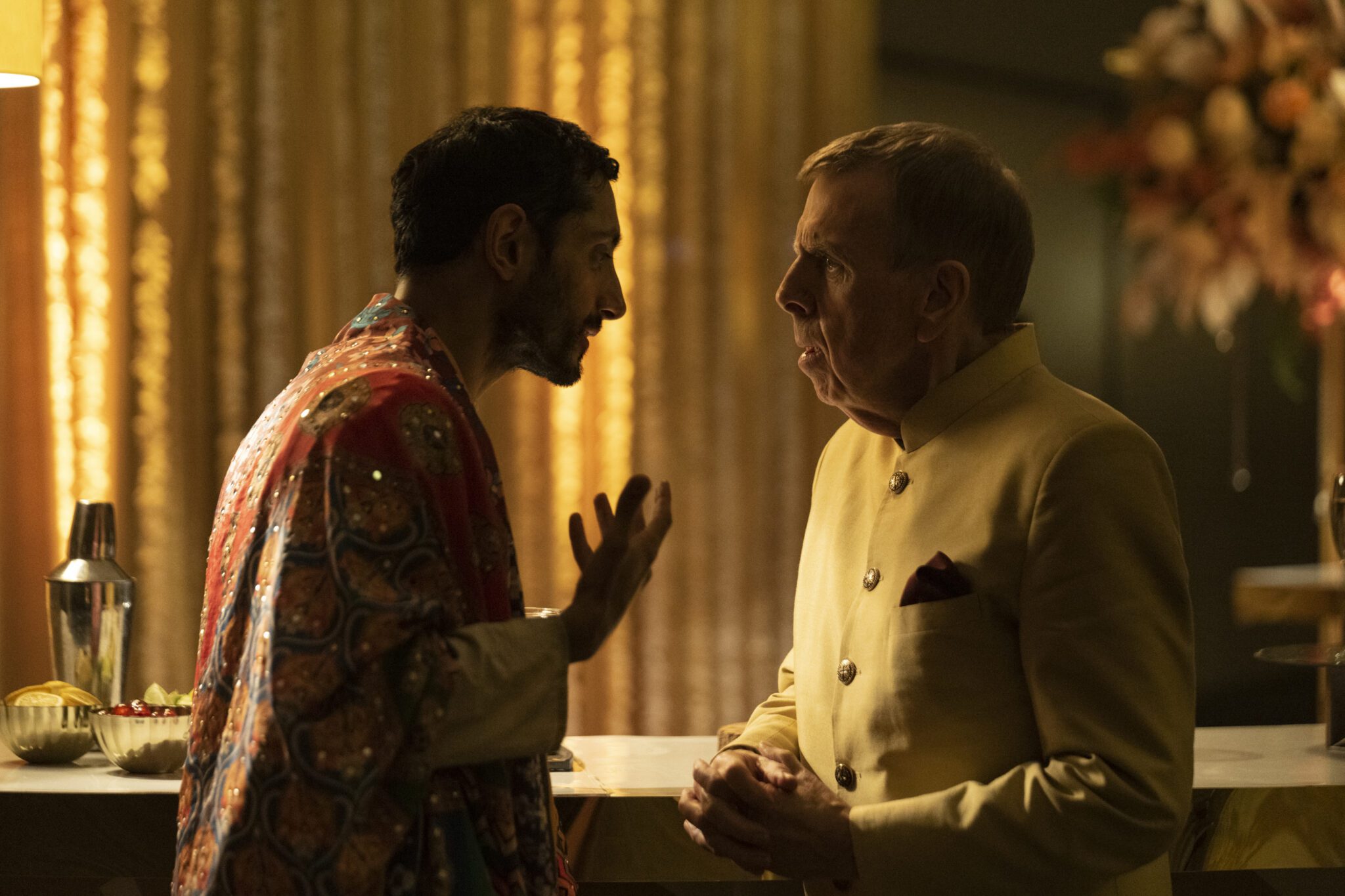
With his version of Hamlet, Karia manages to build a world that feels real. While the text may be written over 400 years ago, the modernization of the setting gives life to a play in almost surprising ways. This version of Hamlet takes us into the streets of a world that seems entirely recognizable. Neon-lit night clubs and shadow-bathed city streets give the film almost neo-noir sensibilities that makes the old text feel familiar.
In essence, this is a story for today.
This version isn’t about pageantry. (In short, this isn’t the work of Baz Luhrmann.) Instead, it’s our world, grounded and gritty. Even the most otherworldly aspects of Hamlet present themselves as real experiences as opposed to supernatural offerings. (For instance, reeling from the death of his father, Hamlet goes on a binge of drugs and alcohol, making the appearance of his father’s ghost seem much more genuine.)
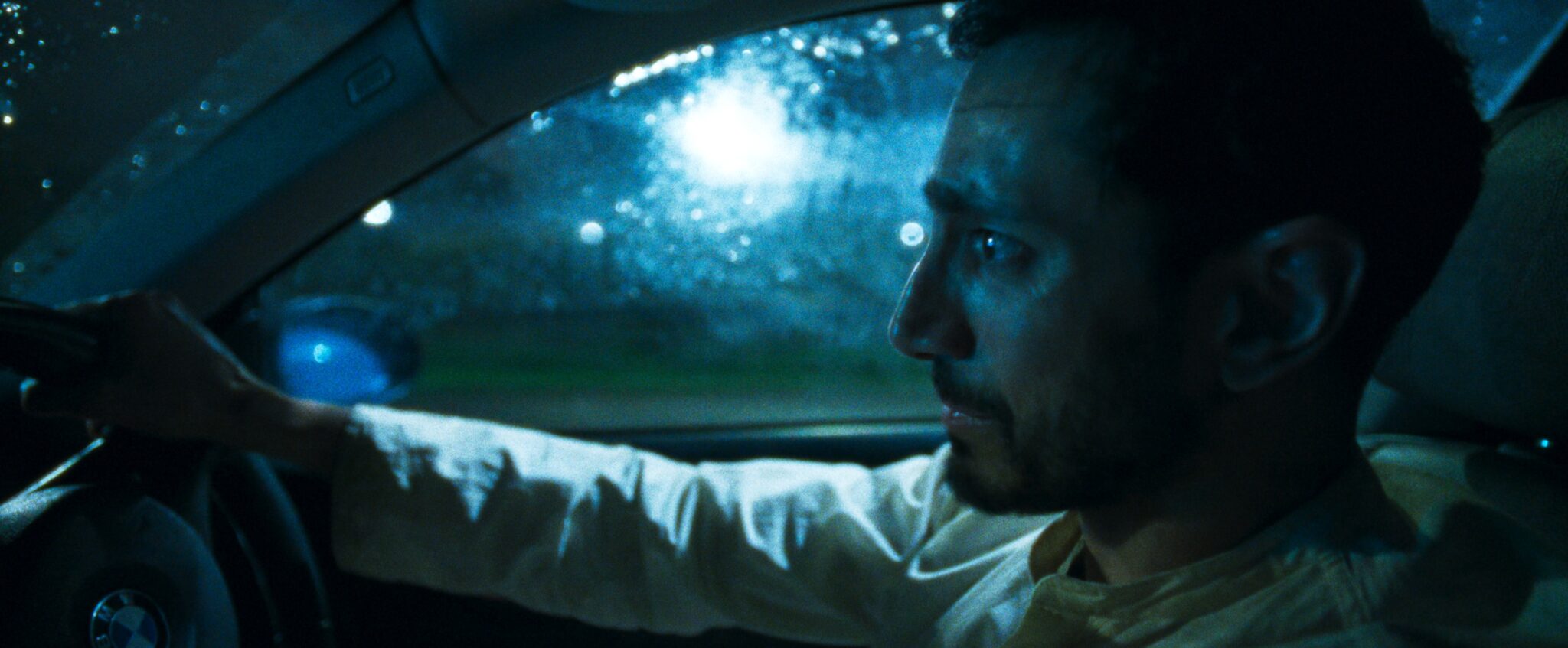
Of course, the centre of the entire piece remains an incredible performance by Ahmed. As the woeful but dutiful Hamlet, Ahmed brings an intensity to the character that we haven’t seen in some time. Due to the grounded approach to the material, Ahmed is allowed the opportunity to dig deep emotionally into the film’s most personal moments. Karia slows down the piece, removing sections of text in order to allow the cast to sit within the moments themselves. As a result, Ahmed doesn’t need to force out dialogue that he’s memorized.
He breathes it out with furious rage.
There’s a sense of presence about his performance that feels lived in. Much of the success of his work relies on his eyes and facial expressions. Karia sits with Ahmed as he ponders the meaning of life and death and we’re allowed to feel the weight of his burden. His responses feel authentic.
This feels like a story that matters to him, both as personally and professionaly.
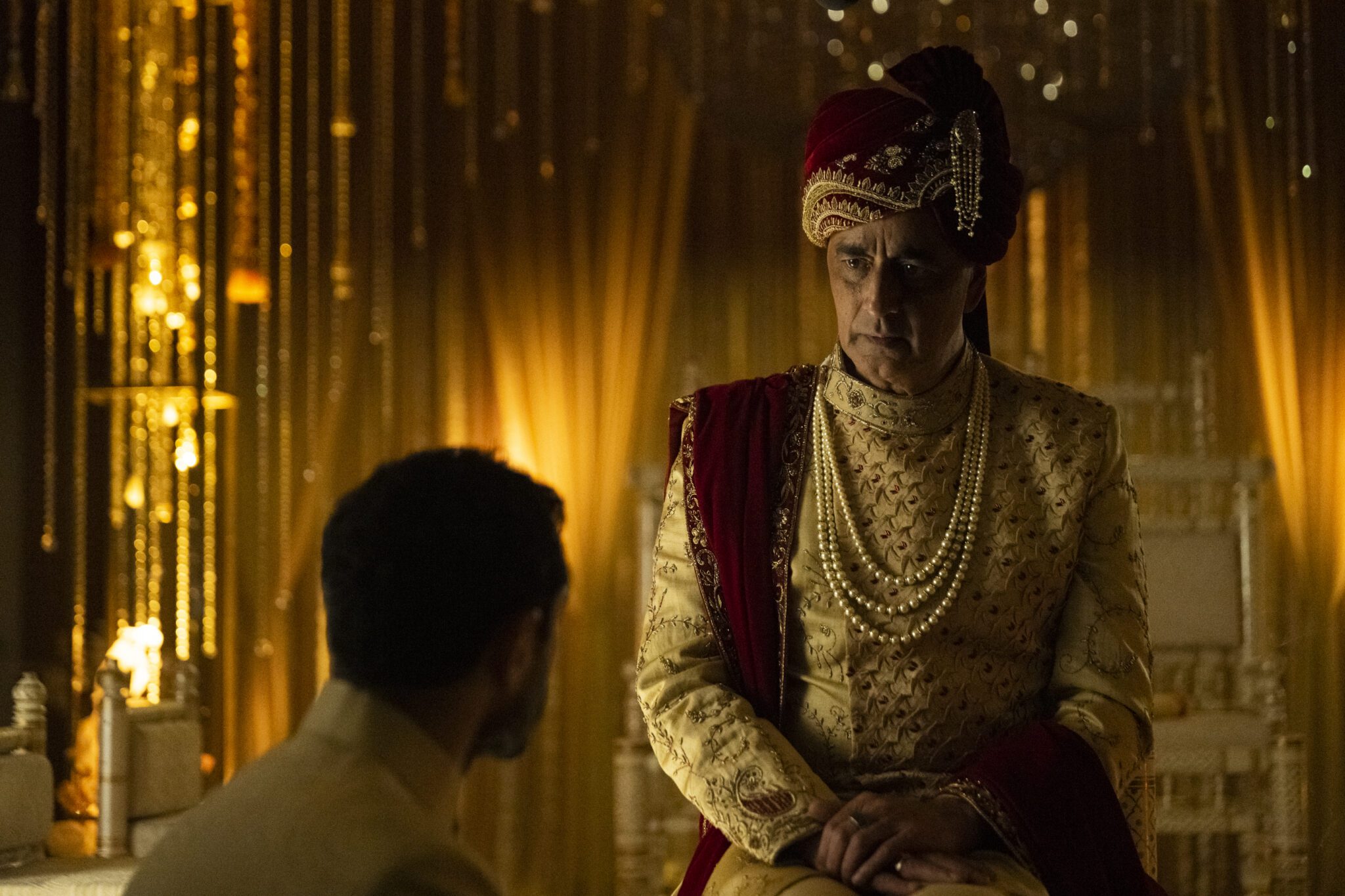
What’s more, by sharing it through the lens of the South Asian community, this version of Hamlet takes on entirely new life. In every scene, the film like a celebration, proving that the nature of the material truly isn’t limited to any particular space, time or culture. Yes, the original may have been set in Denmark but the story’s themes of betrayal, redemption and revenge are ubiquitous. In this way, without altering the style of dialogue, Karia makes the old story feel relevant to an entirely different people. It’s an innovative approach that draws the viewer into the world in unexpectedly stunning ways.
It’s this creative spirit that makes Karia’s Hamlet so worthwhile. Backed by some stunning work by Ahmed, this ancient dramatic work comes alive once again.
Hamlet is available in theatres on Friday, April 10th, 2026.