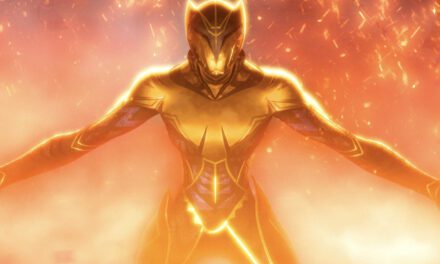
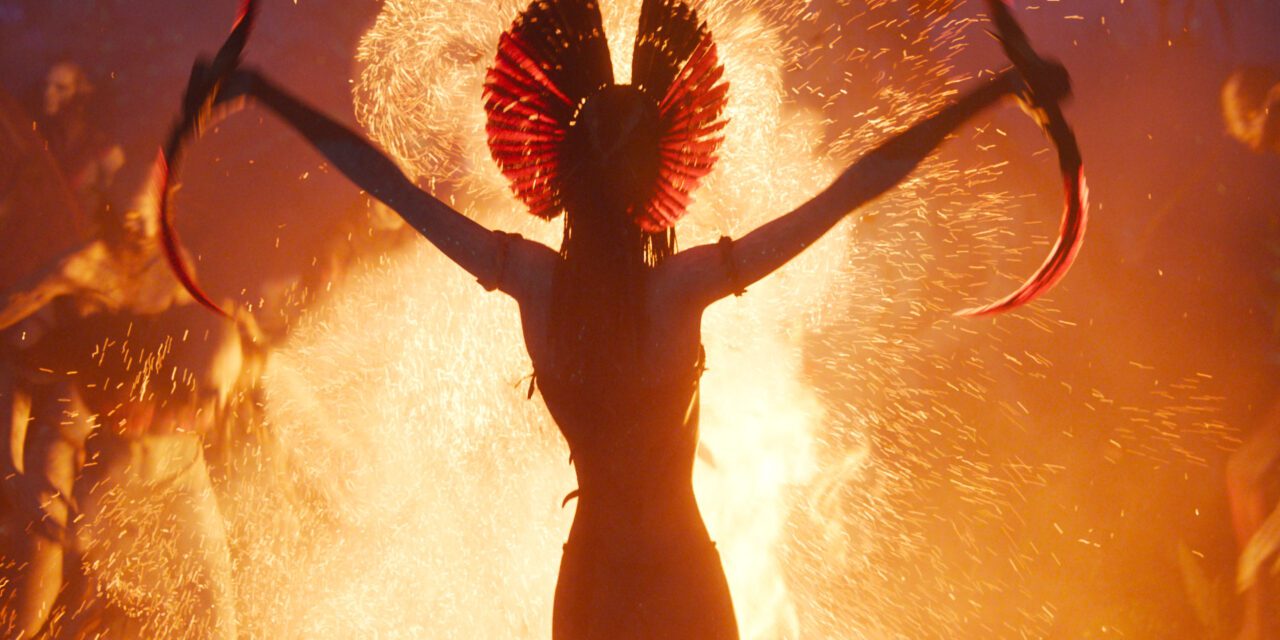
Welcome back to Pandora. You’re going to be glad you went.
Set several weeks after the events of The Way of Water, Avatar: Fire and Ash finds the Sully clan overcome with sadness after the death of their eldest son, Neteyam. As they struggle to get through the day, they find themselves once again in the relentless crosshairs of Miles Quaritch (Stephen Lang). And this time, he’s not alone. Partnering with a new, aggressive Na’vi tribe, the Mangkwan clan, Quaritch refuses to accept that Jake slipped through his fingers yet again and, together, they unleashes a full-on assault to find his nemesis.
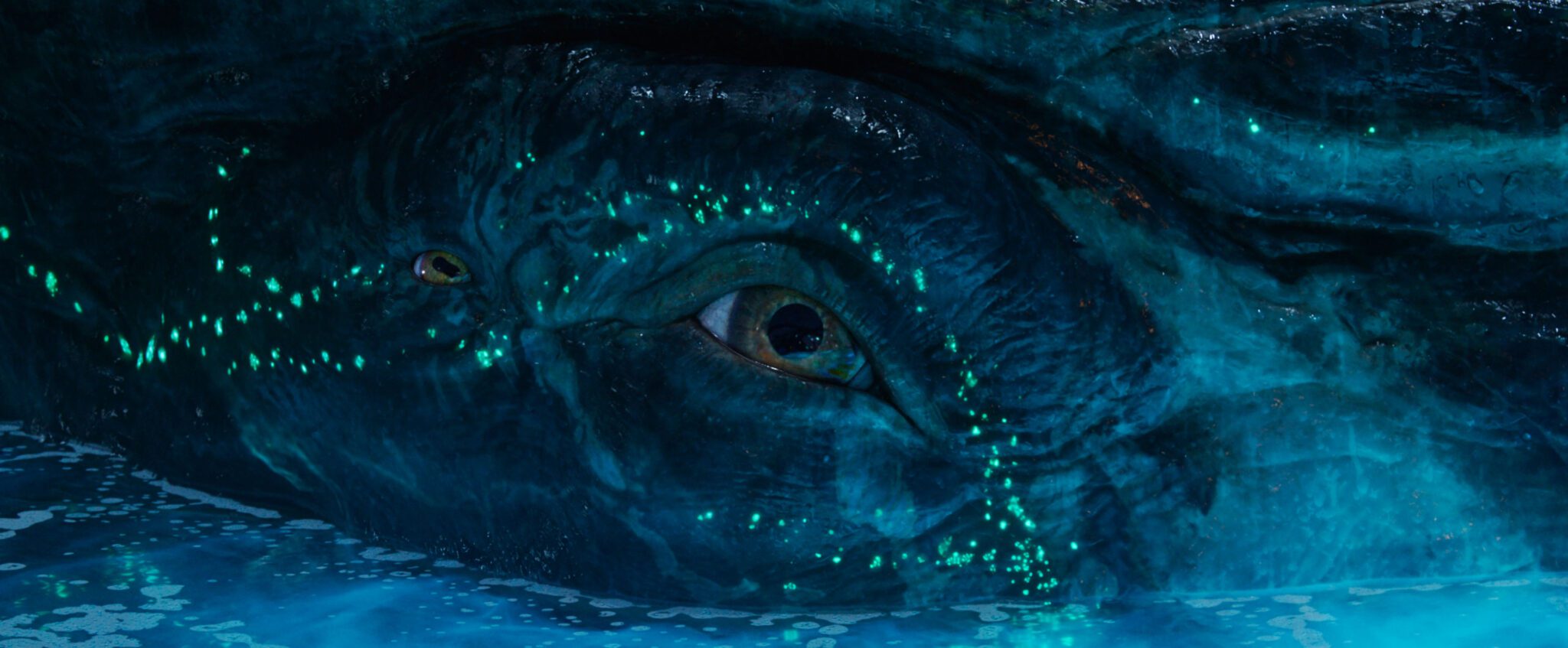
Payakan in 20th Century Studios’ AVATAR: FIRE AND ASH. Photo courtesy of 20th Century Studios. © 2025 20th Century Studios. All Rights Reserved.
Simply put, James Cameron’s Avatar: Fire and Ash is the theatrical event of the year. Whether or not you love the franchise, this truth is indisputable. Cameron simply understands the theatrical experience in a way that few filmmakers can comprehend.
And, with Fire and Ash, he continues to reinvent the experience.
Cameron’s ability to immerse the viewer in the world of Pandora is nothing short of remarkable. Once again, Cameron’s 3D world washes over you to stunning effect. The water is cool and inviting, night time landscapes sparkle with neon glow and the fire crackles with digital warmth. Admittedly, Fire and Ash takes a grittier approach than the previous film in its visuals. (After all, flames are generally less peaceful to sit within than the cool of Pandoran water.) Even so, his is a world is so spectacularly that it must be experienced on the biggest screen possible over multiple viewings.
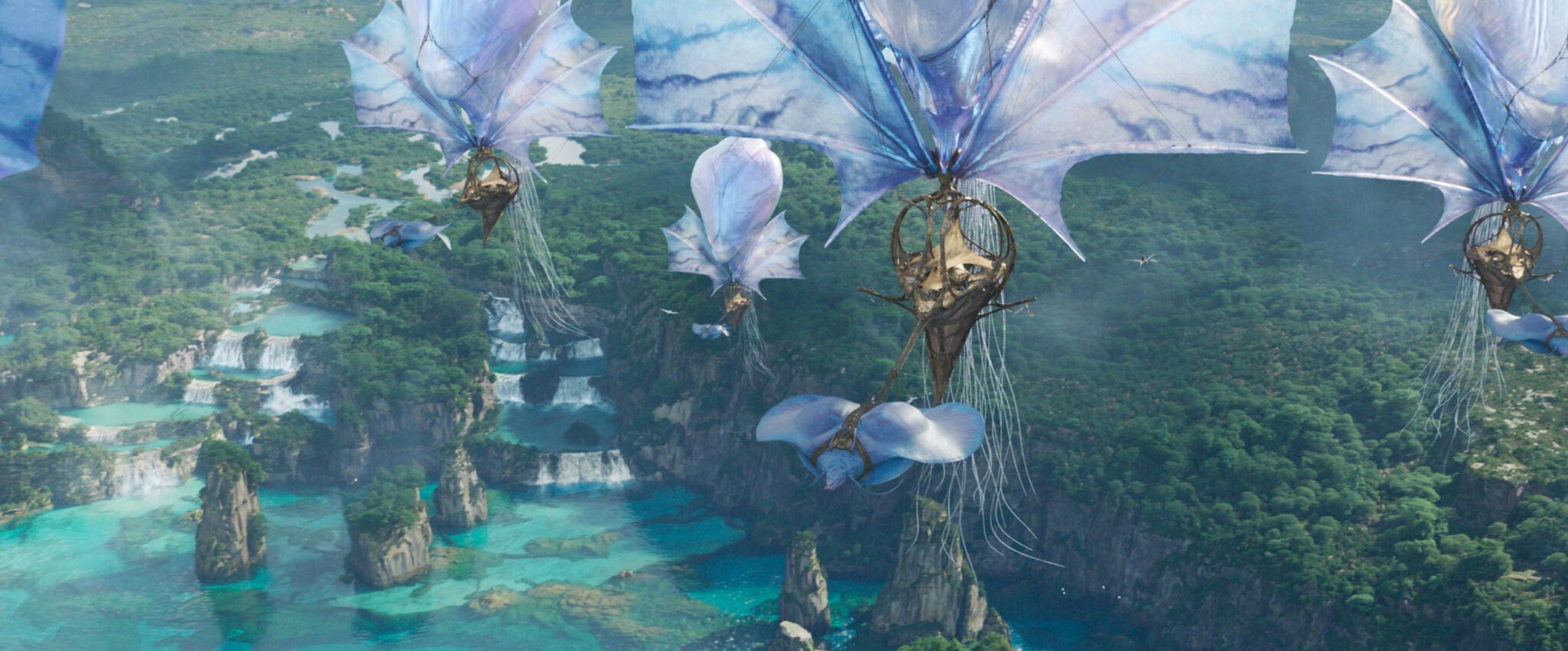
A scene from 20th Century Studios’ AVATAR: FIRE AND ASH. Photo courtesy of 20th Century Studios. © 2025 20th Century Studios. All Rights Reserved.
However, while the films’ success are fueled by their visuals, thankfully, Fire and Ash has a story to tell as well. Whereas The Way of Water felt almost simplistic at times, Fire and Ash finally develops the Sully’s with some complexity. Lo’ak’s actions are shaped by his furious sadness. Neytiri’s hatred for the Sky People begins to boil over, forcing her to deal with the depth of her emotion. And, of course, Kiri’s growing bond with Eywa finally answers the franchise’s biggest question. (Interestingly though, despite being arguably the film’s main character, Jake Sully almost takes a backseat to the rest of his family.)
Yet, despite the developments amidst the Sully clan, the most interesting character here remains Lang’s quasi-Avatar Miles Quaritch. As the clone-ified military officer, Lang has found ways to make his character into a fascinating blend of despicable, charismatic and relatable. He’s violent and detestable in moments yet feels redeemable in others. We love hating him and hate loving him. And much of that is due to Lang’s undeniable charm. Even under his digital blue skin, he has managed to create a character that we want to follow as he moves full throttle through the chaos.
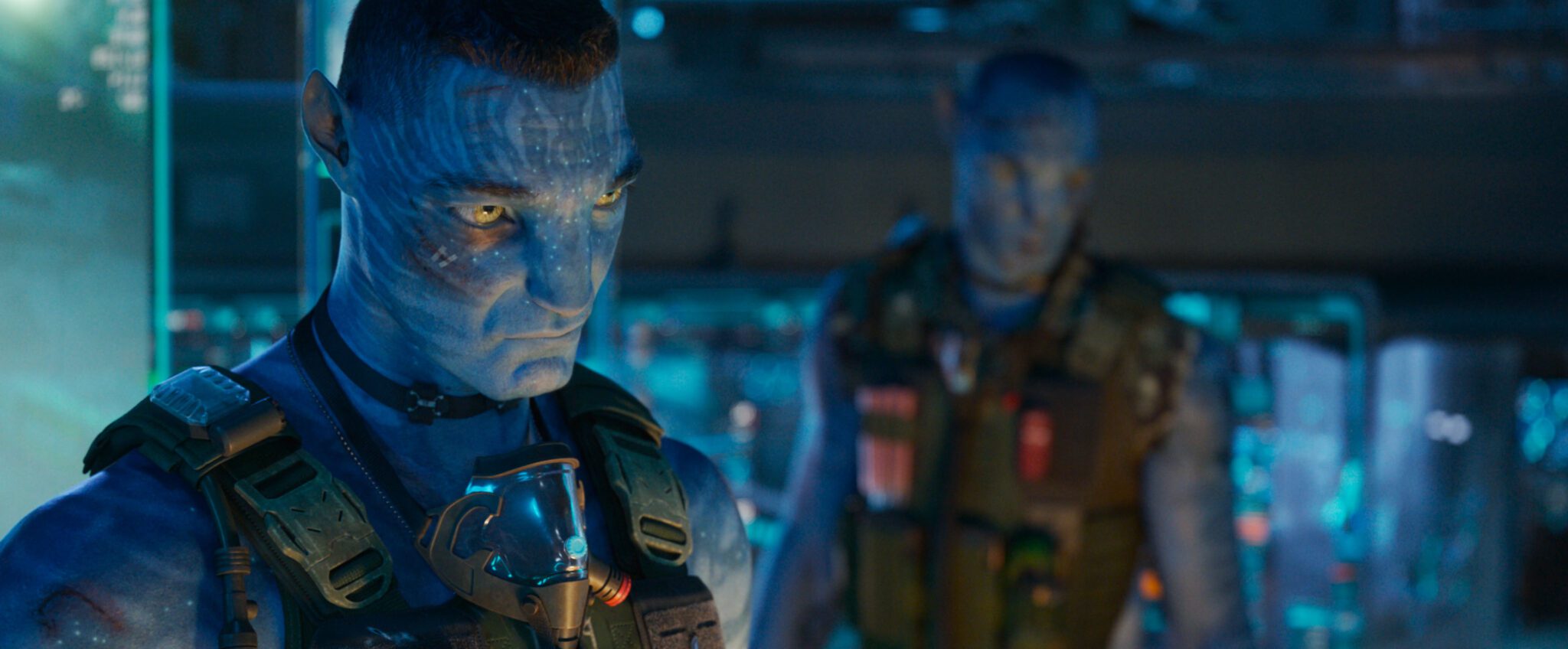
Quaritch (Stephen Lang) in 20th Century Studios’ AVATAR: FIRE AND ASH. Photo courtesy of 20th Century Studios. © 2025 20th Century Studios. All Rights Reserved.
Furthermore, it’s also worth noting that Lang has some delightful chemistry with newcomer Oona Chaplin’s Varang, the Na’vi leader of the volcano-dwelling Mangkwan clan. The introduction of Varang and the Mangkwan creates a new dynamic amongst the people of Pandora. Through their gruff and territorial outlook on the world, Fire and Ash manages to direct the film away (slightly) from its more traditional ‘Na’vi vs. Sky People’ approach, allowing the Pandorans to show the tension amongst themselves.
What’s most surprising about Fire and Ash though is that it’s greatest antagonist may not be anything that can pick up a weapon. Instead, it’s the grief embedded within these characters that drives the film forward. After the events in Way of Water’s finale, the Sully clan are burdened with the devastating effects of their pain. And every member of the family is struggling in different ways.
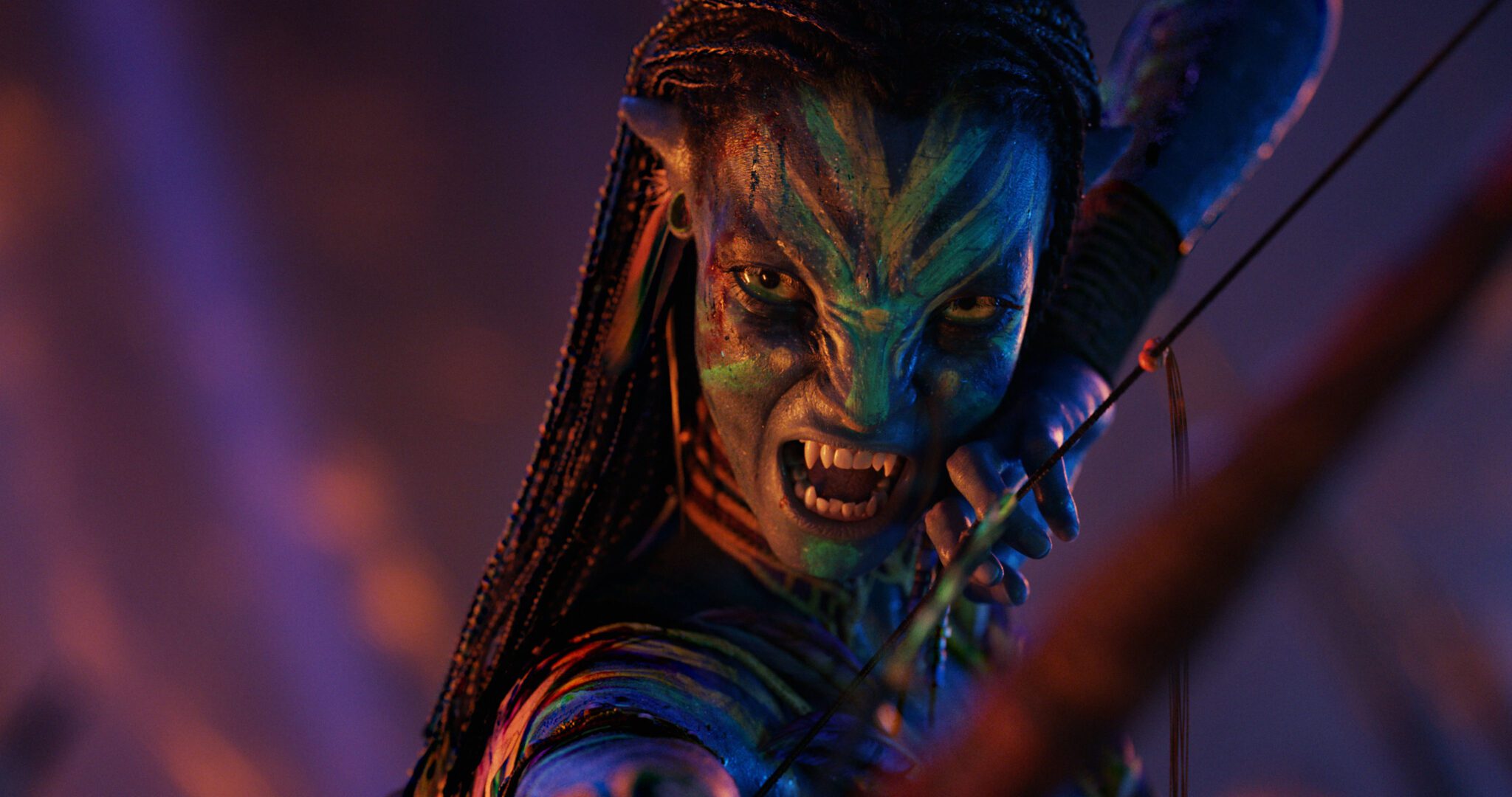
Zoe Saldaña as Neytiri in 20th Century Studios’ AVATAR: FIRE AND ASH. Photo courtesy of 20th Century Studios. © 2025 20th Century Studios. All Rights Reserved.
Carrying the burden of his brother’s death, Lo’ak’s depression has push him to the brink. Meanwhile, Jake’s displaced anger threatens to tear his family apart. And the fury burning within Neytiri drives her to recklessness. In each of these responses, Cameron presents honest portrayals of the complexity of grief and the various ways that it can destroy us from within.
If there’s a problem to Fire and Ash, it could be—and I can’t believe I’m saying this—that the film is too short. Here, Cameron has arguably delivered some of his most compelling character moments yet they almost feel rushed in the film’s third act. Without giving spoilers, some of the film’s best moments could have used a little more time to breathe. (And that’s genuinely surprising, given the film’s 197-minute runtime.)

A scene from 20th Century Studios’ AVATAR: FIRE AND ASH. Photo courtesy of 20th Century Studios. © 2025 20th Century Studios. All Rights Reserved.
Nevertheless, this remains a minor quibble. Even with the sense that its finale wraps up more quickly than it need, I stand by my claim and say it again. Avatar: Fire and Ash is unequivocably the cinematic event of the year. No other film delivers the blast to the senses that James Cameron offers on this trip to Pandora. And I, for one, hope that there will be more trips to come.
Avatar: Fire and Ash is available exclusively in theatres on Friday, December 19th, 2025.