
Documentary shorts have the ability to introduce people to issues and people that we need to know about. They can show us a world in need of healing and community. Here are a few of the short docs from the Oscar-qualifying HollyShorts Film Festival that call us to pay attention to the world and the people around us.
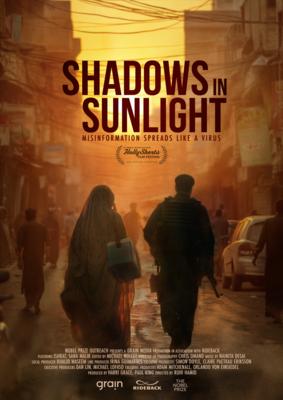
Shadows in Sunlight (23 minutes) directed by Ruhi Hamid. You know something important is happening when the first image on the screen is the imprimatur of The Nobel Prize. This story follows a woman on a dangerous mission. It is so dangerous that she is accompanied by a very well-armed security escort. What is so dangerous? She is trying to vaccinate children in Pakistan against polio. Each year, several women are killed on such a mission. There are mothers who are afraid of upsetting their husbands. There are men who refuse, believing the vaccine is made from pigs, thus forbidden. Some people are willing to talk, some are persuaded, others never accept. So each spring women head out to the towns and villages to try yet again to save children. And they know they are doing something that could cost them their lives.
Exodus (35 minutes) directed by Nimco Sheikhaden. The film follows two women who are released from prison after decades of incarceration. They have had sentence reductions as victims of domestic violence. Trinity is able to return to her family. She gets her own apartment. She returns to school. She reflects on her past, but looks to the future. Assia’s story is different. Immediately upon release, she was deported to Panama. She too is moving on in her life, with the help of her church. But she is separated from her children who are still in New York. Her freedom is not complete without being able to be with family.
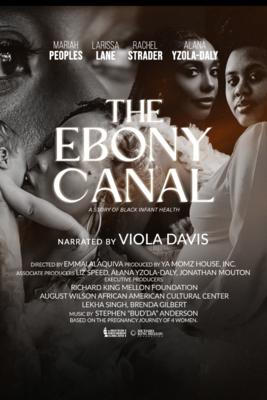
The Ebony Canal: A Story of Black Infant Health (28 minutes) directed by Emmai Alaquiva. This film looks at the disparity in infant mortality between white women and women of color. This is a wide-ranging doc that covers a lot of ground as it seeks solutions that are certainly needed. It didn’t answer many of the questions that came to my mind about the disparities, but it does seek to advance care of women and children, both pre-and post-partum.
One in Fifty (19 minutes) directed by Haley Watson. As a young girl in Brazil, Renata started getting lots of letters. She thought perhaps some prince was trying to find her. Instead it was the government wanting money. Someone (she finds out who years later) stole her identity and was using it fraudulently. It is only after taking a job in South Africa that she can escape the shame associated with her name. Her story is not unique. There are many who have been victimized by such acts.
The Life We Have (24 minutes) directed by Sam Price-Waldman. After his fourth bout with cancer, Rob Shaver decided that he would run a mile a day for as many days as he had. It turned into a streak of three years, two months and twenty days—many with more than just one mile. It ended when he began chemo for a fifth time. In time, it began again. For him that running represents that he is still alive and wants each day to have a meaning.
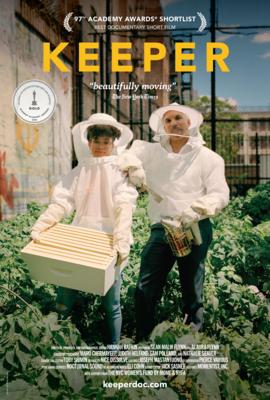
Keeper (39 minutes) directed by Hannah Rafkin. Sean Malik Flynn is an urban beekeeper in New York City. He has been doing this for years. His daughters have helped when they were around. This summer, when his youngest daughter comes home for school, he’ll need her help even more. He is dealing with cancer treatment. The film reflects the way hives are organism in themselves that are fragile and can easily be killed off. His treatment for cancer and his daughter’s care for him are a reminder that like the bees, we depend on each other.