Casey Carter’s documentary To Use a Mountain is an attempt to help us understand a complex issue, but ends up being too narrowly focused to bring light. It deals with the search to find a place for the US to store its growing pile of nuclear waste. To be sure, this is an important problem. It is quite likely that nuclear power will be a key component if trying to deal with climate change, and all that waste needs to go somewhere. But where?
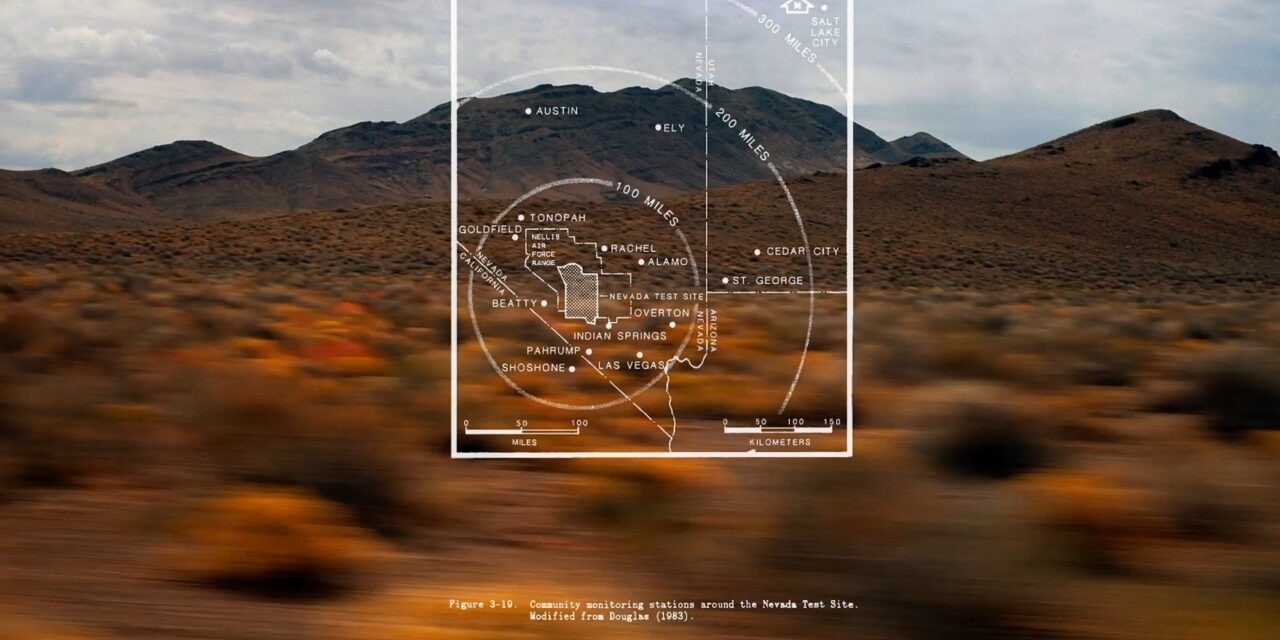
In 1982, under President Reagan, Congress passed the Nuclear Waste Policy Act, which directed the Department of Energy to locate a repository for nuclear waste that would keep it sequestered for 10,000 years. (For reference, 10,000 years ago humans were first transitioning from hunter/gatherer to some domesticated animals.) A few possible sites were identified, then narrowed down to one, Yucca Mountain in Nevada.
The film takes us to a few of those potential sites: Vacherie Dome in Louisiana, Ricthon Dome in Mississippi, and David Canyon, Utah. We meet some people who have lived there for generations and hear how their lives would have been affected if their areas were chosen. The finalist in the search included Deaf Smith, Texas; Hanford, Washington, where plutonium was processed for the atomic bomb dropped on Nagasaki; and Yucca Mountain, where the US tested nuclear weapons for many years.
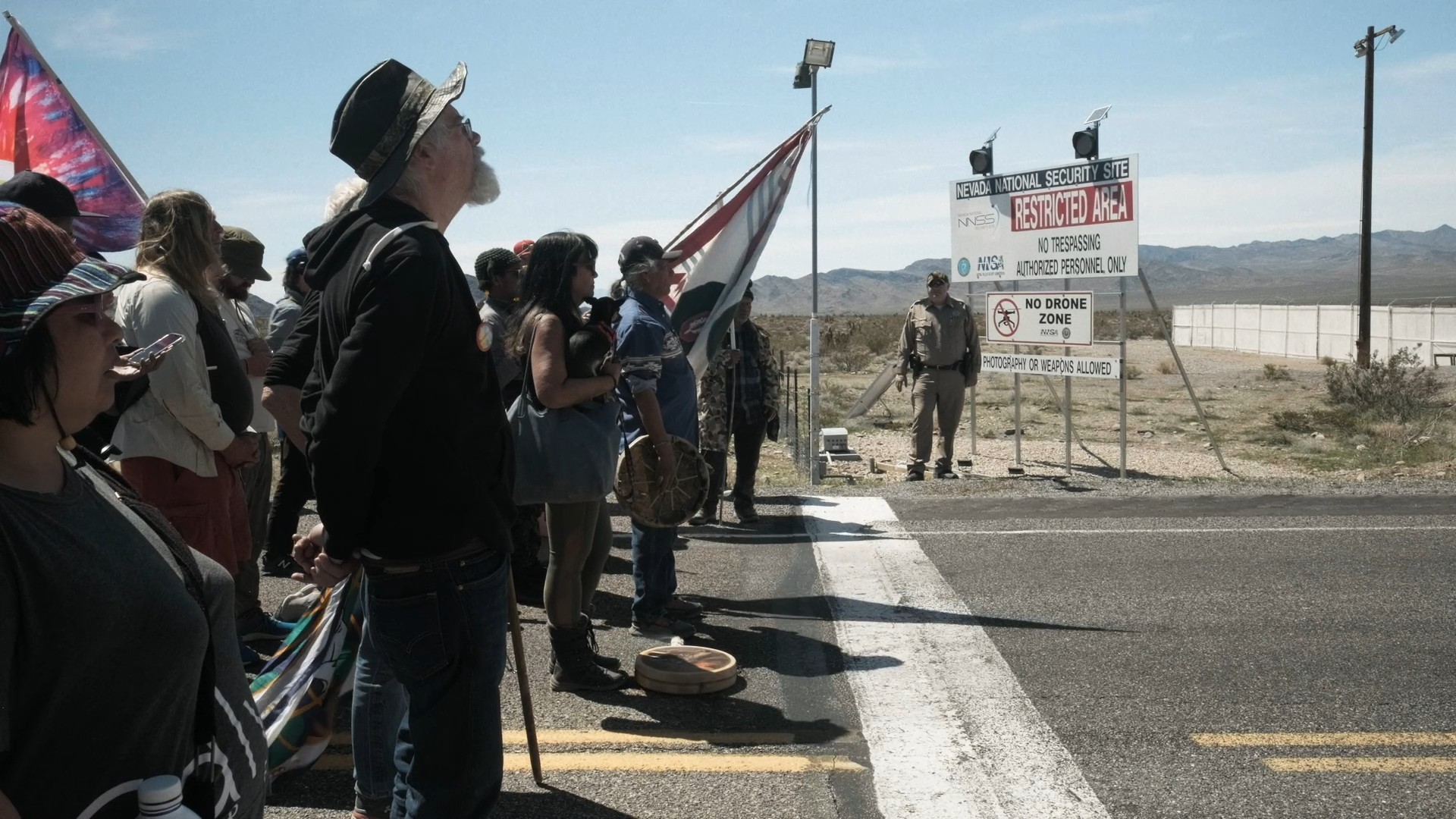
It is obvious that no one wants the nuclear dump in their backyard. The film presents people who have opposed each of the sites, and continue to oppose the Yucca Mountain site for various reasons—including that the Shoshone Nation claims sovereignty over the land. The film points to many of the reasons to oppose the plan, including a distrust of the government to do it in a safe manner.
The film, unfortunately, has too narrow a focus. This is not just about finding a place. It is also about the need to find a place. Finland has recently created a repository under a mountain, but it is the first nation in the world to act. The film doesn’t look at what the repository would actually be like—or if it would likely be safe. It doesn’t address any of the other complicating issues, such as how the waste would be transported there, because no one want trains or trucks with nuclear waste near them either.
The film also uses inappropriately emotional footage, such as the destruction and human injuries from the Nagasaki bomb in a way that seem to equate nuclear weapons with nuclear energy. The film does not come out against nuclear energy, but it certainly seems to have the mindset that it must be stopped.
The plans to use Yucca Mountain have been paused since 2010. Forty-four years after the original bill, and sixteen years with a pause, and still nuclear waste accumulates in even more unsafe settings. Perhaps this documentary will serve to bring the question up of how we are going to deal with that waste, but it offers no solutions, just heat without much light.
To Use a Mountain is in select theaters on August 21st, 2026..
Photos courtesy of To Use a Mountain, LLC