When the truth is out there, sometimes chaos comes next.
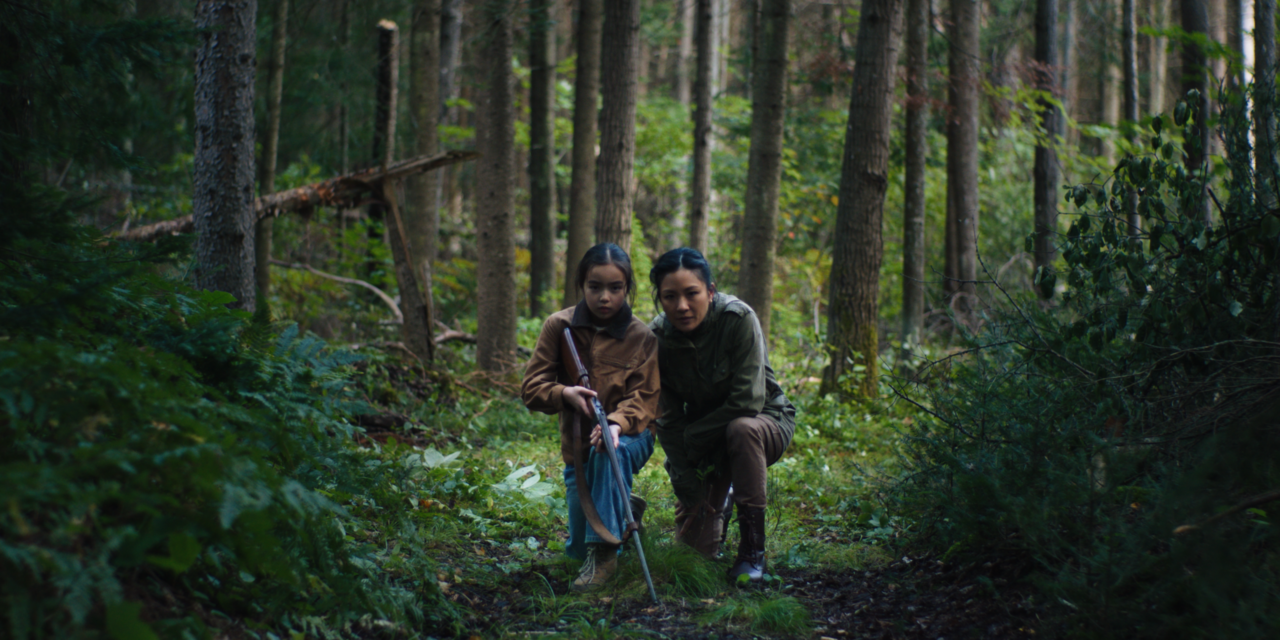
Set in rural West Virginia, The Outer Threat tells the story of Michelle and Daniel (Constance Wu and Mark O’Brien), parents of two children who have dedicated their lives to determining whether or not there’s life on other planets. Living isolated from the local community, Daniel’s commitment to the job has driven a wedge between them that threatens their relationship. However, when Daniel’s research finally pays off, the unintended consequences force the family into survival mode as they attempt to figure out how to tell the world what they’ve learned.
Written and directed by Will Woods, The Outer Threat is a delightfully fun thriller that manages to tap into humanity’s dark side in the process. Backed by solid performances by its cast, Threat continues to pop from beginning to end. While the special effects may be limited, the film making every moment count, breathing intensity into the film in ways that keep you engaged.
With limited budget, Wood fully understands that large scale set-pieces aren’t nearly as scary as the things we cannot see. As such, he embeds every scene with a sense of dread that drives the narrative forward. Yes, there are moments where stunts are required and explosions to be had. But the film’s best moments lie within the family conversations that question who can and cannot be trusted. It’s this sense of paranoia that leaves the viewer grasping for breath.
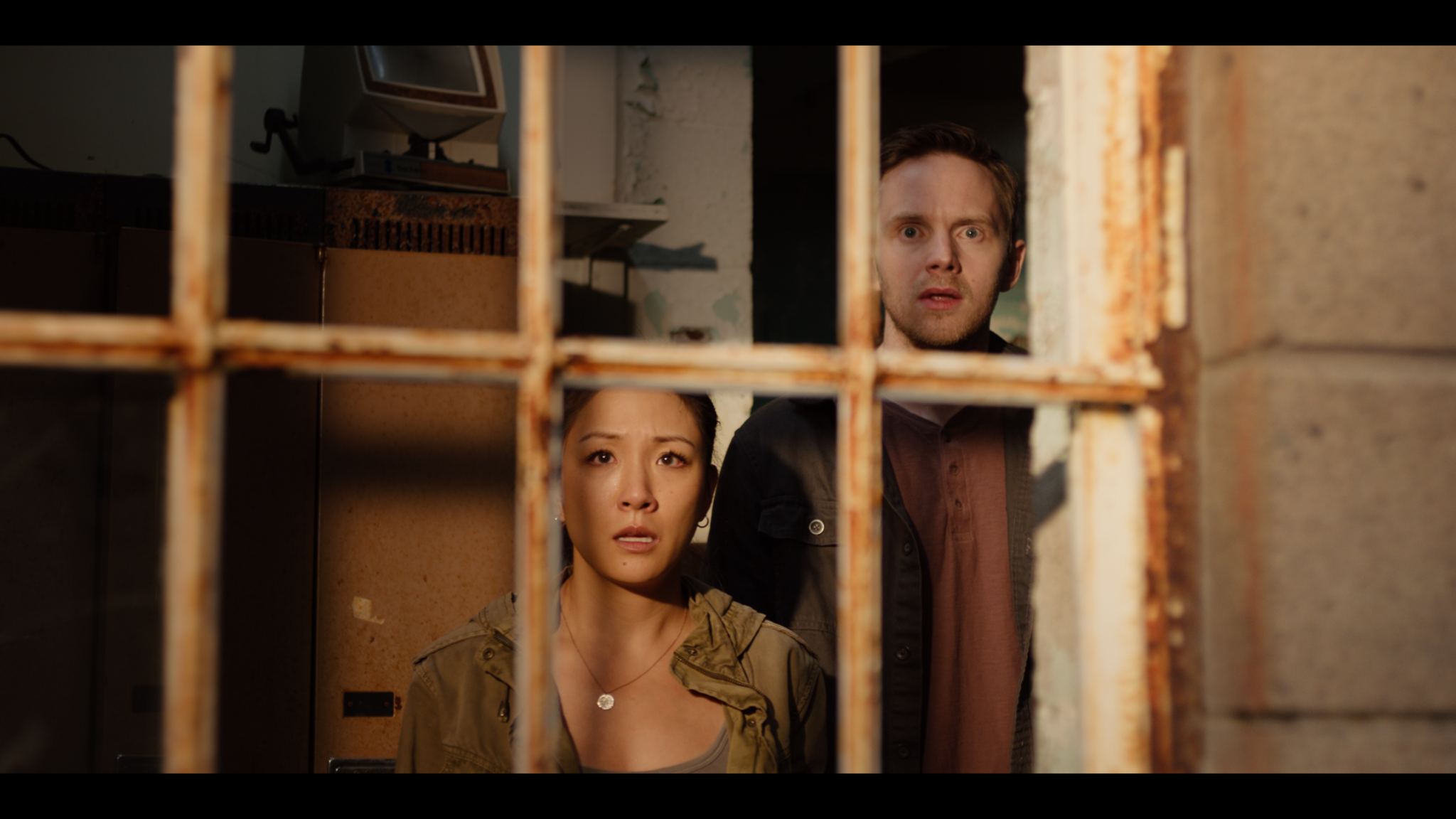
In this way, the film’s greatest strength lies with its cast. As the film’s central couple, Constance Wu and Mark O’Brien have incredible chemistry together. Together, the duo offers the sort of comfort and tension that feels natural in any marriage. Torn between their children and serving the good of humanity, their facial expressions reveal the tension that they carry inside, even when they’re not saying a word.
They simply feel like real people.
Even so, amidst their fight to survive, it’s Daniel who seems to be struggling the most to decide who he wants to be. Having been told constantly that his theories are off base, Daniel feels torn between how he needs to handle his discovery. Warned by his wife that the worst parts of humanity are often revealed when the world changes, he fears that telling everyone about his research may have unknown consequences.
But, on the other hand, think of the glory that will come when people know what he’s done.
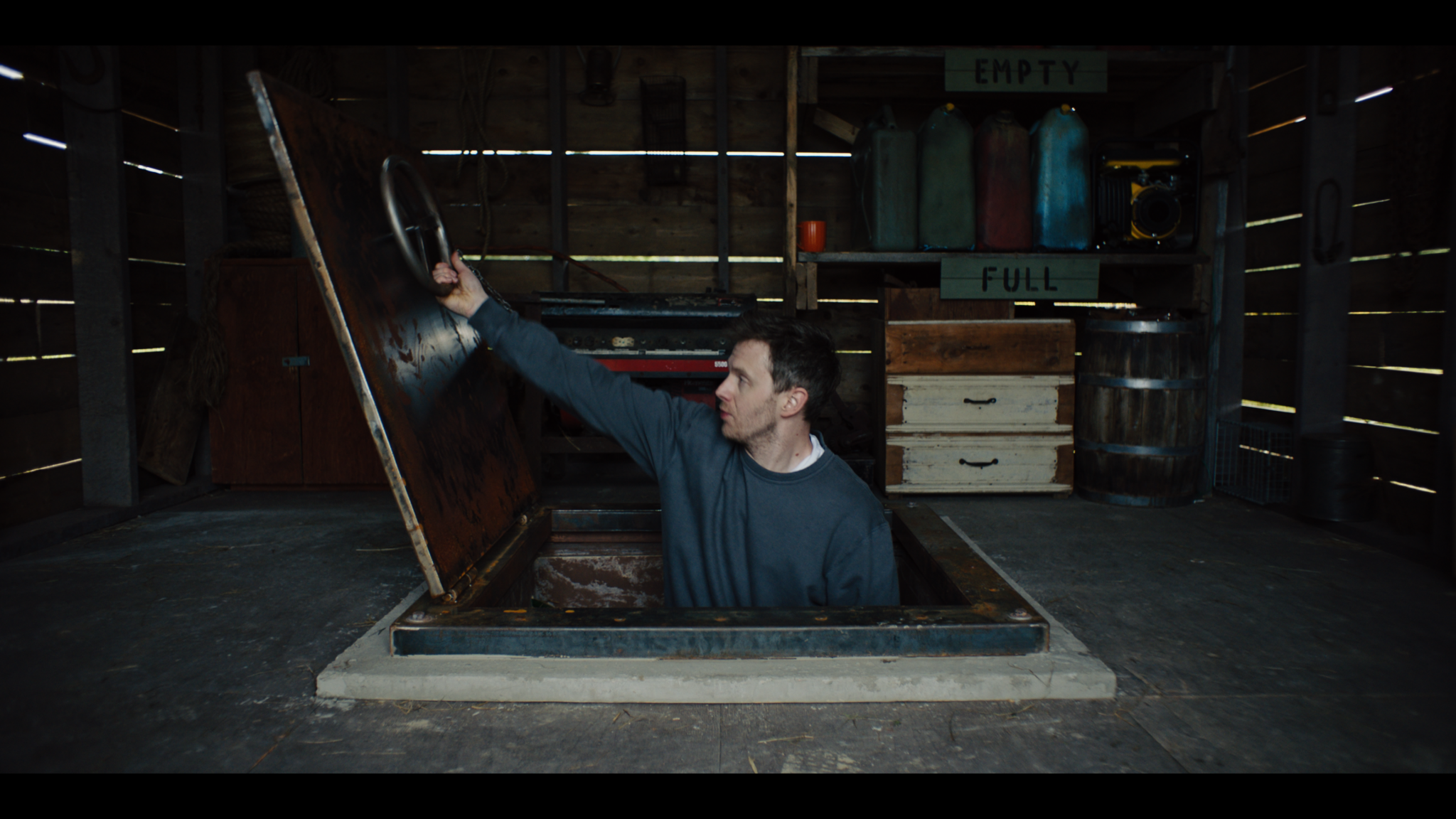
Ironically, this is exactly the sort of psychological dissonance that feels like a supervillain origin story. (After all, how many times have we heard of people torn between family and fame that end up scorching the earth?) But even after the truth is know, Daniel is never painted as evil. Misguided? Potentially. Broken? Absolutely. But ultimately, he’s painted as human. His decisions are marked with grace, even when mistaken. Instead, he’s simply an ambitious man who has everything to prove to the world – but even more to prove to his family.
Yet, beyond the family drama, Woods ensures that there’s a genuine Threat worth watching within his world – and it’s not necessarily what you think it might be. Without giving any spoilers, his global menace exposes the paranoia that can ensue when humanity’s deepest fears are exposed. Beyond any potential alien threat, the series is unafraid to explore the consequences of man’s willingness to sacrifice his principles for the sake of ambition. In this way, Threat wrestles with whether or not mankind is intrinsically good or whether or not our brokenness creates an incurable toxin.
One of the most fascinating examples of this comes in a beautiful (albeit brief) performance by William Fichtner. Without saying too much, Fichtner makes the most of his minutes offering a performance that grounds the film in almost surprising ways. He’s compassionate and caring… but also fully aware of his personal demons. As a result, his performance feels quietly unpredictable. (For example, during his conversations with Wu’s Michelle, one is genuinely unsure of either his intentions and how he’s going to respond.) By using Fichtner as a symbol, Woods leans into the shadows of humanity’s imperfect souls to query whether or not there’s any goodness within us at all.
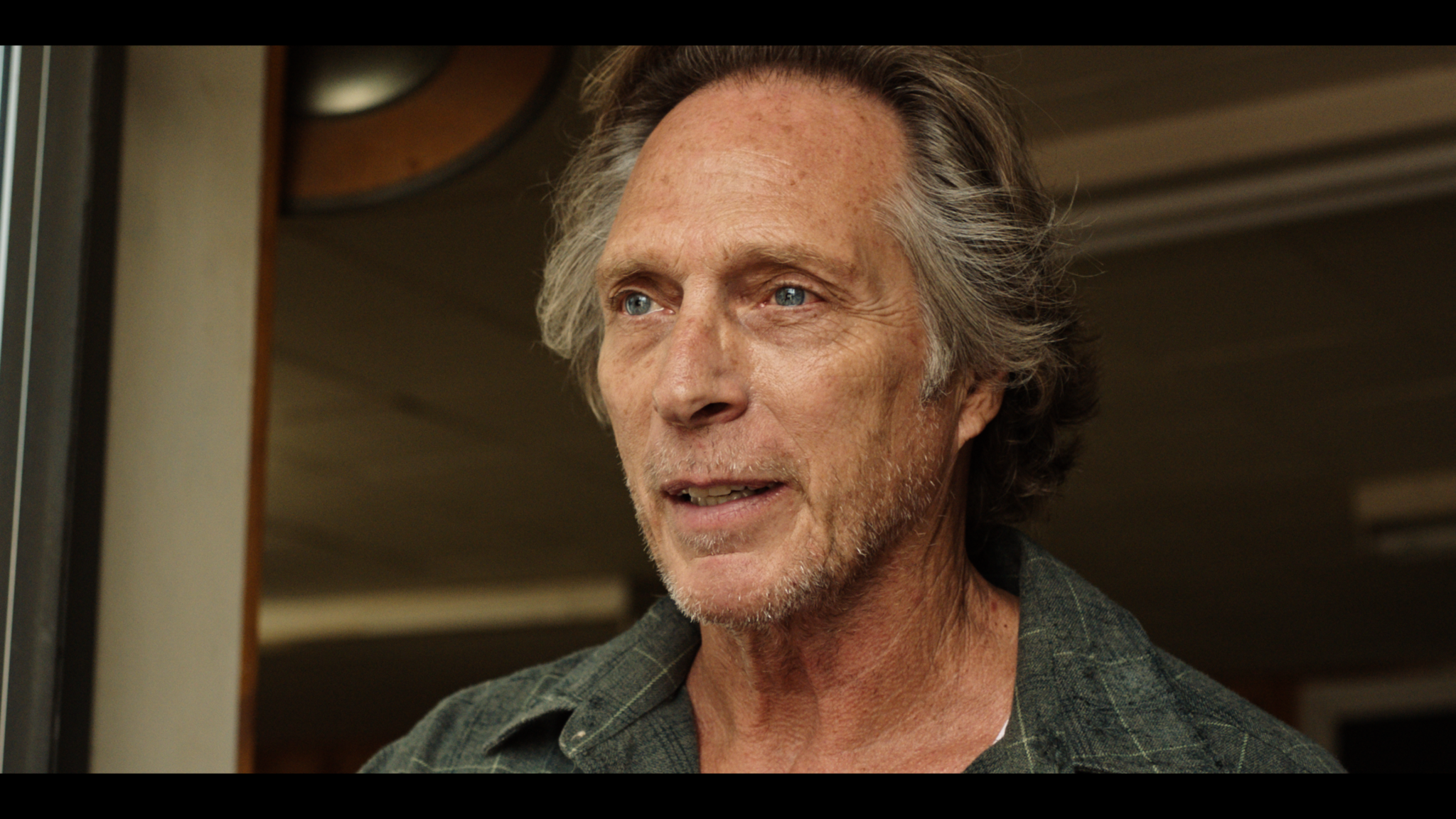
“Maybe, just maybe, we’re all rotten,” we’re told
At the same time though, the film doesn’t leave the audience in the depths of despair. There’s a lot of fun to be had along the side roads of rural West Virginia and, truthfully, the film is far more optimistic in tone than it may sound. Woods may recognize the darkness of humanity but he also recognizes the hopefulness within it as well. (In fact, one might even argue that The Outer Threat does a better job of exploring the issue than Spielberg’s recent Disclosure Day, a film that deals with surprisingly similar themes.)
Having said this, it’s worth noting that Outer Threat does take a couple of big swings within its script that ask a lot of the viewer. While there’s no question that the film’s central theme is relevant yet there are moments that require us to be willing to go along for the ride. However, the performances are so strong that one cannot help but fall in love with this family as they attempt to survive the potential apocalypse. After all, Woods fully understands that his Outer Threat isn’t as dangerous as the threat that lies within.
The Outer Threat is available in theatres on Friday, July 24th, 2026.