The world is a dangerous place. And it desperately needs the Spider.
Based on the Marvel comic, Spider-Noir tells the story of Ben Reilly (Nicolas Cage), a broken-down private investigator in 1930s New York. Struggling to make it through the day, Reilly finds himself in order his head when he’s thrust into a series of mysterious occurrences in the dark corners of the city. Now, caught in the crosshairs of the local crime boss (Brendan Gleeson), Reilly is forced to revisit a piece as his life that he thought was long gone: his alter ego as the city’s only superhero, The Spider.
Developed by Oren Uziel and Steve Lightfoot Spider-Noir feels like it should have been a massive risk for the franchise. Though the character was first established (onscreen) in the Spider-Verse films, Spider-Noir is a series that seems awfully difficult to market to kids. Gone are the vibrant colours of the Toby Maguire films or the youthful enthusiasm of Tom Holland’s Peter Parker, leaving us with a morally complex psychological journey into the mind of a middle-aged man who’s past his prime. Nevertheless, Spider-Noir isn’t just one of the best series about Spider-Man.
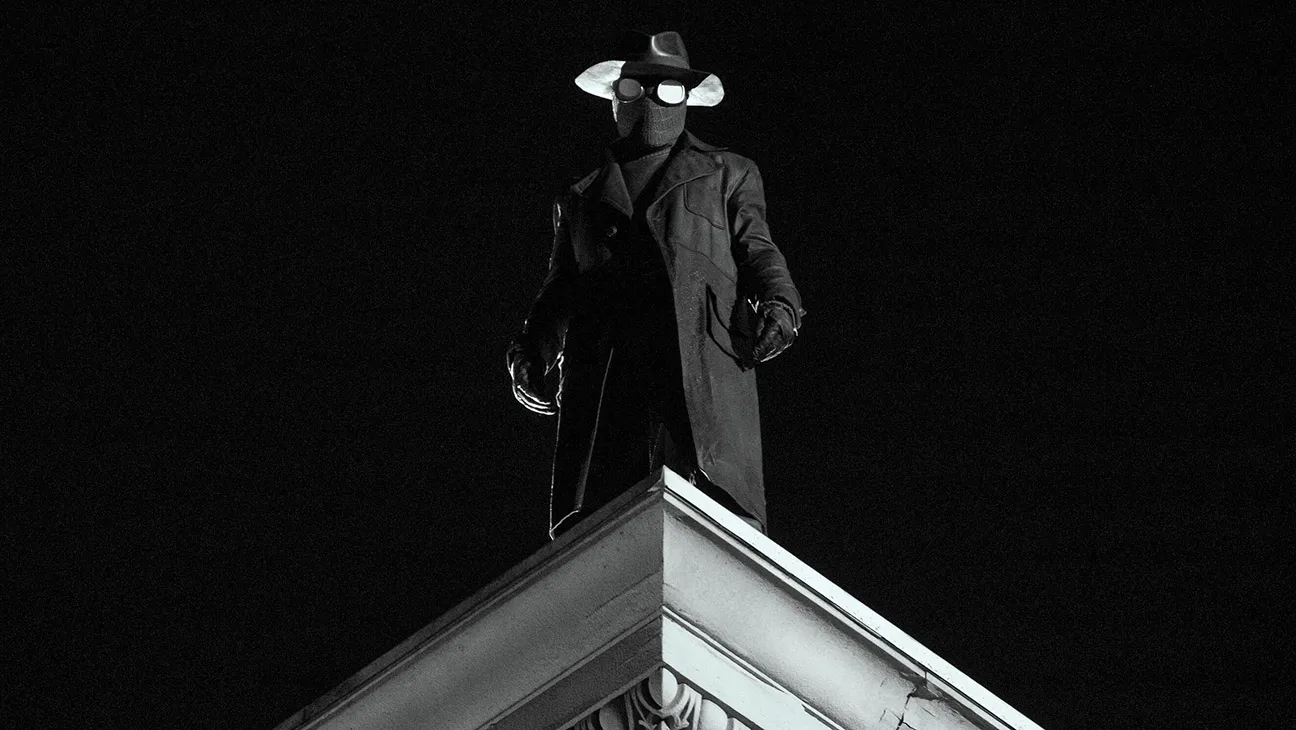
It’s one of the best superhero television series of all time.
Somewhat shockingly, Spider-Noir is an absolute masterclass in the creative reconstruction of an existing IP. Yes, Noirhas all the elements that make the Wall-crawler the hero that we know and love. He still spins webs, uses his spider-sense and fights the villains. And, while presented differently, the series also contains the usual rogue’s gallery of treacherous baddies. Even so, by moving away from Peter Parker and focusing on the less well-known character of Ben Reilly, Noirimmediately breaks away from the stories that we’ve been told repeatedly about the high school hero over the years.
And, frankly, it’s a brilliant decision.
In doing so, Noir isn’t burdened by the history of iconic storylines involving Uncle Ben and Aunt May. We’re not waiting for Mary Jane to walk into the room or looking for Flash Thompson to appear. Instead, this series really does feel like it has the chance to deconstruct many of the tropes that Spidey has been built upon over the last few decades. Recognisable characters can always make an appearance but, if they do, they can do so in an entirely different manner. In short, we’re allowed to take an entirely new journey with the character without it feeling unfamiliar.
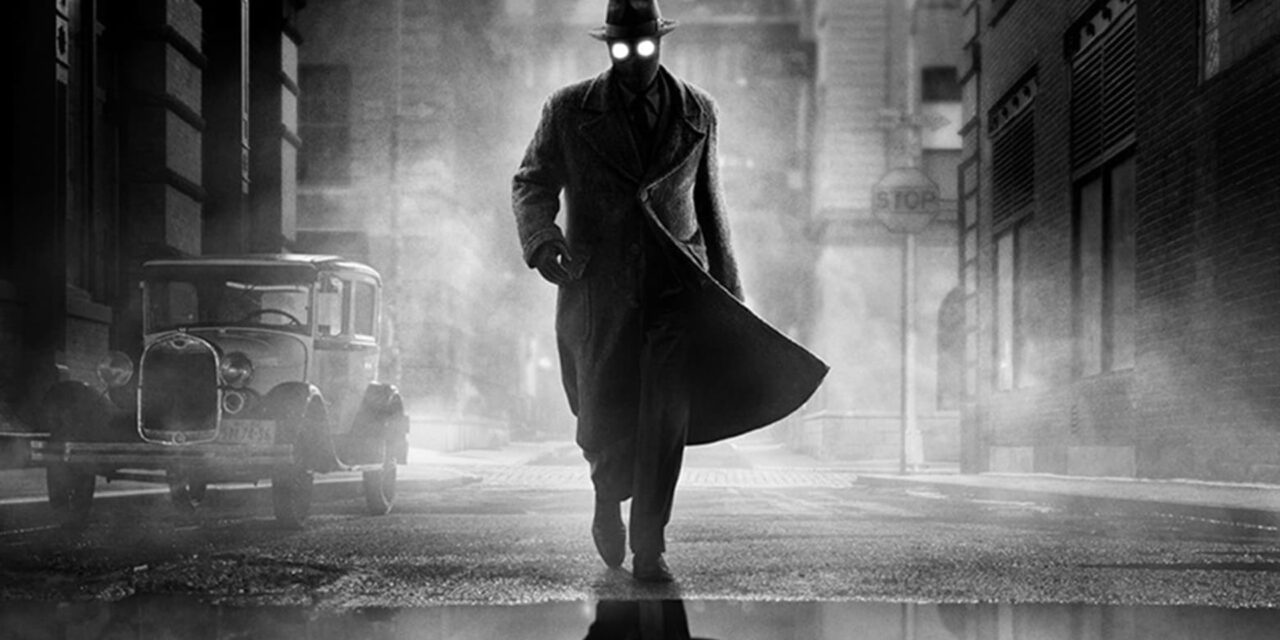
But what most people will (and should) be talking about is the series’ absolutely astounding visual palette. Every scene – every shot – feels as though it’s been stripped out of Hollywood’s vault of classic detective stories. Influenced by cinema classics like The Big Sleep, The Thin Man and Casablanca, Noir immerses itself in movie history with its style and visuals.
Diffused lighting, long shadows and wild camera angles give the series a cinematic voice that few shows are able to achieve. This is a world where right and wrong have blurred together into a muted mess of ambiguity and the visual palette brings that tension to life. This isn’t a show that serves as an homage to film noir. It is film noir. (What’s more, while it feels like the decision to stream the series in colour may have been made to make it more accessible to younger viewers, one can’t deny that it also adds something unique to the experience as well.)
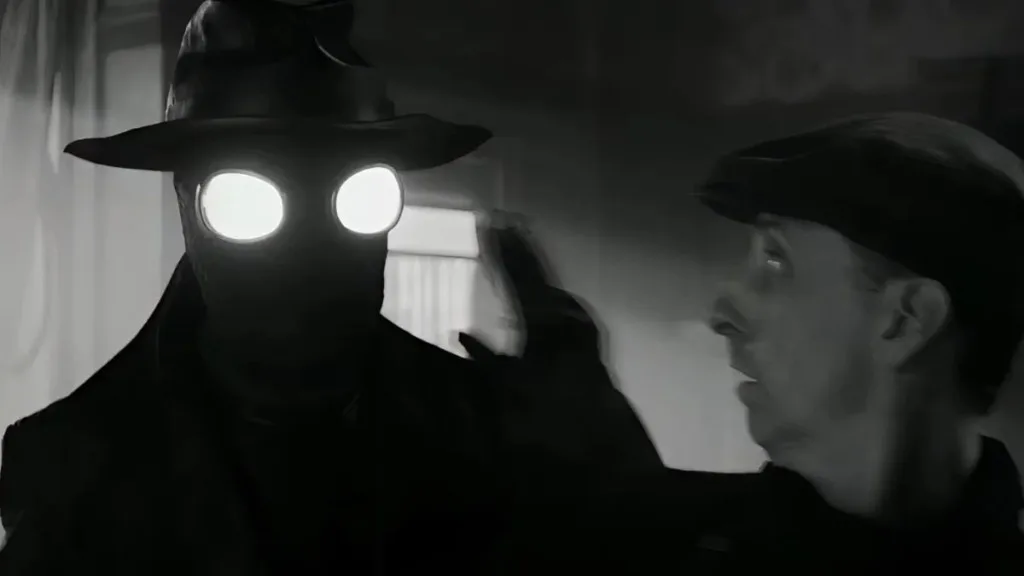
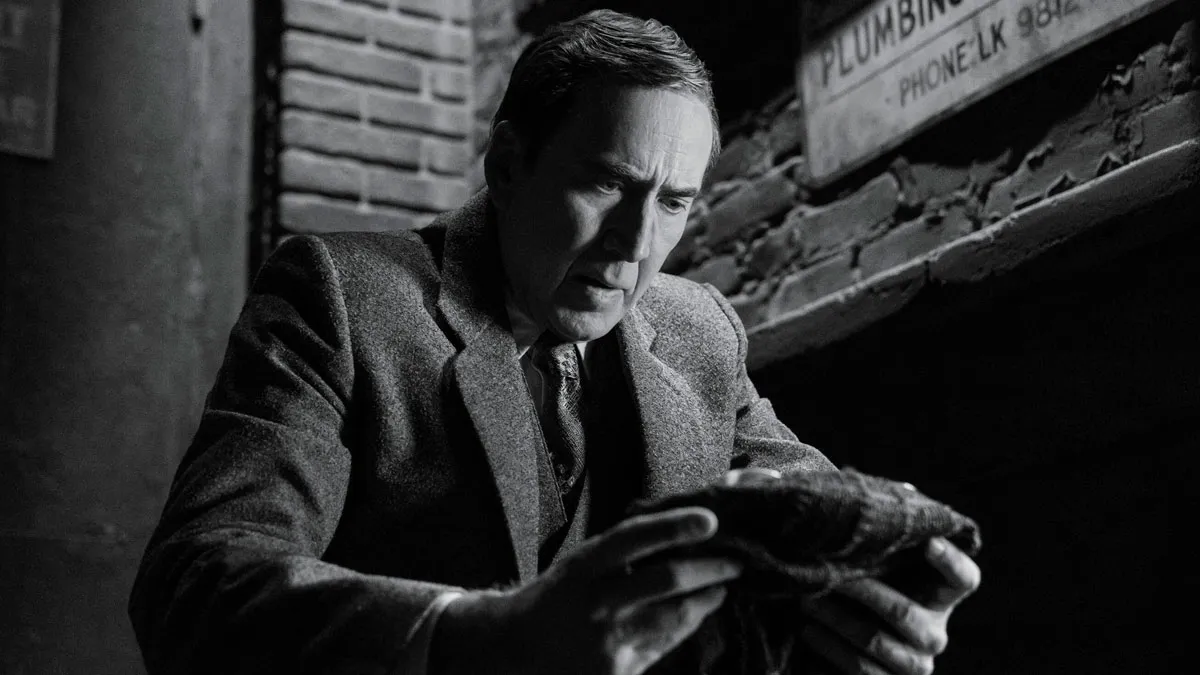
This approach to the series also opens the door for a deliciously dark performance by Cage. Embracing the role of the broken private eye, Cage’s unique performance style is essential to Noir’s success. With his gravelly voice and whispery tone, Cage oozes into the character of Ben Reilly with a grizzled charm. He’s gruff and emotionally shattered but still has a slight glint in his eyes, reminding us of days-gone-by. He’s a man who once knew what it was to be great but can’t seem to get over the burdens of his past. And Cage’s soothing growl makes him the perfect person to bring Reilly to life.
Yet the heart and soul of the series remain the journey of Reilly himself. As a man who’s been broken by the death of his woman, Reilly has come to disdain his alter-ego as the Spider. Hard drinking and hardly working, the private detective has moved away from his role as a hero and is just trying to pay the bills (and his secretary).
Still, you can’t escape who you are. And, suddenly, bizarre events call for the Spider to make a return.
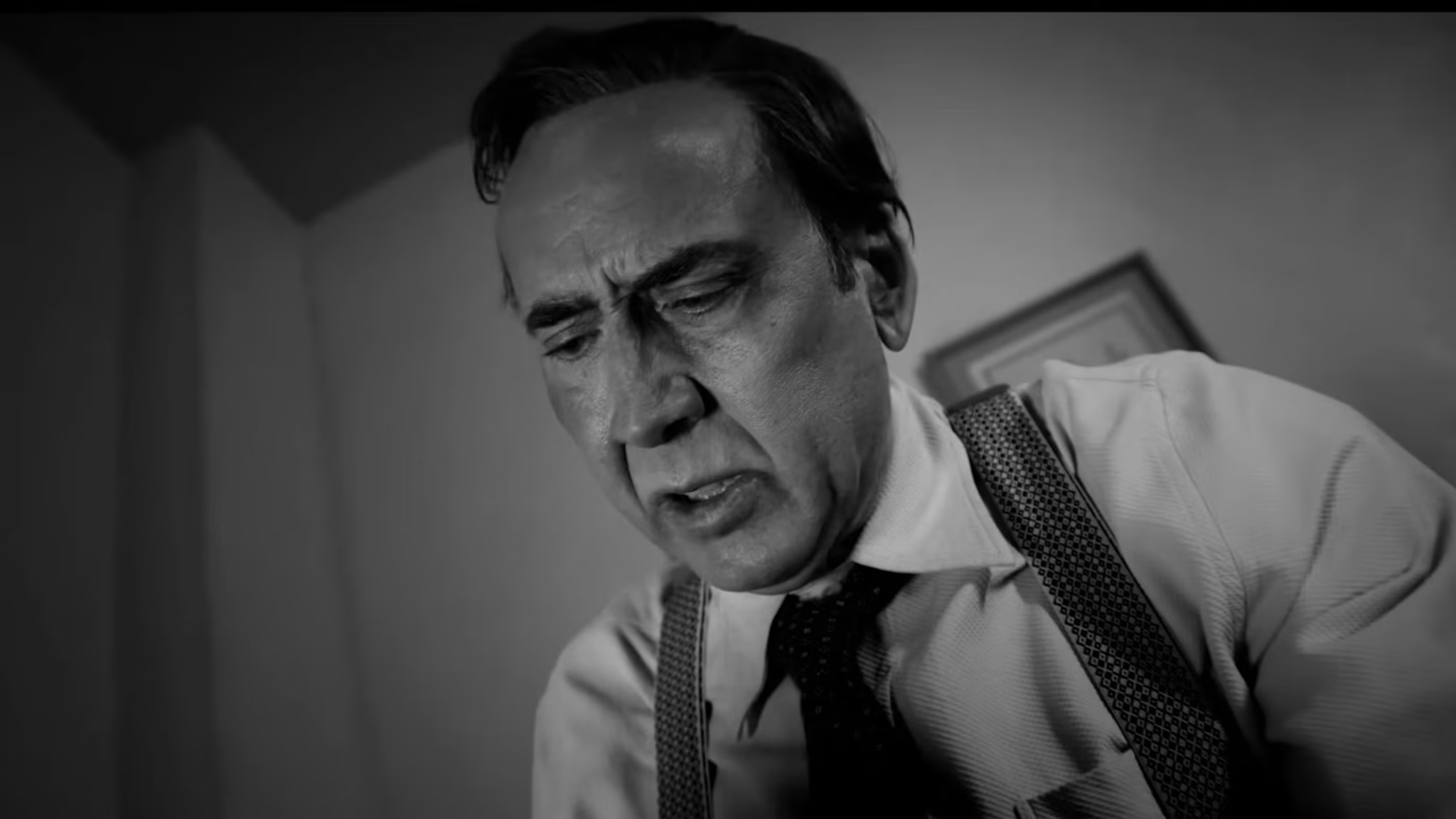
And Reilly is really struggling within himself to decide ‘who he is’. To some, he’s brave. To others, he’s a coward. He believes that human nature is broken but there are others looking for heroes. He’s stuck in the grey in a world that once believed in black and white. This sort of existential conflict is an essential building block of film noir but also works exceedingly well in the superhero realm. After all, with great power comes great responsibility. But what happens when you can barely take responsibility for your own actions? Questions like these keep the series grounded and focused, even in its most Marvel-iest of moments.
For this reason, it’s well worth your time to swing by this (re)vision of 1930s New York. Cage’s Reilly is so utterly compelling that you can’t help be caught up in his web of conspiracy, intrigue and mysterious powers. It’s familiar and fun but, ultimately, it’s an utterly spectacular Spider-Man.
Spider-Noir is available on Prime Video on Wednesday, May 27th, 2026.