
-By Robert Bellissimo-
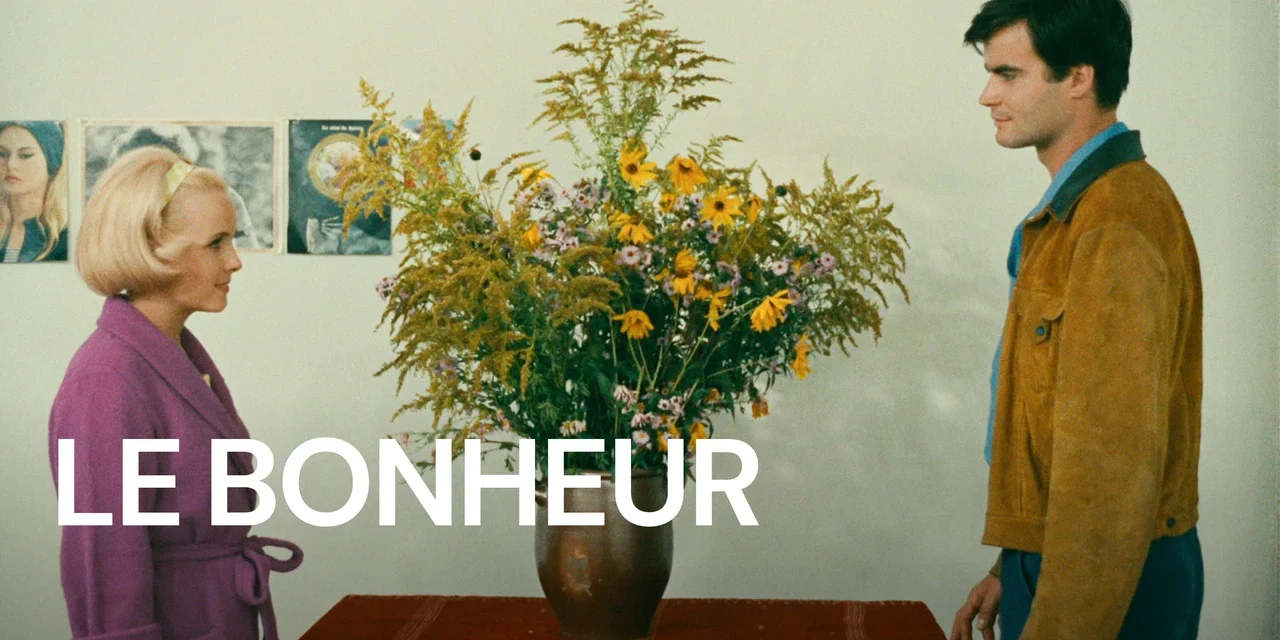
Francois and his wife Therese live a simple and happy life with their two small children in a Parisian suburb. They are in love and are very happy together. One day, Francois meets Emilie who works at a post office and they begin to have an affair.
It’s a simple story, yet so shocking. It’s all done with such casualness, yet the ambiguities the film offers will leave you wrestling. Agnes Varda doesn’t tell you how to feel about these people and she doesn’t judge anyone either.
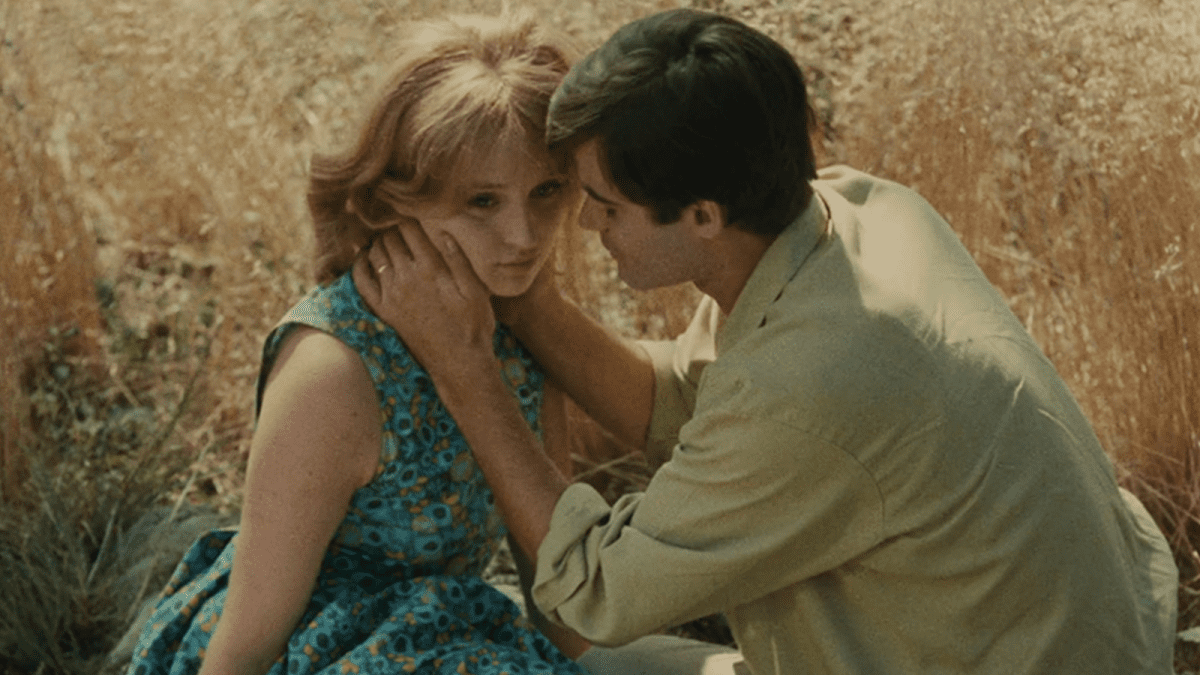
Many films will use editing and mise en scène to tell you who is wrong and who is right, who is good and who is bad, but not Varda. She leaves it up to the audience to decide. This film has very few closeups. It has long takes, with fluid camera movements and two or more characters in the frame at the same time. It takes an objective approach and feels more like a documentary in that sense. The cinematography (by Jean Rabier and Claude Beausoleil) is so beautiful. The colours are bright and it mostly takes place in the summer. This is intentional on Varda’s part. The style makes the audience feel as though nothing can go wrong with these characters, until it does.
However, along the way their are hints that something bad is about to happen around the corner. For example when Francois Chevalier (Jean-Claude Drouot) visits his mistress, Emilie Savignard, (Marie-France Boyer) the film cuts back and forth between their closeups, quickly a number of times, which gives the feeling of something stressful and unsettling.
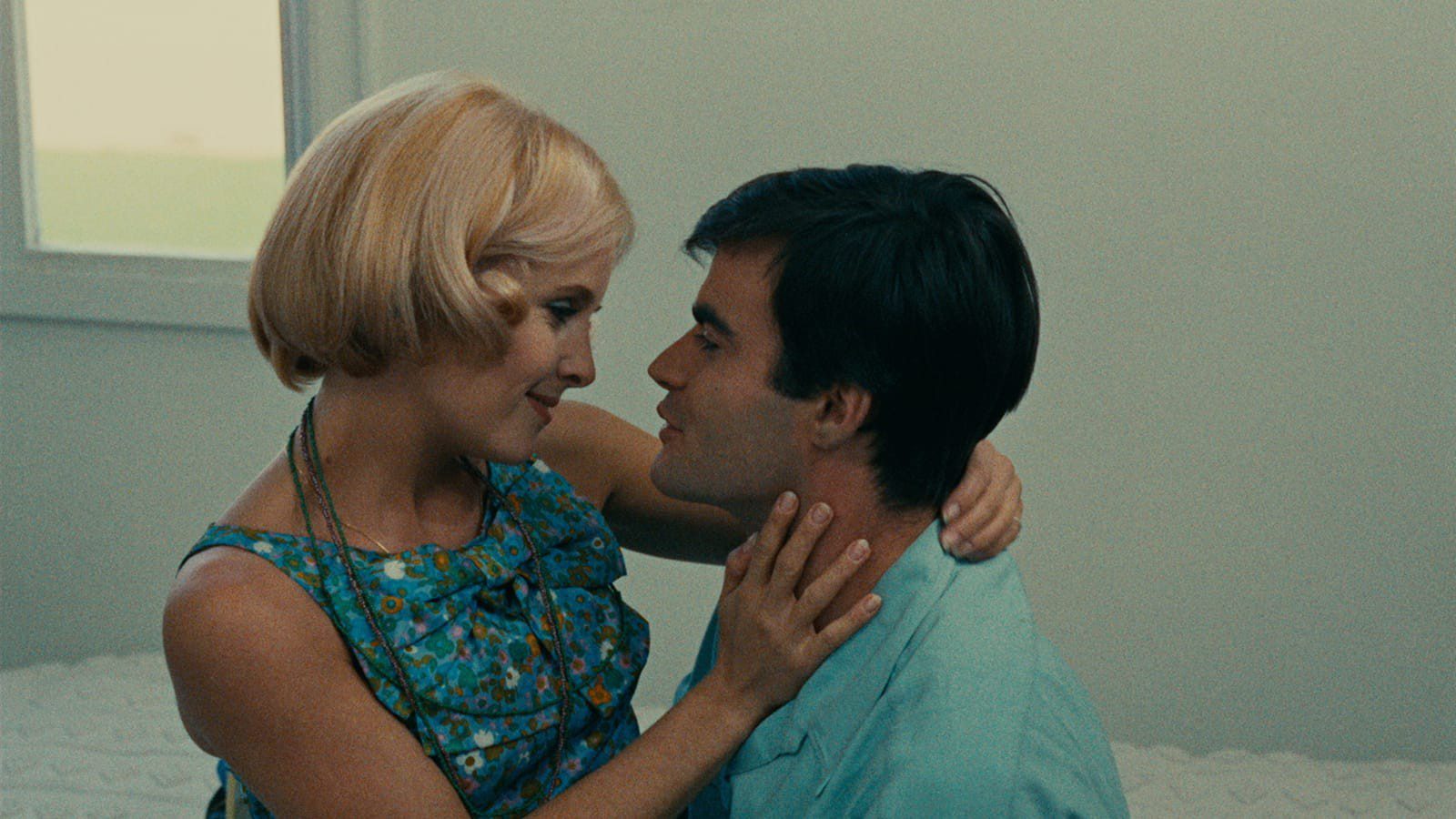
Francois reacts to his affair in an unusual way. I expected him to feel guilty about seeing another woman, but he actually becomes happier. He jumps for joy after work and he feels that he has more love in him now that he loves two women. He is aware that this will hurt his wife and his mistress expresses that is bothers her that he’s married, but Francois feels that being with two women is exactly what he wants and what makes him the happiest.
The name of the film is exactly what it explores. Happiness. What is happiness ? Should we be happier than we are, even if it’s hurting someone else ? How much of happiness is self serving ? These are not easy questions, but this film will have you thinking about them, long after seeing it.
You can watch “Le Bonheur” on The Criterion Channel. You can also see it in Toronto at The Revue Cinema on Monday August 18th. The details are below.