When it comes to fame, it truly is better late than never.
Set in the heart of modern-day New York City, Late Fame follows Ed Saxberger (Willem Dafoe), a postal worker who once was known as a legendary poet. Still, those days are long behind him and Saxberger moves about in plain sight, almost nondescriptly. However, things begin to change when his work is rediscovered by a group of young poetry enthusiasts who find his work fascinating. After they seek him out, Saxberger is invited to their weekly gathering, reigniting a piece of himself that he felt was gone.
Directed by Kent Jones, Late Fame is utterly entrancing. Built on the back of Dafoe’s best performance in years, Fame is a phenomenal character study. Featuring a smart and incisive screenplay by Arthur Shnitzler, the film challenges our assumptions about the nature of celebrity and what truly makes our work worthwhile.
But the anchor to it all remains Dafoe. There simply aren’t enough words to describe the wonderful work that the iconic performer delivers here as Saxberger. Drenched in humility, Dafoe plays the poet as a man who understands the fleeting nature of life. He understands that his work matters but doesn’t seek the spotlight. Instead, he simply goes about his day, working hard and spending time with friends.
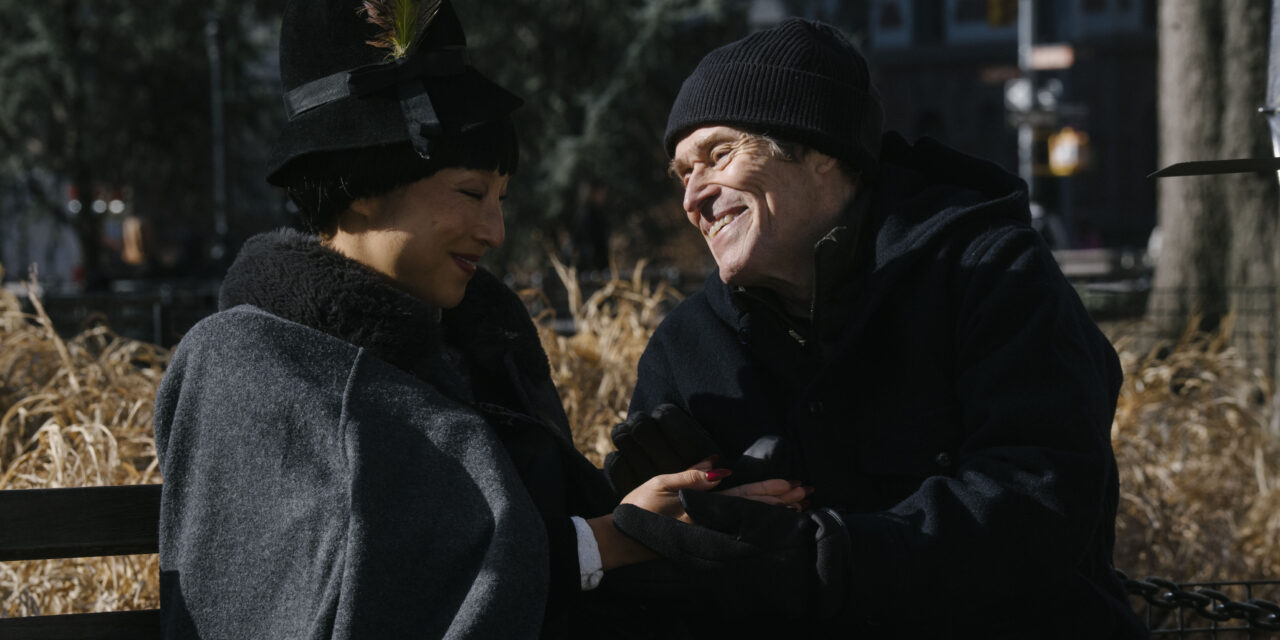
However, when that spotlight shines upon him, something changes within him. With every question about his work, Dafoe’s eyes increasingly sparkle. He remains unsure of the praise but is grateful to be recognized for his work. As though some piece of his soul has been revived, his grizzled scowl gradually gives way to a twinkling grin. Their investment in his work provides the necessary validation that has been long forgotten with the passage of time.
But Dafoe never allows Saxberger to appear anything but genuine. Yes, he struggles to walk the line between his everyday life and his ‘late fame’ but he’s never arrogant or self-serving. He’s simply thrilled to be remembered once again.
And that recognition gives him new life.

In a lot of ways, Shnitzler and Jones want us to feel the tension between these two worlds. When he’s with his younger followers, Dafoe finds himself lit by warm colours, highlighting the welcoming atmosphere. Known in these spaces as Saxberger, his name is spoken with a sense of reverence. After all, this was a man who captured the essence of 1970s New York and the youth in his presence drink in every one of his stories as though they’re a fine wine.
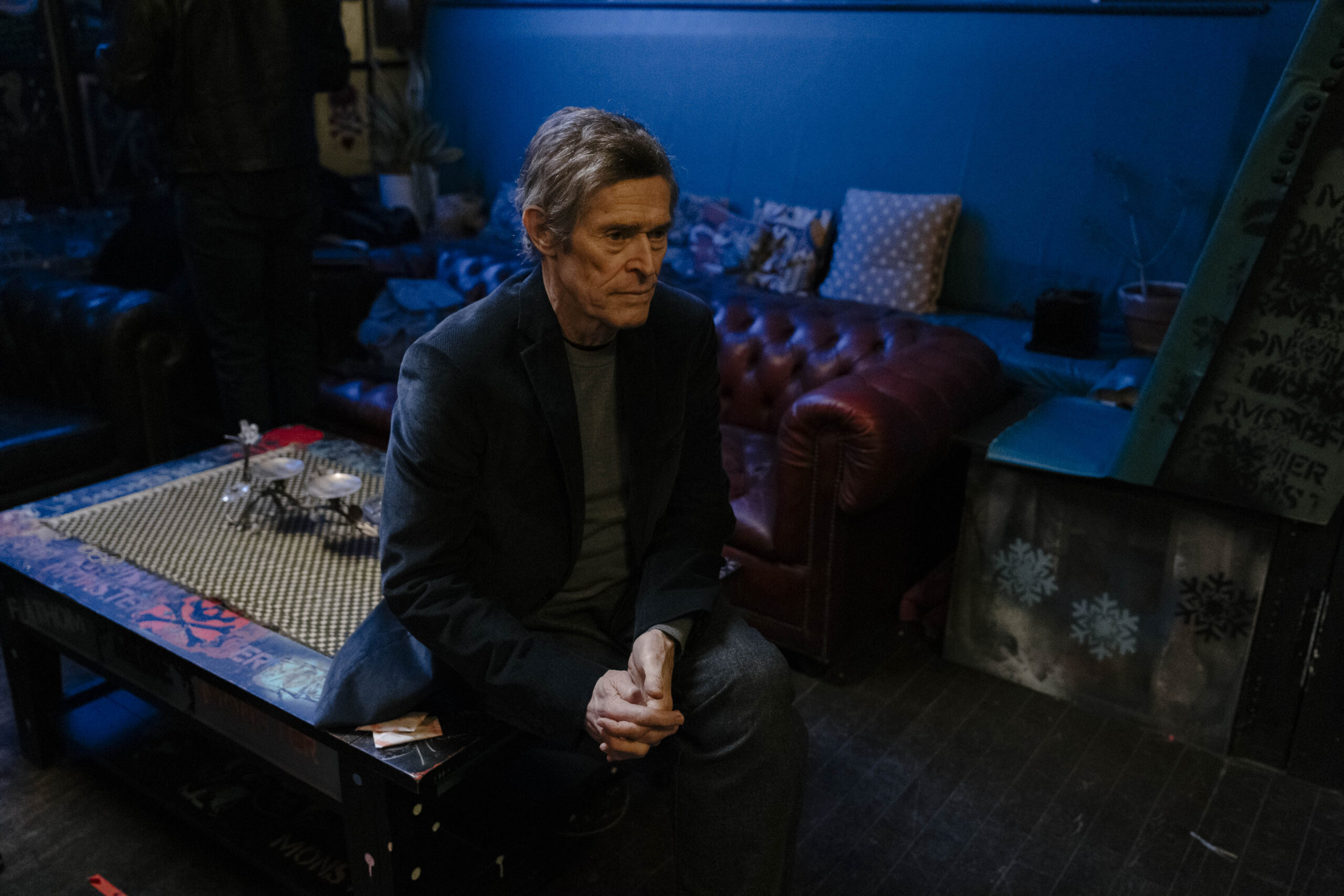
However, when he’s back with his friends, the film changes drastically in tone. Colours cool to blues and greys and environments seem darker. Gone is any sense of pretense or celebration, leaving the world feeling more grounded and gritty. Here, his friends simply refer to him as ‘Ed’, a man they’ve known well for the last three decades. They aren’t artists but neither are they villains. Instead, they’re everyday people in the everyday world, leaning away from any heightened sense of artistry.
This juxtaposition highlights the tear that’s taking place within Saxberger. On the one hand, he has lived enough of life to know what has meaning. On the other, he – like all of us – want to know that he contributed something that has mattered. Held in tension between these two worlds, Saxberger is left questioning what it means to ‘matter’. Is his contribution of the past enough? Or must he continue to mine his legacy, out of fear of remaining in the shadows once again? This conflict drives his character, asking some fascinating questions during an age of ‘infuence’.
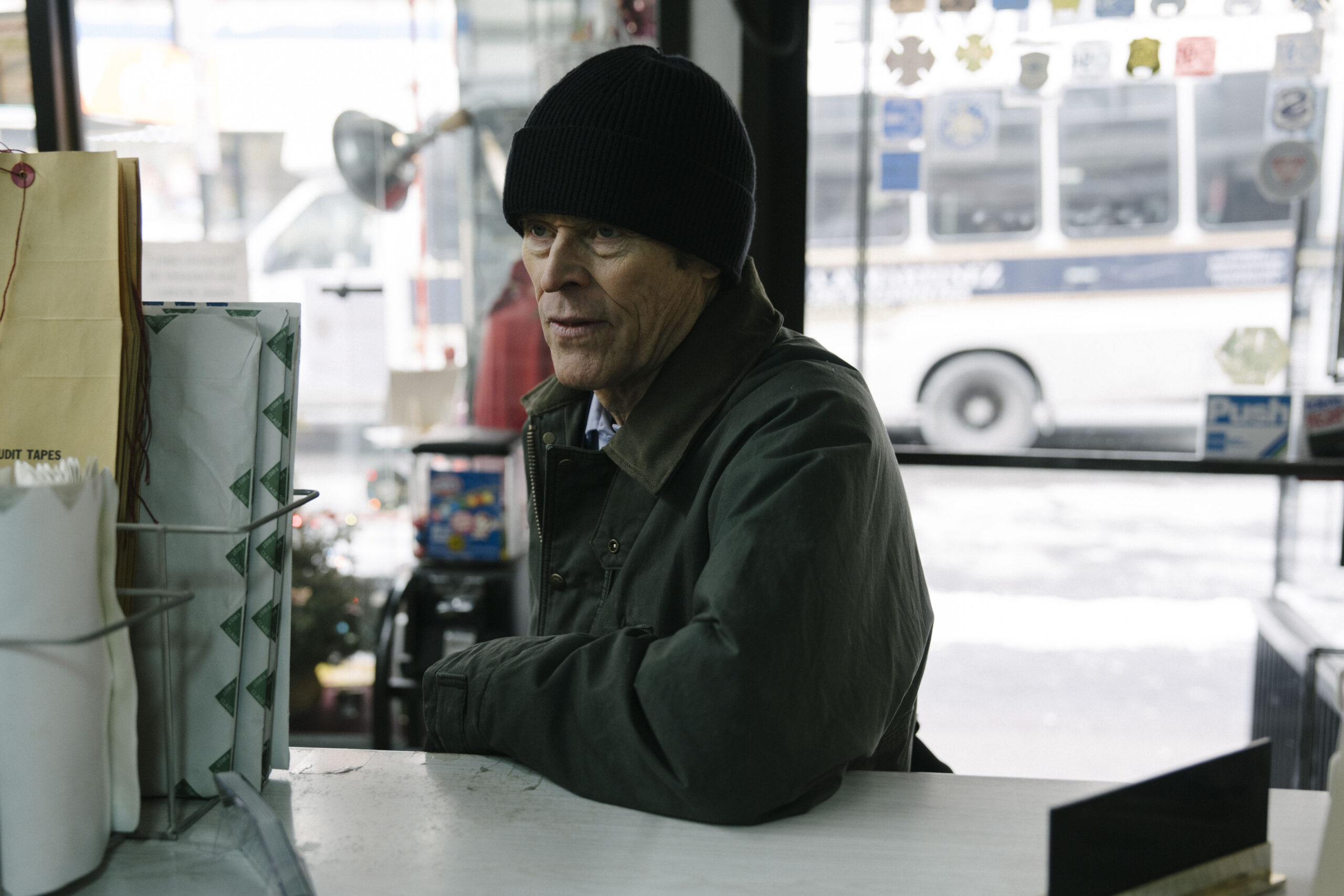
And one can’t help but think that there’s some piece of Dafoe within this character. Of course, the iconic performer is far from forgotten. Even so, the sheer joy of being treasured by those who have yet to fully discover his work must be something that he can relate to as an artist. On that level, Dafoe feels fully present as Saxberger. In every scene, he feels authentic and real. And we cannot help but fall in love with him.
Late Fame is available in theatres on Friday, August 21st, 2026.