Drac is back and, this time, he’s hungry for love.
Directed by Luc Besson, Dracula tells the story of a 15th-century prince, Count Dracule, who only has eyes for his beloved wife, Elisabeta (Zoe Bleu). However, after a tragedy takes her from him, the Count inherits an eternal curse. Broken by grief, he becomes destined to walk the earth throughout eternity in an effort to revive his lost love. Things seem hopeless for centuries, until he is told of the existence of Mina (Bleu, again), a young woman who bears a striking resemblance to his wife. However, while Drac pursues young Mina, a mysterious priest (Christoph Waltz) begins a mission to find her first and save him from Dracula’s deadly bite.
At its core, Dracula is deliciously pure Besson. As the director of such films as The Fifth Element, Lucy and Valerian and the City of a Thousand Planets, Besson has often leaned into excess with his stylistic choices and storytelling. There’s a certain campiness to his worlds that (can) make them delightful and Dracula embraces that tone with glee.
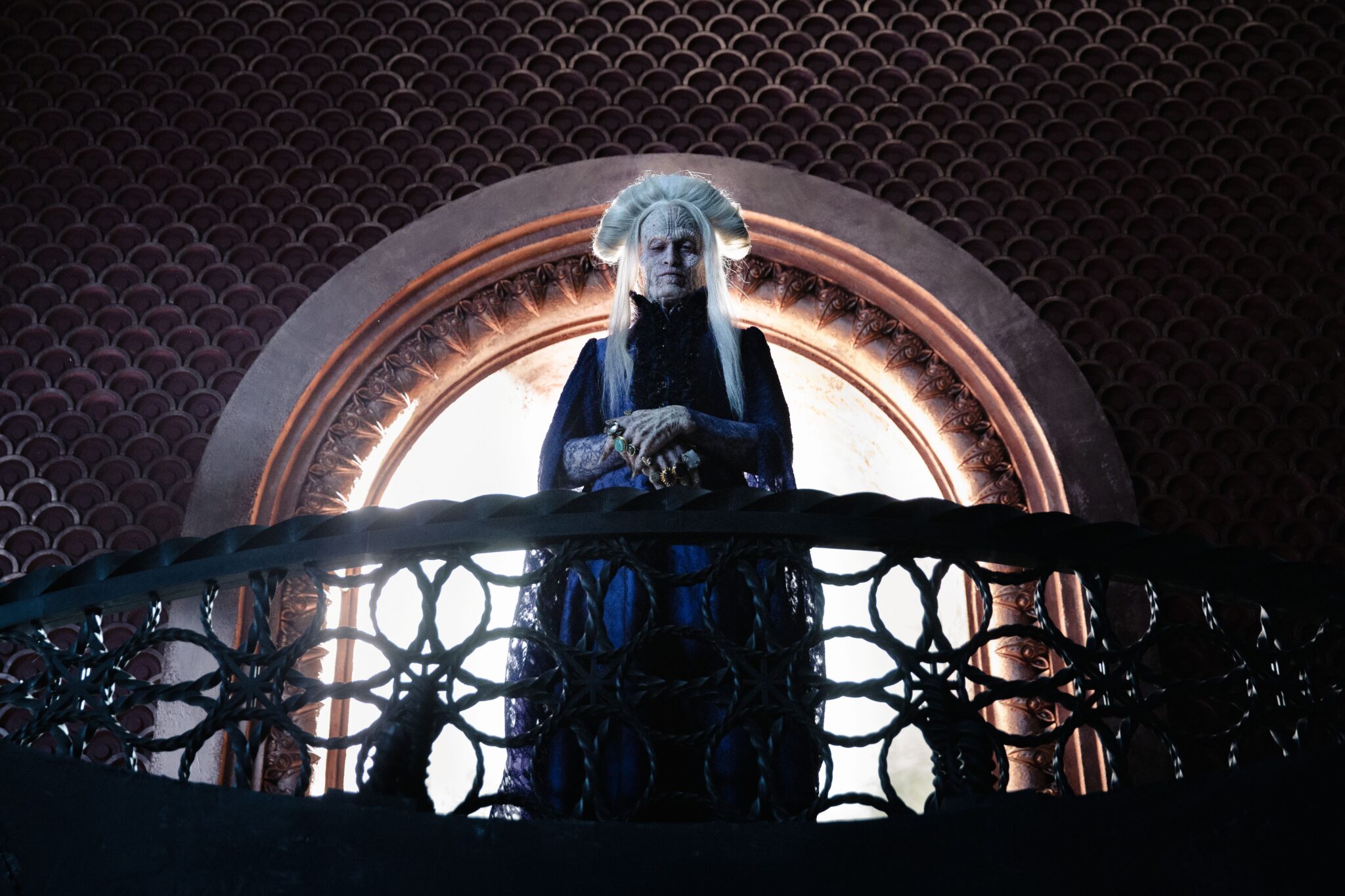
Here, the Prince of Darkness is anything but. In fact, compared to 2024’s Nosferatu, Besson’s world is decidedly cheery. The same wild visuals and stark colours that have marked many films of his career are on full display here, as Besson’s Dracula takes the vampire out of the darkness and into the light. (“The fact that vampires cannot exist in sunlight is a myth,” we’re told.)
Further, while other films have embraced the inherent sexuality that comes with Dracula’s story, Besson seems to elevate it. As a tale of eternal longing, Besson’s vampire may be a one-woman Drac but the film itself highlights the lustfulness of every bloody bite.
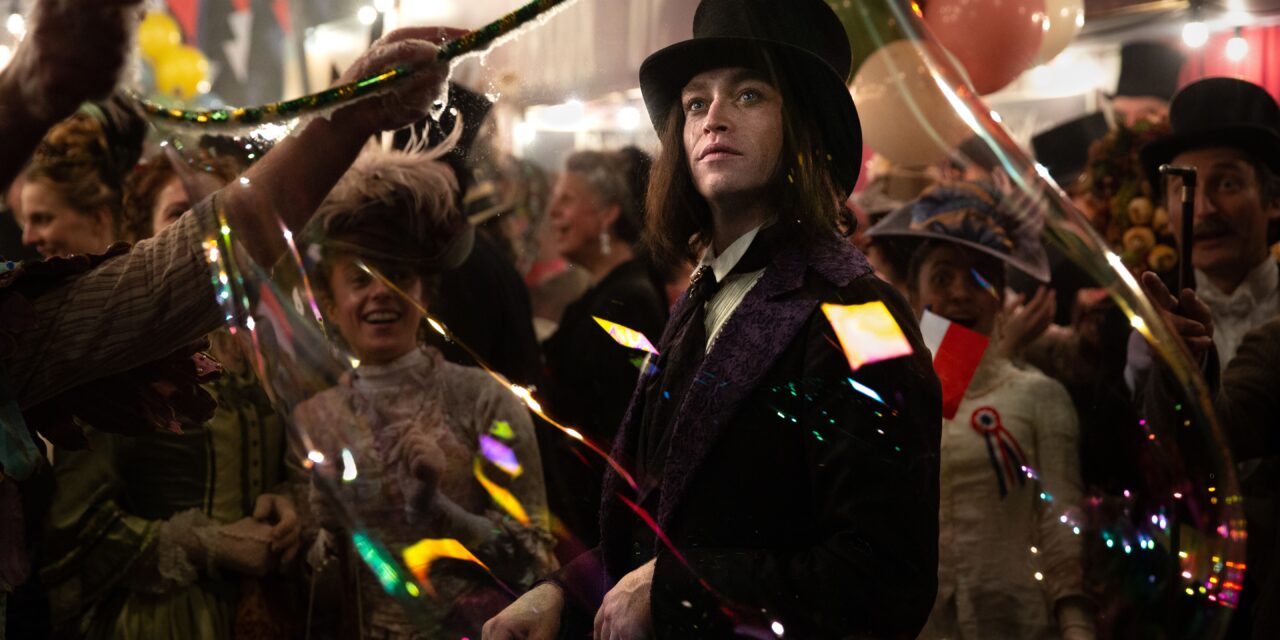
However, the most entertaining aspect of Dracula is the deliciously malicious performance by Caleb Landry Jones as the vamp of the hour. There’s a humanity to Jones’ Drac that makes him relatable. Though often painted as a villain, Jones brings out the heart (and heartbrokenness) of the heartless monster. In fact, despite his willingness to leave a trail of bodies in his wake, we’re empathetic in his search for his one true love. In essence, it’s been a long time since Dracula was this loveable.
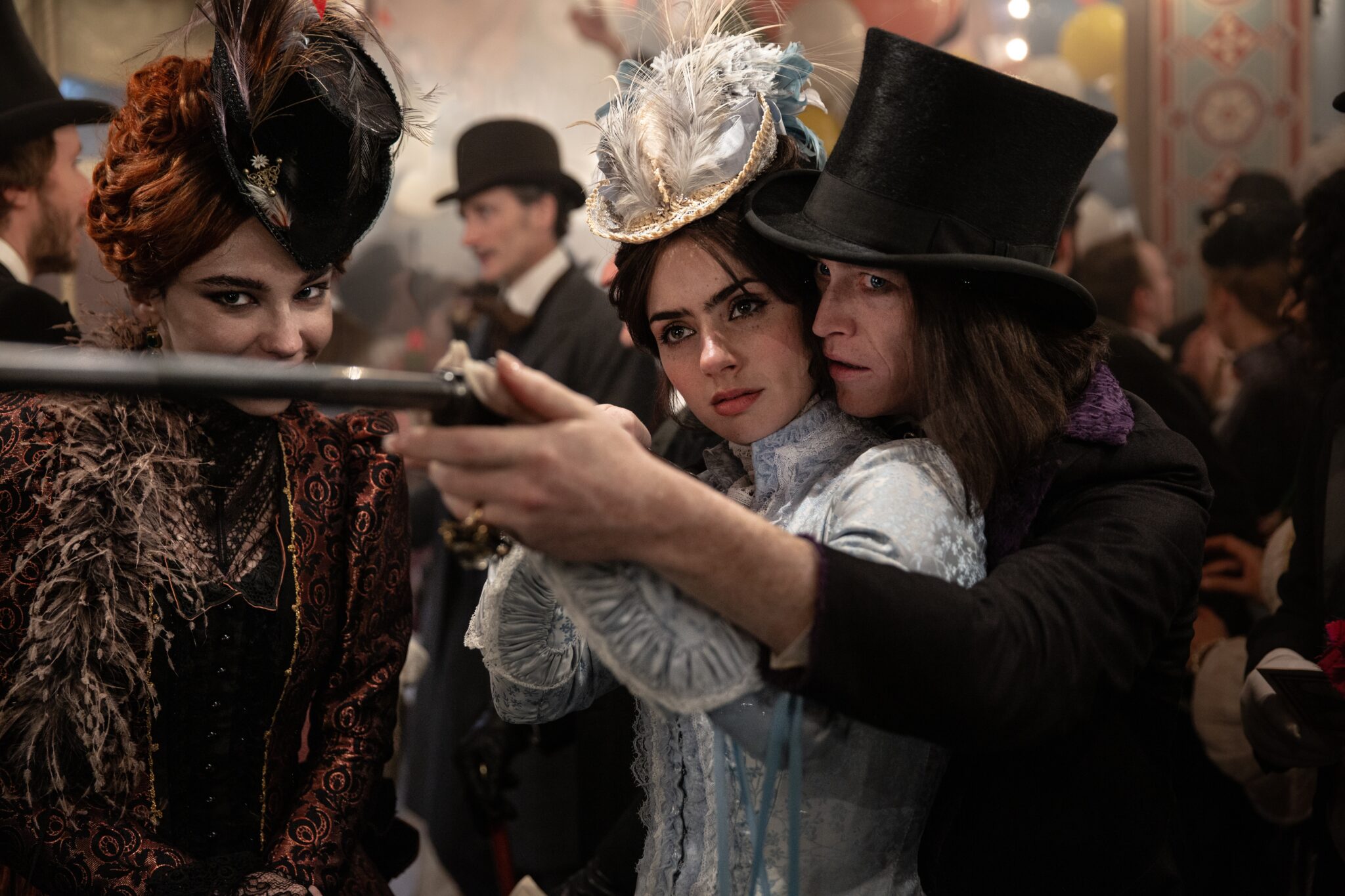
What’s more, the chemistry between Jones and Bleu’s Mina is undeniable. There’s a smoulder in their scenes together that burns with palatable heat. As Mina, Bleu’s character may have innocence behind her eyes but, when paired with Drac, her eyes turn darker with desire. Despite its horror roots, it’s the romance that bubbles to the surface, creating something that feels unique to the character’s legacy. (It’s worth noting that the original title for the film was Dracula: A Love Tale for a reason.)
It’s also worth pointing out that Besson’s vision for the vampire also sets up a fascinating reversal of power. Whereas most depictions of the character place the religious authorities as the film’s saviours, Besson flips the script. Here, they almost become antagonists to the Count’s quest, attempting to thwart his plans to reunite with his lost love.
In fact, God is blamed for tearing them apart in the first place.
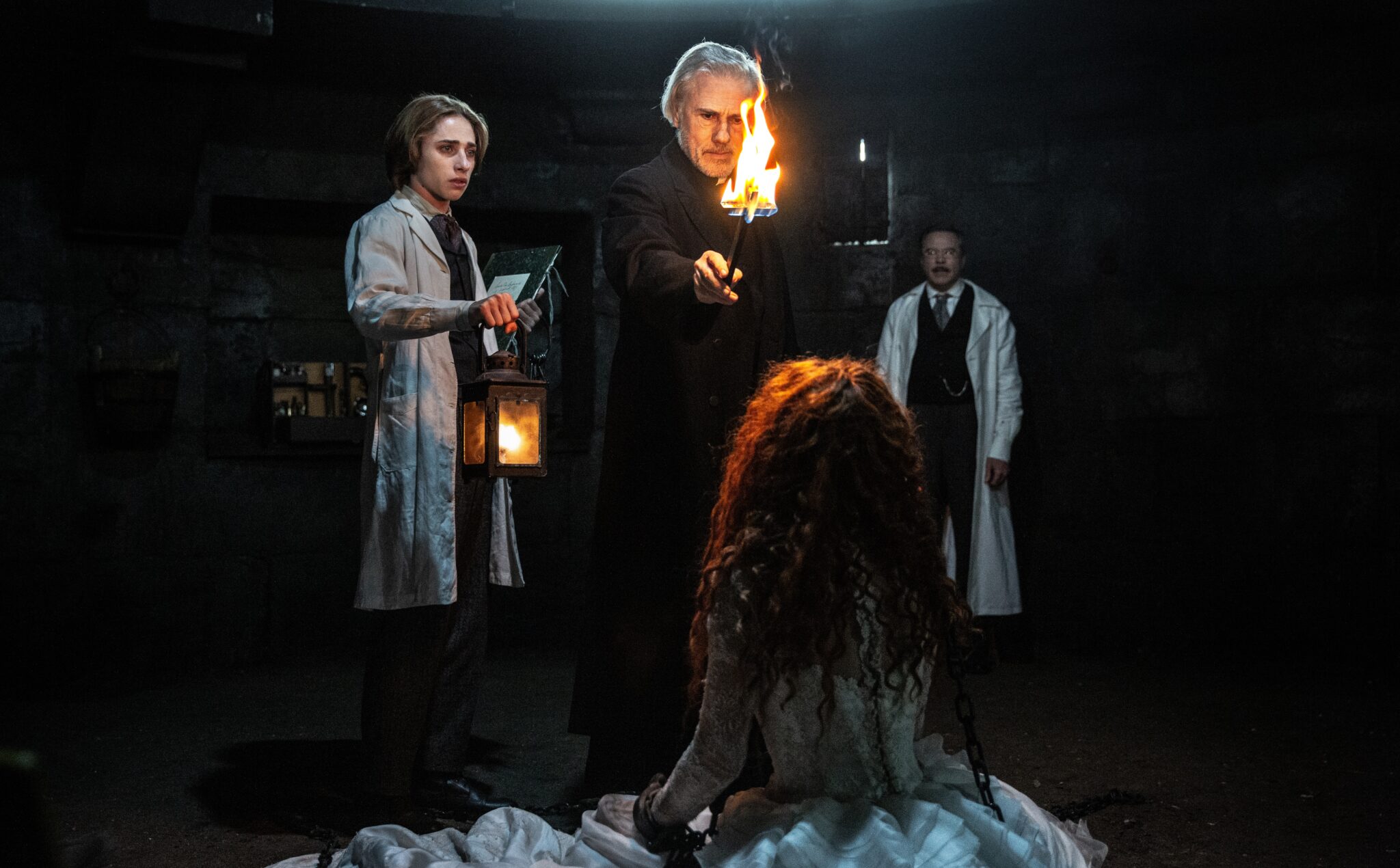
Without giving too many spoilers, this tension between love and faith becomes a fascinating exploration of the ways that people use ‘God’s will’ to justify their actions. Beginning in the Crusades, the Count’s turn to the dark side is inspired by religious indifference to his suffering. Dracula believes love matters eternally. His key priest isn’t as certain. As a result, even though Drac clings to his demons, so too does is he fuelled by love for his beloved throughout the years. And he believes that it puts him at odds with a God who refuses to value love above all. (“You think God will forgive us for loving each other so much?,” The Count asks.)
In the end, Dracula may not have the bite of some other, darker versions but it remains absolutely infectious. There’s simply something delectably delightful about Besson’s world that makes this a fascinating exploration into the humanity of one of literatures most famous villains. Every bit campy and strange as some of Besson’s other works, the film is never silly. (In fact, it takes itself quite seriously.) At all times, the film’s passion and intensity bleed through, creating a vision of the Count that ultimately has teeth.
Dracula is available in theatres on Friday, February 6th, 2026.