
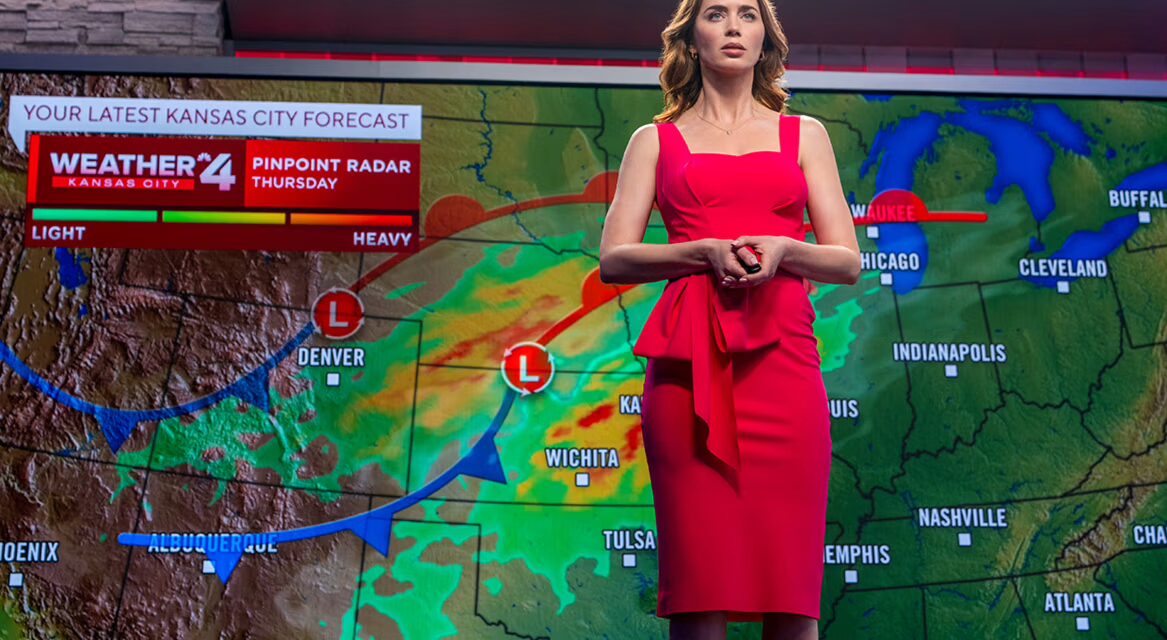
Disclosure Day is Spielberg’s foray into combining many of the ideas he has explored throughout his career: adventure, aliens, government cover-ups, journalism, and everyday people being thrust into something beyond themselves are all heavily featured. The film follows Margaret (Emily Blunt), a weather anchor who suddenly begins to know things she should not be able to know, finding herself in the middle of a manhunt for someone with similar uncanny abilities named Daniel (Josh O’Connor). The two are destined to collide in their mutual flight from Wardex, a powerful technology company whose files Daniel stole in order to expose what he believes is an essential truth for humanity.
Before getting into more of the story, I first want to highlight how excellent the craft and acting are in this film. Spielberg maintains the consistency he has always had in creating a professional, blockbuster-worthy experience with memorable performances. Emily Blunt, in particular, gets a role that demands high emotion in key moments and dials in the ordinary person thrust into extraordinary circumstances better than almost anyone who has taken on that role before. She is given some challenging scenes, fast dialogue, and long-take acting that blows you away with how effortless it feels. The music is more subtle than some other John Williams scores, but it still carries the classic Williams sound familiar to anyone who has watched films like Jurassic Park or Indiana Jones. While it sounds reminiscent of those earlier scores, there is also some new experimentation, and the music is lovely regardless. For those invested in the Oscars, a nomination would feel very appropriate for him.
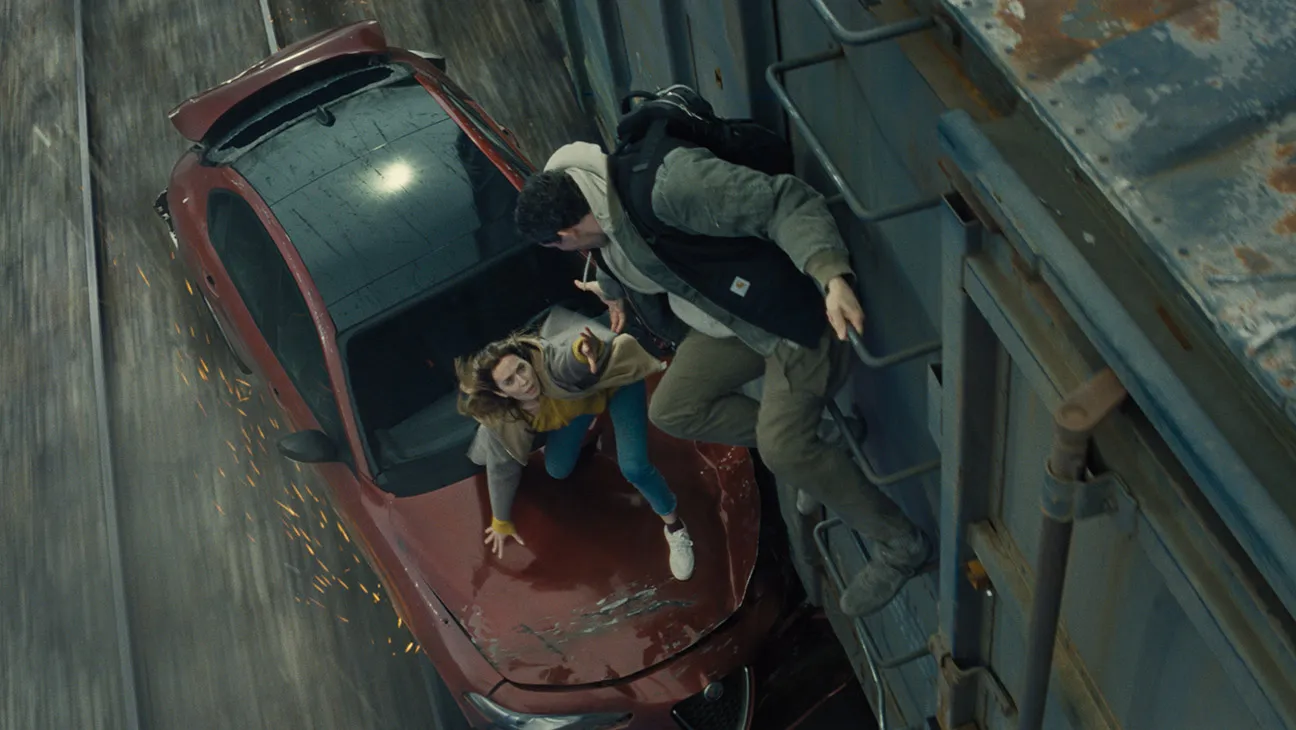
As always, and particularly as Spielberg has done with his last couple of films, Disclosure Day features really strong cinematography with wide frames. The colour grade is very reminiscent of what Spielberg and cinematographer Janusz Kaminski accomplished on West Side Story, which I think is one of the best-photographed films of the decade. This film does not feature quite as many mind-blowing shots, but it is still mightily impressive. The framing is exceptionally strong, and the long takes immerse you in the action, even during smaller-scale set pieces. It embraces a classic visual style in the way it lights and shoots locations, creating memorable shots with lens flares that stand out in an aesthetically pleasing way, alongside other filmmaking techniques that are genuinely fun to watch. These choices help sell the sci-fi concepts in a manner more akin to indie filmmaking, while still allowing the larger-scale sequences to impress.
The alien material itself feels as though it treads familiar ground, but Spielberg uses that to his advantage. He imagines a world where many of our probably inaccurate ideas about aliens are true, but focuses more on how a government agency might attempt to cover that truth up. This stripped-down alien concept also asks what the simple reality of extraterrestrial life would do to society, particularly when many people are shaped by religious beliefs that position humanity as the most important and only self-aware beings with souls in existence. How does an individual, or the world, reckon with another species being equally intelligent and possessing abilities beyond our own? Spielberg’s clear message is empathy. Not only does he suggest that humanity deserves the truth, but also that we should have the opportunity to learn, communicate, and open our minds to a world that extends beyond selfish personal interests, whether national or international.
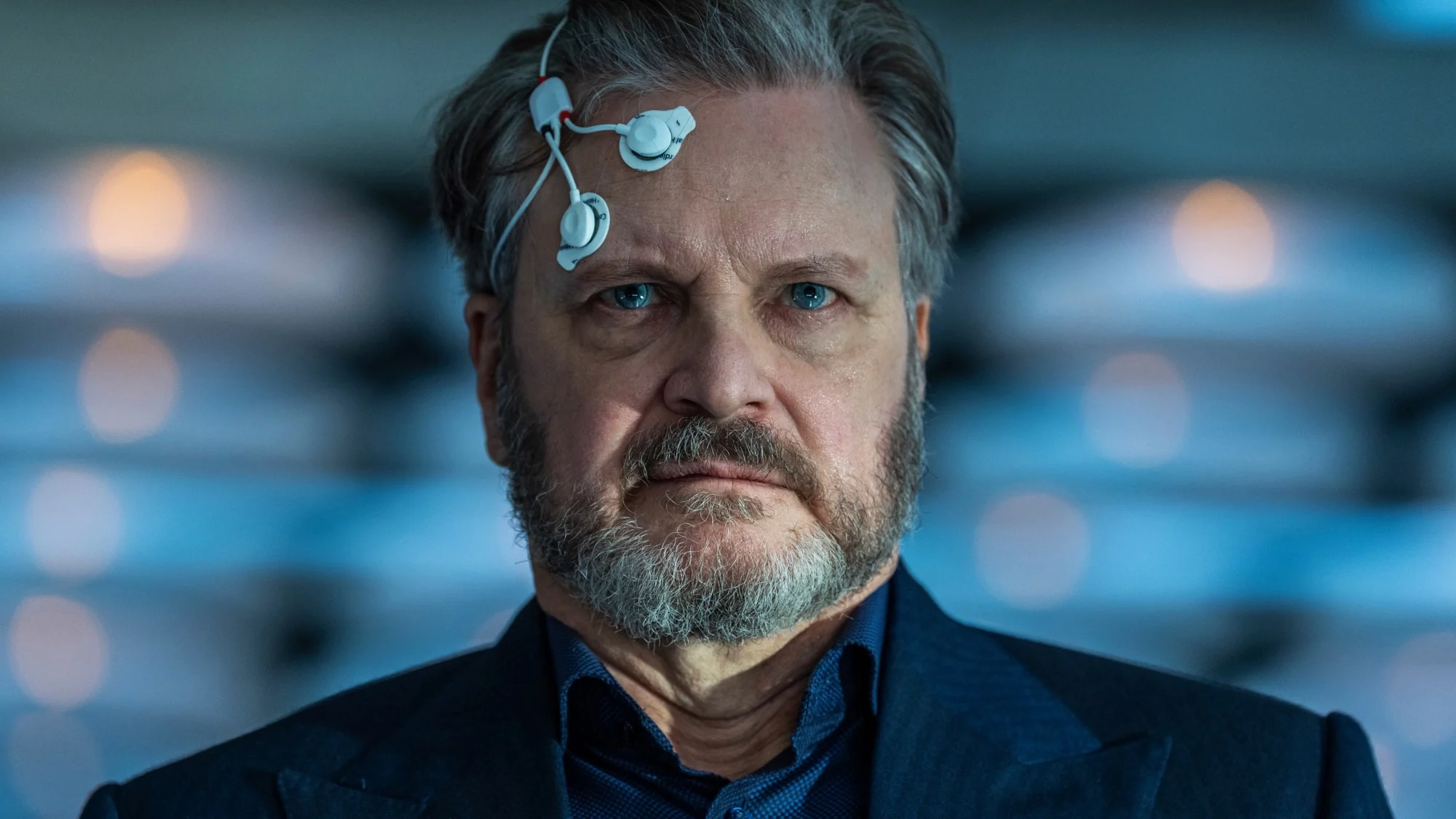
As the characters begin to see that when we stop viewing the world solely through a human lens, there is much more to discover. By acknowledging our possible smallness in the universe, we come to understand how important it is to respect and protect all that we have been given in this world. Empathy, as stated by Hugo (Colman Domingo), may be the only thing capable of saving a humanity in crisis, and that idea naturally resonates with many international situations in the present moment. Spielberg seems to hope that when we witness the devastation of another species in pain, we might recognize everything we should already be doing to prevent the needless suffering of our fellow human beings.
The film hints at these ideas throughout, but its entertainment value, which is high, is ultimately found in its cat-and-mouse thriller structure. At its core, the plot revolves around Daniel and Margaret attempting to reveal what they know to the world despite the immense power of the company determined to stop them. As a result, the philosophical musings remain concise. At its heart, this is still the kind of popcorn movie that made audiences fall in love with Spielberg’s films in the first place.
Disclosure Day is available in theatres on June 12th, 2026.