It can be hard to fully grasp the things of the past that make us who we are.
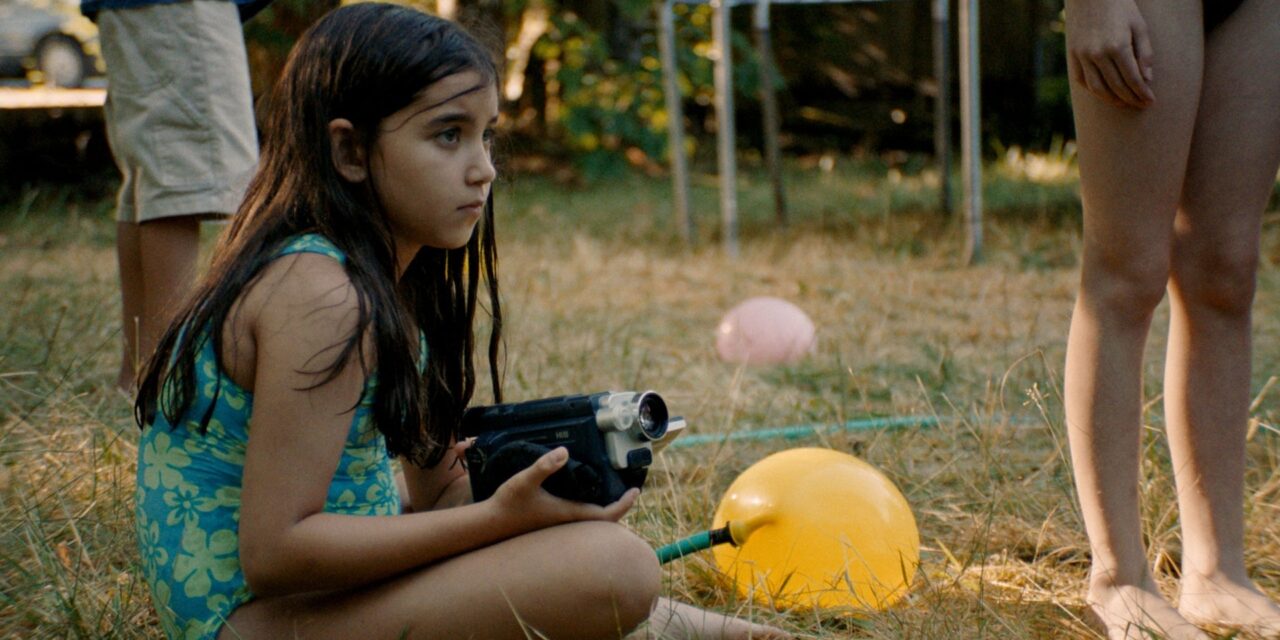
Directed by Sophy Romvari, Blue Heron tells the story of Sasha (Eylul Guyen), a young girl whose family has begun the process of settling into their new home on Vancouver Island. Sasha is full of life and quickly makes friends. But there’s something going on within her home that she can’t quite grasp. Her eldest brother seems ill and her parents seem stressed but Sophy takes everything in as best she can. As things begin to spiral, we see how her childhood leads her onto the path of adulthood in the future, shaping her in ways she can’t fully understand.
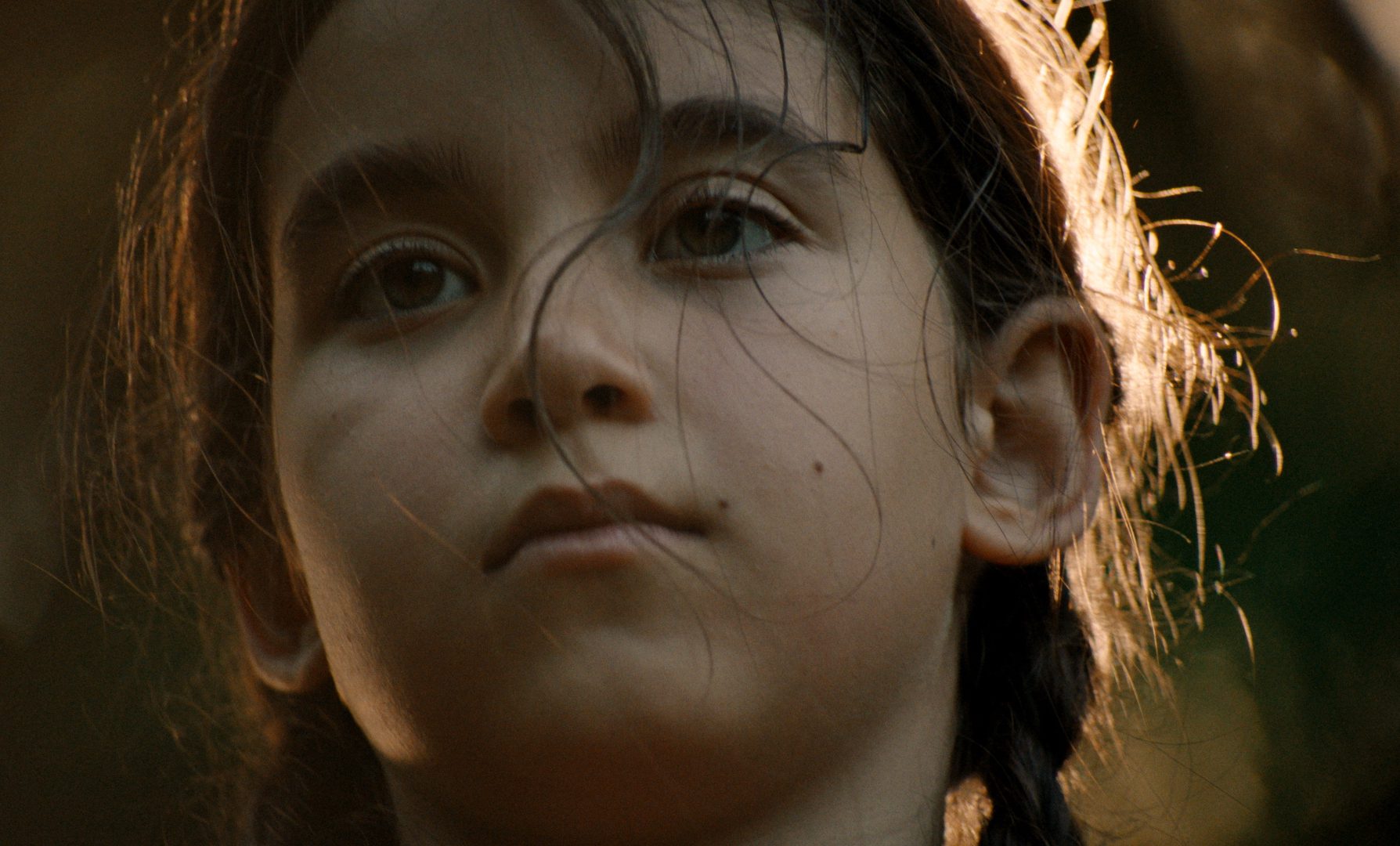
In Blue Heron, Romvari weaves a tale that walks the lines between truth and fiction with stunning results. This is a film that feels as much like a dream as it does reality. Tapping into the soul of her own memory, this journey into the countryside feels like an honest inquest into the brokenness of the past but never loses the innocence of youth. There’s a certain softness to the cinematography that feels warm – even inviting – but we also understand that all isn’t right. This home is meant to be a safe space for this family but this tranquility is slowly eroding at the same time.
And it’s that conversation about memory that makes Blue Heron such a fascinating experience. Told through the eyes of young Sasha, we watch as moments take place without context.
Well, that’s not entirely true.
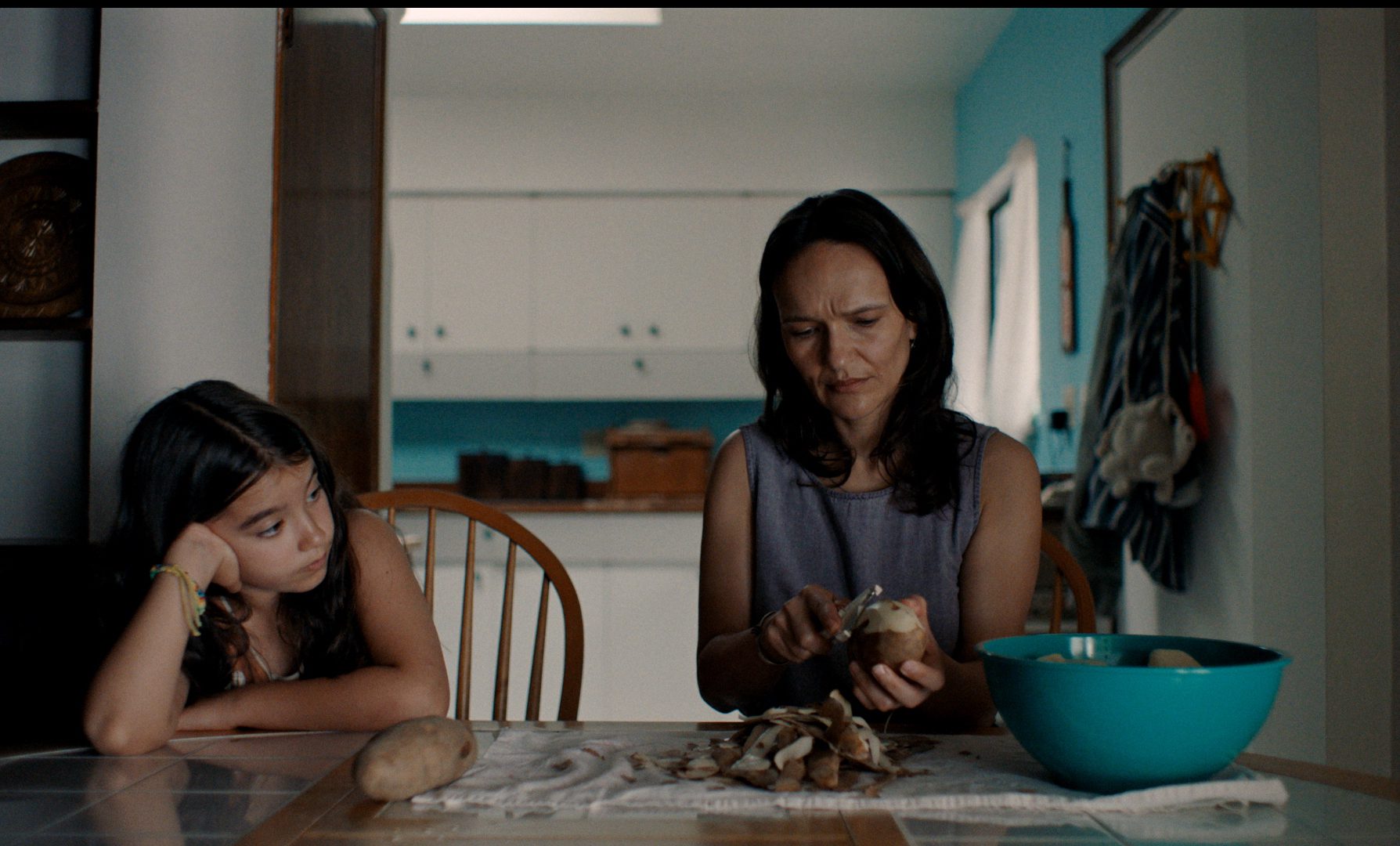
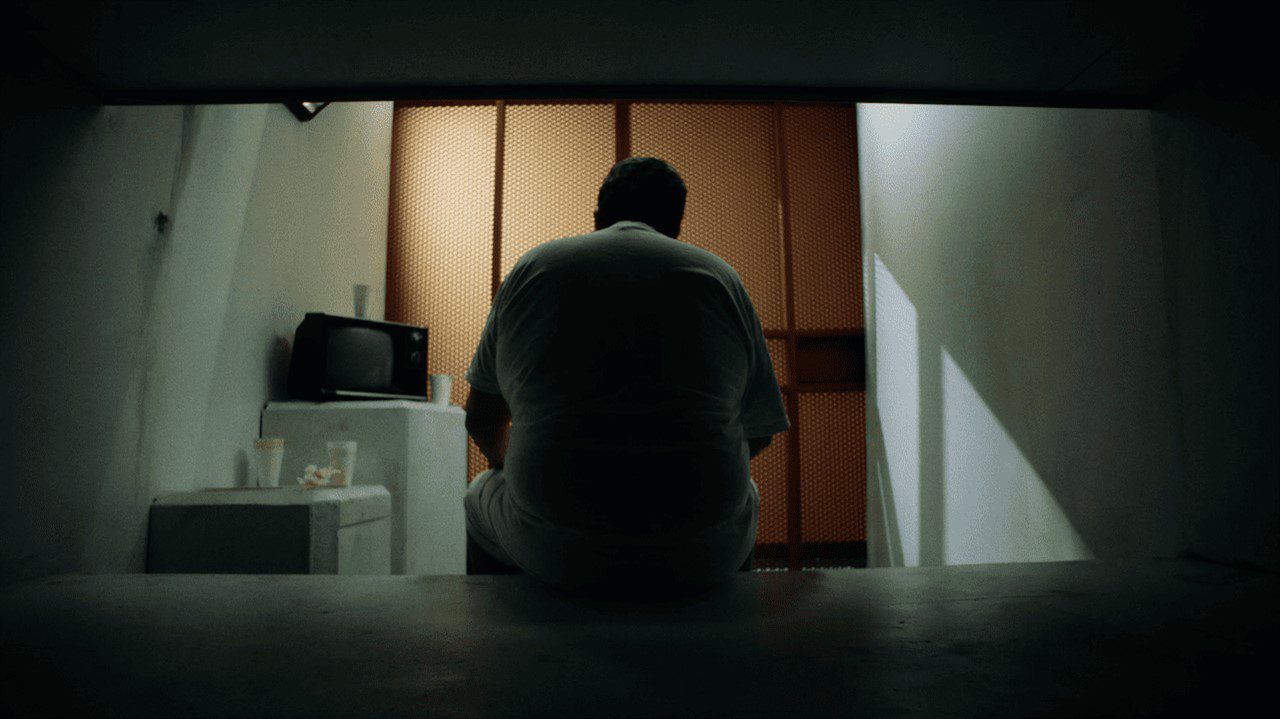
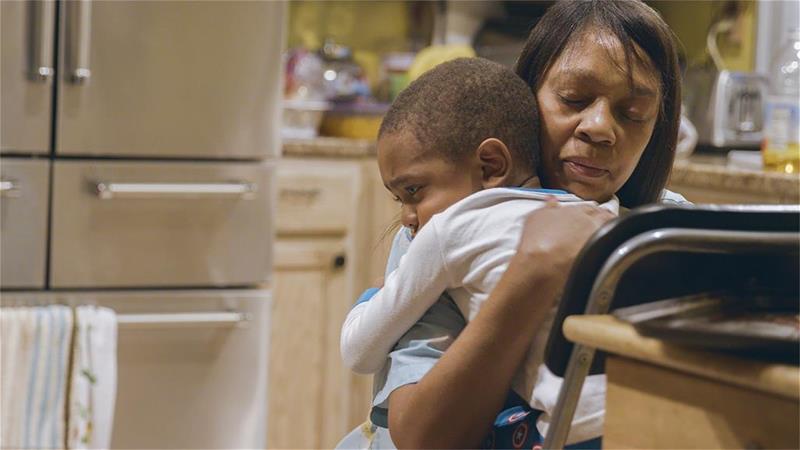
The truth is that every difficult moment is fairly easy to read… as an adult. We witness the traumatic events that unfold and (mostly) understand what’s taking place. We watch as her parents struggle to fight for their son’s mental health. As he continues to spiral, they become increasingly helpless. They’re not bad people. They’re simply… lost. They are willing to do whatever it takes to help their eldest but are unable to penetrate his depressive state. These scenes bear the weight of parental burden… yet remain filtered entirely by Sasha’s innocent lens.
For Sasha, this era of her life simply feels like a space of confusion; fleeting instances of her childhood that hurt but she doesn’t fully understand why. (In some ways, these moments mirror Sean Baker’s The Florida Project, another film about childhood trauma.) She understands that her brother is ill. She understands that her parents are worried.
She just doesn’t understand why.
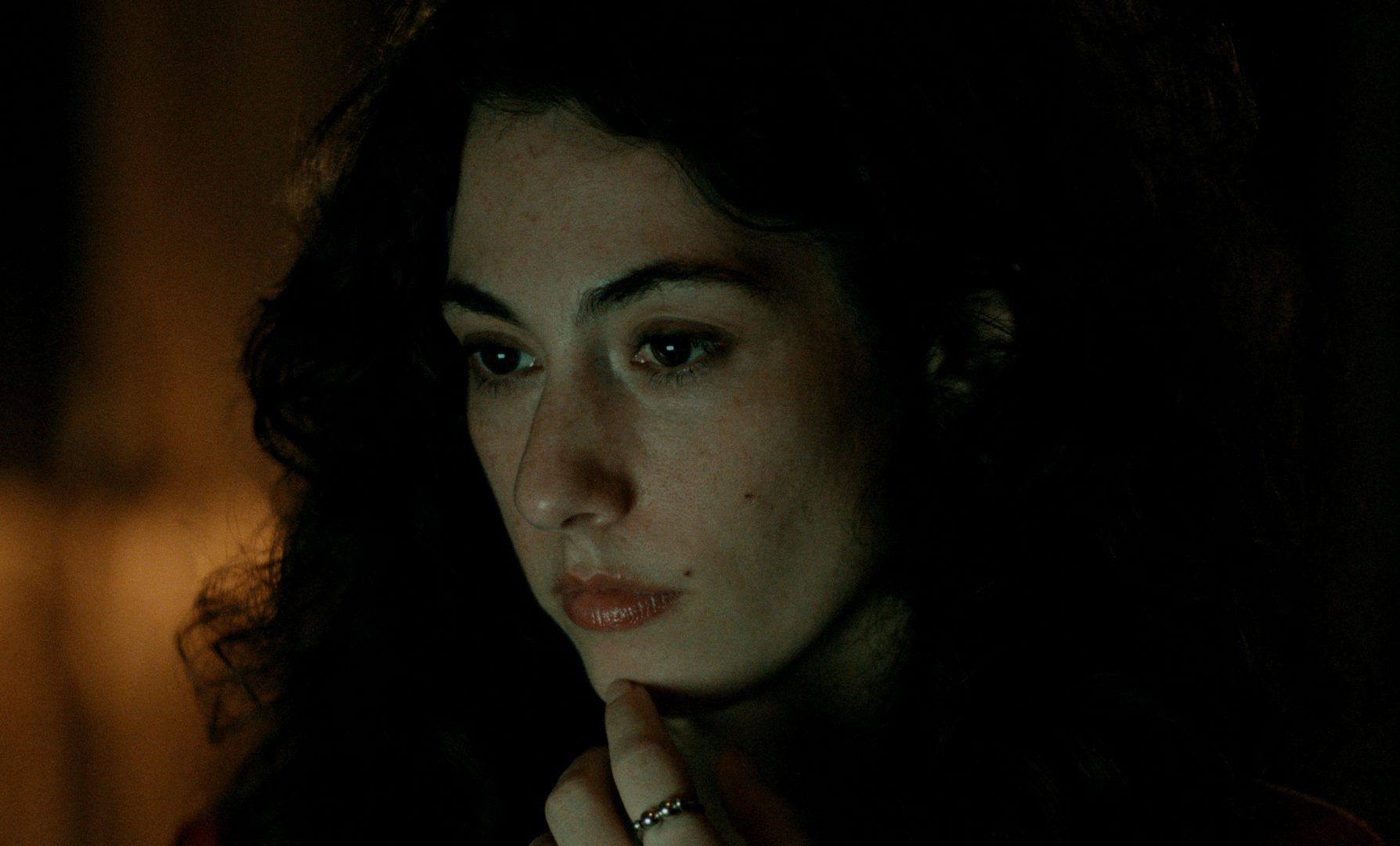
Though Romvari doesn’t leave the viewer here either. By shifting the lens into the future, we also gain the insight that comes from Sasha’s adulthood. There are indications about how the home of her youth have shaped her passions and pursuits. We recognize the echoes of what she felt during that time of her life. But even Sasha isn’t entirely sure about what took place (or how). All she knows is that she experienced it.
As a result, Romvari’s film expresses the complicated relationship that we have with the memories of our childhood and youth. Every experience shapes us yet remains tainted by time itself. The pain that Sasha feels is very real. It leaves a mark on her soul that it undeniable. Even so, the details of those spaces can become blurred as time passes.
This tension between history and whimsy make Blue Heron something special to behold. Bouncing between joy, sadness and perplexity, Sasha’s journey serves as a reminder that the best (and worst) moments of our lives are often tempered with layers we have lost or simply couldn’t understand. Yet that acknowledgement somehow feels like the most honest of realizations for us all.
Blue Heron is available in theatres on Friday, April 24th, 2026