
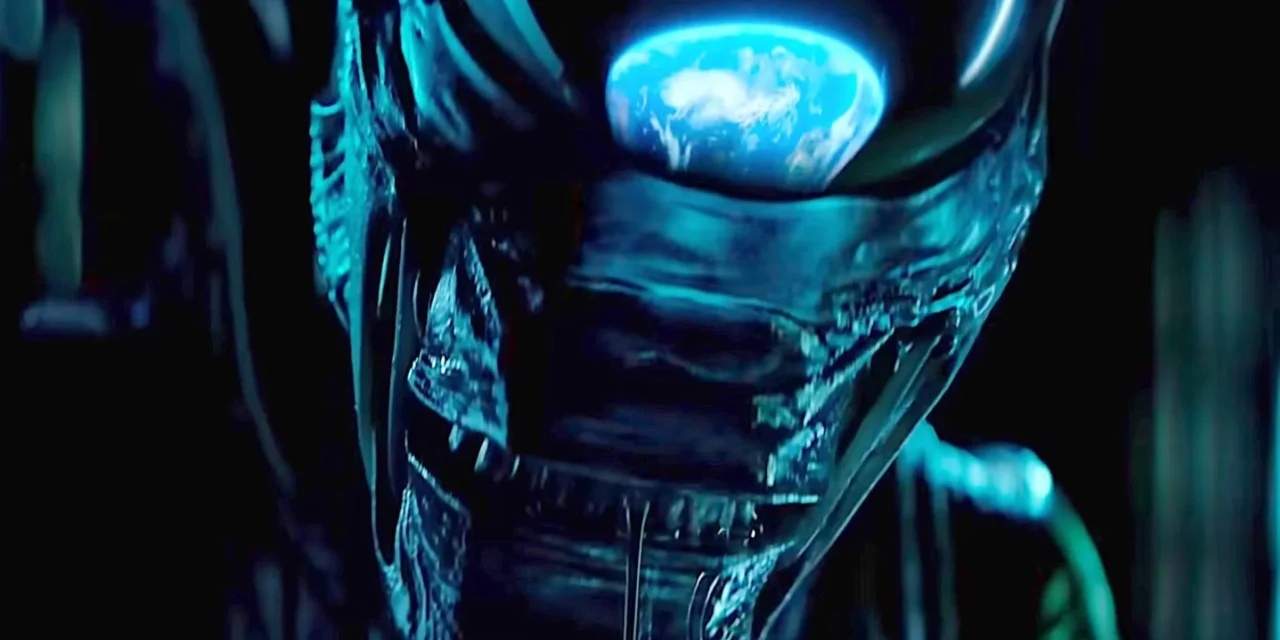
After over 45 years, the Xenomorphs are finally coming home.
It’s been a fairly rough go for the Alien franchise over the last thirty years. Similar to the Predator franchise,Alien has watched as several intended revivals fell flatly with audiences. After the atrocious Alien vs. Predatorfilms, Ridley Scott attempted to breathe fresh air into its lungs with his (perhaps underrated) Prometheus and Alien: Covenant prequels. Even so, none of these were viewed as effective extensions of a franchise that seemed to have worn out its welcome.

But, after Disney’s acquisition of Fox was finalized, the world of Alien suddenly became one worth revisiting. With the release of last year’s entertaining Alien: Romulus, Disney showed genuine promise with its reimagining of LV-426. Featuring some solid action sequences, Romulus was a nostalgia piece that still managed to stand on its own. (Ironically, with the release of Prey, the same has also been the case with the Predator franchise.) But, with the release of Noah Hawley’s Alien: Earth on Disney+, the franchise hasn’t just rested on the joy of the past.
It’s charted a new course for the future.
As Alien: Earth begins, we meet with the birth of Wendy (Sydney Chandler), the first of a new brand of human/cyborg hybrids who is just taking her first ‘breath’. As she’s learning how to function properly, a mysterious space vessel crash lands on Earth, forcing tactical soldiers into action. During the ensuing search for survivors, Wendy and the military encounter a predatory life form that proves to be more terrifying than they could have imagined. As they fight to survive, they also must consider how to contain the ‘asset’ without changing planet Earth forever.
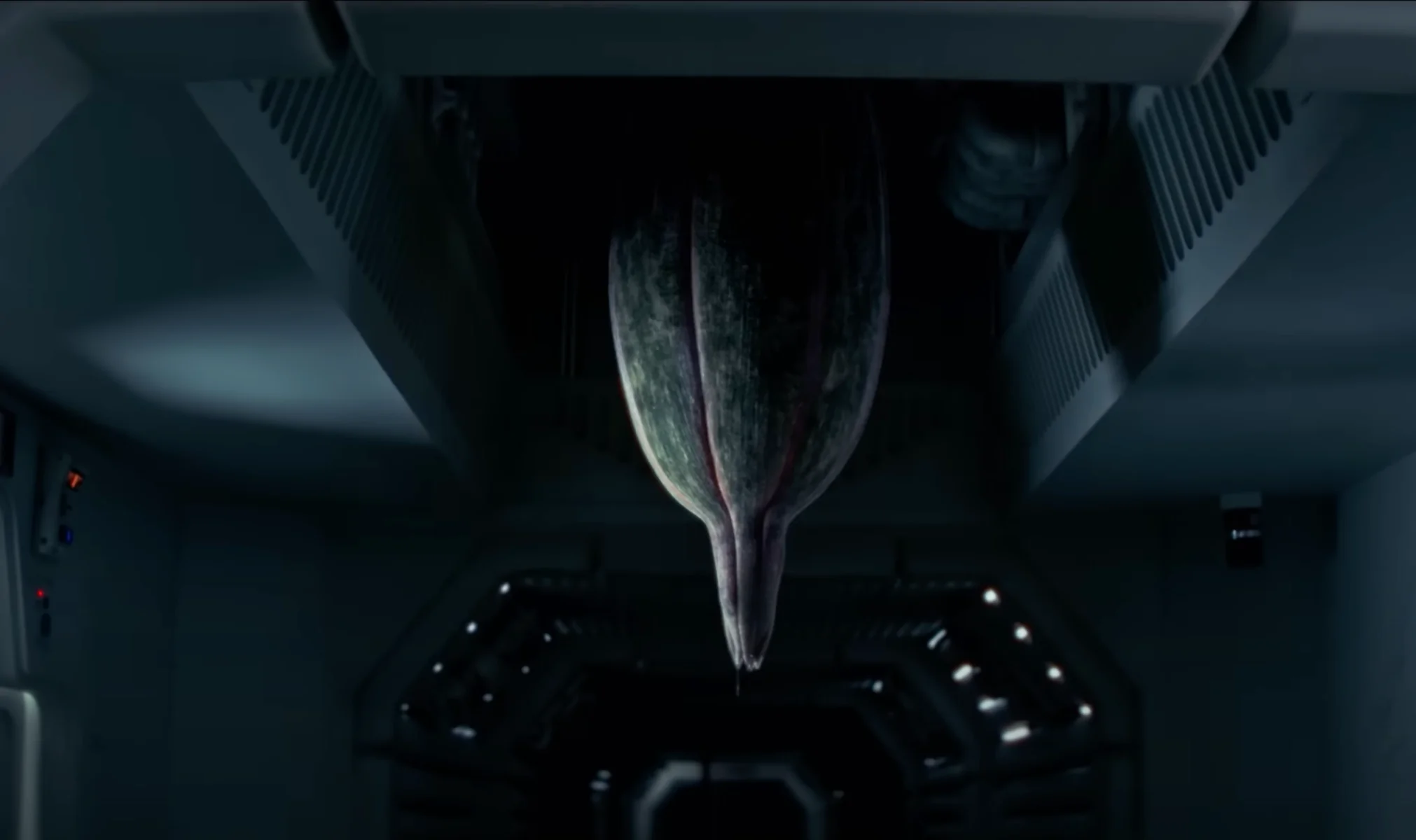
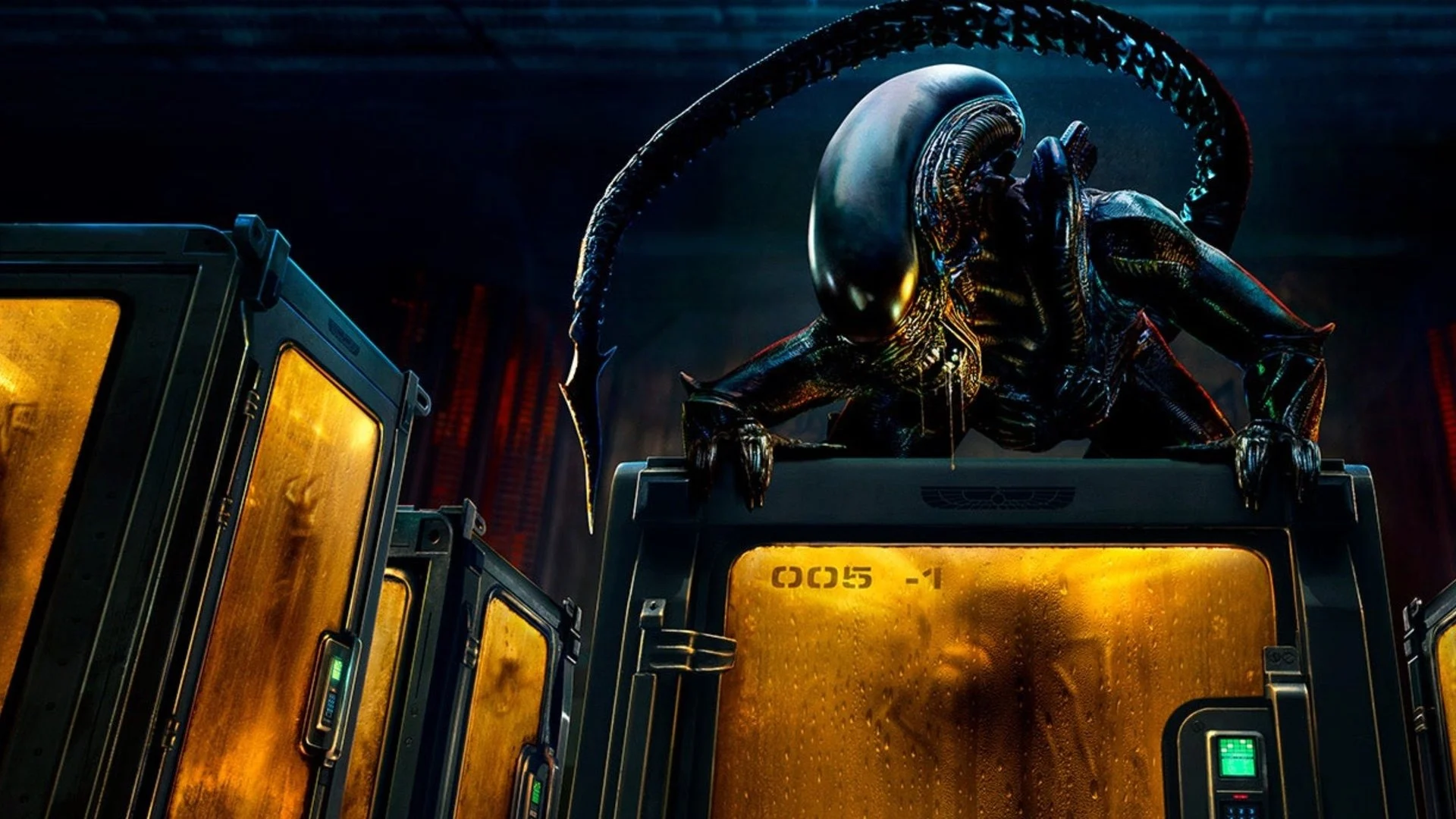
Frankly, it’s shocking how effective Hawley’s vision of the Alien universe is in this revival. There’s something about this series that feels entirely fresh. Yes, Earth has all the tropes that we’ve grown to love from the Alien universe. Face-huggers, synthetic humans, chest bursting and xenomorphs are all par for the course at this stage in the franchise. But, Hawley manages to weave enough new elements into his story that he’s able to make the expected moments matter even more. As a result, Alien: Earth is not just great sci-fi / horror storytelling.
It’s just plain great storytelling. Period.
Operating on a slow burn, Alien: Earth is in no hurry to get to the moments that we all know and love. Instead, with the added runtime, Hawley invests fully into the world and its characters. Taking a franchise that has bordered on self-parody in recent years, he takes his world seriously and fuels the intensity of the environment. At long last, the Alien world is scary again. However, it’s not just because of the impending threat of alien violence. Instead, Earth becomes more terrifying (and relevant) because of the horrors of corporate greed and corruption. While the xenomorphs remain the primary discussion, it’s the franchise’s political realities that always kept it grounded in our time. Hawley understands that these elements of ‘company policy’ have always been the true villains of the franchise and he ensures that they’re central to his storytelling.
Furthermore, Hawley uses Earth to capitalize on the current conversations surrounding AI technology. While androids have always been a part of the franchise, the series continues to blur the lines between man and machine. By merging the innocence of children with the brutality of technology, Hawley balances our love of progress with the ethical ramifications of losing ourself within it. (Plus, without giving spoilers, you’ll never think of Peter Pan in quite the same way.) In essence, even though the series traditionally takes us to the farthest reaches of space.
It’s now, finally, showing us the fears embedded in our own home.
But Hawley never fully abandons the viewer in the darkness either. By experiencing life through the eyes of “children”, he’s still able to offer a sense of hope to the otherwise darkened world. Make no mistake. Alien: Earth is willing to take the gloves off when given the opportunity. At the same time though, it doesn’t entirely abandon its sense of optimism either.
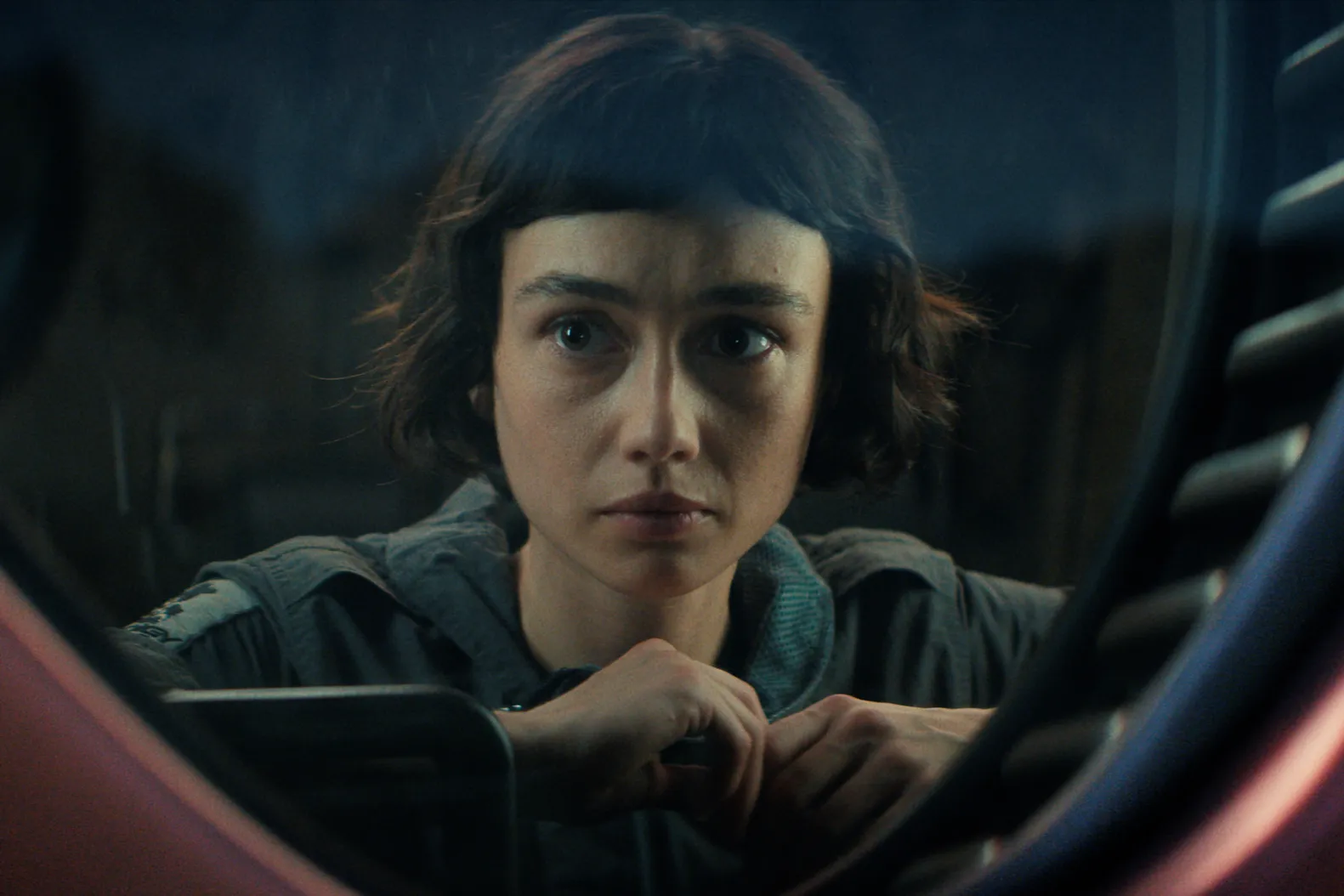
Credit must also be given to a delightful performance by Chandler. Since Sigourney Weaver’s iconic turn as Eleanor Ripley, the Alien world has always been built upon strong performances by its lead women. And, thankfully, Weaver suits the role well. Although her performance as Wendy demands more innocence behind her eyes than those who came before her, Weaver manages to convey an inner strength that demonstrates furious courage. Despite her obvious immaturity, Wendy remains a capable leader and Weaver never allows us to forget it.
For reasons like this, Alien: Earth is more than simply a return to form. Hawley doesn’t merely take the instead toys out of the chest to play with. Instead, he takes them out, looks at them and finds new ways in order to use them that feel surprisingly relevant. Easily the best reimagining of the franchise since the original trilogy, one can’t help but hope that Hawley is given the keys to Weyland-Butani’s vast fleet of ships for another scientific expedition gone wrong.
The first two episodes of Alien: Earth begins streaming on Disney+ on Tuesday, August 12, 2025 with new episodes weekly afterwards.