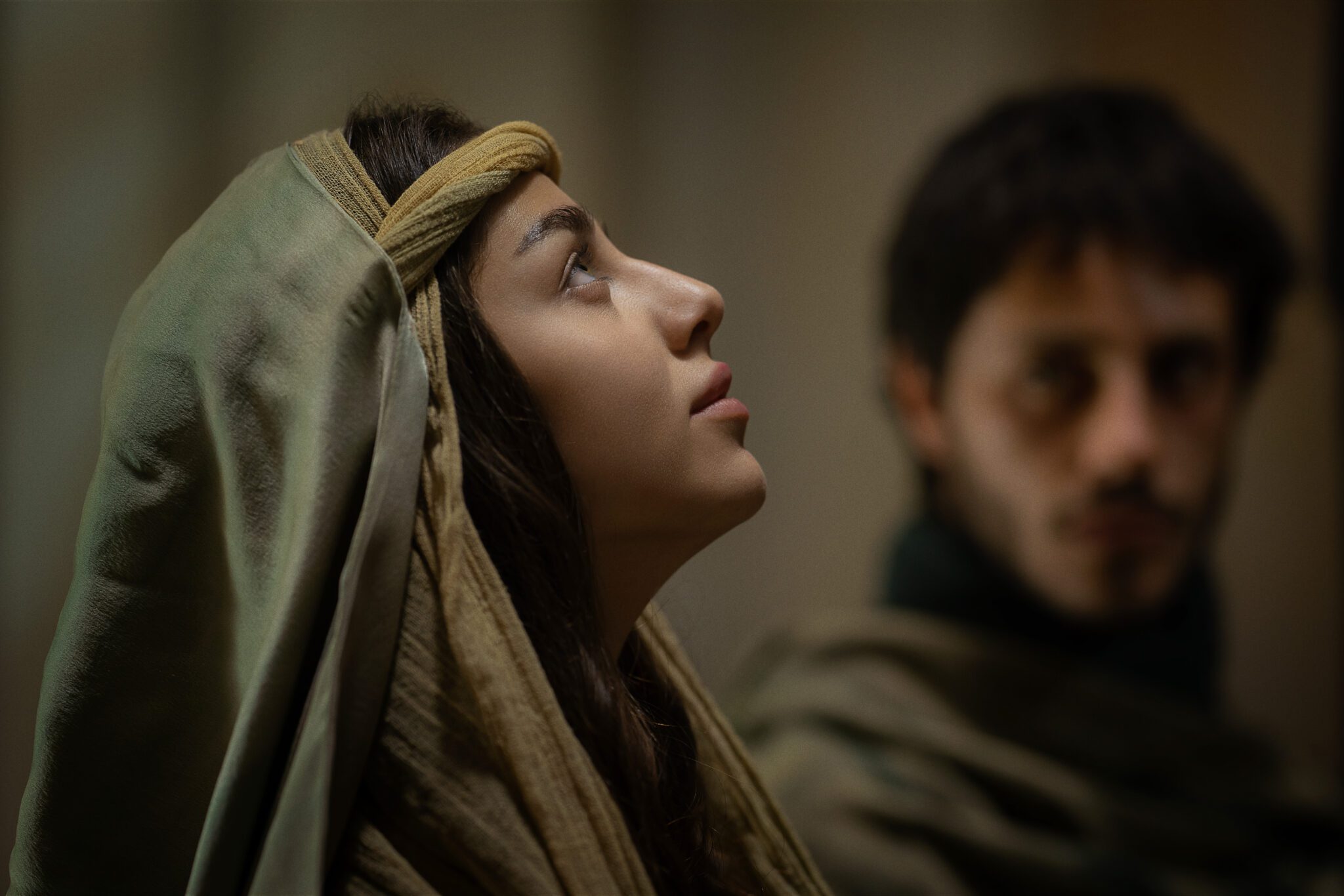
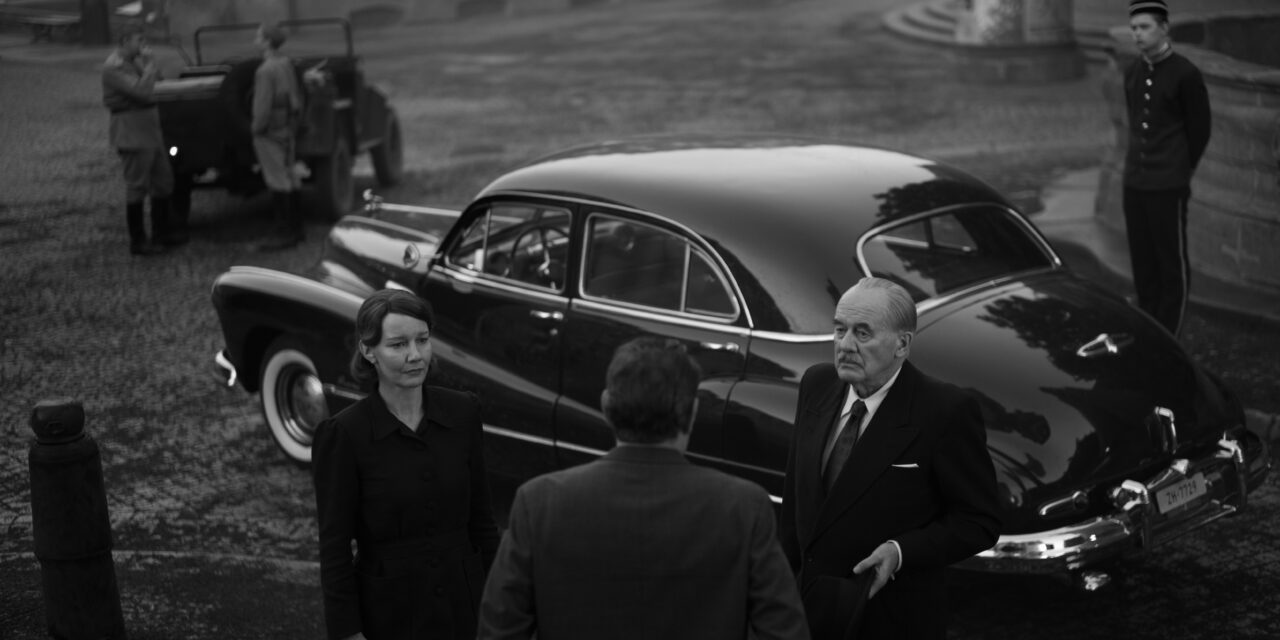
Fatherland follows Erika and Thomas Mann (Sandra Hüller and Hanns Zischler) as they return to Germany after World War II. As one of Germany’s most respected and widely read authors, this is a homecoming for Thomas. However, given that his home has been torn apart by fascism and war, there is no massive fanfare. The pair then confront Thomas’ desire to travel east to honour a late German maestro, where the communist regime and the political attitudes they have taken away from their time in America may not be met with compassion by either side of the divided world.
Unconventional for many dramatic films, this film fully embraces the idea that it is not depicting the most extraordinary moment of a person’s life. Rather, it plays as an epilogue to the life of a writer whose acclaim and past actions have earned him a comfortable place in the aftermath of World War II. His story brings him into the aftermath of something he quickly realizes was so much greater than anything he has ever created, and the effects of the war linger in every nook and cranny of the new Germany that remains. You can see on his face that he feels as if his life has passed him by, just as the devastation of war has erased some lives and left so many others in despair. The film boldly chooses to focus on him and Erika, not because they represent the typical German experience after World War II, but precisely because their experience is so different.
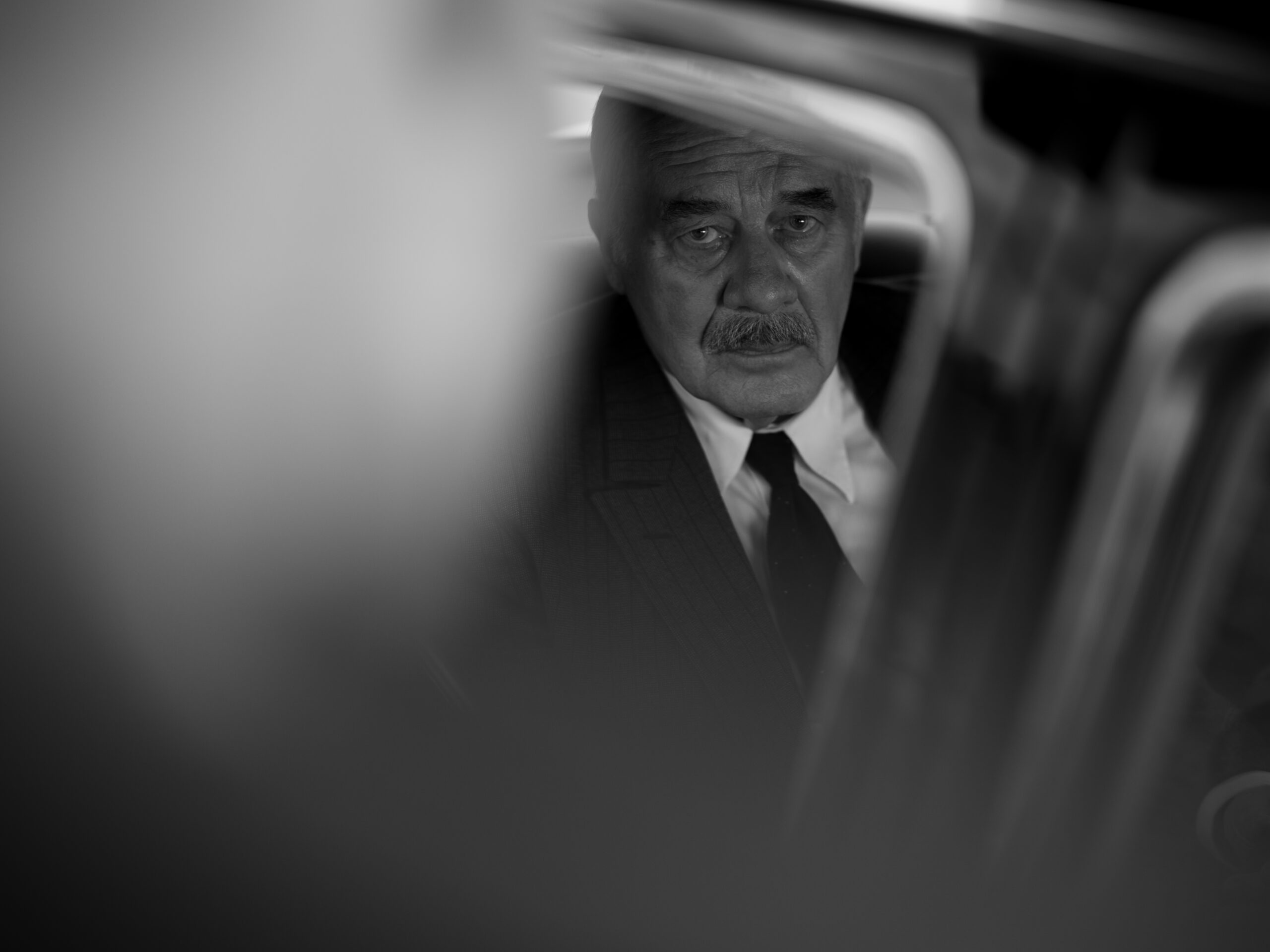
He still clings to that which was revered in German culture as his guiding point, as his journey takes him to East Germany. It is a decision that has future ramifications not only for him but also for his loyal daughter, who stands by him as perhaps the only one capable of guiding him. She gives him a voice in English and French that he does not possess and, therefore, becomes his more articulate voice to a world that looks upon Germany as the centre of the modern conflict between communism and capitalism.
Often, scenes feel as though you are entering the house of a ghost. When the pair first arrive in Germany, the black-and-white cinematography captures this feeling well. There is so much blankness to the photography of the buildings that no details of character or life seem to remain.
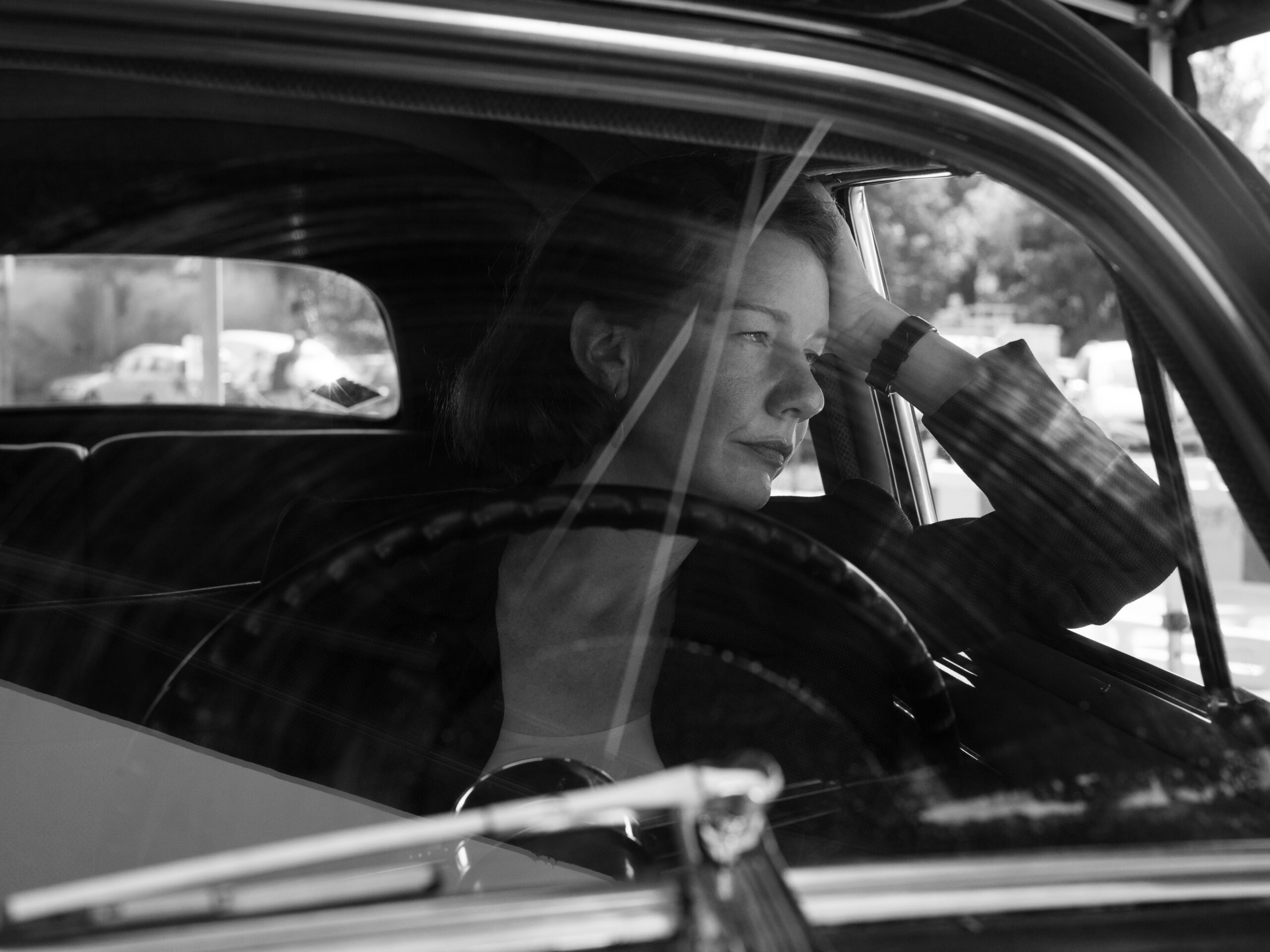
We see that this feeling of coming into a world that feels more post-apocalyptic than normal is a shock brought on by the aftermath of war. This remains true not only for Erika and Thomas but also for another key character whose presence lingers over the film’s events. It’s something that bewitches Erika and Thomas, as their persistent guilt stems from both leaving Germany and not being present with some of the most important people in their lives.
The performances from Sandra Hüller and Hanns Zischler are subtle but exceptionally executed and detailed. Hüller, especially in the first half or so, has more agency. Her perspective is logically the most interesting, and staying with her is a wonderful creative choice. As the witness and thinker in the midst of her father Thomas having to greet so many people, give speeches, sit politely at dinners and try to get away from it all when he can find some peace, she is the one who reflects and has to confront more personal demons. Since Erika is freer to roam around, she offers a much more diverse perspective. She sees more and also has more time to think about the lingering sense of grief and despair that hangs over many of the locations they visit. That consumes her much more and boils over in a couple of very strong scenes when she is met with visitors and has some unexpected encounters.
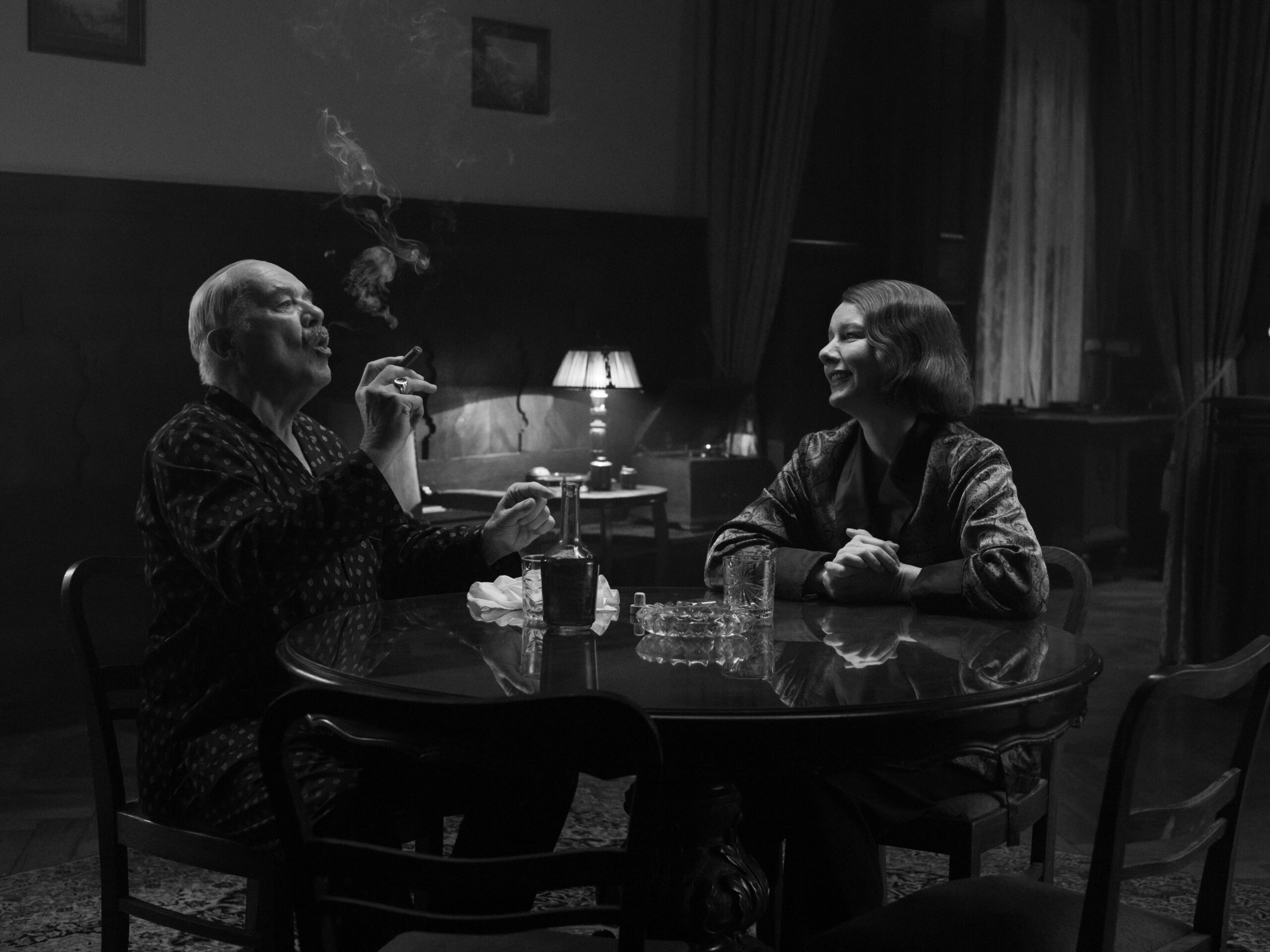
The look of the film is masterful. Several shots use the entire landscape surrounding the characters to really draw them into relationships with the locations and streets they find themselves in throughout Germany. The framing is exquisite, as Łukasz Żal and Paweł Pawlikowski show that the eight years since shooting Cold War have not stopped their collaboration from bearing good fruit. They know exactly where to place the camera, which angle to shoot from and how to position their characters and their subtle or sometimes unclear emotions in relation to the rest of the scene. The film is also edited with precision, as it often looks towards details on the outskirts of the frame that become important to the storytelling. It invites the audience to consider how these details and people may be affecting our main characters. You are truly taken into the time period. Thanks to the film’s style, never once do you think about how the sets were constructed or how the filmmakers are convincing you that something filmed in the 2020s is actually taking place in 1949.
There lingers a sense of guilt about being gone from a country going through such a trying and disturbing time, while also knowing what they escaped. They return with a sense of pride in being the ones who escaped and stood by their values. However, it seems that others in similarly privileged positions in the arts or government have also stood their ground and remain elevated in German society, despite their association with the Nazis and their willingness to abide by their actions. Yet, Erika and Thomas also know that what they get to cling to is a sense of home, a sense of stability that was clearly thrown away for both of them. Erika and Thomas both feel that they are above these people who became neighbours and even colleagues with Nazis, but they also feel the guilt of being above the common folk. You see this in the awkwardness of their speeches and some of the fanfare, especially in relation to some of the other witnesses.
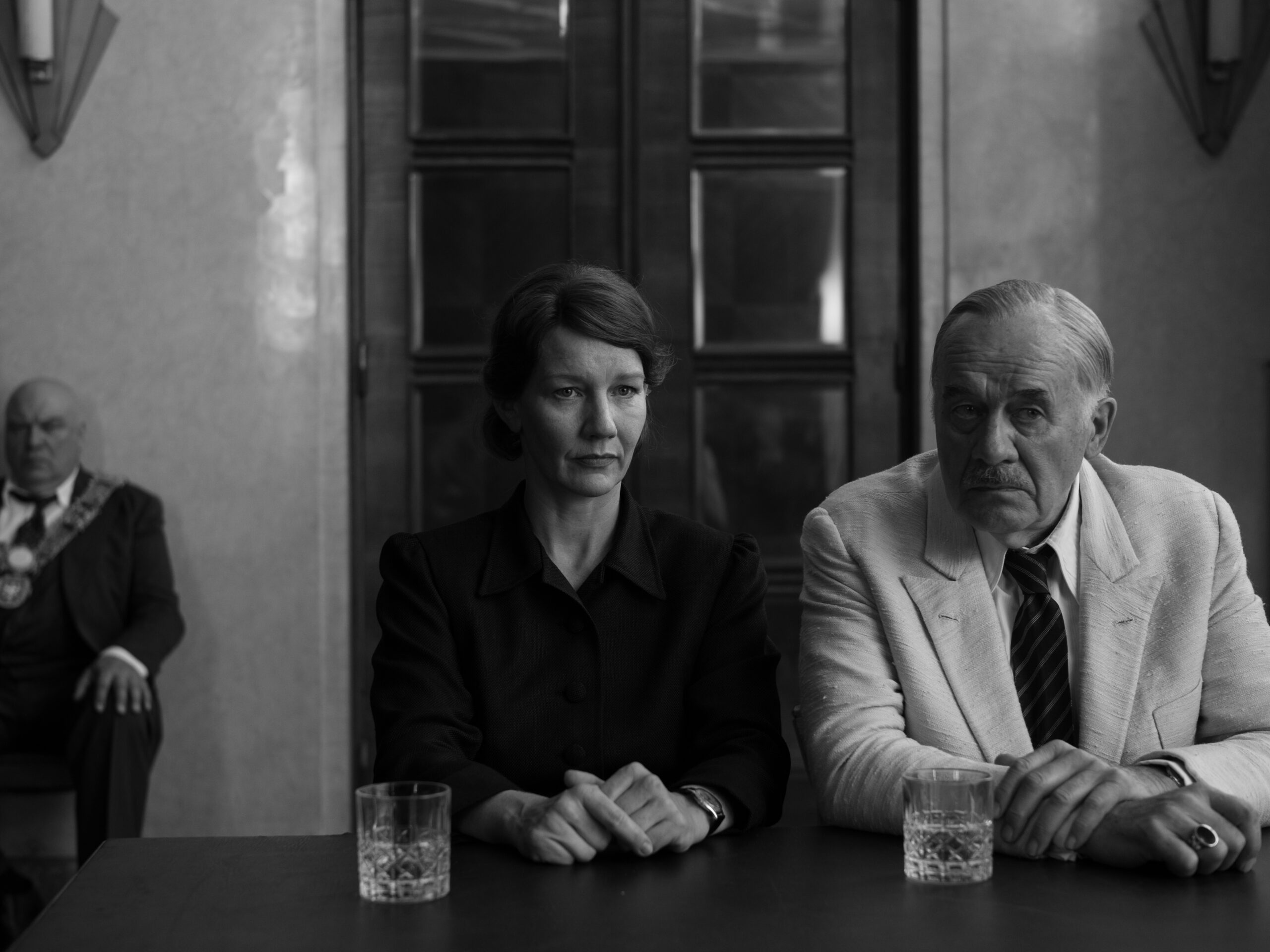
You can’t get over how unfair it all seems when Thomas attracts so much hospitality, yet the buildings and the people around them barely seem to have anything. No one but them is living in a world where they can dine before the lunch break. No one else can be bold enough to be rude or out of line. Every single person who appears before them is on their very best behaviour and doing everything they can to impress the Manns.
The conclusion of the film shows how the characters are still trapped in their reality and surrounded by a Europe that will never be as they once knew it. But there is some sense of catharsis as they escape their regular routine and are able, as father and daughter, to confront the loss and change that have cascaded over their lives. It shows music as the great hope, perhaps, like other forms of art, the one thing to live for when words and speeches, even from the most masterful writer of European prose, seem unable to make a dent in the actions and political structure of the newly divided Europe.
Fatherland is in theatres now.