
You Can See Everything sees a much-publicized figure make one final attempt to get her real story out. Elizabeth Holmes was infamously the CEO of Theranos, a company whose technology did not work as claimed, according to the courts. This resulted in Holmes, who had gathered over half a billion dollars in investments, being sentenced to an 11-year prison term in a federal penitentiary. In the month before Holmes has to go to prison, she allows Nathan Fielder and director Lance Oppenheim into her home with her family to film her last month of freedom.
For a person who has been deemed one of the most accomplished liars of all time to claim to a documentary crew that they have nothing to lie about makes this a truly magnetic film. It’s a film that really reckons with what truth is as it tries to break down the layers of why someone like Elizabeth would lie, whether she is still lying, and whether there will be anything to give away if she is lying or not.
Throughout the film’s extraordinary events, we see how a person can see truth in their own way and the different ways there are to get to the truth. The quest to get to the truth about someone so swallowed up and defined by being written about, filmed, and portrayed in the media seems almost impossible. Yet, if anyone wants to figure out how to break through all the media noise, it’s Nathan Fielder.
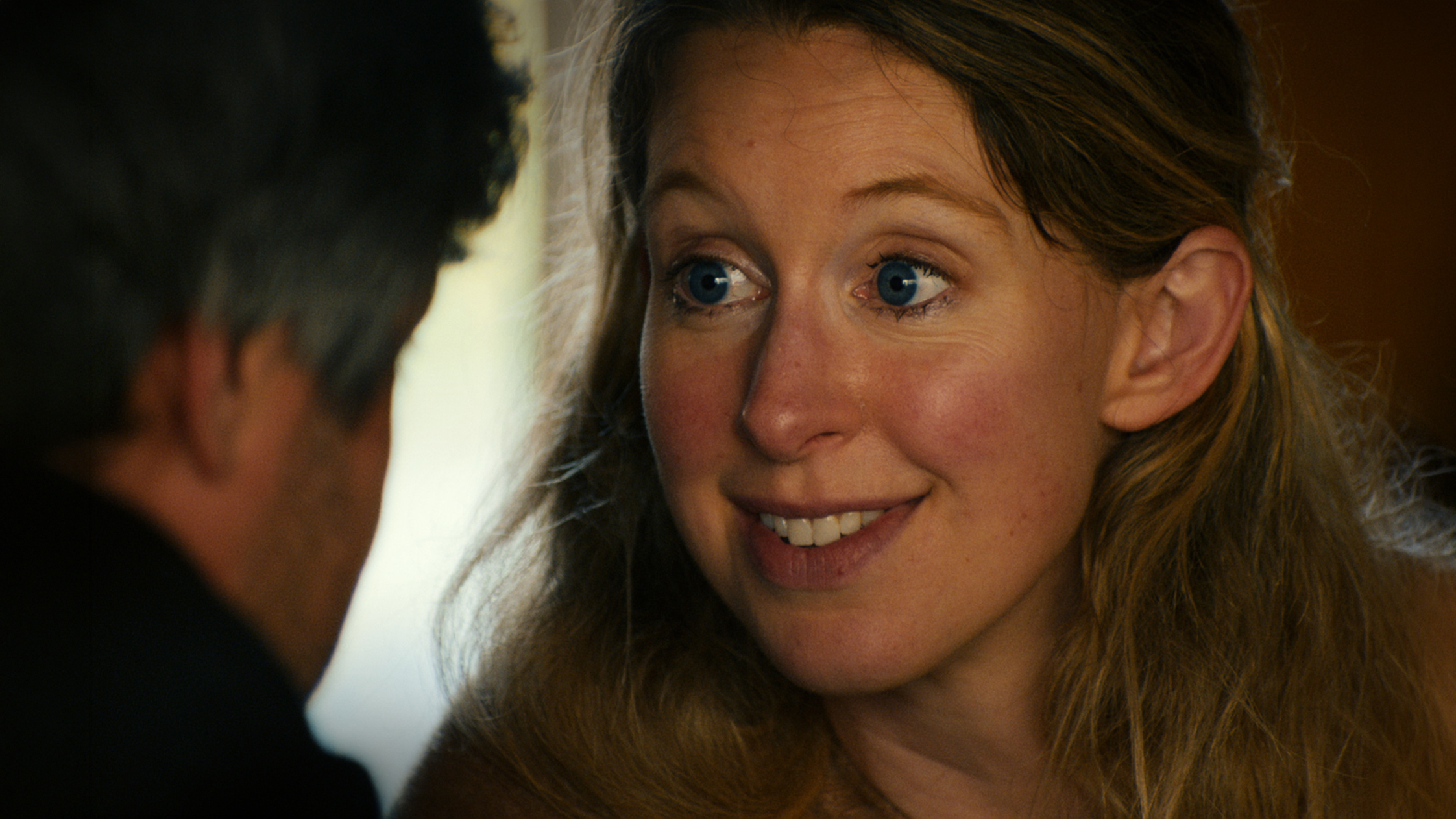
But what makes Fielder’s dynamic with Holmes and her family interesting is how he can act weird, behaving in the odd ways he is known for in his other projects, yet Holmes never really questions his oddness. This is because, to most people, she may seem like someone who is odd herself. But the real question is whether she is acting odd on purpose to manipulate the story or whether she is actually just that way and people have misunderstood her.
The film’s visuals are very professional. The setups are often very clean, as we get filmed conversations that almost have the same extensive coverage as a fictional dialogue scene, even though this is a documentary. You almost can’t believe, given the way people speak, that the conversations go on for so long, but they are good at being subjects. They never really walk away, and it seems it is always up to Oppenheim and Fielder to decide when to cut the cameras.
With the same colourist as Oppenheim’s previous films, the film gets a particularly unique look. It has a distinct colour grade that gives many scenes a cinematic quality. In many parts of the film, the team situates the room with purposeful, professional lighting. A lot of their locations, intentionally or not, end up working really well with natural light or have interesting light sources. It makes the film really interesting to look at throughout, and they rarely rely on repeated setups to make the movie.
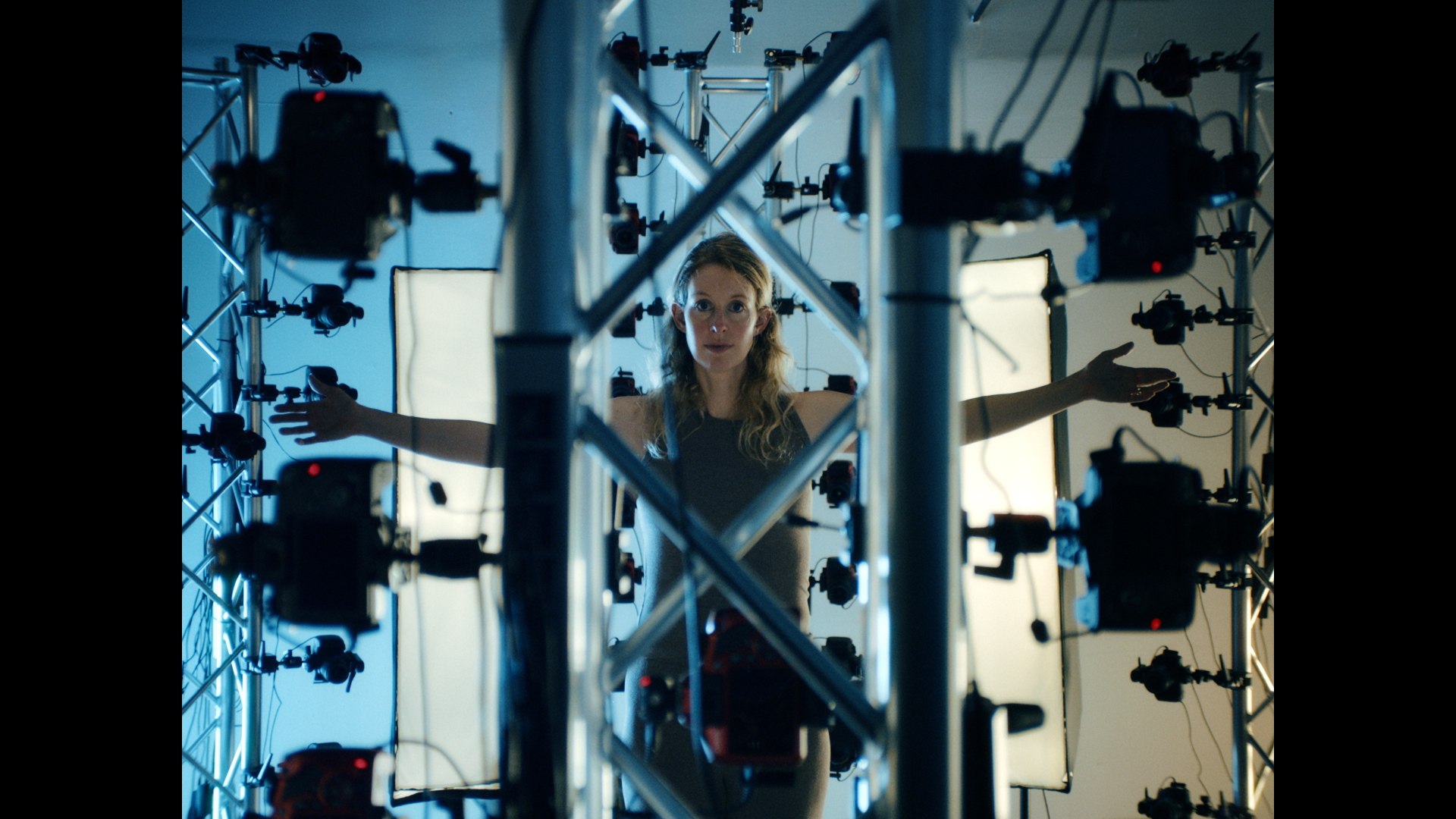
The film is edited very well, and each scenario Nathan places himself in is very interesting. He tries so many different ways to get to the truth about Elizabeth and the people in her life, even as real life interferes. Her imminent prison sentence gives way to creative solutions to continue this story, and getting to really know her is very engrossing.
You actually see a unique bond between interviewer and interviewee form between Elizabeth and Nathan. It’s a bond that makes you wonder whether she sees Nathan as someone using her, a friend, or whether she’s using him as a funny person to be around during a time that’s so melancholic for her. You never really know for sure. And that’s kind of the brilliance of the film.
With their awareness of the camera, the people filmed, including Elizabeth, seem to have an incentive to portray only the cleanest versions of themselves. At the same time, they want to appear completely transparent and honest. They want to seem as people would if they were just going about their lives while being secretly filmed. Yet, you see all the time how aware they are and how their answers to Fielder’s questions are shaped by the camera lens pointed their way.
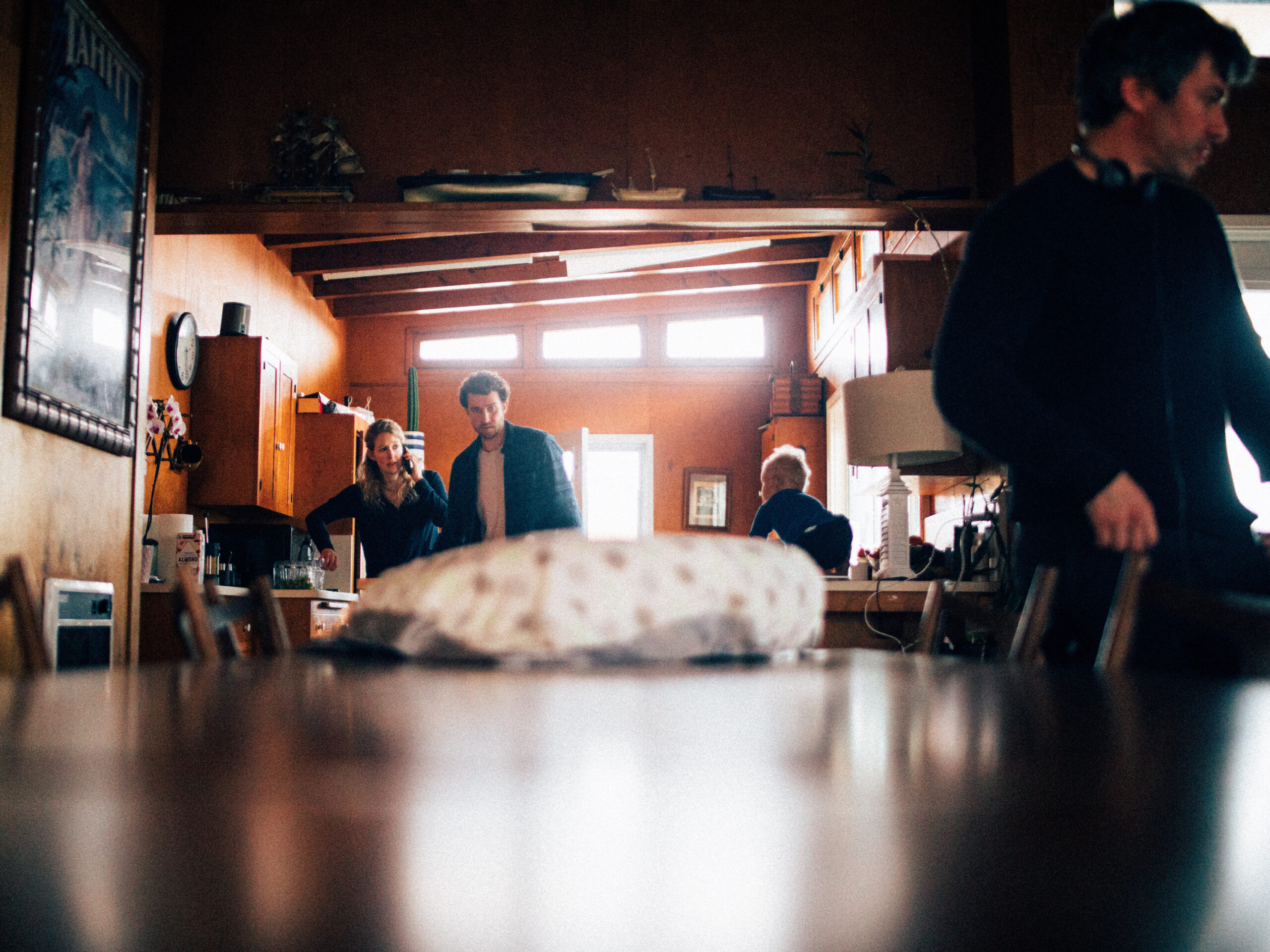
Still, there are so many interesting things we hear them say and talk about, and the details of their facial expressions are captured in an almost uncomfortably intimate way. The way Fielder and Oppenheim manage to guide them into these challenging and confrontational conversations while still maintaining enough trust to continue filming is astounding. They really impressively toe the line between pushing their subjects into uncomfortable places and maintaining the trust needed to get closer to the truth.
You Can See Everything is available in theatres on Friday, October 16th, 2026.