After 50 years, Mike Flanagan wants to take us back to high school
Based on the book by Stephen King, Carrie reintroduces the world to Carrie White (Summer Howell), a teenage girl who has spent her life hidden away inside the walls of her home with her fiercely protective mother, Margaret (Samantha Sloyan). After the sudden loss of her father, Carrie’s world is upended and she’s forced into the unforgiving world of public high school. Seeing the world for (essentially) the first time, Carrie simply cannot understand the world around her.
And the other students have noticed.
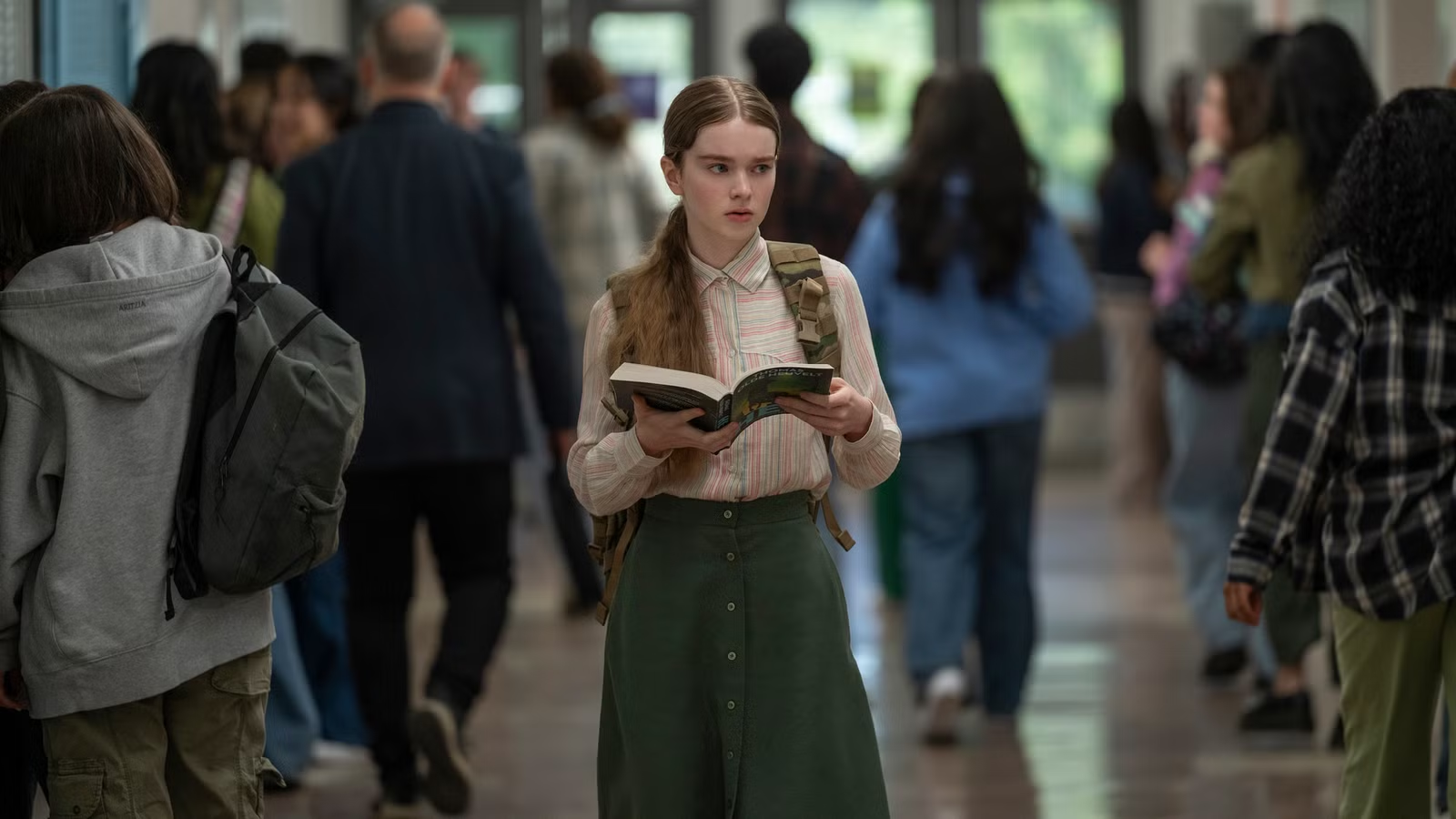
As the girls in her class begin to bully her for her awkwardness, Carrie becomes increasingly alienated from her peers. And her growing rage begins to awaken mysterious telekinetic powers that not only threaten her well-being but also the safety of her new community.
Directed by Flanagan, Carrie is another attempt to resurrect the work of King with fresh eyes. Having adapted the iconic author’s Doctor Sleep, Gerald’s Game and his TIFF People’s Choice Award-winning, The Life of Chuck, Flanagan has enjoyed bringing the iconic author’s stories to life. (And, with The Dark Tower next on his list, looks like he will continue to do so.)
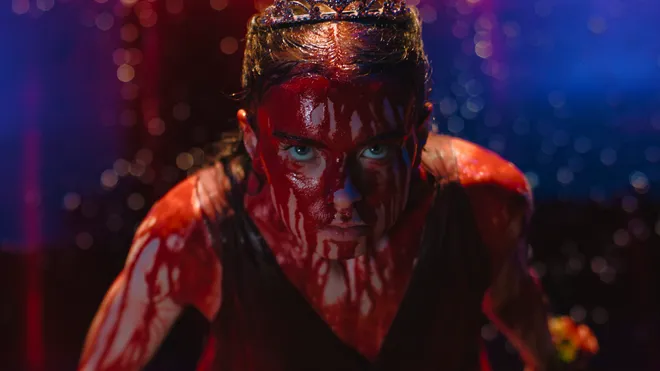
But Carrie is another thing entirely. While all of those other projects are new to the screen, Carrie remains one of the more memorable adaptations of King’s work. Though made 50 years ago, Sissy Spacek’s bloody-soaked prom scene has become one of the more haunting images in horror history. So, with a high-profile project such as this, one wouldn’t fault the viewer if they felt some trepidation about any attempt to repeat the other’s success.
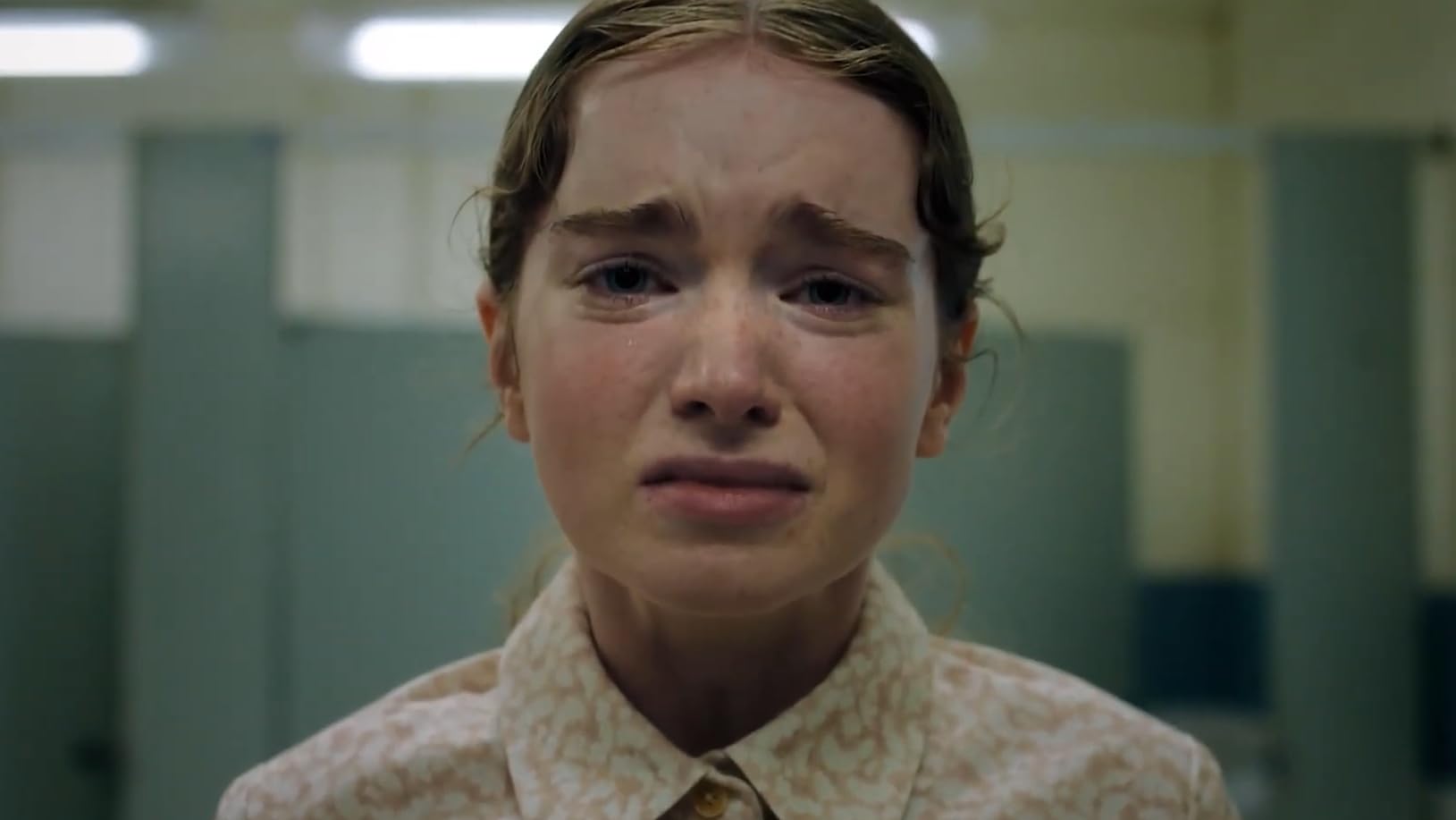
Even so, Flanagan still manages to find something new in King’s storytelling. (Which, honestly, is no longer a surprise.) Opening the series with clippings of the story’s most memorable moment, we all understand where things are headed. Yet, at the same time, Flanagan’s modernization of Carrie immediately slows down the narrative in ways that allow him to spend more time on the issues that led to the disaster itself.
This is the benefit of reinventing Carrie through the lens of a miniseries. With more time to simmer, Flanagan weaves the best of King’s work into a larger context. Rather than focus entirely on Carrie’s journey, we’re allowed to sit in the homes of her bullies and understand their own origin stories of sorts. These aren’t simply ‘mean girls’. Instead, they’re more complicated youth, dealing with their own struggles at home and taking their frustrations out on the new kid. We still hate their actions but, somehow, they feel more grounded than in previous iterations. (As a result, the after effects of Carrie’s inevitable isn’t just localized within her high school gymnasium. Now, her breakdown now affects the entire town.)
At the same time, Flanagan manages to bring the series up to speed in the modern era. Without saying too much, this vision of high school is vastly different than it once As such, technology and social networking play a crucial role in the way that these young women interact with the world and each other. For Carrie herself, this exposure to the digital world is all new. But for those around her, it’s everyday life.
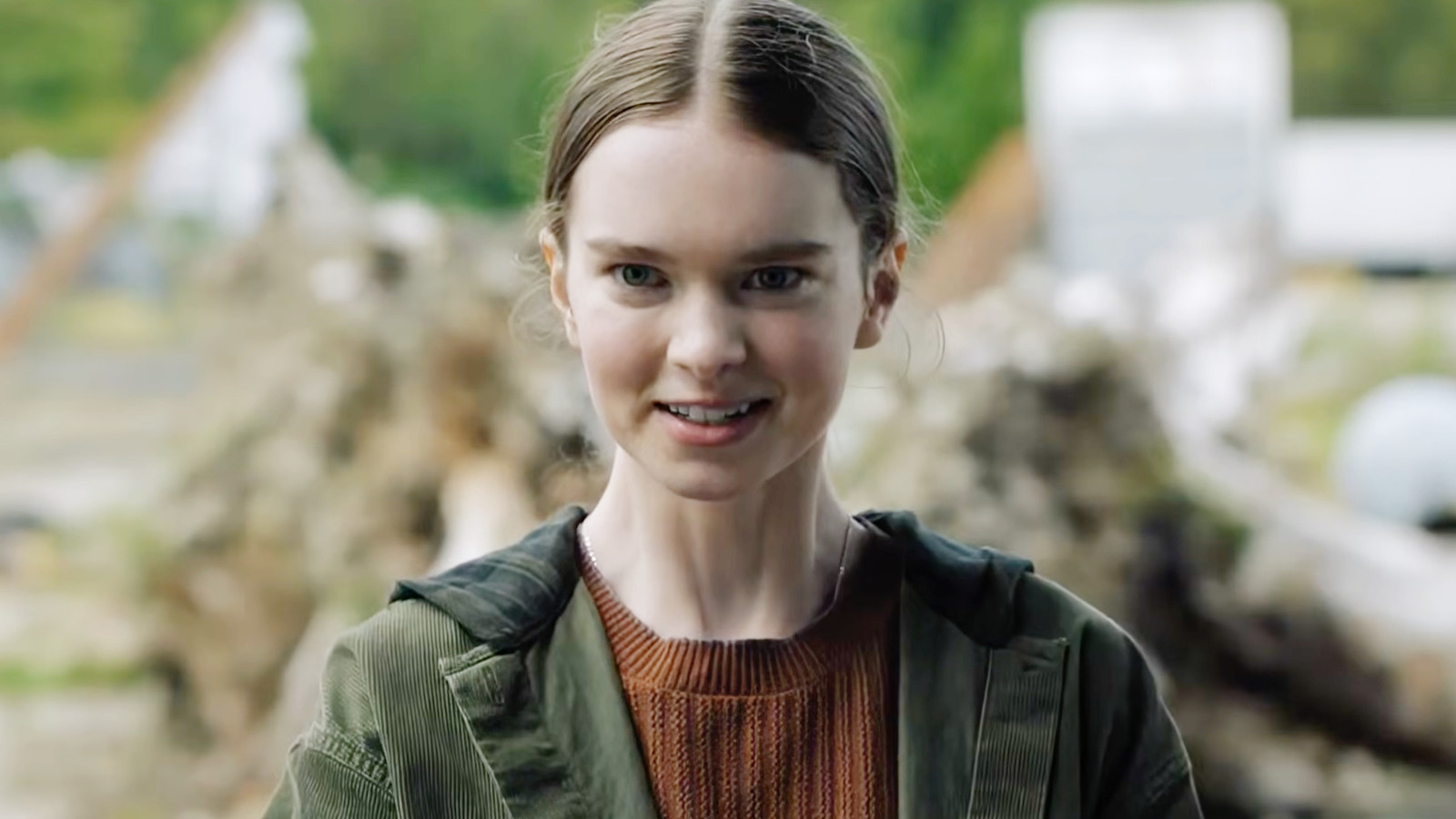
And can be used as a weapon.
Credit must also be given to young Howell who does a wonderful job in the lead role. There’s an innocence about Howell that works well for this character. But, at the same time, she maintains a certain fury behind her eyes. In every scene, Carrie feels like both a young woman both patiently trying to understand the world and a bomb about to go off. It’s difficult line to walk but Howell manages to do well in that tension.
However, it might be Sloyan’s performance as Carrie’s mother, Margaret that leaves the greatest impact. Having appeared in numerous of his other projects, Sloyan may be Flanagan’s muse at this point. He understands how to get the best out of her and she understands what he wants to accomplish.
And, as Margaret, Sloyan is in her element.
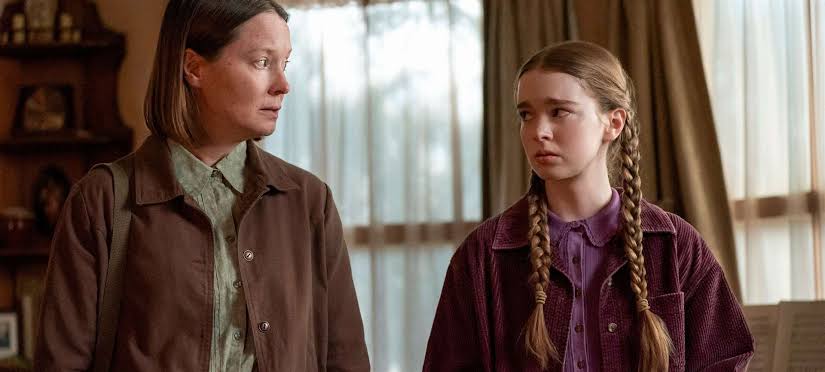
Having kept Carrie under her thumb since childhood, Margaret is a woman of principle. However, her methods are far from parental. Sheltering her daughter at home, her desire to keep Carrie safe borders on cult-like obsession. Convinced that the modern world is dangerous, Margaret is willing to protect her daughter at all costs. And, as her sort of security pushes Carrie further away, Margaret becomes more determined (and ferocious) in her attempts to control her.
That overprotectedness taps into the tension that lies at the heart of Flanagan’s Carrie. On the one hand, from teachers to parents, we watch as adults scramble to relate (or ignore) a generation that they don’t understand. On the other, we watch as the youth attempt to navigate a world that seems antagonistic towards them. And, as the gap between these two groups widen, both become increasingly jaded towards the other.
For the young people especially, that increasing frustration can create disastrous results.
In this way, one can’t help but admire the road that Flanagan has taken with this adaptation. Instead of simply trying to recreate the past, he genuinely seems to bring the material into the present. And the fact that this adaptation works so well is a testament to King’s original work. After all, his story still resonates today, even if the pieces move slightly differently.
Carrie is available on Prime Video on October 7th, 2026.