Culture and tradition help to form who we are, as individuals and as societies. Sometimes, however, the outside world can overpower the traditional teachings, causing personal and community conflict. In The Condor Daughter¸ written and directed by Álvaro Olmos Torrico, we travel to an Andean indigenous community through the eyes of a teenaged girl and her adoptive mother midwife. The Condor Daughter is Bolivia’s official entry for Best International Feature consideration.
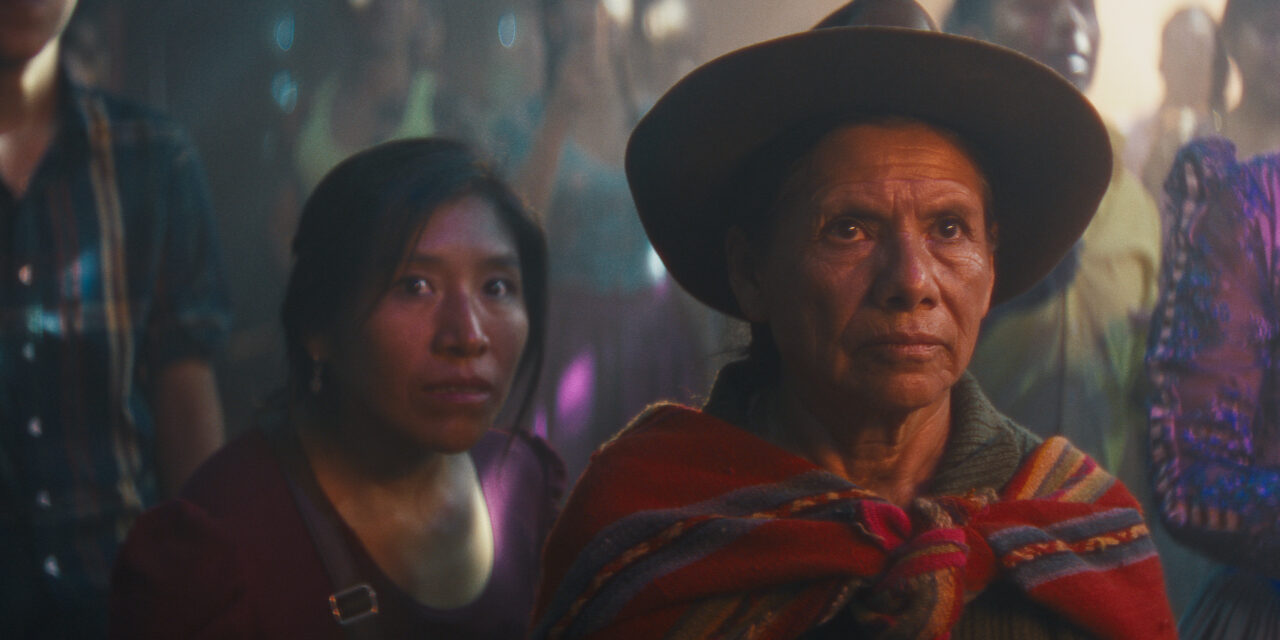
Clara (Marisol Vallejo Montaño) is serving as an apprentice to her mother Ana (María Magdalena Sanizo) in their rural area. She is learning the songs and traditions that have shaped the birth (and sometimes death) experiences for generations. As much as Clara enjoys this work, she is also drawn to the distant city and the excitement and newness that it represents. When she is gifted with a radio, she hears other music. A brief encounter with city people tells her she could sing in a group. Her friend meets a boy who will take them if they want to leave.
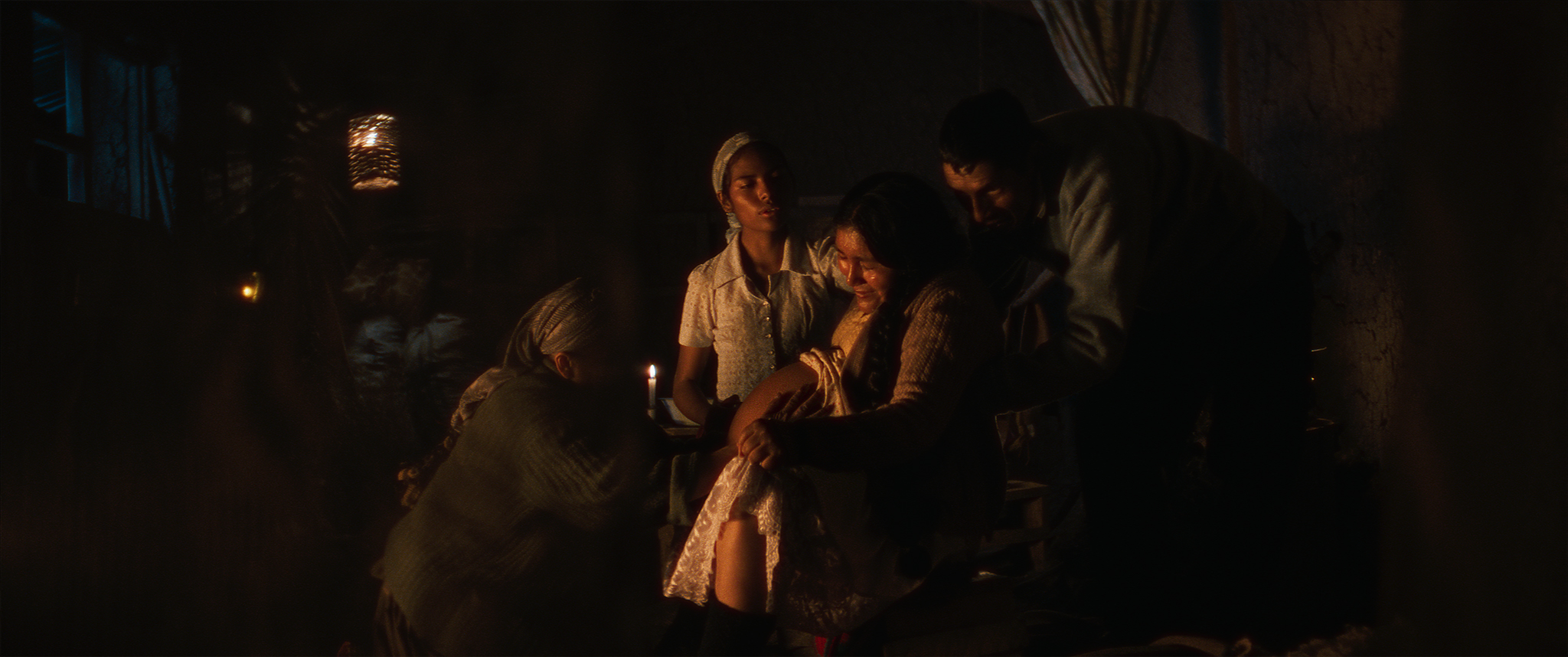
Life in the community goes on as it has for a long time. It is a patriarchy and, at times, shames women who do not conform. However, the modern world in encroaching. After a stillbirth, doctors arrive to say that modern medicine will have to take over. After conflicts with the community and with her mother, Clara finally chooses city life.
After she leaves, bad things happen in the community. The people of the village blame all the bad things on her leaving. Ana is dispatched to the city to find her and bring her back. Can Clara ever be satisfied with her former life?
The film shows various perspectives of the indigenous culture as it contrasts the traditional ways with modernity. It shows both the flaws of the traditional culture (such as the patriarchal attitudes) and of the encroaching modernity. In one scene, where doctors are talking to Ana and Clara, saying things will be changing, a female doctor from the culture notes that she understands that this goes against all they have been taught, but this is coming down from higher authorities.
It is clear that the traditional ways are going to be coming to an end—through economic pressures and through attrition as people leave for the city and older people die. This is not a film that relished the romantic nature of the “noble savage”, but it does bemoan the fact that something is being lost as indigenous ways are passing into history. It ends with a hope that perhaps a bit of it will go on.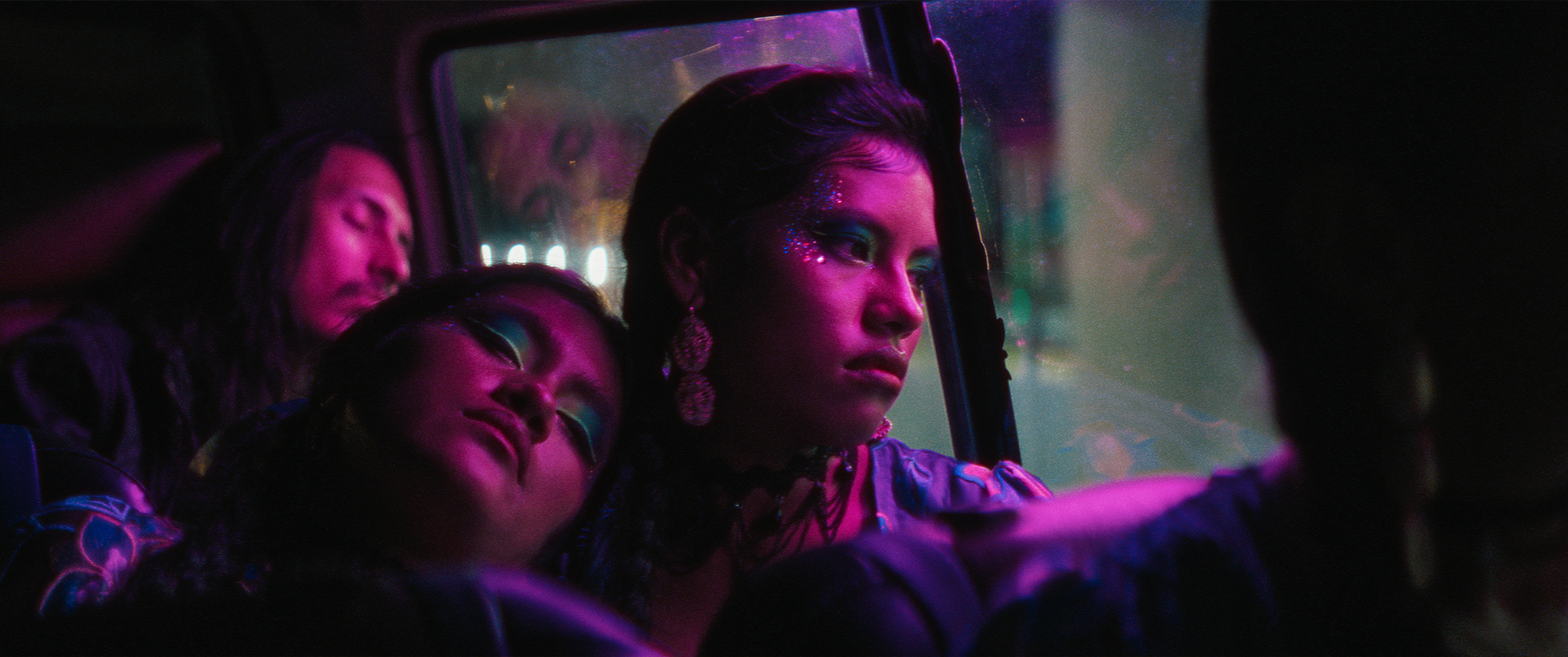
I am not anti-modern or anti-science, but I like the way the film give value to traditional concepts that tie communities to the natural world in ways that the modern world doesn’t really understand. The key to happiness may not be always be found in the excitement of modern life. Sometimes it may be in the discovery of what one already has.
The Condor Daughter is in select theaters.
Photos courtesy of Outsider Pictures.