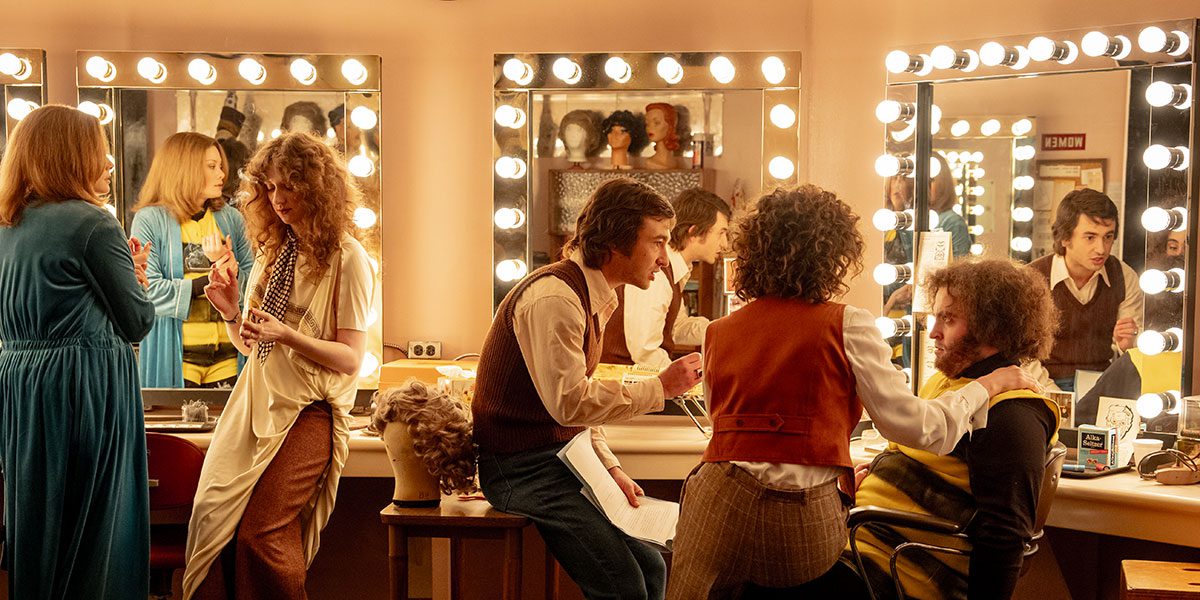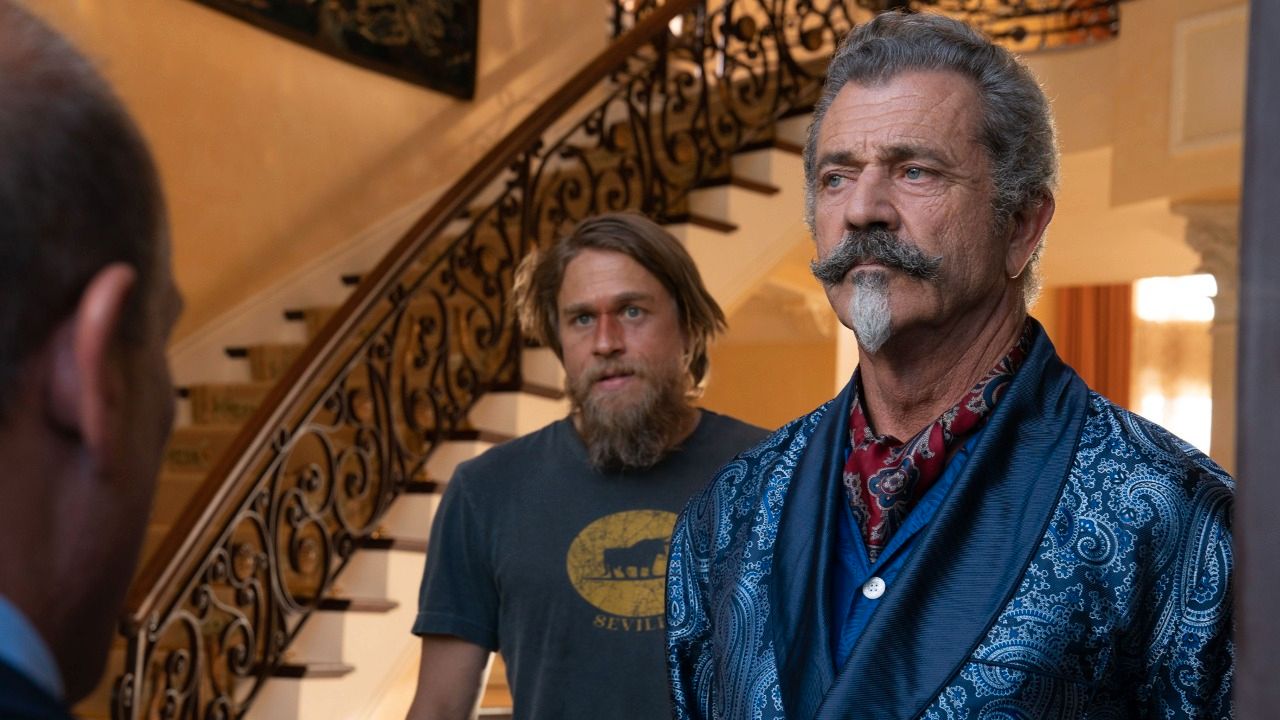

Gregg Araki’s I Want Your Sex is exactly the kind of movie that its title promises: bold, provocative, and never afraid to make audiences uncomfortable. But beneath the explicit content is a film that’s less interested in shocking viewers than it is in asking how sex, power, ambition, and identity become intertwined in modern relationships.
The story follows Elliot (Cooper Hoffman), a young man whose dream job turns into something far more complicated when he’s hired by renowned contemporary artist Erika Tracy (Olivia Wilde). As Elliot becomes both an assistant and a muse, the lines between professional opportunity and personal desire begin to blur, leading him to question what he’s willing to sacrifice in pursuit of success.
Olivia Wilde is magnetic as Erika. She plays the character with a confidence that makes it easy to understand why people are drawn to her, even when her actions become increasingly unpredictable. Cooper Hoffman also delivers one of his strongest performances to date, portraying Elliot with enough vulnerability that you genuinely care about where his journey takes him.
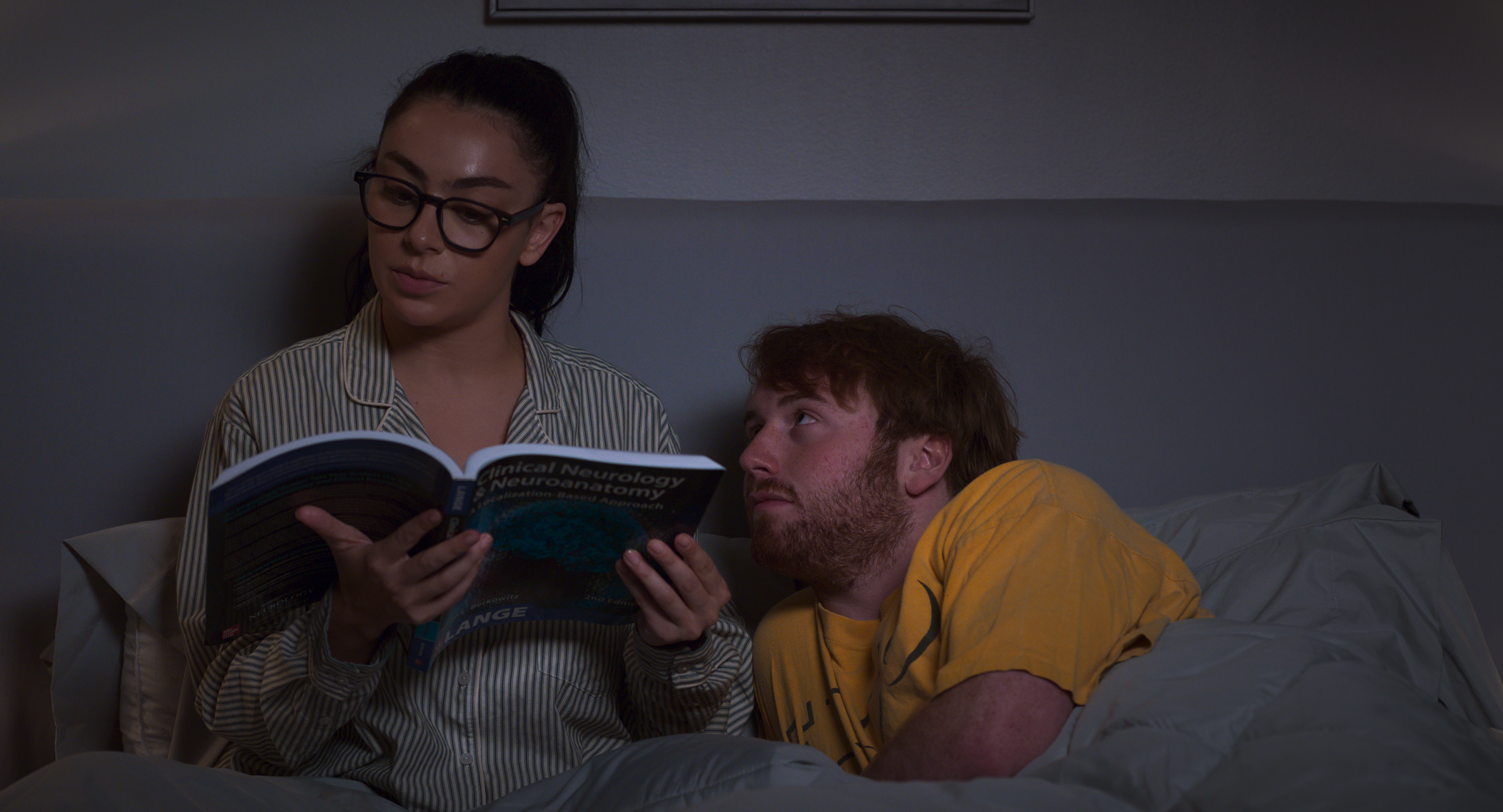
The supporting cast makes the most of their screen time as well. Chase Sui Wonders brings warmth and sincerity to Apple, Mason Gooding is a fun addition whenever he’s on screen, and Daveed Diggs, Charli XCX, Johnny Knoxville, and Margaret Cho all fit naturally into Araki’s colorful world.
What I appreciated most is that the movie isn’t really about sex itself. Instead, it explores how people often confuse physical intimacy with validation, success, or even purpose. Elliot enters Erika’s world believing he’s found everything he’s ever wanted, only to discover that admiration can quickly turn into obsession when someone else controls the narrative. In many ways, the film asks whether we’re chasing genuine connection or simply chasing the idea of being desired.
There were moments where I wished the screenplay dug a little deeper. Erika frequently delivers philosophical statements about sex, art, and freedom that sound intriguing, but not all of them are explored as fully as I had hoped. I found myself wanting the conversations to go one step further instead of leaving some of the ideas open-ended. That said, I also think the contradictions are intentional. Erika represents someone who has become so consumed by fame and artistic image that even she may no longer know where her real beliefs end and the performance begins.
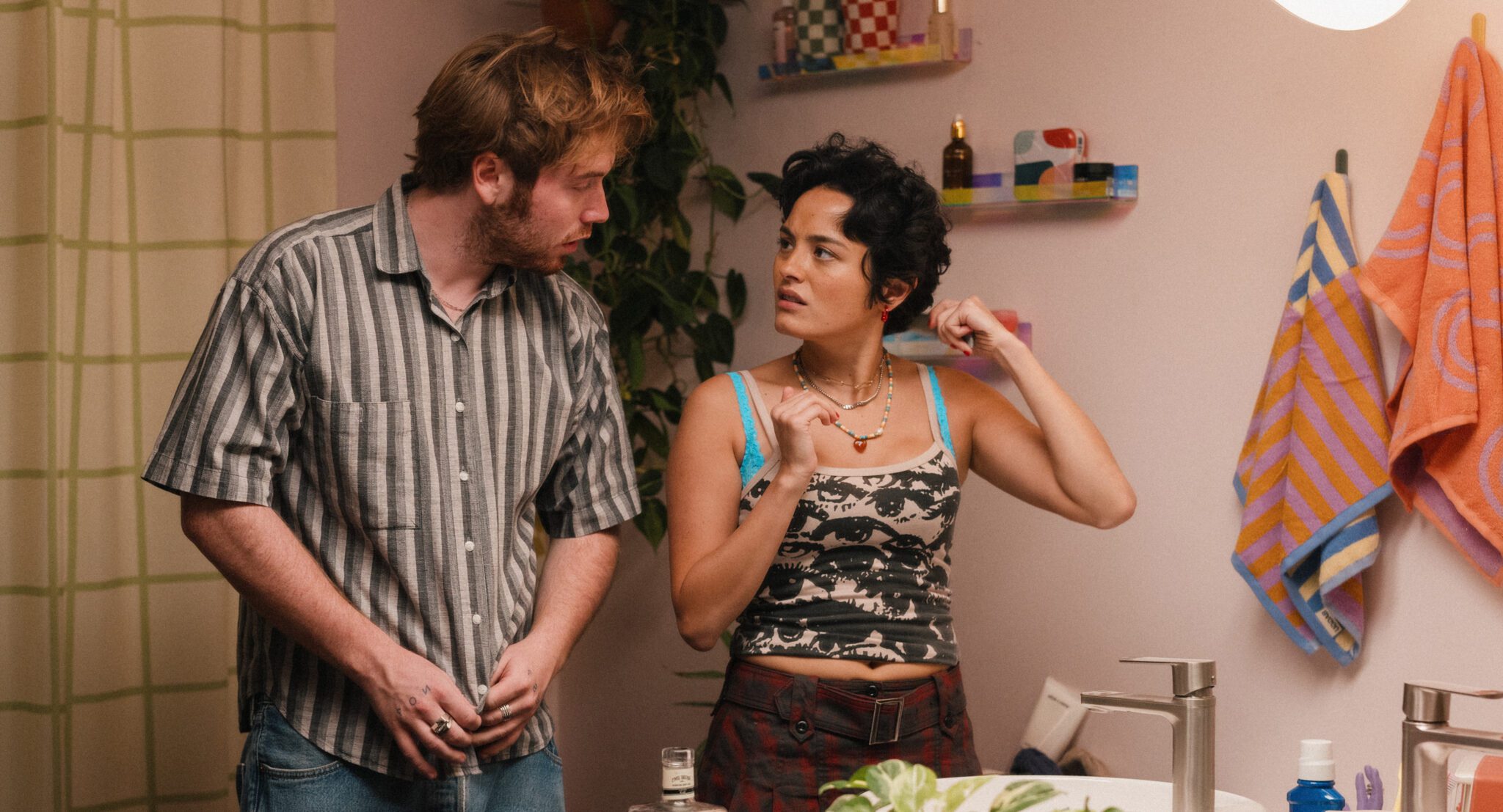
Despite the marketing, I never felt the film relied on explicit content just for shock value. The intimate scenes all serve the larger story about power, consent, vulnerability, and emotional dependence. Rather than asking whether sex is good or bad, the film seems more interested in how people use it to connect, to manipulate, to create, or sometimes to avoid confronting themselves altogether.
Visually, Araki keeps the film energetic and stylish and, even when the story becomes chaotic, it’s consistently entertaining. It won’t resonate with everyone, especially those looking for a straightforward romance or thriller. Still, viewers who enjoy character-driven films with messy relationships and morally complex people will likely find plenty to think about afterward.
I Want Your Sex isn’t really about sex. It’s about desire in all its forms. The desire to be loved, to be seen, to create something meaningful, and to matter to someone else. Even if not every idea lands perfectly, it’s an engaging, well-acted film that isn’t afraid to start conversations.
I Want Your Sex is available in theatres on Friday, July 31st, 2026.