Robin Hood is back. But this is no merry man.
Directed by Michael Sarnoski, The Death of Robin Hood finds Robin Hood (Hugh Jackman) as an aged man who is wrestling with the cruelty of his past. Nearing the end of his life, he spends his days on the run from the offspring of his past victims. When he’s gravely injured in a battle he believed to be his last, Robin finds himself in an unexpected sanctuary. Led by the grace-filled Sister Brigid (Jodie Comer), this remote hospice wis a place where many have found solace. But Robin’s history cannot be erased and soon, he must face-off against the shame of his past and the salvation that he’s being offered.
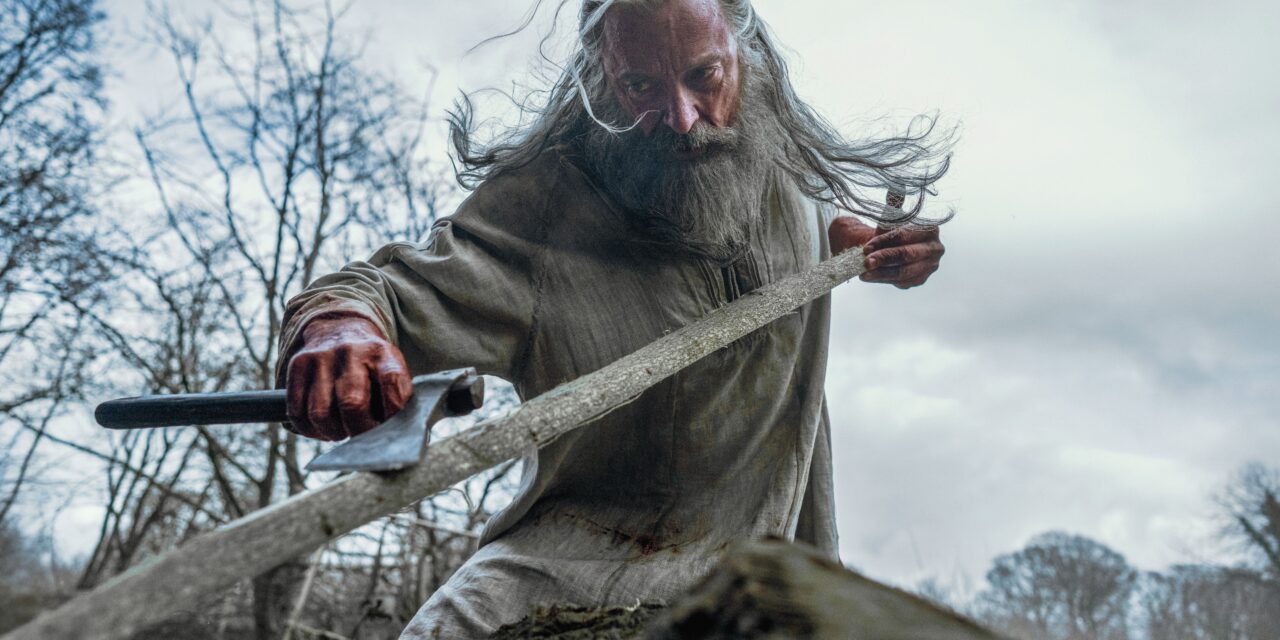
With The Death of Robin Hood, Sarnoski reimagines the legendary icon with completely fresh eyes. Unraveling at a surprisingly slower pacing, the director wants the experience to be a more reflective exercise, as opposed to the swashbuckling visions of the character that we’ve seen before. This isn’t the lush greenery of Sherwood Forest. Bathing the screen with tepid greys and dark shadows, Sarnoski wants us to view this world with a sense of dread and foreboding. This is a world where violence is currency, wild and brutal.
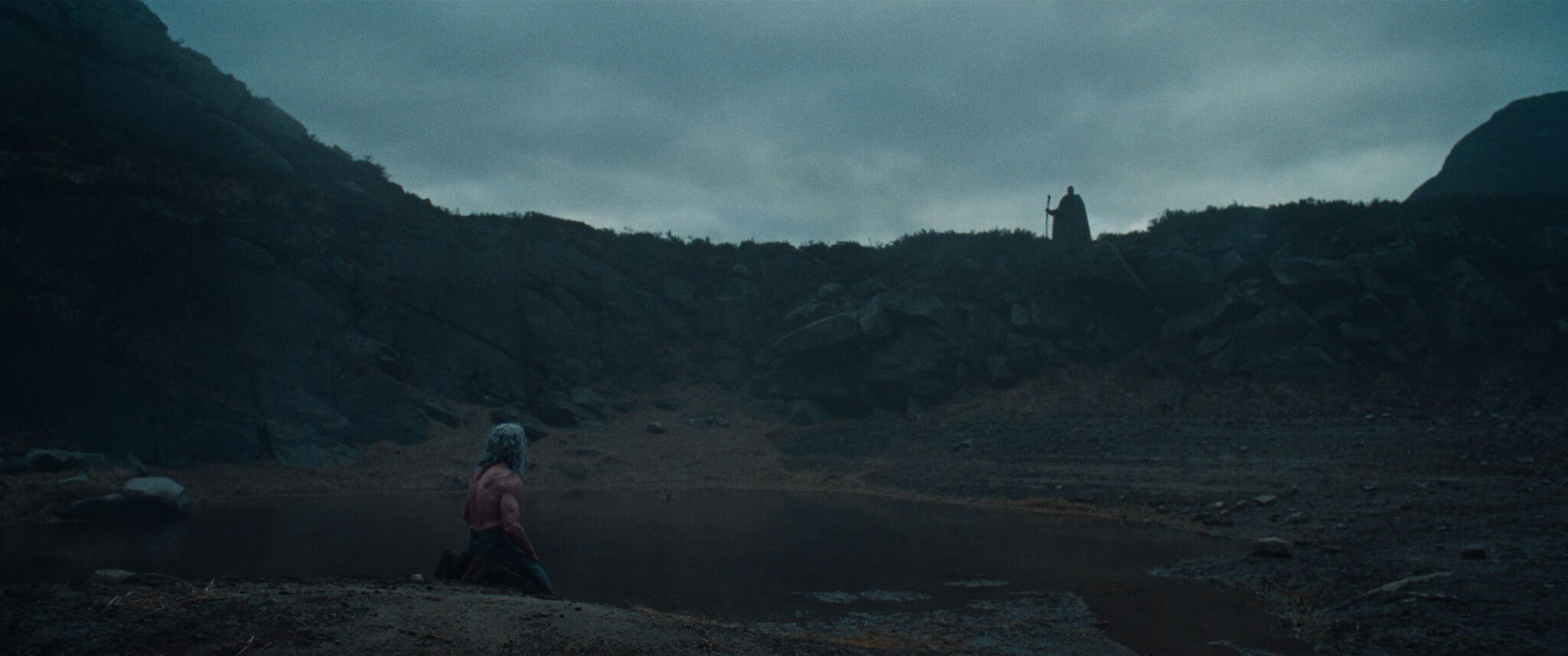
And brutal is an understatement. The first act of The Death of Robin Hood unleashes the character with viciousness. With brutality that rivals Gibson’s Braveheart, Jackman stabs and shoots his way across the countryside as an unhinged vigilante. Gone are (most of) his roguish sidekicks, trading in companionship for solitude and reckless abandon. He’s unkept and rough, a man whose furious past has broken his spirit. Each moment asks Jackman to play the character as cold and brutal. In short, he’s neither man nor myth.
He’s merciless.
In doing so, there’s a darkness about his performance that removes any trace of the legends of the past. Yes, there are those who speak of Robin Hood as a man who robbed from the rich and gave to the poor. Some believe him to be a hero. But those who have experienced his wrath know otherwise.
In fact, for those who have found themselves in his crosshairs, Robin Hood is known here as the most vicious of killers. He’s not one to share with the disenfranchised. He’s given little grace and offered no quarter. Instead, he’s one who slaughters those in his way, regardless of their financial situation.
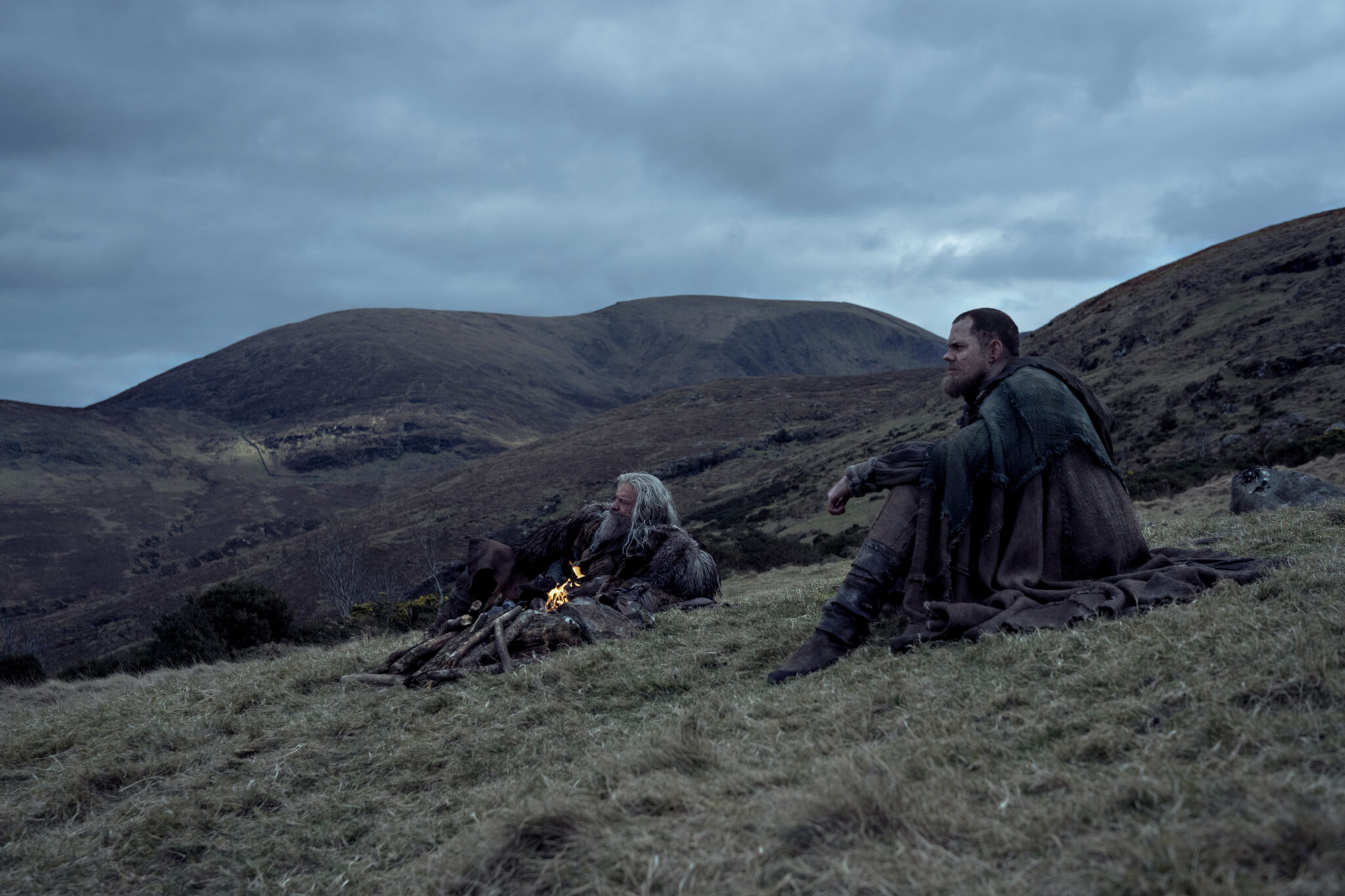
In some ways, it’s interesting that Sarnoski chose Robin Hood as his titular hero for this film. Without any issue, he could have simply made his lead character an entirely new vigilante with a darkened history. But it seems that the use of such an iconic name is also exactly the point. Sarnoski uses his film as an opportunity to deconstruct the legends that the iconic character was built upon. This is a film about the stories that people tell about their heroes… and the ways that they fail to meet expectations in reality.
Having said this though, Sarnoski’s reimagining of Robin of Loxley actually takes this conversation one step further by extending it into the realm of redemption. Without saying too much, Jackman’s Robin may be brutal but his time in the hospice forces him to reckon within himself. He recognizes the heartless villain that he’s become and he has been broken by the weight of his own ruthlessness.
At the same time, there is a part of him that wants to find hope. Let me be clear. He doesn’t believe that he deserves it. And, honestly, he never believes that he actually will. Even so, there’s something within him that is willing to find forgiveness, if it exists. And Sister Brigid seems like the type of person who believes that everyone deserves an opportunity for a fresh start. (In fact, it’s fascinating here that Sarnoski uses the Biblical story of Saul as a reference point in this story. For those that know his journey, the turnaround is staggering.)
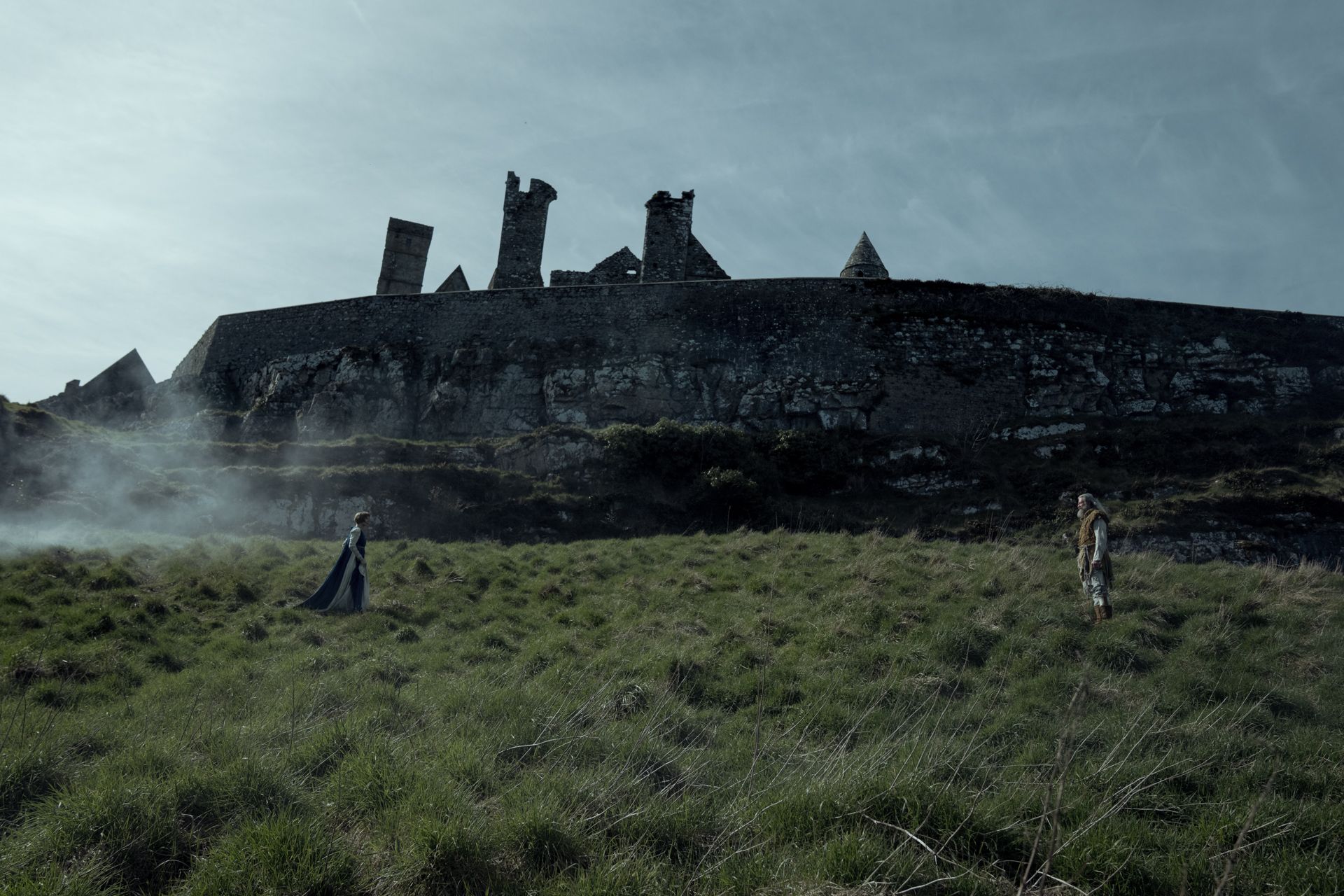
However, Sarnoski isn’t willing to make it easy for Robin Hood to receive a second chance. There’s a complexity within his storytelling that both recognizes the damage that one has caused and the chance at finding something new. Even if he receives the offer of grace, this vision of Robin Hood may not be able to outrun the destruction he has left in his wake. And, with his own demise fast approaching, the tension between past and present is becoming more difficult to reconcile.
Admittedly though, it worth noting that, for those who are looking for something more akin to an action-adventure vehicle, this tale of Robin Hood tapers off the violence substantially after the first act. Though the opening portion is jaw-droppingly violent, Sarnoski’s vision for this tale isn’t meant to shock you with bloody battles. Instead, his goal is to slow down the viewer, giving them pause to reflect on these characters and their actions.
As a result, there’s a subtle beauty about Sarnoski’s inquest into the nature of grace unravels in its own timing, choosing to walk the line between ferocity and meditation. While it won’t be for everyone, Sarnoski’s revisionist Robin Hooddoesn’t die on his feet. Rather, there’s a life to this film that survives even after the final heartbeat.
The Death of Robin Hood is available in theatres on Friday, June 19th, 2026.