
The T-shirt for this year’s AFIFest Presented by Canva has a quotation from the Guest Artistic Director Guillermo del Toro, “The love of films heals you.” It points to the way that in film we can see ourselves and others in ways that can bring us together.
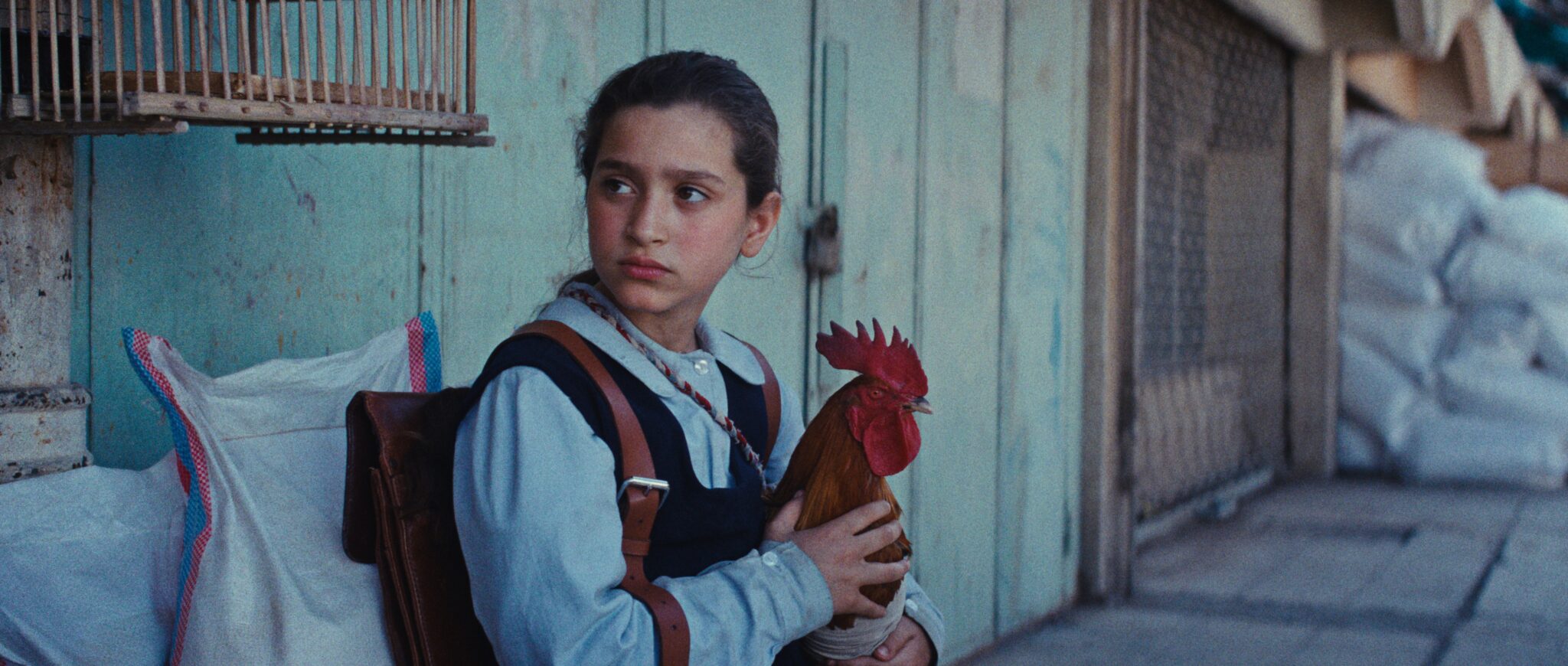
The President’s Cake, directed by Hasan Hadi, is a bittersweet comedy that visits some of the emotional wounds of Iraq’s past. It is Iraq’s official submission for Oscar consideration. The film is set in 1990, when sanctions on Iraq led to food shortages. In spite of that, Saddam Hussein has decreed the whole country must celebrate his birthday. Third grader Lamia lives with her grandmother in an impoverished marshy rural area. She has been tasked with the “honor” of making a birthday cake for her school.
Her grandmother gives her a list of ingredients she will need and takes her into the city. But in reality, the grandmother’s plan is to give her to a family who can care for her. This leads Lamia to run away, connecting with her friend from school who is in the city to help his father by picking pockets. Lamia and Saeed (and Lamia’s pet chicken) spend the day trying to obtain the ingredients she will need. Saeed must also try to find his father who may have been arrested. Her grandmother is badgering the unresponsive police to find Lamia. The only person who is truly trying to help is a mailman who picked them up on the road into town. If Islam has a version of the Good Samaritan parable, it would fit this man.
While the multiple versions of a scavenger hunt play out with comedy, there is also a good deal of sadness and grief. This looking back to Iraq’s past with such humor is perhaps a step in the country’s healing the many scars it has suffered.
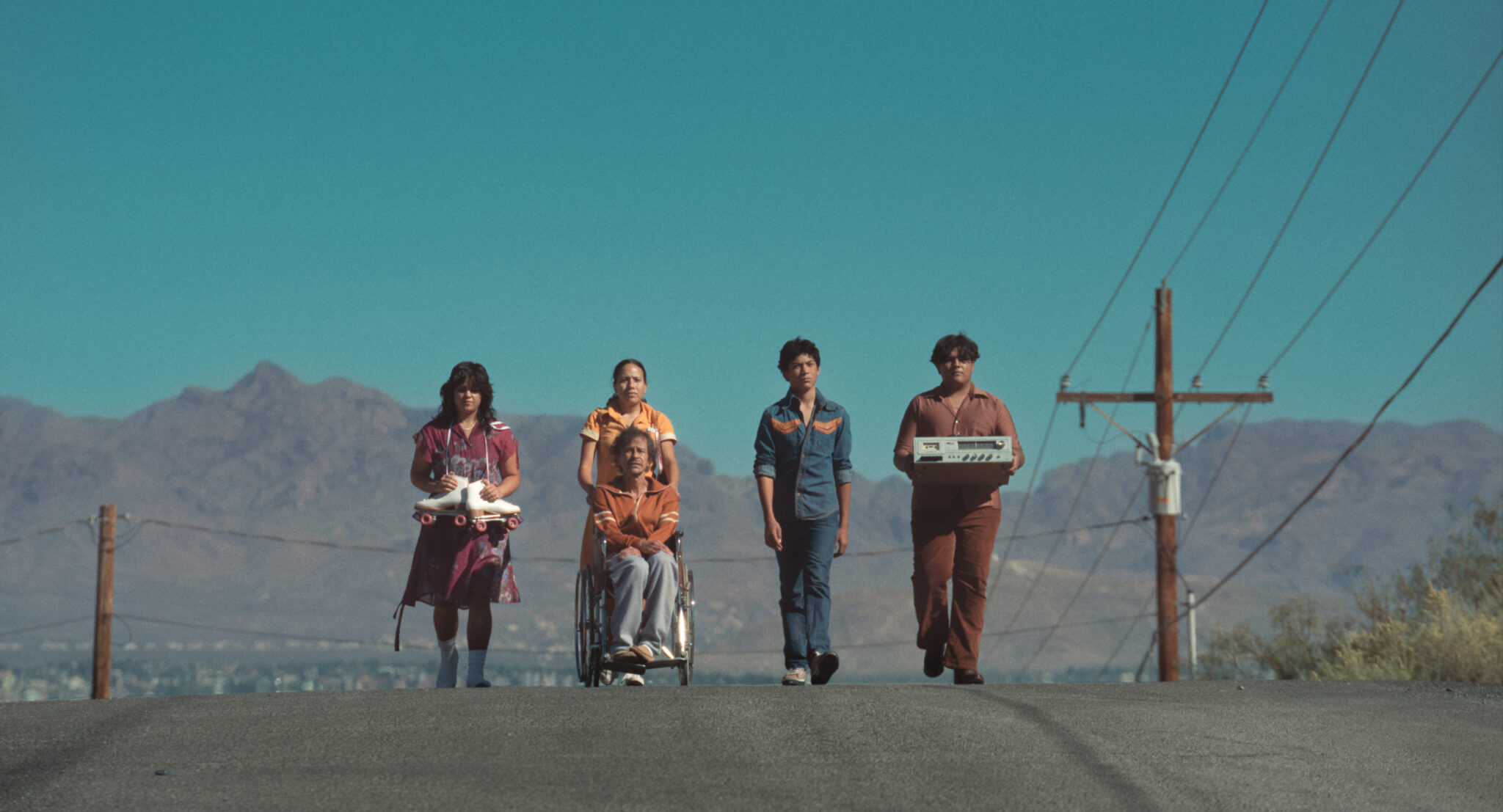
Olmo, directed by Fernando Eimbcke, shows us a family being overcome not so much by the disease that has come to the father, but by the selfishness of each member. Olmo is fourteen and in lust with Nina, the older girl across the street. When his mother must work an extra shift, trying to pay the rent, and his older sister Ana only cares about going to roller disco, Olmo is tasked with caring for his invalid father who has MS. But when Nina offers to let him come to a party, if he brings his father’s stereo, the adventure is on.
The adventure is really secondary to the relationship within the family. The members all know how to push each other’s buttons, and do so frequently. It is only Olmo’s best friend Miguel who seems to care about the people in this family. A key scene for me is when Olmo’s father is trying to teach him about fixing the stereo. Olmo sees it as a bother, even though this is a chance to bond. It is Miguel who thrives on the moment.
It takes a near tragedy to pull the family out of their self-centeredness to come together in a way that might lead to more than just co-existence. Perhaps there is a seed here for them to find the love that will truly bind them.
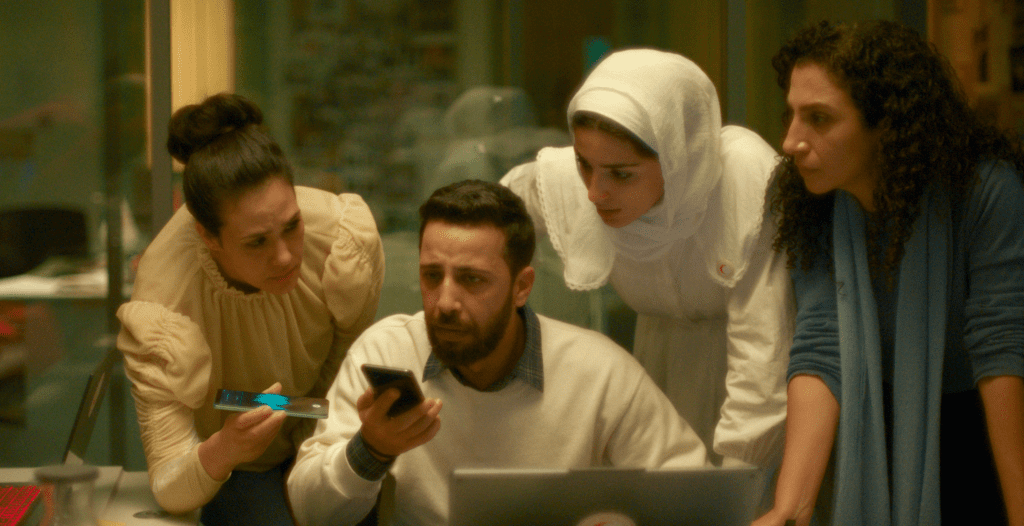
The Voice of Hind Rajab, directed by Kaouther Ben Hania, is a dramatization of a tragic event. The film takes place in a Red Crescent emergency call center in the West Bank. They get a call about a family whose car has been hit by Israel fire in Gaza. They connect by phone with a six year old girl who is the only survivor. She is hiding in the car with gunfire around her, and six corpses around her. She begs for them to come and get her.
While the workers try to keep her on the line to calm her and get as much information as they can, the rescue coordinator tries to deal with arrangements to send rescuers. He must talk to the Red Cross in Jerusalem, who gets in touch with the Ministry of Health, who contacts the military to try to create safe passage for an ambulance (which is only 8 minutes away). Each step takes time (and they circle back). As the hours go on (the real event lasted over 3 hours), the workers in the call center lash out at one another with anger and frustration and grief.
The phone conversations are from transcripts, and the voice we hear on the phone is the actual voice of Hind Rajab from the recordings of the call. That makes this a very difficult film to watch at times. We are grieving the known outcome of the story even as we listen to it unfold. Yet as hard as it is to watch at times, we also see the way helping people give of themselves so deeply to a stranger. It is seeing the Red Crescent workers that brings a bit of healing to a story that cuts so deeply.
The Voice of Hind Rajab is Tunisia’s official submission for Oscar consideration.