I admittedly didn’t know anything about the Lilith Fair, or some of the musicians featured in this documentary before I watched it (although my playlist will be having some additions), but if there’s one thing I can take away from the documentary, it’s sometimes the only path you can take is the one make.
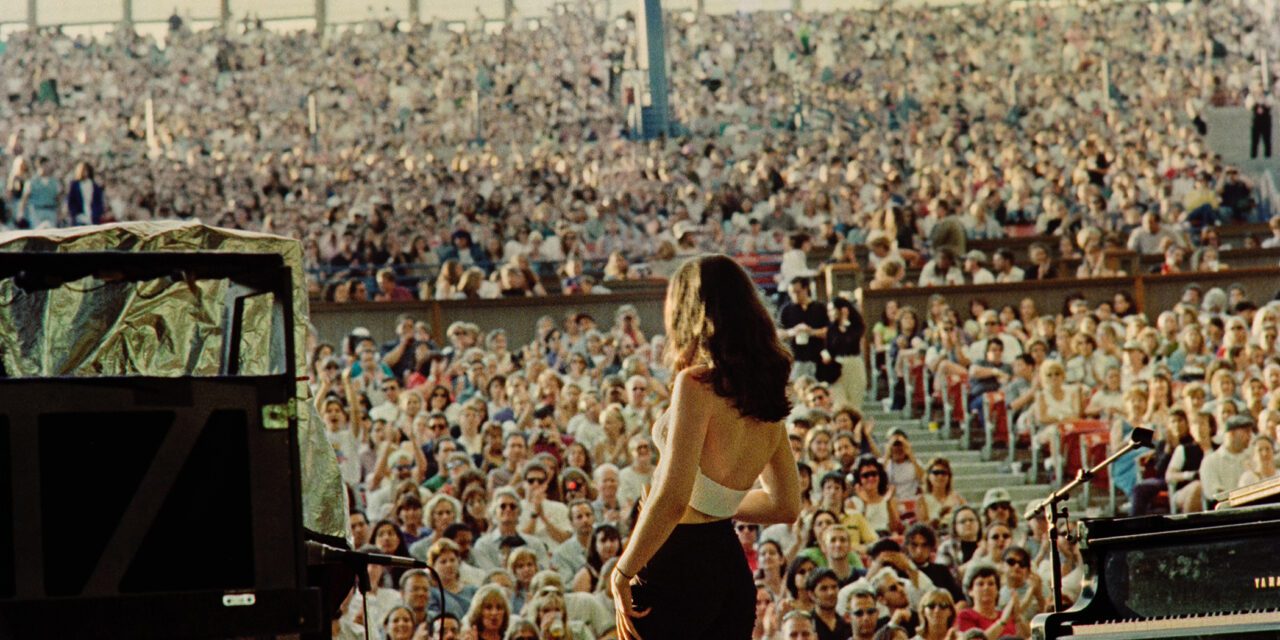
Directed by Ally Pankiw, Lilith Fair: Building a Mystery takes to the creation of the Lilith Fair by Sarah McLachlan, and its 3-year run from 1997 to 1999. Faced with the reality that female artists were not getting the recognition they deserved out of a fear that audiences would not enjoy listening to women back-to-back, McLachlan took matters into her own hand and organised a tour with Paula Cole. This would eventually grow into the wildly successful (and radical) Lilith Fair, featuring artists like Sinead O’Connor, Sheryl Crowe, Erykah Badu, and Missy Elliot. The documentary, produced by Dan Levy, features interviews with Levy, some of the Lilith Fair performers, as well as other artists inspired by them, like Olivia Rodrigo.
Watching the documentary was a little strange for me at first. I was not surprised by the stories that some of the artists’ recounted – misogyny in entertainment in the 90s is sad. But not shocking. I think watching the documentary and hearing that stations and tours were afraid to put too many women in the line-up was strange for me, because as alluded to in the documentary, seeing female performers centre stage was the norm growing up in the 2000s and ’10s. I would only discover the different kinds of misogyny they experienced as I got older.
It was also strange for me because going in, I might have had the same attitude people had towards the Fair towards the doc. I thought it was just going to be a bunch of white women I didn’t know, from a time when I was barely alive, singing songs in a genre I wasn’t familiar with. McLachlan addresses the evolution of the Fair from its first iteration to becoming more diverse by its end, and I bring that up because I think its diversity, not just racially, but in the genres it presented, was one of its strengths. It provided a place for people to listen to music they might not have willingly dug out otherwise and highlighted the beauty of each type of artist’s craft, which I think is special.
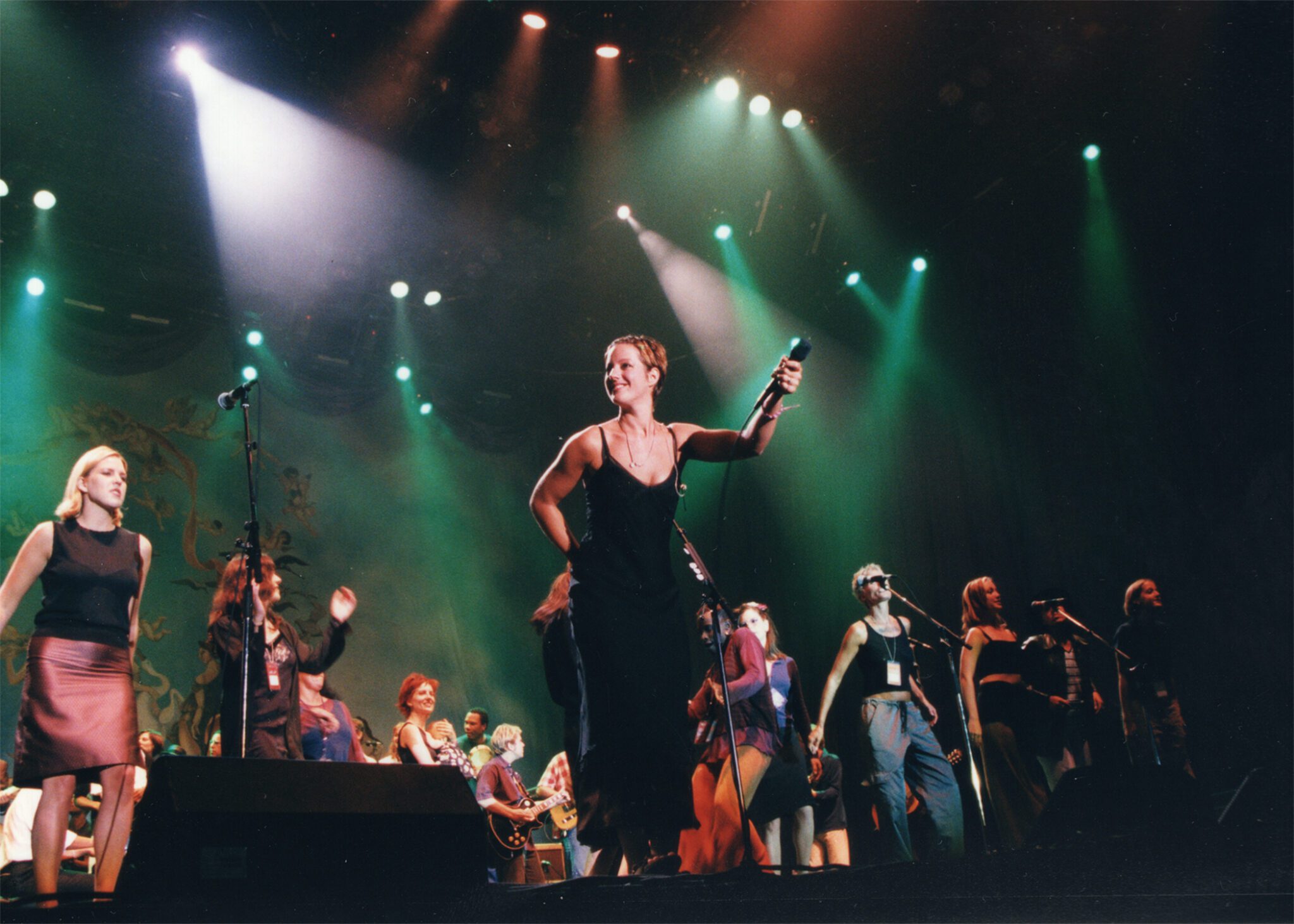
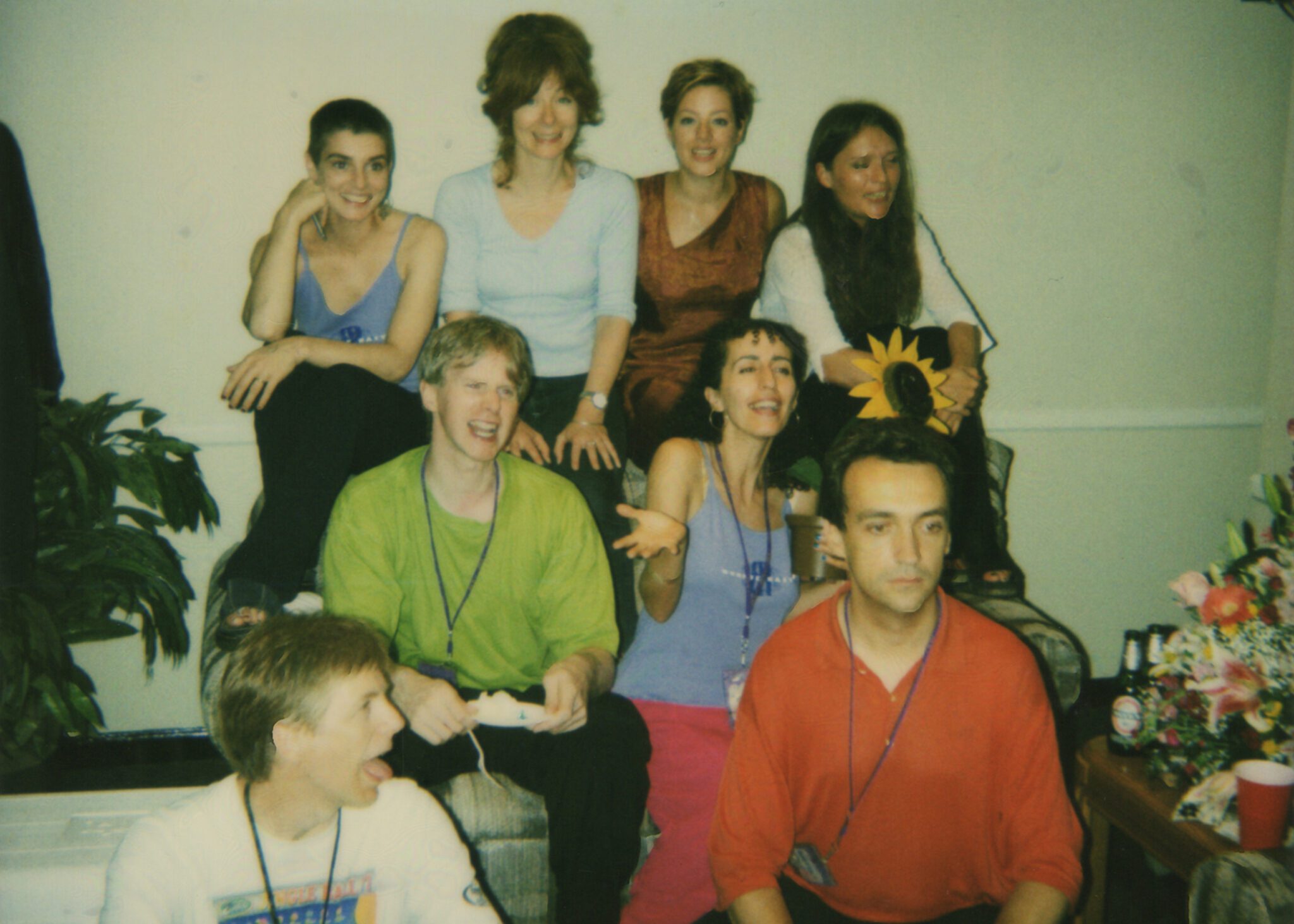
Another of its strengths, of course, was the community it provided. People featured in the documentary highlighted just how safe the gathering was, physically and emotionally, especially for women and queer people who faced varying forms of discrimination.
But, as I said, something I’m learning is that sometimes, life doesn’t give you what you believe you deserve. Sometimes, it takes you creating a space that celebrates you for others to do the same. The Lilith Fair was exactly that, and while female artists have made so much [headway] since then, it is a reminder of the kind of grit it takes to be heard.
Lilith Fair: Building a Mystery is available to stream on CBC Gem now.