Sometimes, the best weapon against men with guns are words.
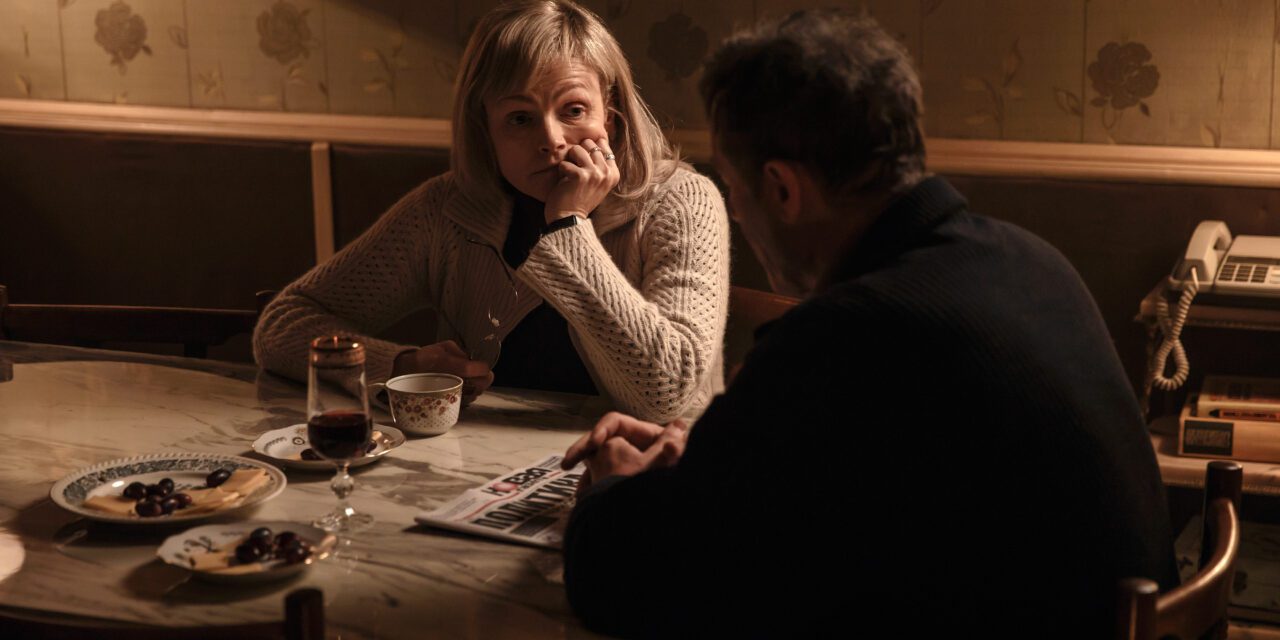
Words of War tells the true story of Anna Politkovskaya (Maxine Peake), a journalist and human rights activist in the early 2000s. Reporting on the conflict in Chechnya, Politkovskaya’s commitment to the truth led her into considerable danger. With an eye for exposing corruption, her writing would put her under the ire of Vladimir Putin, putting her life in the crosshairs of a government who like to see her disappear.
Directed by James Strong, Words of War is focused and fierce from. Despite leaning into the ‘war’ angle of the title at times, this tries to emulate the energy of films like All the President’s Men and The Post. While it doesn’t quite reach those heights, Words of War does keep gripping tension, especially as the film builds towards its riveting climax. Here, Politkovskaya is shown as a woman of conviction and principle.
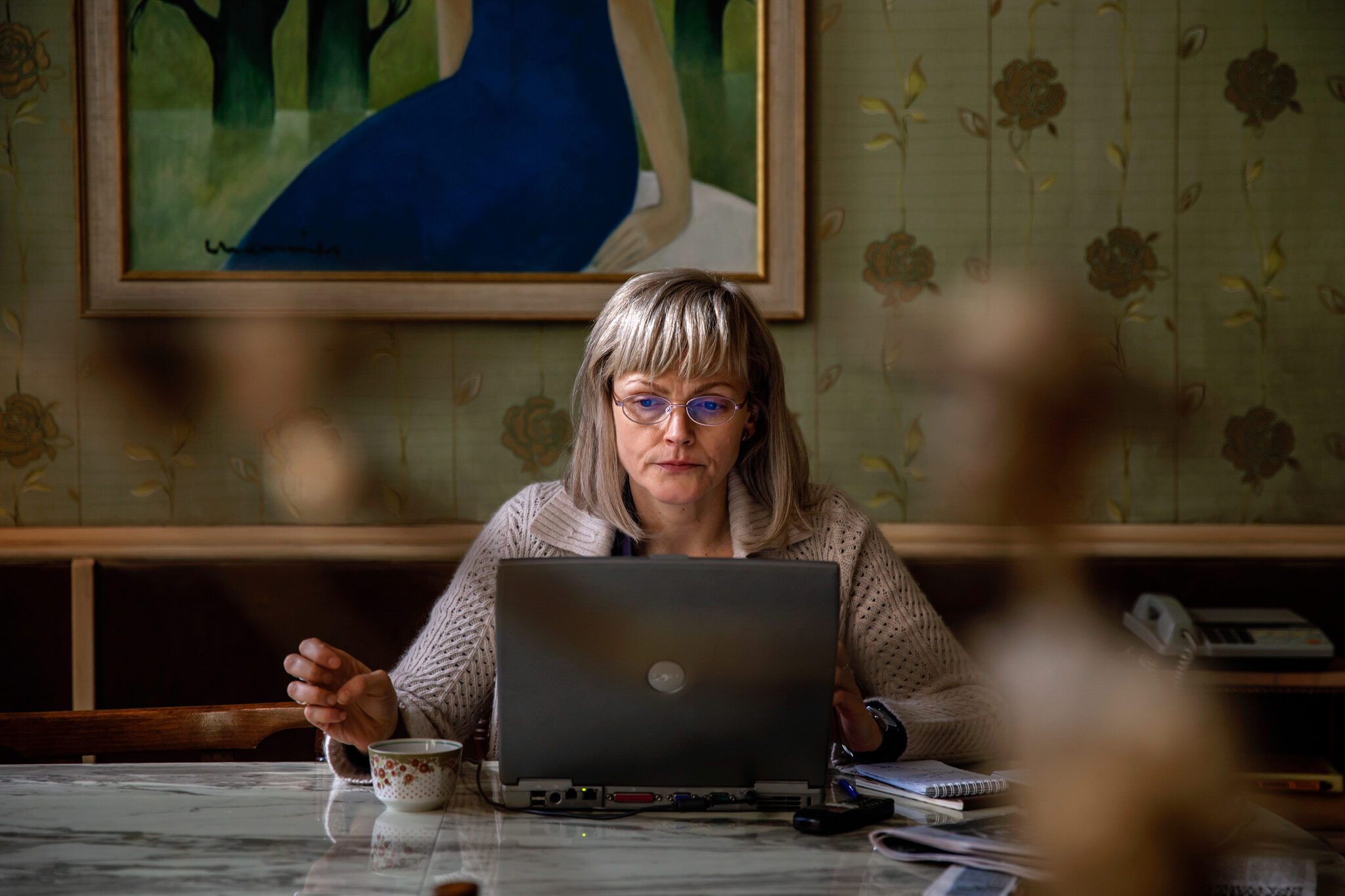
And, of course, much of the film’s success stems from a wonderful performance by. Peake. Despite sharing time with veteran co-stars like Ciaran Hinds and Jason Isaacs, it’s Peake who burns with constant heat. In every scene, she stands out with determination in her voice and a penetrating glare. In short, Politkovskaya comes to life because of the strength of her work.
And it’s Politkovskaya’s tenacity that Words holds in highest esteem. From war zones to hostage situations, Politkovskaya is relentless in her pursuit of justice for the people of Chechnya. There’s a fire in her belly that pushes her into impossible situations. Here, she is shown as a force of nature. To the oppressed, she is viewed as their saviour; a woman determined to fight for those who have no voice. To those in power, she is a threat, attempting to undermine the systems that they’ve established with fear and violence.
“I just want to help. I just want to help,” she repeats.
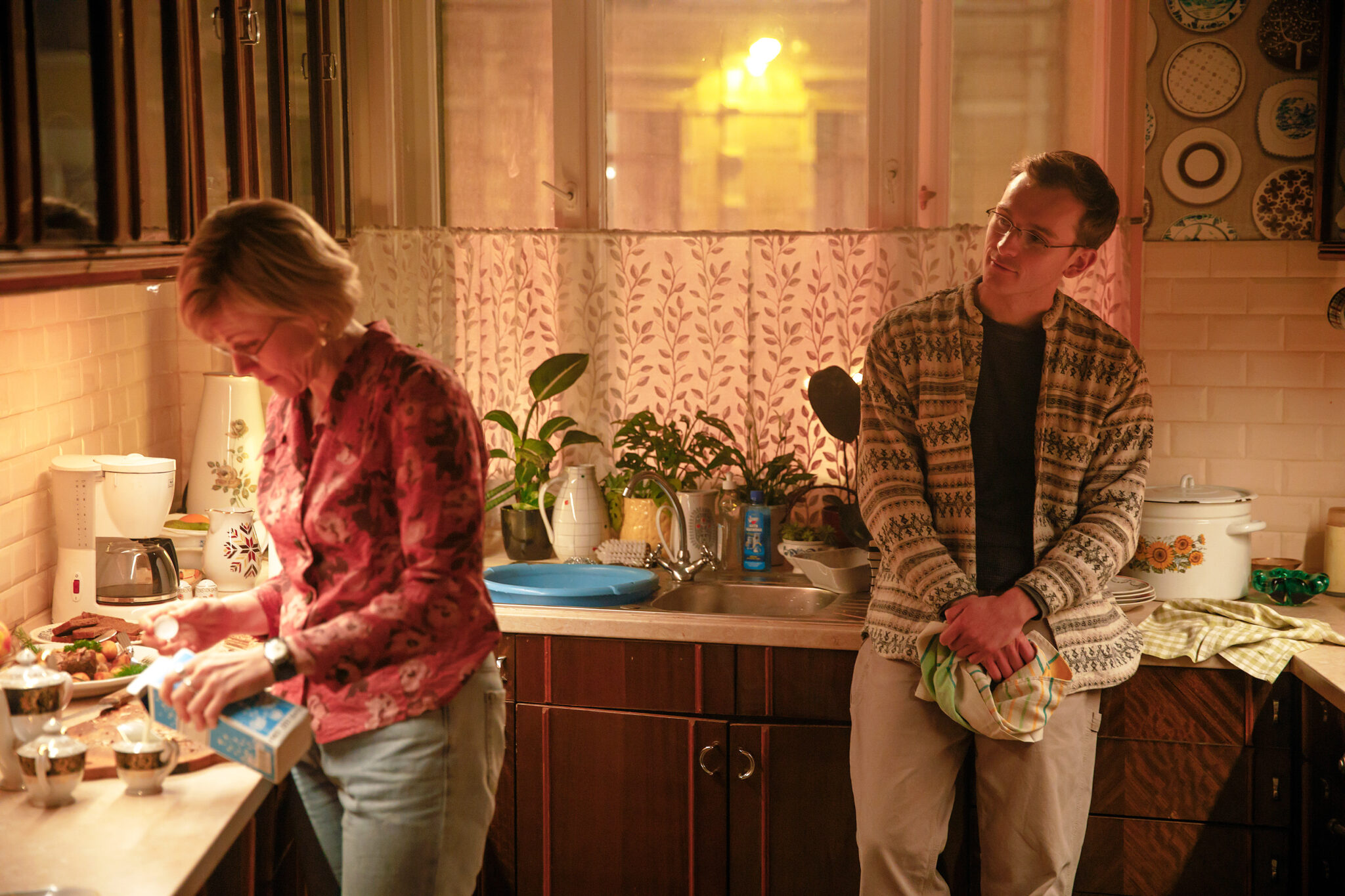
Having said this though, while Politkovskaya is clearly the film’s hero, she’s never fully painted as one either. With each move into the darkness, Politkovskaya is shown to burn her own share of bridges in the process. Her obsession with the truth fuels her actions to the point of obsession, leaving a trail of broken promises and relationships in her wake. (After all, “If you choose to be a journalist in Russia, you have to accept the risk,” she reminds us.) From making demands of her editor to tensions at home, Politkovskaya remains so dedicated to exposing the truth that she fails to see perspectives outside of her own.
Publicly, this sort of drive makes here a legend. But privately, she does damage to the people she loves.
Yet that same fury is what elevates Words of War to the level of relevance. Coming at a time when war (almost) feels on the horizon, this is the sort of film that cries out for truth to win the day. Politkovskaya’s furious hunt for the facts taps into our current cultural anxieties about exposing corrupt world leaders. Strong tells the story with such intensity that one cannot help but become engrossed within it.
Words of War is available on VOD now.