If anyone was going to convince me that we needed another adaptation of Carrie, it was Mike Flanagan.
Flanagan has an extraordinary ability to take familiar horror stories, locate the humanity buried inside them and somehow make them feel new again. With Carrie, he doesn’t attempt to replace Brian De Palma’s iconic 1976 film. Instead, he asks what Carrie White’s story means in 2026, and the answer is frighteningly relevant.
Bullying has changed. Humiliation no longer ends when you leave school; it follows you home through social media, can be recorded and distributed instantly, and potentially exist forever. Flanagan understands how terrifying that reality would be for someone like Carrie. The cruelty surrounding her, therefore, feels contemporary without the modernization becoming a gimmick.
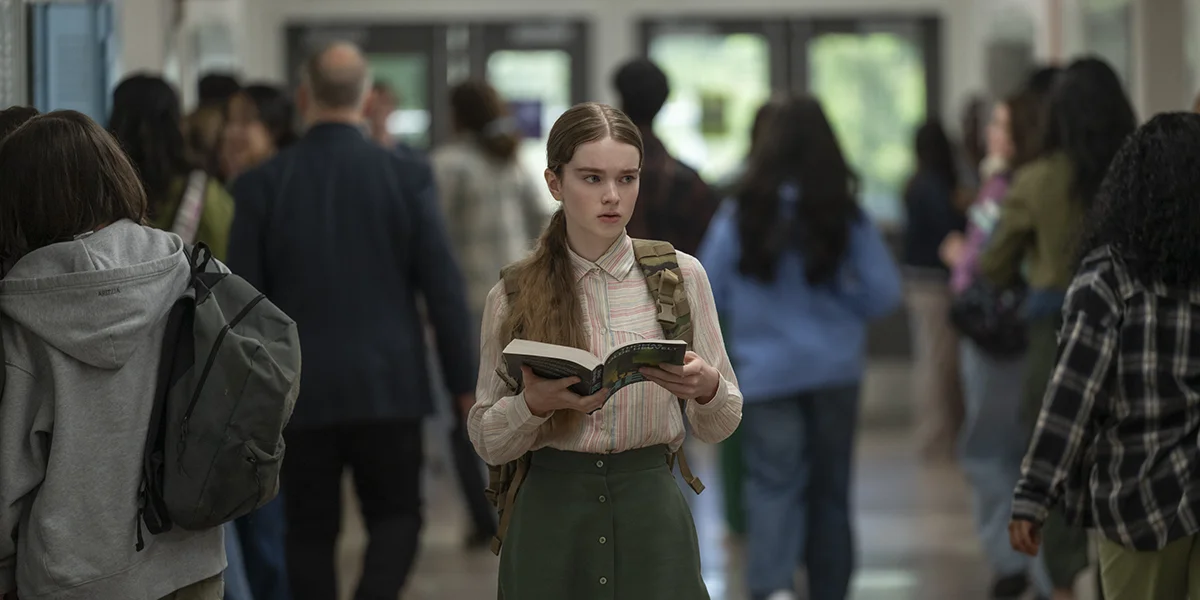
Expanding the story into eight episodes also gives Flanagan room to do what he does best: make us care deeply about people before destroying us emotionally. Carrie becomes more than the strange girl destined to stand beneath a bucket of blood. Summer H. Howell gives a remarkable performance, finding sweetness, awkwardness, anger and yearning in a character whose tragedy we already know. Samantha Sloyan is equally compelling as Margaret, bringing Flanagan’s trademark fascination with religion, repression and generational trauma into one of Stephen King’s most infamous mother-daughter relationships.
Visually, the series is gorgeous, atmospheric, and appropriately unsettling, but Flanagan understands that horror works best when the terror series is gorgeous, atmospheric, and appropriately unsettling, but Flanagan understands that horror works best when the terror means something. Telekinesis and blood may provide the spectacle, but loneliness, cruelty, and our desperate need to belong provide the horror.
That has always been Flanagan’s gift. He doesn’t modernize classic material by simply giving everyone smartphones. He finds the contemporary anxiety hiding inside an old story.