

Kill the light.
Spoken by Ali’s father in The Things You Kill, that simple phrase says far more than one’s expectation of saving electricity. Instead, it’s a commentary—or, arguably, a calling—to destroy what’s good. And this quickly becomes Ali’s greatest challenge.
In The Things You Kill, we meet Ali (Ekin Koç), a Turkish man who has returned to his home country with his wife after living 14 years in America. As a teacher of literature, he spends his days empowering university students to understand the human condition. But he could stand to learn some of those lessons himself. After his mother suspiciously dies, Ali’s world is upended. As his long-suppressed resentment towards his father is triggered, Ali finds himself faced with his own anger. And, when an opportunity presents itself to lean into his dark side, Ali must decide what sort of man he is going to be.
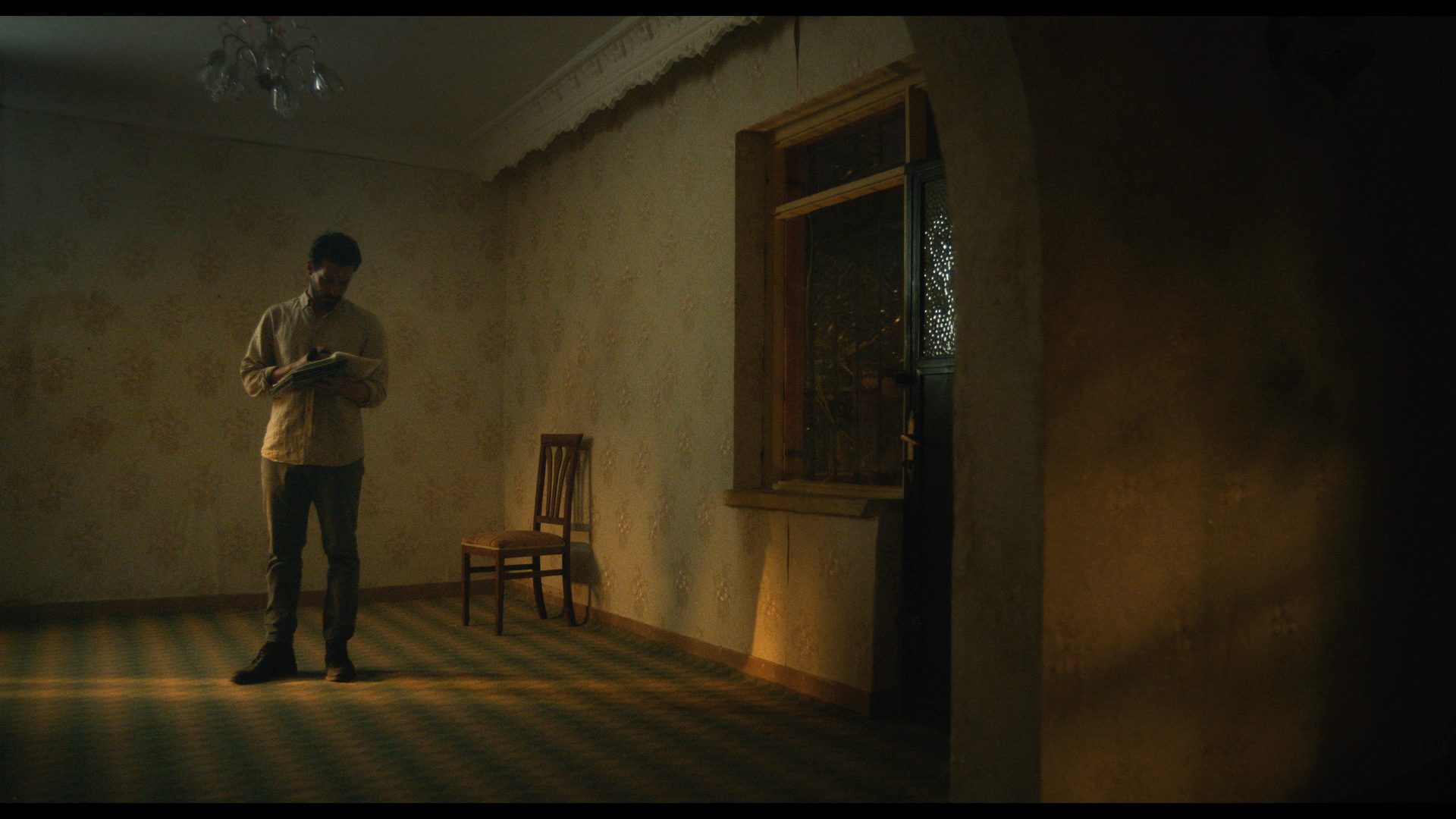
Written and directed by Alireza Khatami, The Things You Kill is a gripping thriller that captures the complicated nature of masculinity. Fusing elements of his own personal journey into his characters, Khatami has created a film that never allows the viewer to be comfortable. Everything about this world feels dry and desolate. Filling the space with warm colours, Khatami keeps the viewer feeling parched and overheated everywhere they turn. Everywhere, that is, except the cool of the shadows. Here, the darkness feels most inviting. And, as his characters dance with their own brokenness, this is a world that remains destabilized, creating opportunities for some truly shocking moments.
Ali is a complicated and utterly fascinating protagonist for us to follow. Khatami has woven a character that feels entirely earnest. His struggles with infertility feel genuine, placing an incredible stress upon him. In a culture built upon male dominance, the fact that he may be unable to conceive eats away at him. Combined with the instability of his job, Ali finds himself feeling lost. While he doesn’t feel like he fits the domineering masculine mold of the culture, he doesn’t want to be viewed as weak by others, especially his wife.
Further, his love for his mother is palpable. As she falls ill, we see the toll that her mortality takes upon him. As such, he is a man of empathy and kindness. And he wants to do the right thing for those he cares deeply about.
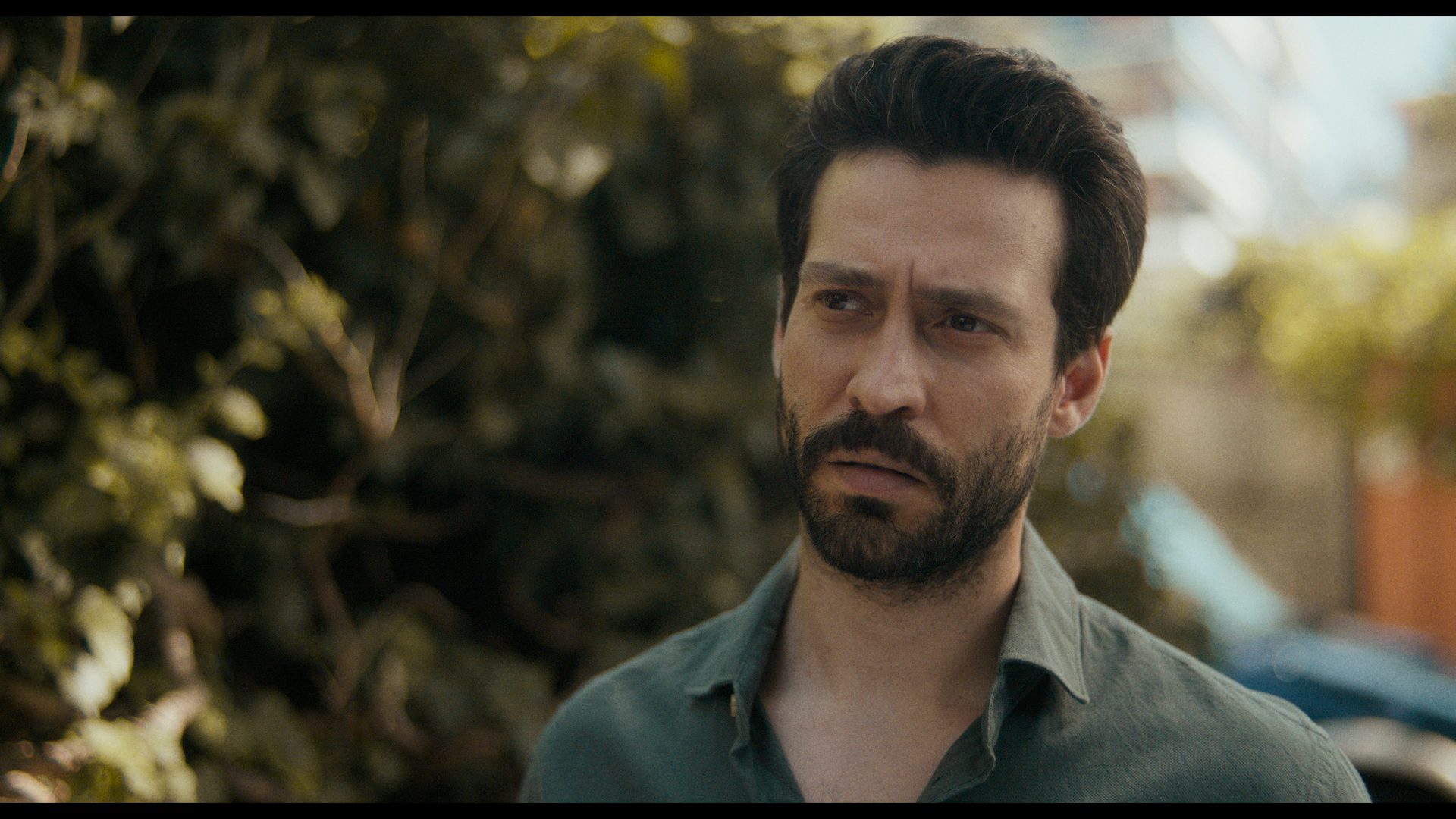
Yet, at the same time, Ali’s journey is also one fueled by his own inner darkness. As the traumas of his life become clearer, we see his rage simmering beneath him. Burning with the embers of hatred, his anger seems to be devouring his soul.
Kill the light, indeed.
In some ways, his father’s words describe exactly what’s happening with Ali. Despite having the pieces necessary in his life to live with hope, Ali is slowly beginning to succumb to his own fury. Is he a good man? On the surface, yes. He loves his wife and family and cares deeply about helping his students. But there’s something changing within him that threatens to drag him down into places that he would not otherwise tread.
Much of the effectiveness of Ali’s story stems from a stunning performance by Koç. As Ali, he manages to bring forth his empathetic nature while never allowing us to be comfortable with him. Even at his most charming, there’s something behind Koç’s eyes that feels… unstable. We watch him with compassion but still want to keep our distance.
In short, something seems… off.

And therein lies the ultimate question of Things You Kill. Faced with the enormous pressures of life, Khatami’s Ali is trying to figure out which parts of himself must survive in order to keep from drowning in his demons. From masculinity to deep-seeded resentment, he is actively fighting for his humanity. But whether or not Ali is going to ‘kill the light’ remains to be seen.
The Things You Kill is available in theatres now.