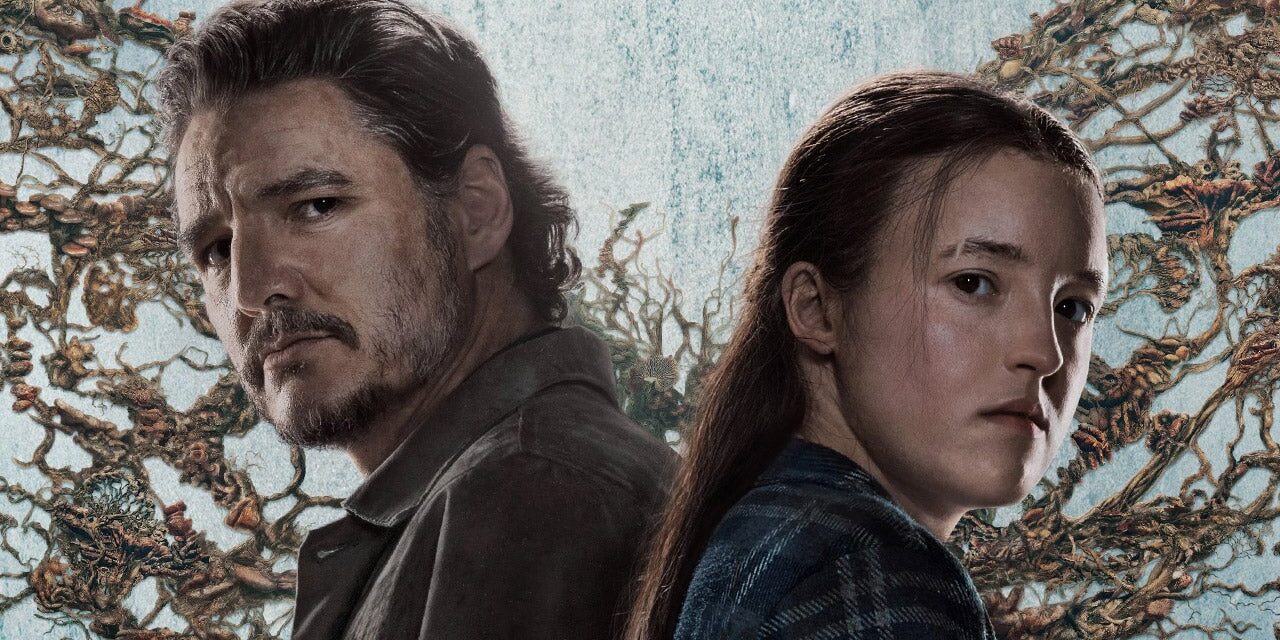
Just to be clear: I’ve never played the videogame version of The Last of Us. But I’ve been totally engrossed by the dynamics of the story that involves the broken and battered emotional father figure Joel (Pedro Pascal) and his surrogate daughter Ellie (Bella Ramsey). Yes, there’s a zombie apocalypse going on, but some of the family situations feel incredibly realistic — the good, the bad, and the ugly.
In the second season, we find Joel and Ellie settled in Jackson, Wyoming, where Joel’s brother Tommy (Gabriel Luna) and wife Maria (Rutina Wesley) run a community/outpost of humans fighting to stay free of the infection. Our two ‘heroes’ are estranged, understood to be about Joel’s lie to Ellie at the end of the first season. I’m still trying to wrap my mind around why that’s the problem with the fate of the world at stake all around them, but hey, it’s adolescence!
While Joel is being hunted by Abby (Kaitlyn Dever) and infection is hunting everyone, Ellie is fighting for her independence as she sees it, and questioning… everything. Ellie wants to know why she can’t be on patrol hunting zombies; she wants to figure out who really loves her and how she feels about them. She doesn’t want to be a kid anymore. And the brutal world of The Last of Us forces her to adapt even faster than she might’ve imagined.
The show starts slow, but then flies at us fast and furious. The problems with zombies, much like The Walking Dead, are hardly as problematic as the problems we have with other humans. Rather than working together for a common way forward, we’re pretty good as humankind at making a bigger problem out of our issues, and the show lets us see that through the veneer of malformed zombies and lots of broken hearts in the show. And sometimes, we find ourselves wishing for the good old days, when the things we thought were hard aren’t nearly as hard as where we end up.
Ellie ends up with more freedom, but freedom isn’t what she thought it was.
The second season is available now.