
In Sherman Alexie’s The Business of Fancydancing, there is a scene in which the main character, Seymour Polatkin (Evan Adams) recalls coming out to his traditional Native American grandmother. He tells her that he has two spirits. Actually, I think he has many dichotomies within himself—as do most of the other people we meet in the film. A new restoration of the 2002 film is currently being seen in select theaters.
Seymour, a gay Indigenous American poet, has found his life away from the reservation and the culture where he grew up. In the opening, we meet him and his cousin Aristotle (Gene Tagaban) at high school graduation as they both plan to head to Seattle for college. In college, Seymour is in his element, but Aristotle only becomes angry at the white world, and soon returns to the rez. When an old friend dies suddenly, Seymour returns to the rez for the funeral. He is confronted with the world he has left behind.
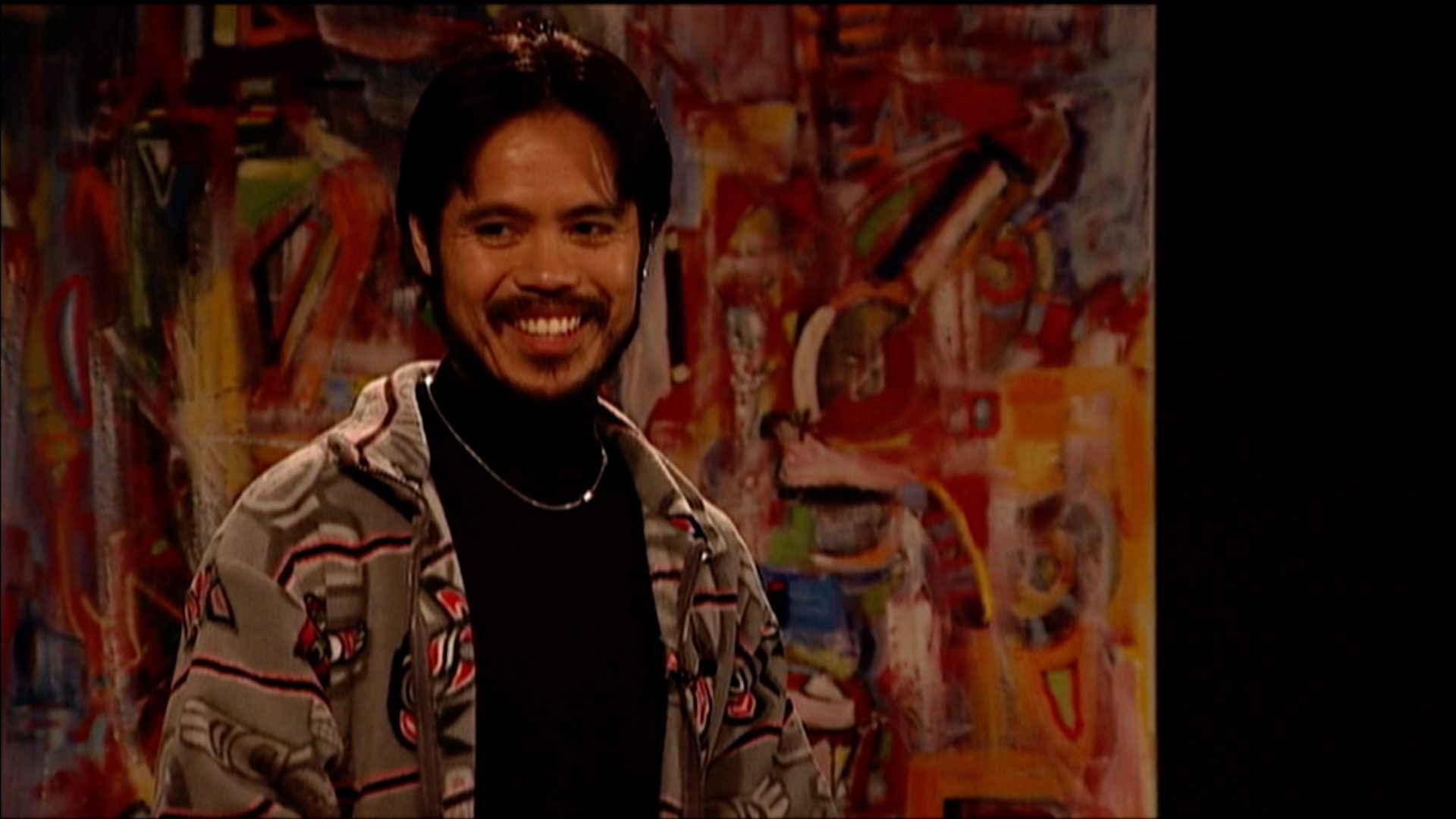
There are three characters that I think reflect various aspects of “two spirits”. Seymour, with his sexuality, but also his relationship to his background. Most of his poems are about the rez and what it is like to be Native American. Yet, he has turned away from that aspect of his life.
It is interesting that near the beginning, as we hear Seymour read one of his poems, we see two blurbs about his work. A presumably white review calls his poetry “funny, angry, authentic, and ultimately redemptive;” while an Indigenous website calls him “full of shit.” There is a sense in which Seymour has built his life as being something of a professional Indian for white audiences. Yet the “authenticity” of his poems, does not play as well on the rez.
Aristotle also displays two spirits. He is tremendously connected to Seymour, but is filled with anger over Seymour’s absence and the way he portrays Indigenous life. He has seen the world off the reservation and rejected it, even if life on the rez is much harder. The rez is not just his home, it is his identity.
The third two spirited person is Agnes (Micchelle St. John), who is half Indigenous but grew up off the reservation. She met Seymour in college and they became lovers until he discovered he was gay. She is the opposite of Seymour. While he left the rez for the white world, she left the white world to return to the rez. She and Seymour still have feelings for each other, but things are different now.
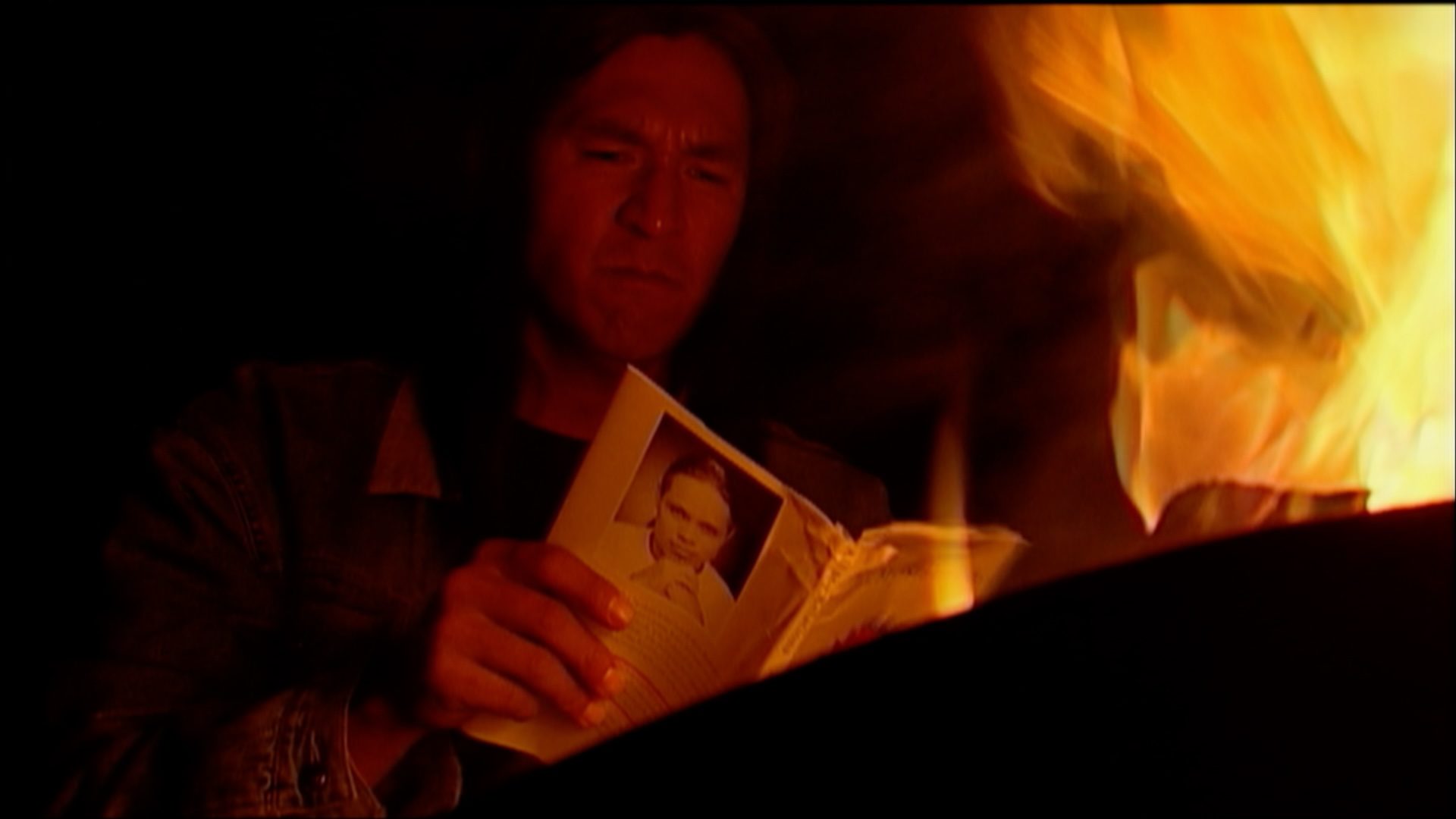
The film itself is a bit two-spirited. It jumps around quite a bit, between past and present, between plot and imagination. In Seymour we have a protagonist who may never find the balance between his two spirits, even though Aristotle and Agnes seem closest to such a balance. I suspect that in many ways, this film is part of Alexie’s struggle for that balance.
Photos courtesy of Kino Lorber.