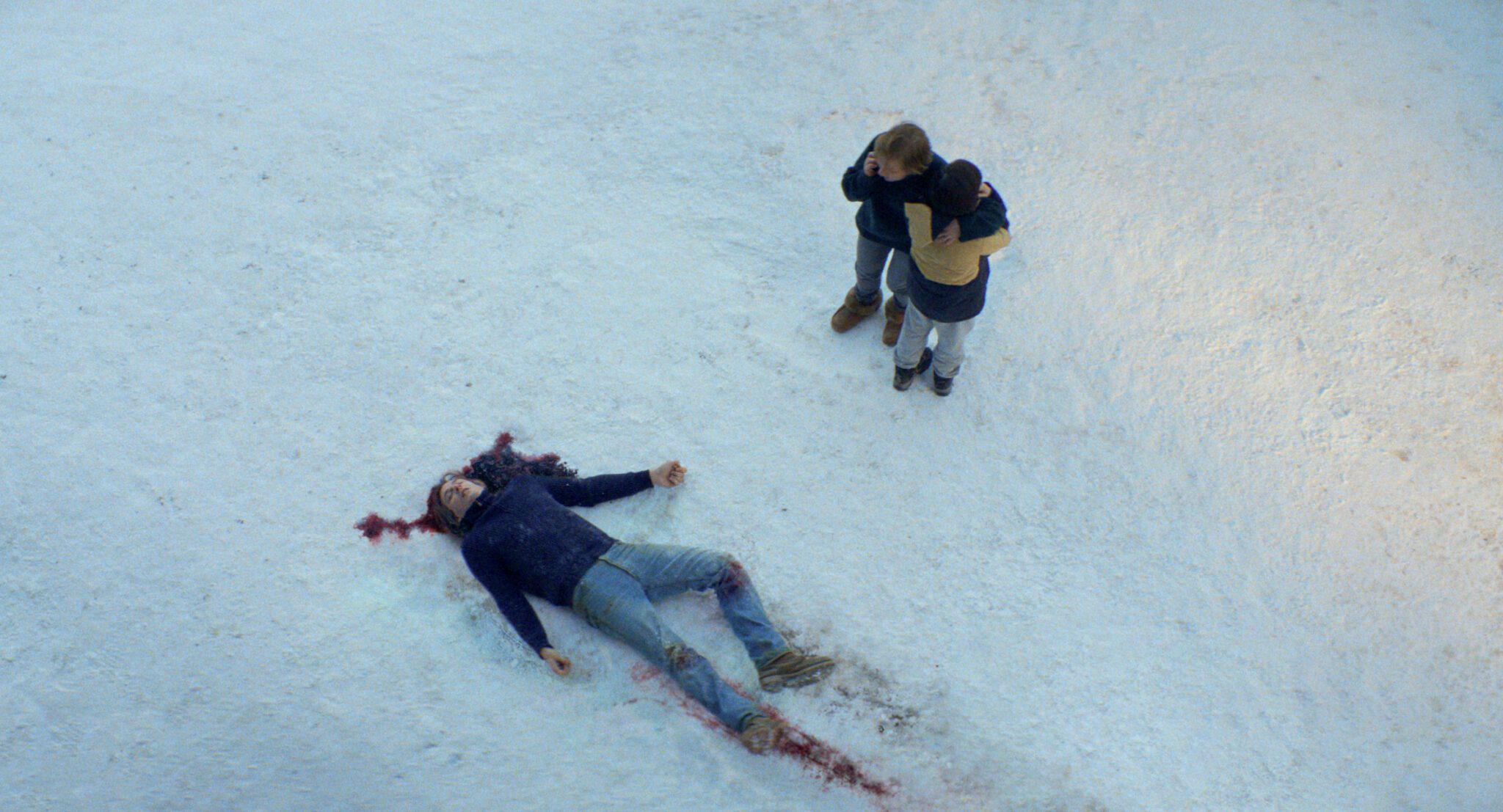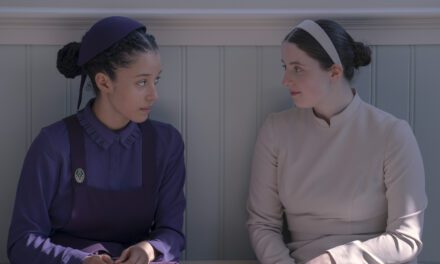
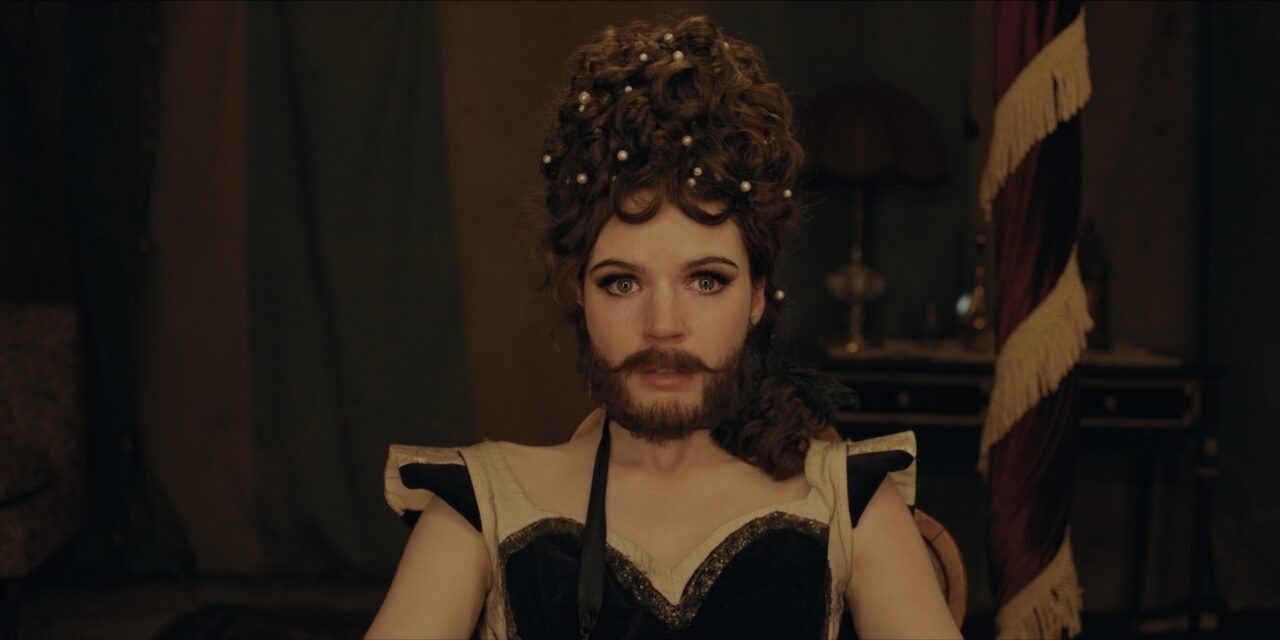
On the brink of inheriting the position of The Bearded Woman—matriarchal leader of an outcast community of circus performers—a young woman defies her overbearing mother and runs away instead. Free from the expectations and responsibilities at home, she seeks romance and adventure with the “normies” in a tiny farm town. In order to fit in, she reinvents herself with stories of a fabricated past, until the truth of who she is can no longer be concealed.
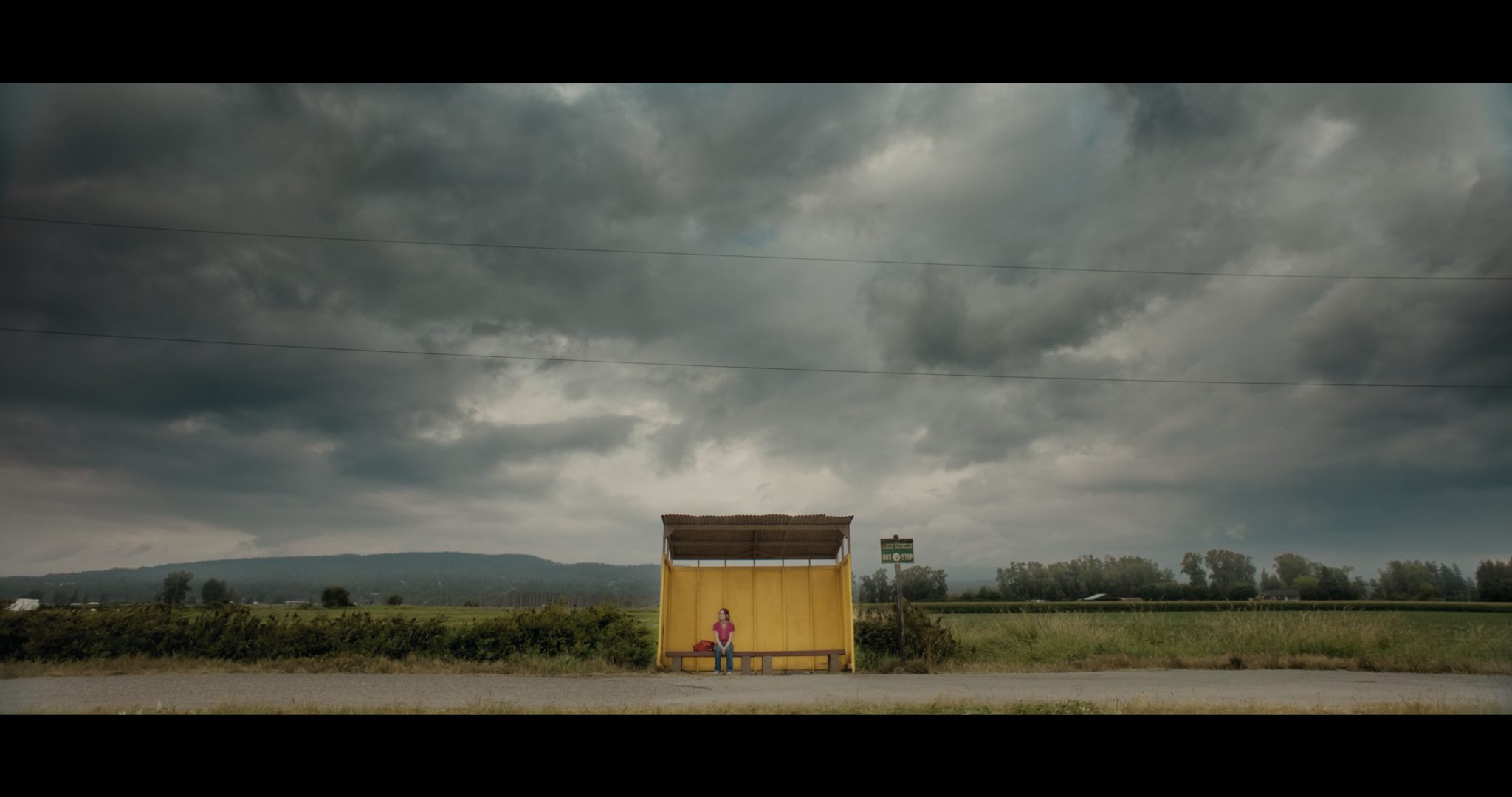
Influenced by early Wes Anderson and Roy Andersson, the film uses minimal sets and resources to create a strange, odd world. Symmetrical framing and unusual props reveal interesting details about the characters and the universe they inhabit. The production transports viewers to a beautiful rural setting where circuses are taken seriously, yet the town is filled with quirky characters who live largely unconcerned with modern norms. While the world incorporates familiar modern elements, the props and design render them timeless and comical. In this world, carnival tricks—like sword swallowing—are treated with deadly seriousness, and a drag tarot-card reader offers wisdom beyond what’s in the cards. The audience is invited into a different reality, one that communicates the weight of the characters’ devotion to their carnival legacy—a legacy jeopardized when the young bearded lady leaves. There is a campy quality to the film, using absurd lines, people, and situations to explore deeply human truths and reflect on the nonsense we all experience.
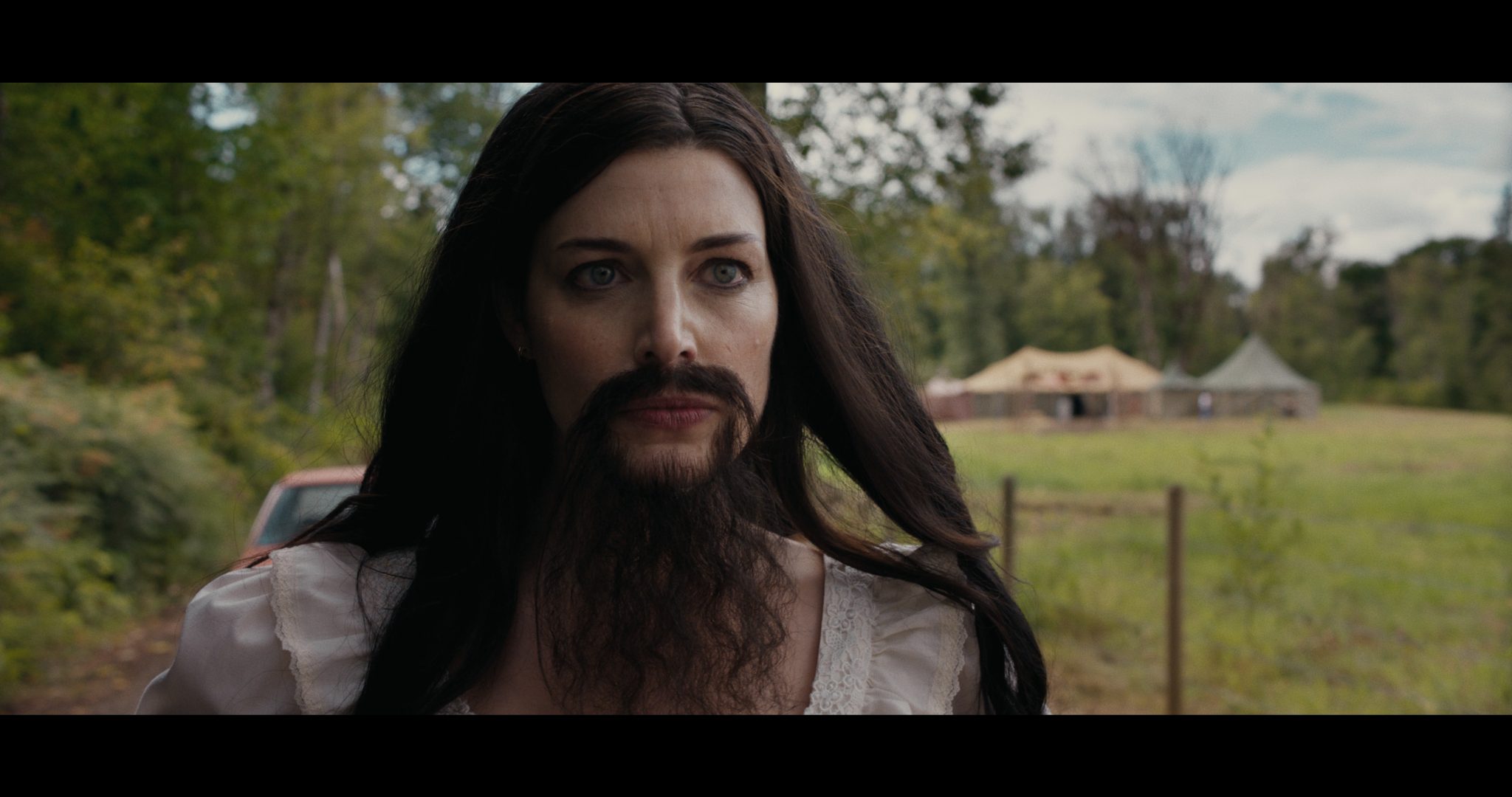
The humor emerges organically through minimal effects, odd human behaviors, and carefully considered makeup and costumes that make the world uniquely off-kilter yet intriguing. Longer dialogue scenes are enlivened by cheeky line delivery, humorous names, and witty commentary, making plot-driven dialogue more immersive and entertaining. Vibrant use of colour throughout many frames also makes the visuals consistently engaging.
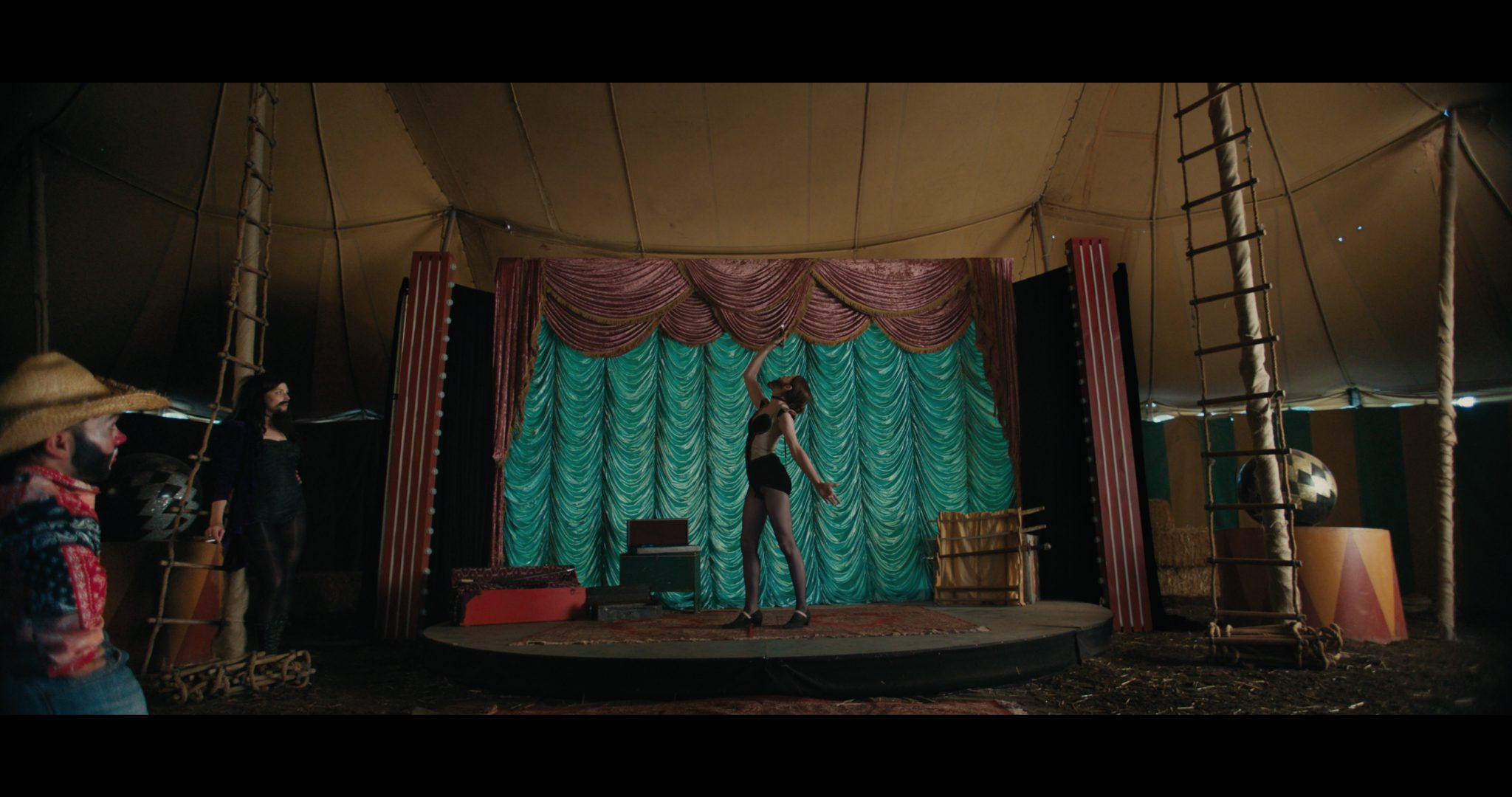
The story centres on a young woman coming of age under absurd and uniquely odd circumstances, allowing the film to explore, in a universal way, what it feels like to be an outsider and to navigate parental expectations that feel impossible to meet. The narrative mirrors a hero’s journey in a jovial and humorous way, where early lessons resurface later in the story. In the film, The Bearded Woman symbolizes matriarchy—the assertion of women’s autonomy in a world that still seeks to undermine it. At the same time, the story emphasizes that women must cultivate their own independence to forge their own paths. They cannot simply inherit the power, position, or confidence of their mothers or grandmothers; they must develop their own identity and self-assurance.
The Bearded Girl is available in theatres now.