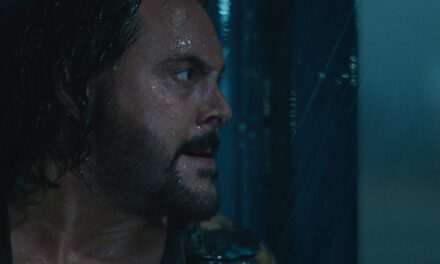
In the face of the digital revolution, it’s time to become an Apocaloptimist.
Directed by Daniel Roher and Charlie Tyrell, The AI Doc: or How I Became an Apocaloptimist is a hand-made exploration of the game-changing invention of artificial intelligence. As possibly the most powerful technology that humanity has ever invented, AI has excited many and terrified even more. Featuring fascinating conversations with industry experts, Roher attempts to uncover what the benefits of this new world may be and, perhaps more importantly, what’s at stake if we get it wrong.
The AI Doc may be the most necessary and timely documentary of the year. Birthed out of Roher’s intrepid fear of our technological future, Apocaloptimist is brutally honest, often hilarious and very, very fair.
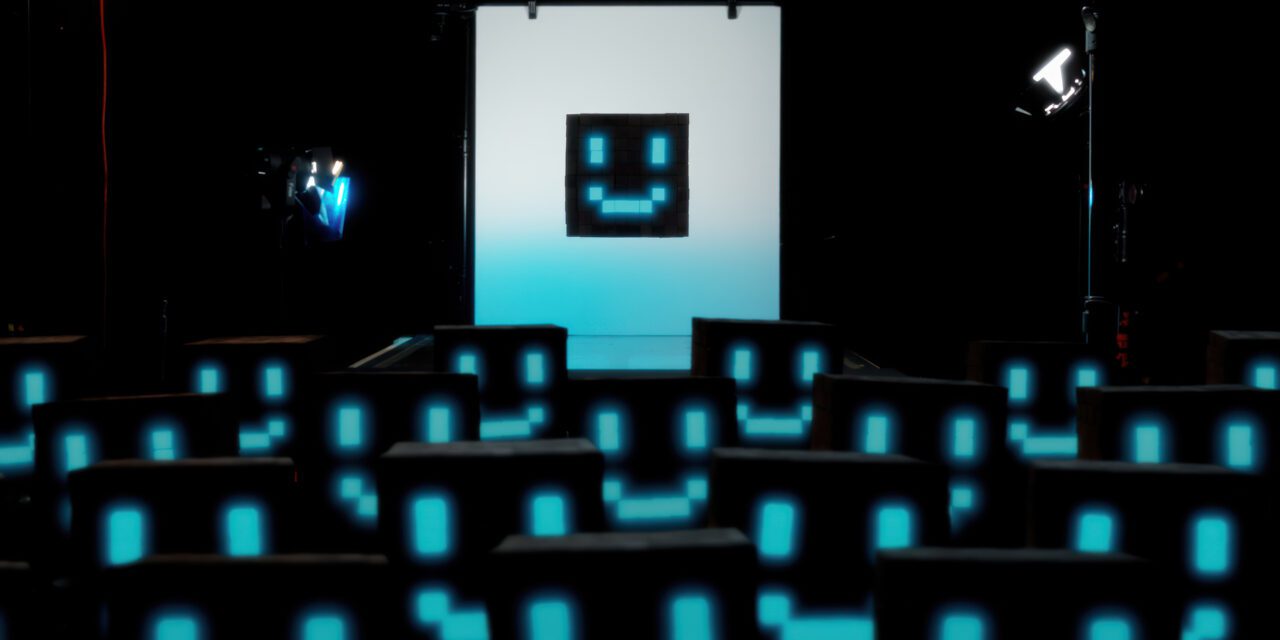
Interestingly, as a creator himself, Roher ensures that his artistry is preserved. Using no AI in the development of his animation, there’s something about the film that feels almost tactile. And this, obviously, is intentional. He believes in the power of the artist and the decision to build his worlds with his own hands reveals his sensitivity on the issue.
It’s that same resistance that drives him in the creation of this film. Speaking with some of the leading experts of the technology, Roher works hard to grapple with the hard questions related to artificial intelligence. Wrestling with some of AI’s most troubling concerns, Roher taps into the current cultural zeitgeist. Should we be afraid of AI’s evolution? What does it mean for the current workforce? For families? For global politics? All of these fears and more are thrown openly out on the table with his subjects. (And the example of the AI that was given access to a company computer will send chills down your spine.) What’s more, because Roher places the camera on himself as well, Apocaloptimist feels like more than simply fact-checking.
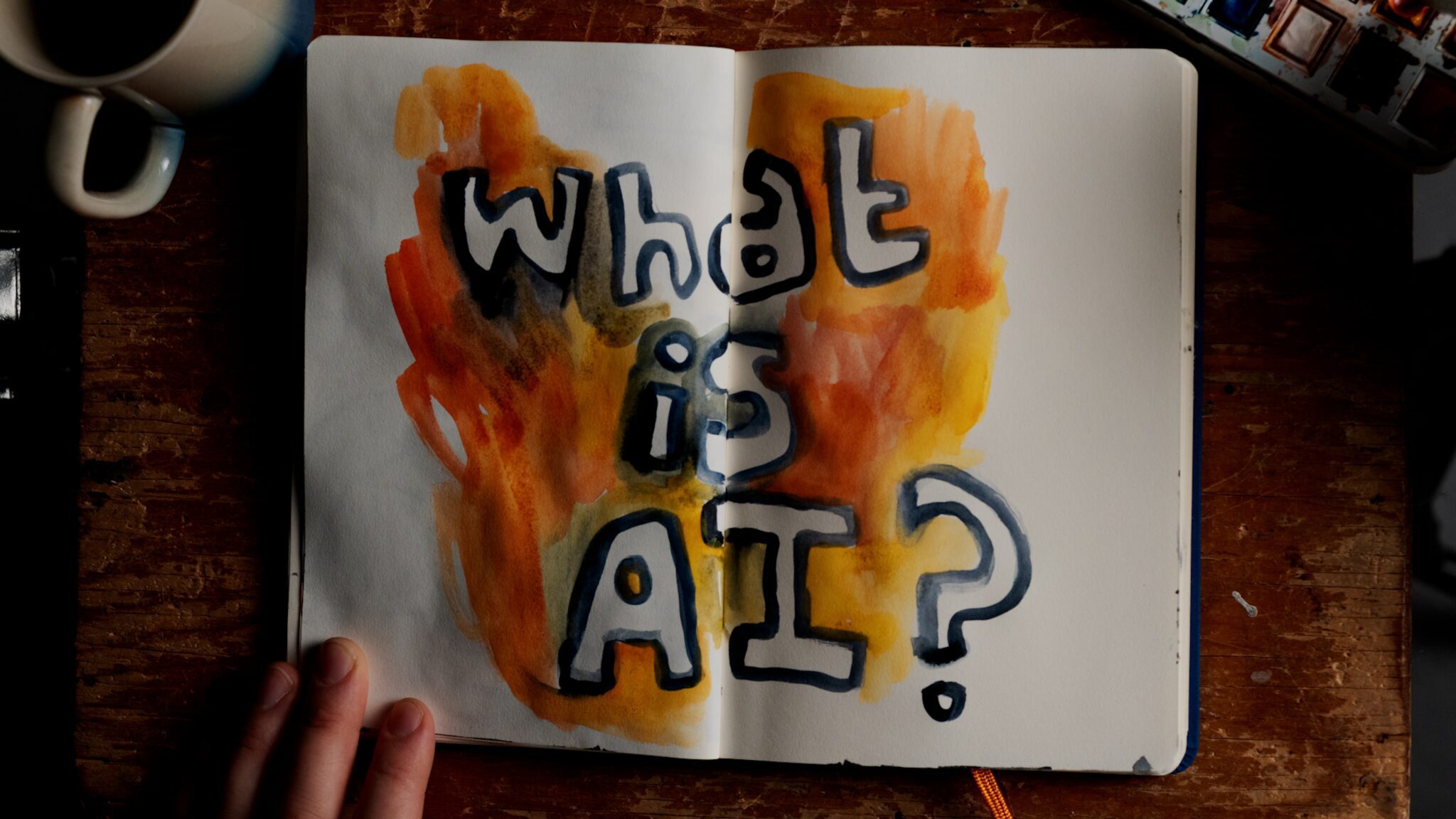
Production still from directors Daniel Roher and Charlie Tyrell’s THE AI DOC: OR HOW I BECAME AN APOCALOPTIMIST, a Focus Features release.
Credit: Courtesy of Focus Features. © 2025 All Rights Reserved.
Instead, he feels like he speaks for all of us.
Credit must be given to Roher for asking the tough questions. Speaking with top CEOs such as Google DeepMind’s Demis Hassabis and Open AI’s Sam Altman, Roher has a seat at the table some of AI’s most important figureheads. These are people who have everything to gain by painting the rosiest of pictures about their industry. But Roher’s questions get more than glib responses from his subjects. Instead, they offer both praise and concerns and, sometimes, have no answer at all.
Frankly, it’s refreshing.
At the same time, Apocaloptimist is more than doom and gloom. Instead, Roher also tries to see the benefits of the AI revolution. With other experts who are directly involved with the development of artificial intelligence, Apocaloptimistalso reveals the ways that a changing world isn’t so bad. Even with the potentially terrifying realities, Roher manages to find a sense of hope. (The film is titled how to be an apocaloptimist, after all.) These moments help offset the pervasive fear of this new wave of technology, allowing the film to feel surprisingly balanced in its approach.
That’s why it’s essential viewing. This is the sort of exploration that recognizes the joy in progress, without ever forgetting to sit within the more difficult questions. Acknowledging that artificial intelligence is just a technological tool, Roher suggests that it’s an opportunity to change the world for the better. But how that tool is used will determine whether or not that’s possible.
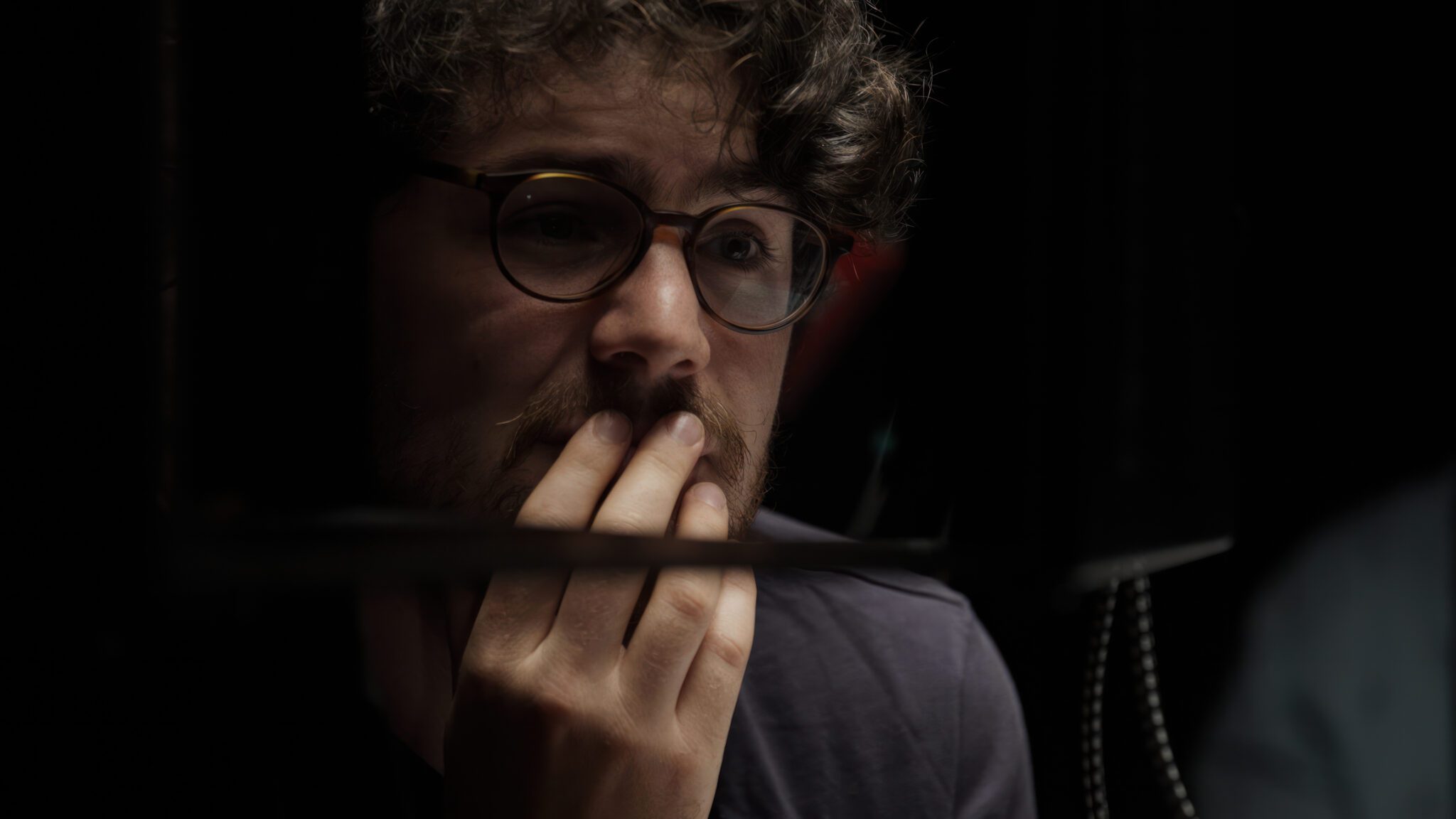
Co-director Daniel Roher (along with Charlie Tyrell) during the production of THE AI DOC: OR HOW I BECAME AN APOCALOPTIMIST, a Focus Features release.
Credit: Courtesy of Focus Features. © 2025 All Rights Reserved.
And it’s that argument that seems most terrifying.
After all, with the incredible technological power of artificial intelligence, it’s the ones who wield it that decide whether to use it for good or evil. The same companies that can use it to create new products and change the world can also use it to cut costs and lay off employees. Apocaloptimist holds these realities in tension but does so with hopefulness. (Whether or not that’s naïve depends entirely on your point of view.)
As a result, The AI Doc is necessary for everyone. For those who are skeptical of AI, this is the sort of film that will make you feel seen and, perhaps, offer a glimmer of hope. Yet, for those who only see positives in the world of artificial intelligence, this is the sort of film that reminds us of the responsibility of wielding such power foolishly. Either way, Apocaloptimist proves that ‘the future is not automatic’. And it demands to be seen.
The AI Doc: or How I became an Apocaloptimst is available in theatres on Friday, March 27th, 2026.