Is there any room for mercy in justice? Is there any justice in mercy? What if we substitute “vengeance” for “mercy”? Jafar Panahi brings these issues to the fore in It Was Just an Accident. While the film, as with all Panahi’s films, is firmly footed in Iranian society, there is a universality to the concept that calls us to consider our idea of justice. It Was Just an Accident is France’s Oscar® submission for Best International Feature, and has been shortlisted for a nomination. It won the Palme d’Or at Cannes last year.
When a family is driving on a country road at night, the father, Eqhbal, hits a dog. Soon, the car breaks down near a garage where someone helps getting the car going, but Vahid, who also is at the garage, recognizes him as a sadistic prison guard known as “Peg Leg”. He stalks him and kidnaps him, taking him to a secluded spot where he begins to bury him alive. Eqhbal denies he is Peg Leg, and raises doubt in Vahid’s mind.
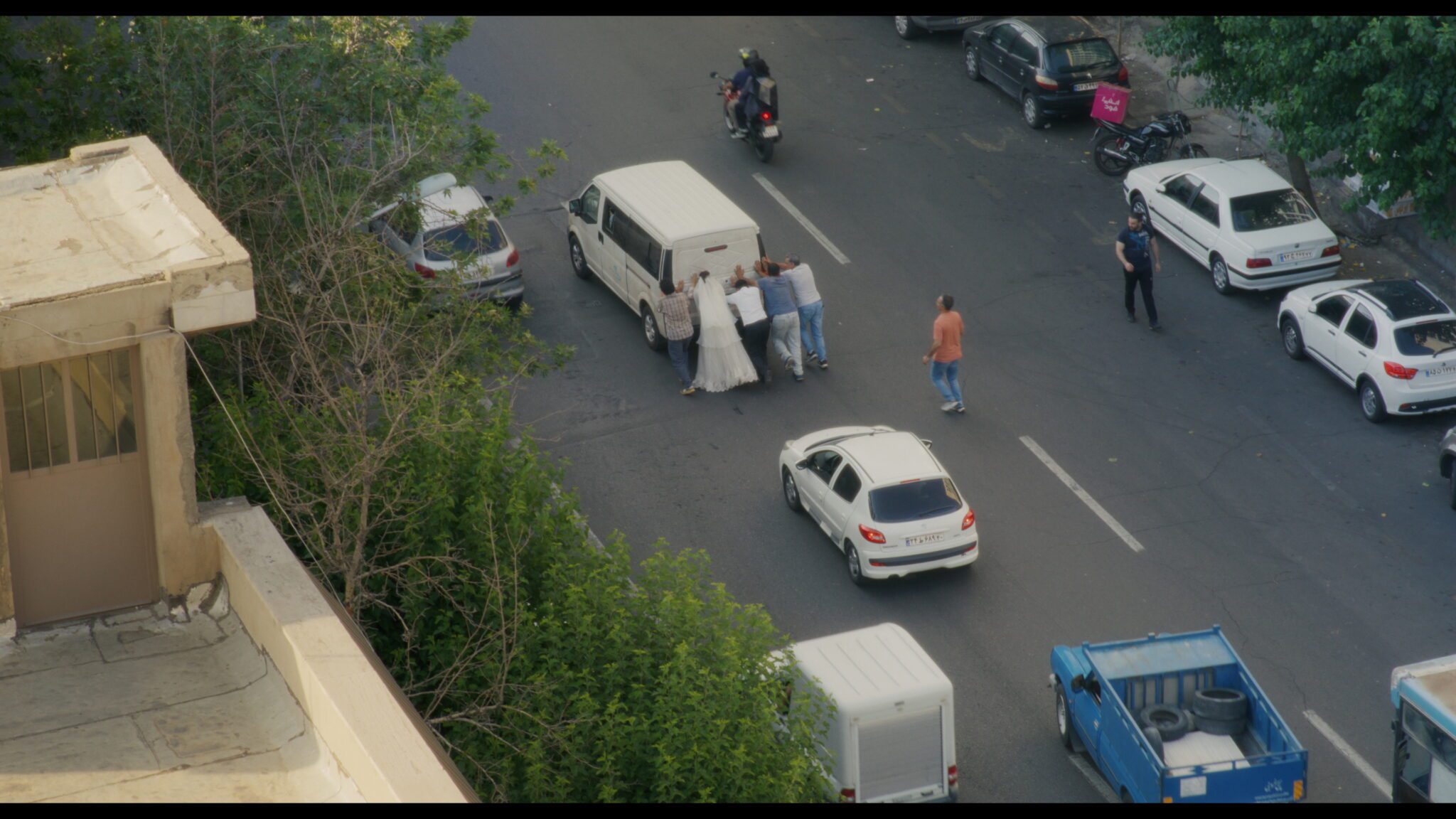
Vahid takes Eqhbal back into town where he contacts other former prisoners to see if they can identify him. Everyone who knew Peg Leg wants him punished. If they can get him to confess, they’ll feel justified. The group grows, filling the Vahid’s van as they try to figure out what to do with him—if it’s really Peg Leg. If he were to live after this, they might all be imperiled. And Vahid leaves a very clear paper trail as the night progresses.
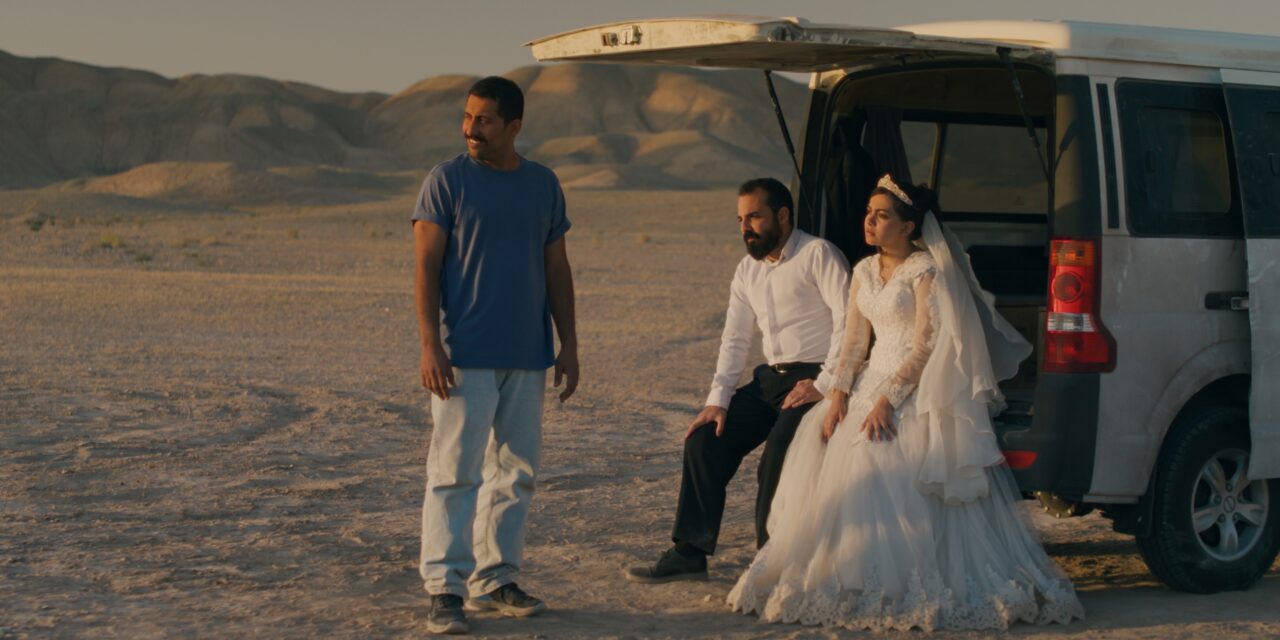
The strange group crowding into the van (including a bride and groom) creates a comic situation, even as they discuss the things they want to do to Peg Leg. In the end, it will come down to Vahid and how he will ultimately deal with the reality.
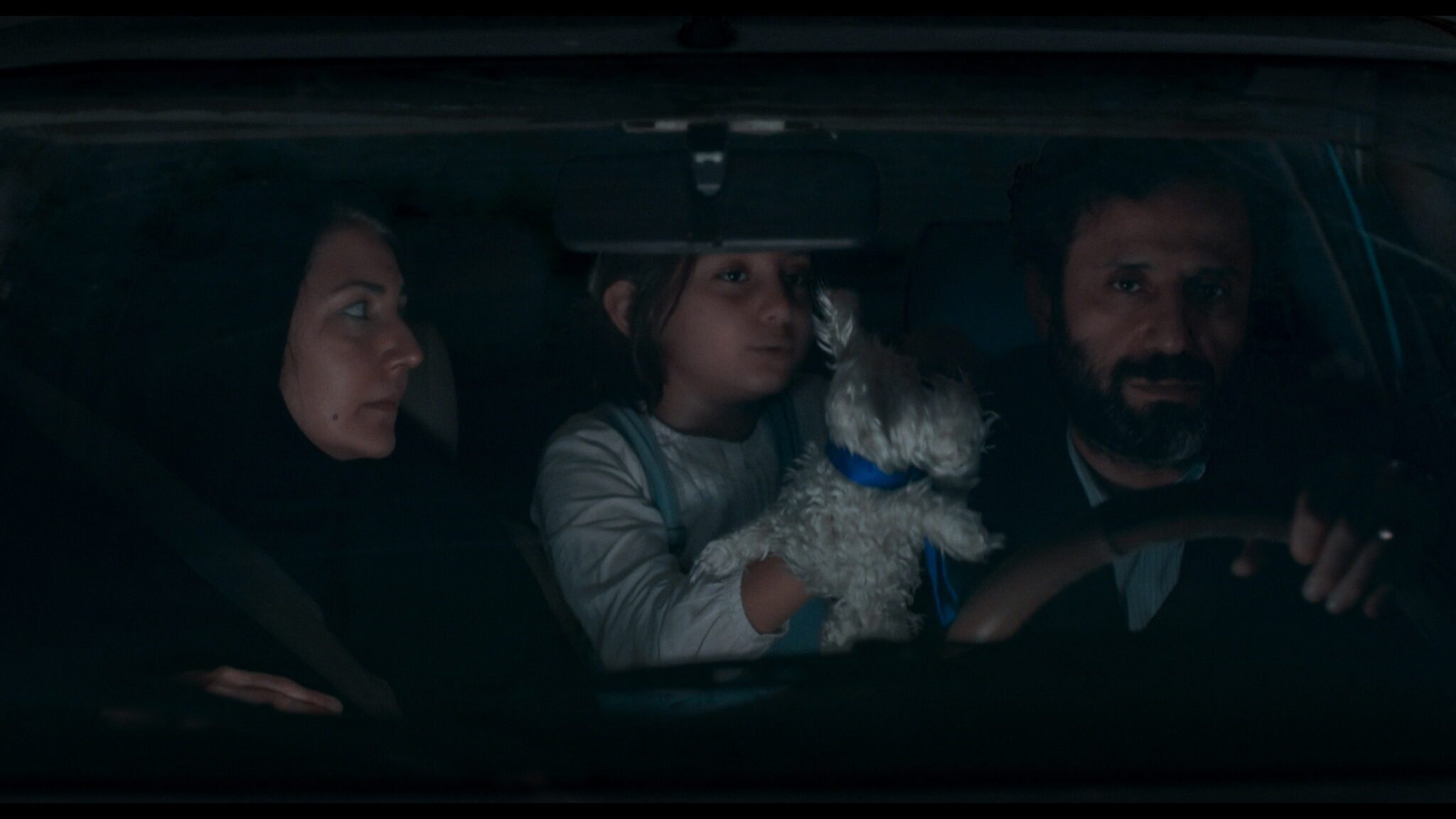
Vahid is certainly a good person. We don’t know what he was imprisoned for. It really doesn’t matter considering that so many people have faced prison in Iran (including Panahi). Even as he is shoveling dirt over Eqhbal, he is willing to listen to his pleas and allow doubt to grow. As the night progresses, Vahid does some very noble acts for Eqhbal’s family, even as he has the man imprisoned in a tool box in his van. Will being a good person make a difference in how he decides to act? Will being a good person be his downfall?
Panahi has been a thorn in the side of the Iranian regime for years. He has been banned from making films (yet he keeps making them) and imprisoned from time to time. In December, he was sentenced to one year in prison and a two year travel ban. (Although he was out of Iran at the time, and continues to be traveling.) His familiarity with the oppression of the regime has to be considered in understanding this film.
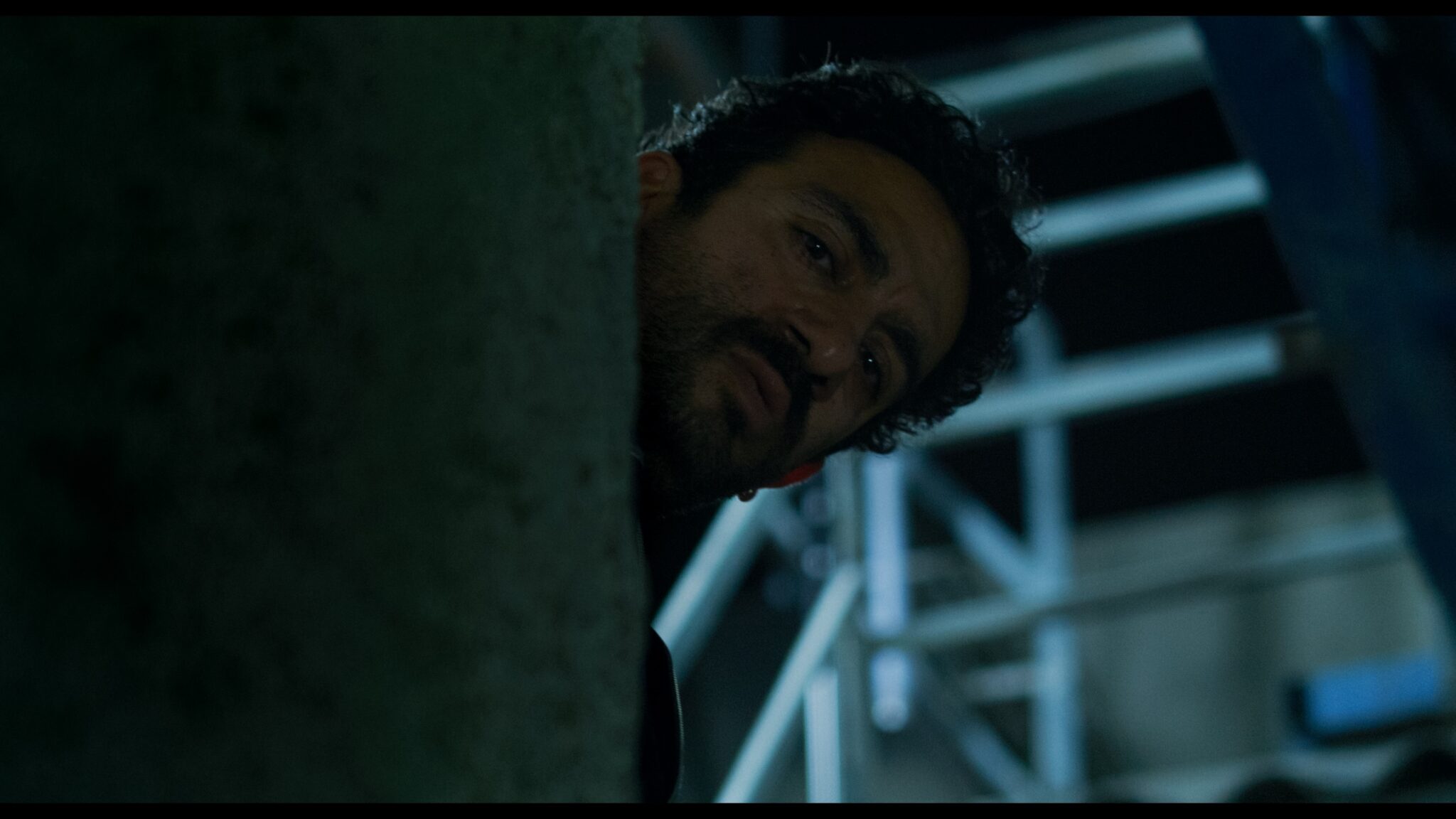
Panahi has said that this film is to consider what should come next in Iran, after the Islamic Revolution is in the past. How will the Iranian people respond? What will bring justice to all the injustice that has been suffered? What will give the nation a unity and hope for a future? It is best, I think, not to see Panahi as a critic of Islamic Revolutionary Iran, but as a reflection of Iranian people. He is a voice that calls for humanity to triumph over oppression.
It Was Just an Accident is in select theaters and available to rent of Prime Video.