I suppose when director Baz Luhrmann saw the acronym that this title made, he had to put it together.
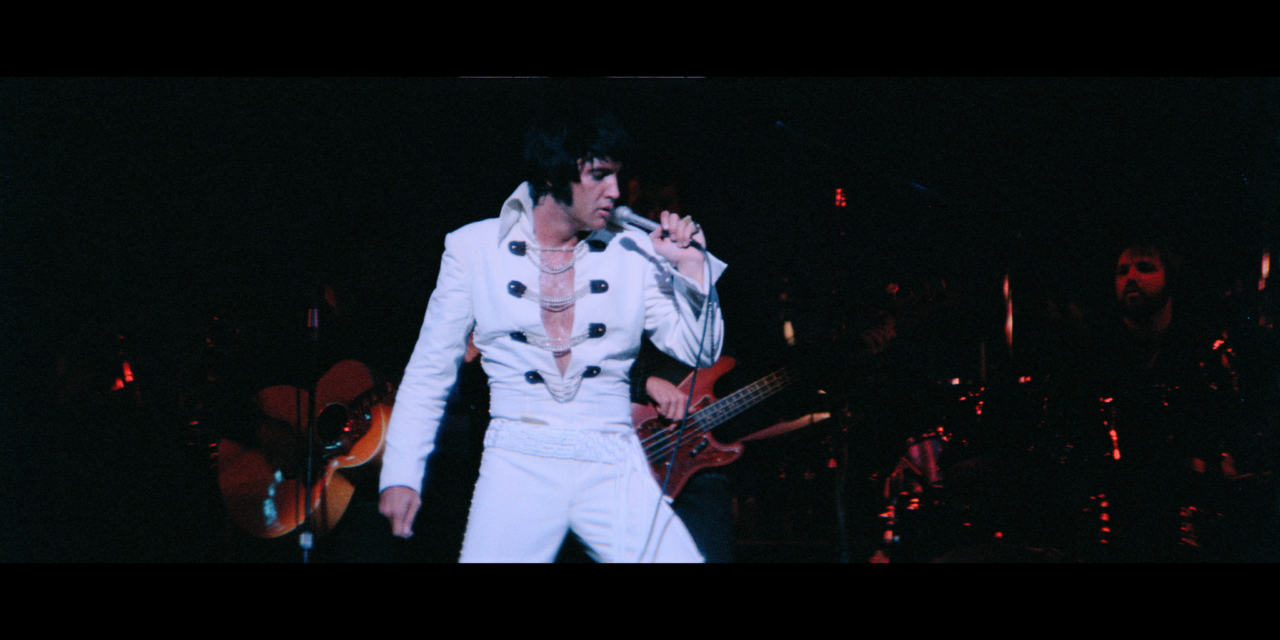
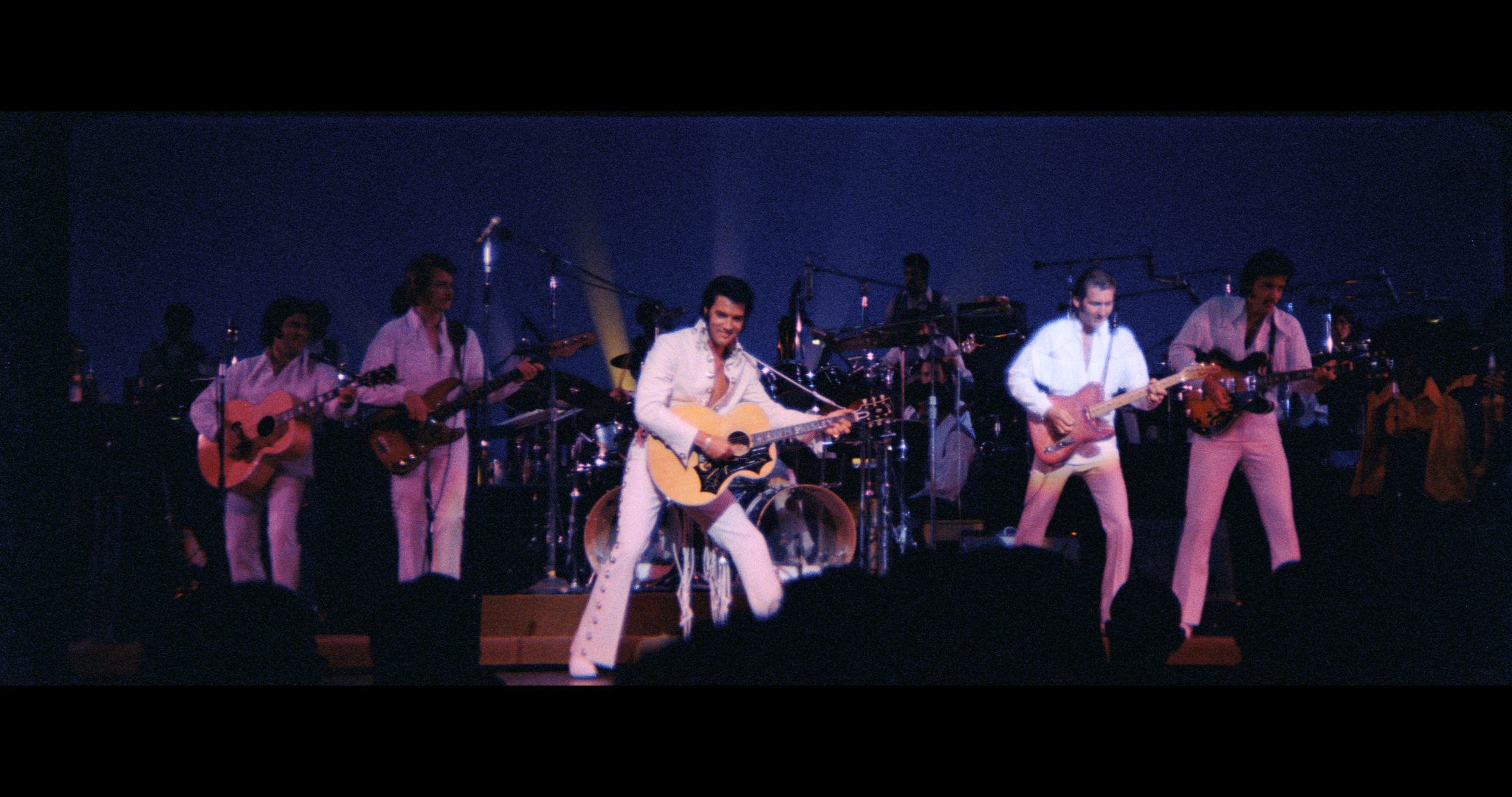
EPIC presents never-before-seen footage of Elvis’ performances at the International Hotel in Las Vegas. He uses this as the base (and an excuse) to make it a companion piece to his 2022 womb-to-tomb biopic, which was nominated for a host of Oscars. Here, instead of focusing on the relationships that Elvis had with the people in his life, we look at his relationship to the music and performing for an audience. Despite not knowing or having ever seen any footage of his performances, the footage is cut and presented with such grandeur that we get the sense that Baz wants to reintroduce us to the idea that Elvis was one of the greatest performing artists of all time. And by performing, he doesn’t just mean music, but someone who plays to a crowd and gets them excited about music.
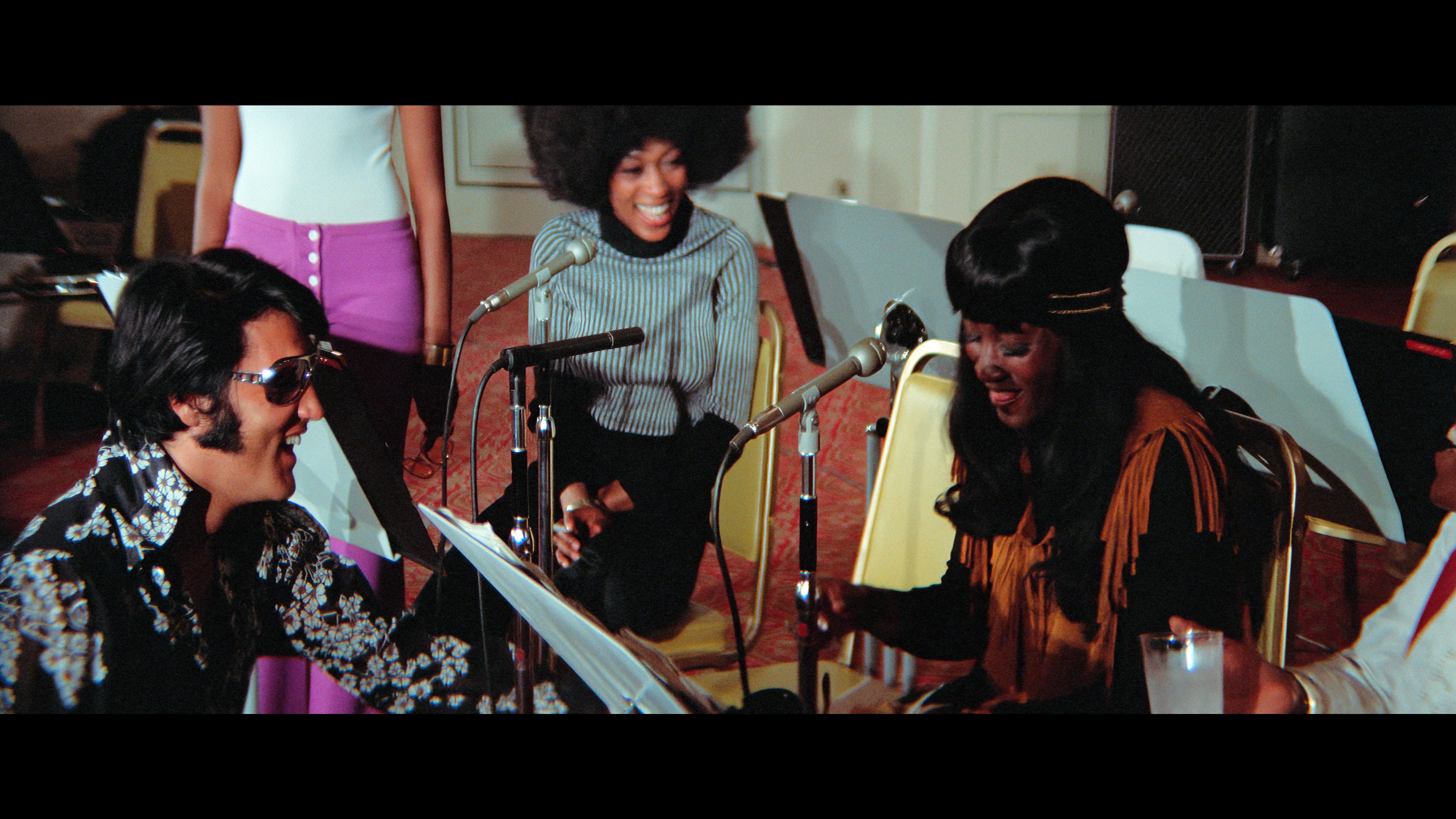
Baz accomplishes this, all without ever delving into interviews or voiceovers with people who knew him. He keeps all of his tools tied to the time period that he is covering. First, he gives us some background on Elvis’ life leading up to his performing stint at the International, a period that forever marked Elvis’ legacy as it wore him down, both body and soul. As the music and concert footage begins, using footage evidently from multiple concerts, we get more context behind the rehearsals and inspirations for those songs.
Now, the part of the editing that I have some issues with are the experimental elements. It felt like there were moments where Baz couldn’t help but try to enhance a product that already has built-in appeal to its target audience. I don’t think anyone will get anything out of the use of reverb in the sound, overlapping shots with his family, or quick cuts back-to-back that make it difficult to process what you just saw. The other part of the experience that didn’t work for me was the sound for dialogue. I felt far removed from what Baz was trying to convey in the montages of archival footage featuring Elvis’ interview answers, primarily due to the lack of cohesive focus or connection to the music itself. Rarely did I feel I was learning something new about him that Elvis (2022) hadn’t already tried to convey. Nor did a lot of what he said in those interviews feel substantial enough to be worth including.
Another issue was that the old audio, combined with loud background music, often made it a chore to hear what Elvis was saying in many of these interviews. A significant amount of voiceover or interview audio could have really used subtitles. All this said, I believe the movie could have benefitted from being trimmed down. A good portion of the interview and archival footage strays from the main point, making the movie feel overlong. Cutting it shorter would have made the film more enjoyable for me overall.
Now, while the music itself being the central focus is not perfect, the inherent challenge is convincing the audience that there’s a reason they came to the theater and experienced the music of someone who has been in radios, earphones, and large speakers for decades. IMAX sound—what I experienced—is one argument. The surround sound is very immersive, and while it doesn’t always emulate a concert, it is mixed as well as any modern music movie, an impressive feat for a film pulling from early ’70s footage.
Also, I felt Unchained Melody was a missed selection. I don’t know if it was because it wasn’t part of the songs Elvis usually played at the International, or if it was because they lacked other footage, aside from the clip Baz includes at the end of Elvis (2022).
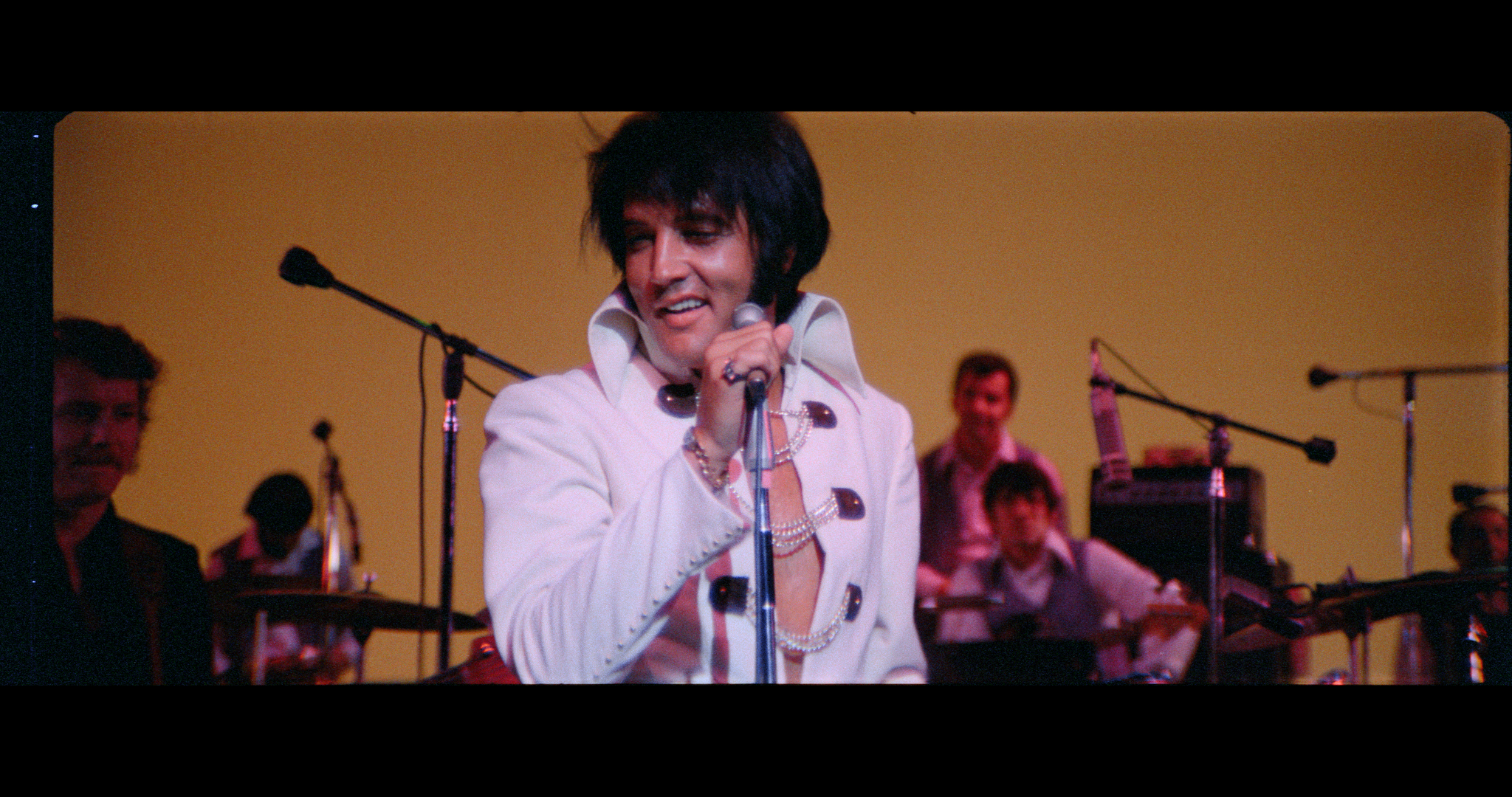
Baz is not usually an artist who tries to remain invisible. His films are full of style, unique editing, loud music, and heightened energy. A documentarian’s work is often to remain invisible, especially when assembling old footage as the foundation of the film. Baz, however, still speaks through the footage. He edits and cuts the loud performances of Elvis in a way that both highlights the energy of the performances and creates the grandeur he wants for his musical sequences.
The footage, which is brought to life very well and excellently remastered, is either naturally very colorful or enhanced to bring out the colour. The scenes we see in the venue, behind the scenes, and in other archival footage have a strong focus on colour. This unique footage, even for those familiar with Elvis’ TV appearances and other documented performances, is engaging. Baz puts it together very well with his editors to create what often feels like a purposefully-made concert film, one that could be made today. But I struggle to see why he does this.
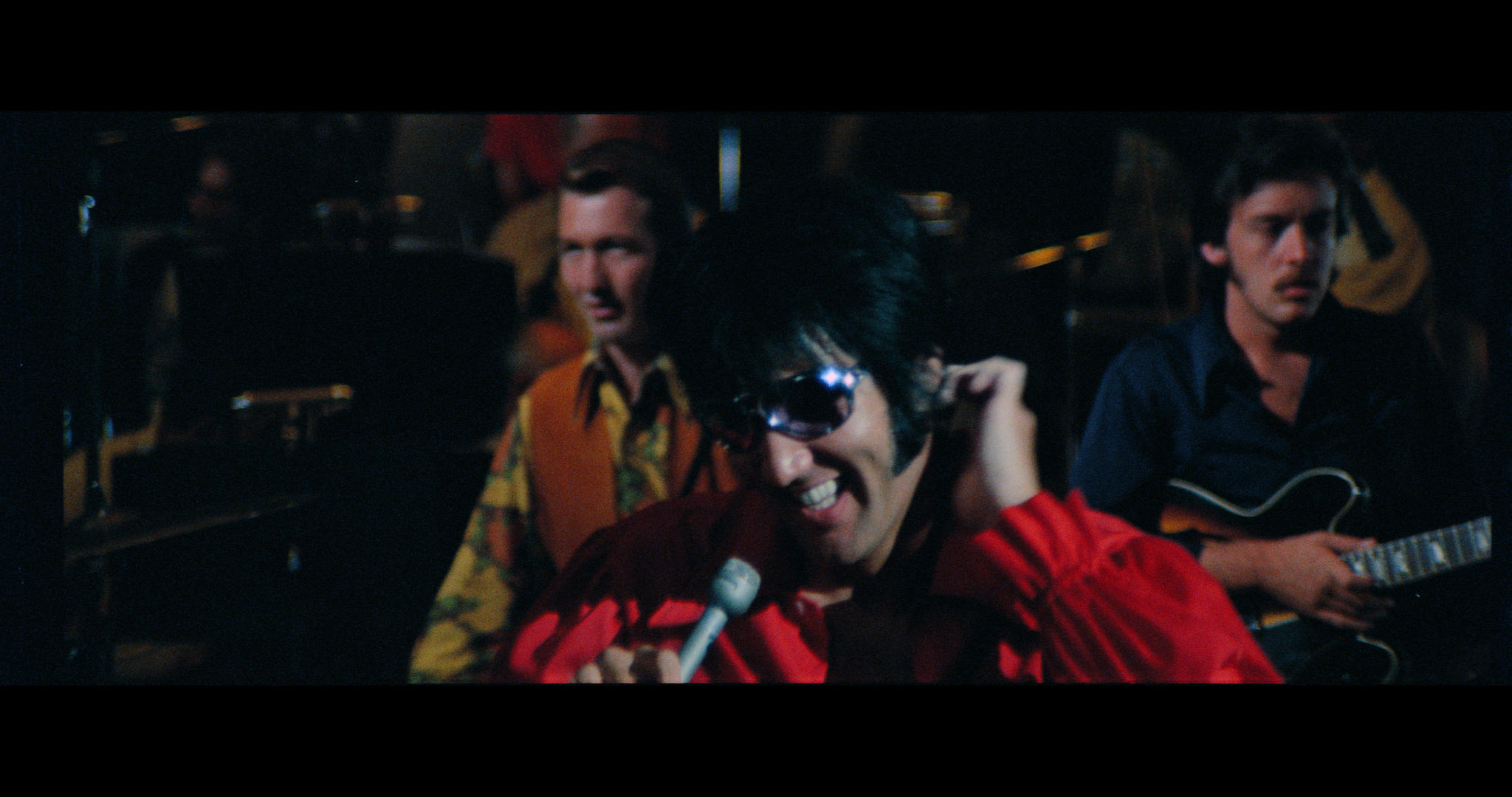
The film works as a tribute to one of the most influential artists of our time, whose story is uniquely preserved in just a few places. He was a powerful man in a cage but, as shown by this film, he could escape that cage by losing himself in the music. There are many moments where he shows just how much he ascends to a different place mentally, perhaps spiritually, while singing these songs. Baz takes time to include his performances of Gospel classics that influenced some of his biggest hits.
EPIC shows music as a medium that can take people from one place emotionally, mentally, and spiritually to an entirely different plane of thought and feeling. Now, music is subjective, and I didn’t always feel that way with many of his songs. Sometimes, I felt I couldn’t get into the music and escape. But Elvis is someone who probably offers at least a few songs that, alongside the colorful imagery, take you to a different place. Suspicious Minds does this for me best toward the end of the movie, and in many ways, it is worth seeing the movie for that song alone.
EPIC: Elvis Presley in Concert is available exclusively in IMAX theatres on Friday, February 20th, 2026 and in regular theatres beginning February 27th, 2026.