
“Breakout” films highlight filmmakers who are moving to a new level in their art. Here are a few of the films at Slamdance that fit that category.
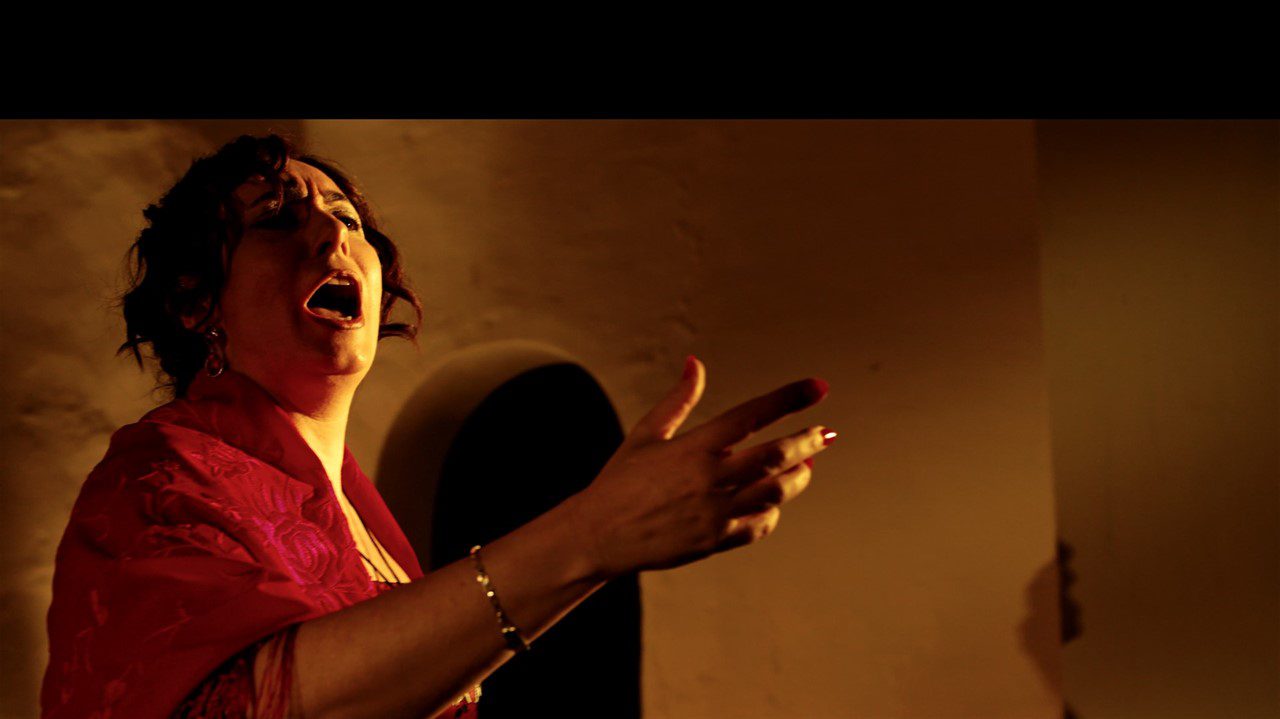
Zumeca, directed by David Maler, was awarded the Jury Grand Prize in the Breakout section. It is the story of Miguel, a Spanish soldier, and Zumeca, a Taino woman chieftain, in pre-colonial times. The injured Miguel is cared for by the tribe, where he falls in love with Zumeca. The story is told through various chapters. What seems like a nice love story becomes more complicated by the arrival of a priest out to evangelize the “savages”, and by Miguels discovery of readily accessible gold. At first, the cultures, though different, seem to be able to coexist. But in time, Miguel and others from outside the tribe, create a conflict that will destroy the love between Miguel and Zumeca. A telling line is when the priest tells Miguel that “God doesn’t dwell here; we brought him here.” Such an attitude reflects a part of the evil inherent in colonialism.
The jury stated: “Through the eyes of a cross-cultural love story set in pre-colonial times, Zumeca feels dug up from the earth, the result being a poetic, unflinching exploration of our tribal origins. David Maler proves to be a singular new vision in global cinema.”
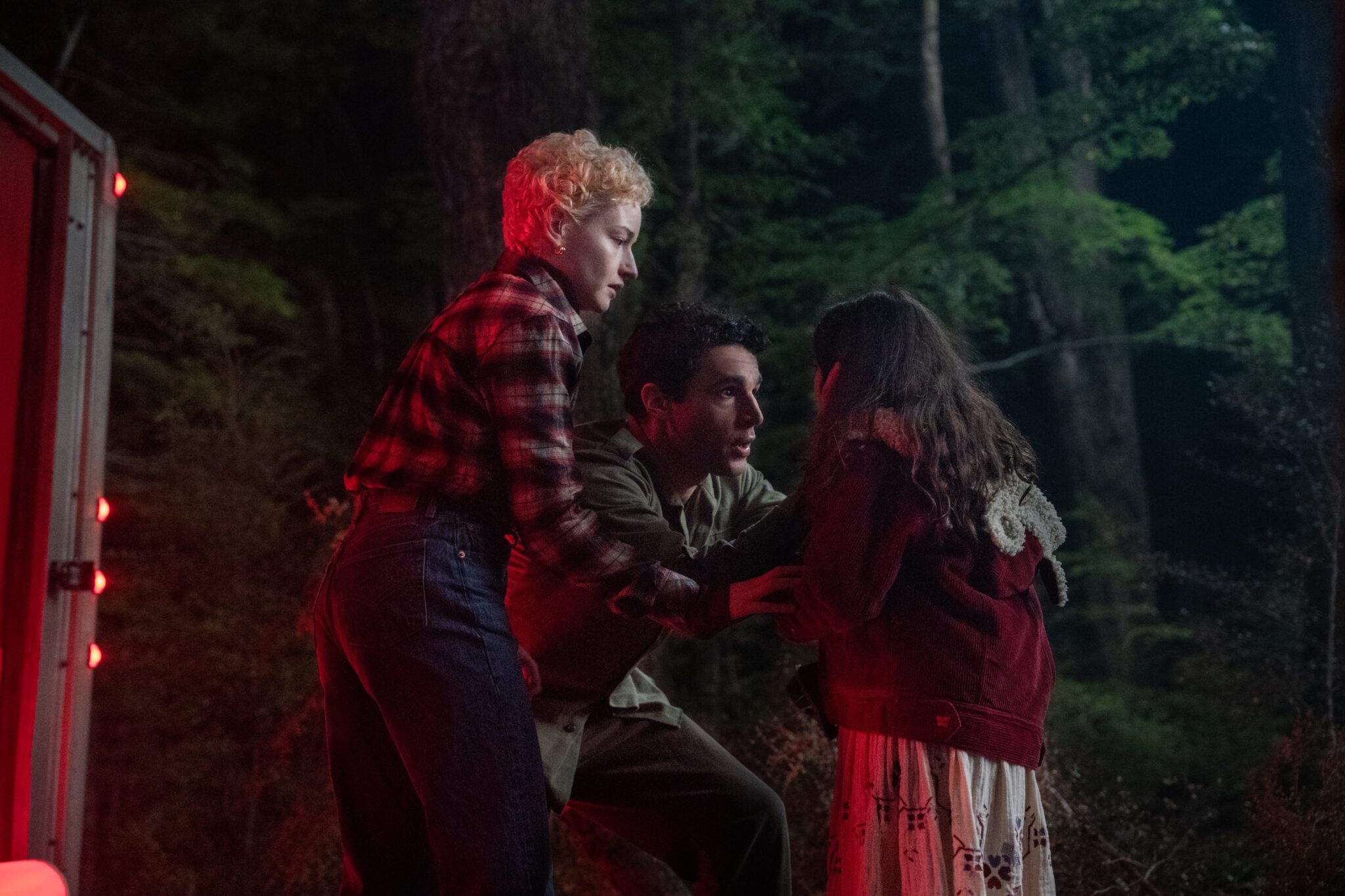
BRB, directed by Kate Cobb, was recognized with an Honorable Mention. When young teen Samantha (Sam) is falling in love with someone she only knows from an online chatroom, her older sister Dylan decides they need to take a road trip so Sam and the boy can actually meet. Dylan has her own ulterior motive for the trip. It turns out that there is a lot about what is going on in the film that is constructed on lies. As such, we know that there is going to be a great fall at some point. The film does a good job of creating a believable sibling ambivalence between the two.
Santa Zeta, directed by Antonio Muñoz de Mesa, could be called a dark comedy, but it will end up in darkness. Zoe (aka Zeta) is a young influencer with thousands of followers. She travels the world to share three things to do in various cities before dying. But behind her “day job” is the desire to seek retribution against pedophiles. She frequently has conversations with her dead sister. But wait, the last half of the film start becoming more and more twisting, leaving us to wonder what is or isn’t real. It’s a nice job of storytelling, even if the subject may be one that some would just as soon not think about. But then not wanting to think about all this is a part of what created Zeta’s issues to start with.