In Purge, the Toronto filmmaker turns depression, artistic ambition and the exhausting pursuit of validation into body horror. But the film’s most unsettling question isn’t how to destroy the darkness inside us. It’s what happens when we actually succeed. Andrew Hamilton and I are supposed to be talking about horror movies. Instead, for the first few minutes of our conversation, we’re talking about Lana Del Rey. More specifically, we’re defending Born to Die.
“It’s the greatest return on what the promise of Lana Del Rey was,” Hamilton says of the 2012 album, and suddenly our interview about depression and Cronenbergian body horror has temporarily become a lovely discussion about listening to albums from beginning to end. Hamilton started collecting vinyl a couple of years ago after his partner bought him a record player for Christmas. He digs through thrift stores and vintage shops looking for records, partly because he likes discovering things, but also because vinyl forces him to listen differently. Streaming encourages the thumb to hover over a skip. A record demands commitment.
It seems like an incidental conversation until you spend another hour talking to Hamilton, then you realize how much of his relationship with art is precisely that: attention, patience, and the complicated question of why we make anything in the first place.
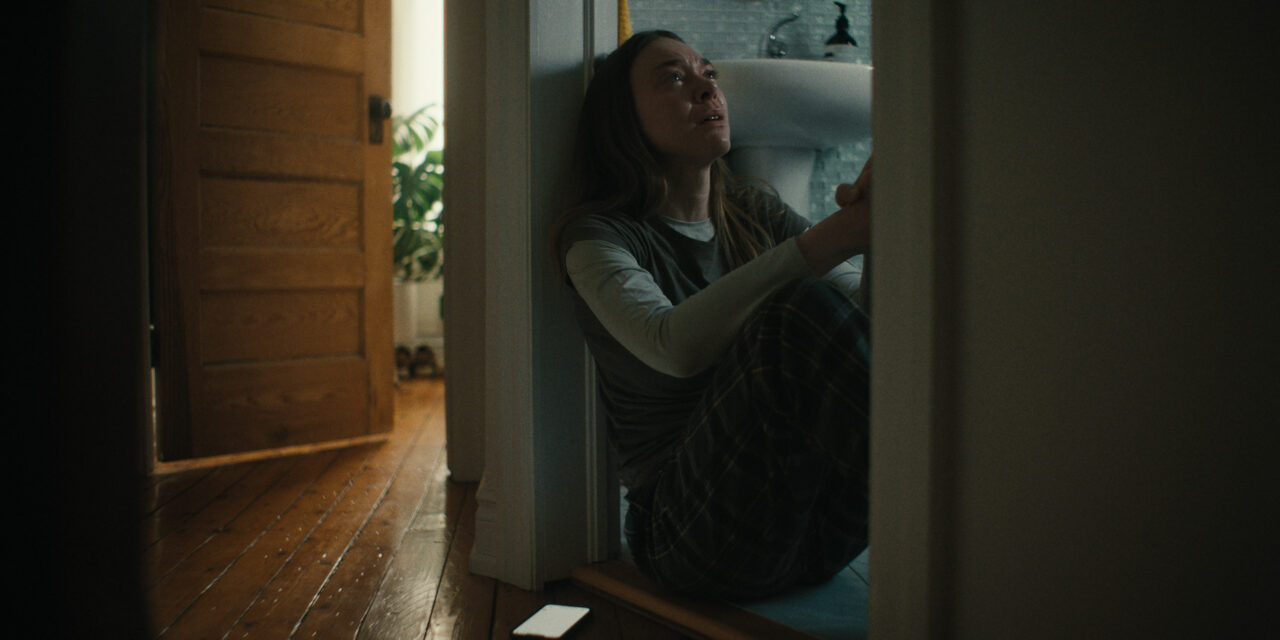
His latest short film, Purge, certainly isn’t interested in giving its audience an easy answer. The 15-minute psychological body horror follows Gee, a struggling screenwriter living with debilitating depression and anxiety, who enters a clinical trial for an experimental drug called BriteNol. After taking it, Gee violently expels a thick, black substance from her body, and it feels incredible.
The anxiety is gone. The depression is gone, and the version of herself she has spent years imagining finally feels possible. There is just one problem. The thing she expelled is alive and wants to form a codependent relationship from hell with her. Somewhere beneath the black goo, grotesque transformation and clinical experimentation is a story Hamilton understands intimately. For much of his life, he has lived with anxiety and depression, and there were times he thought, “I wish I had a way to get it out of me.”
Hamilton had been chasing filmmaking for years when he entered the Canadian Film Centre. For emerging filmmakers, getting into any of their prestigious programs can feel like crossing an invisible threshold: evidence that someone on the other side has finally looked at you and said, Yes. You belong here.
“I thought for some reason that, ‘Oh, I’m going to do this thing and it’s going to just sort of unlock this next phase of my career,’” he tells me. He imagined features. Momentum and becoming the director he thought he was supposed to become. “The promise was fulfilled, but not in the way that I wanted it to.”
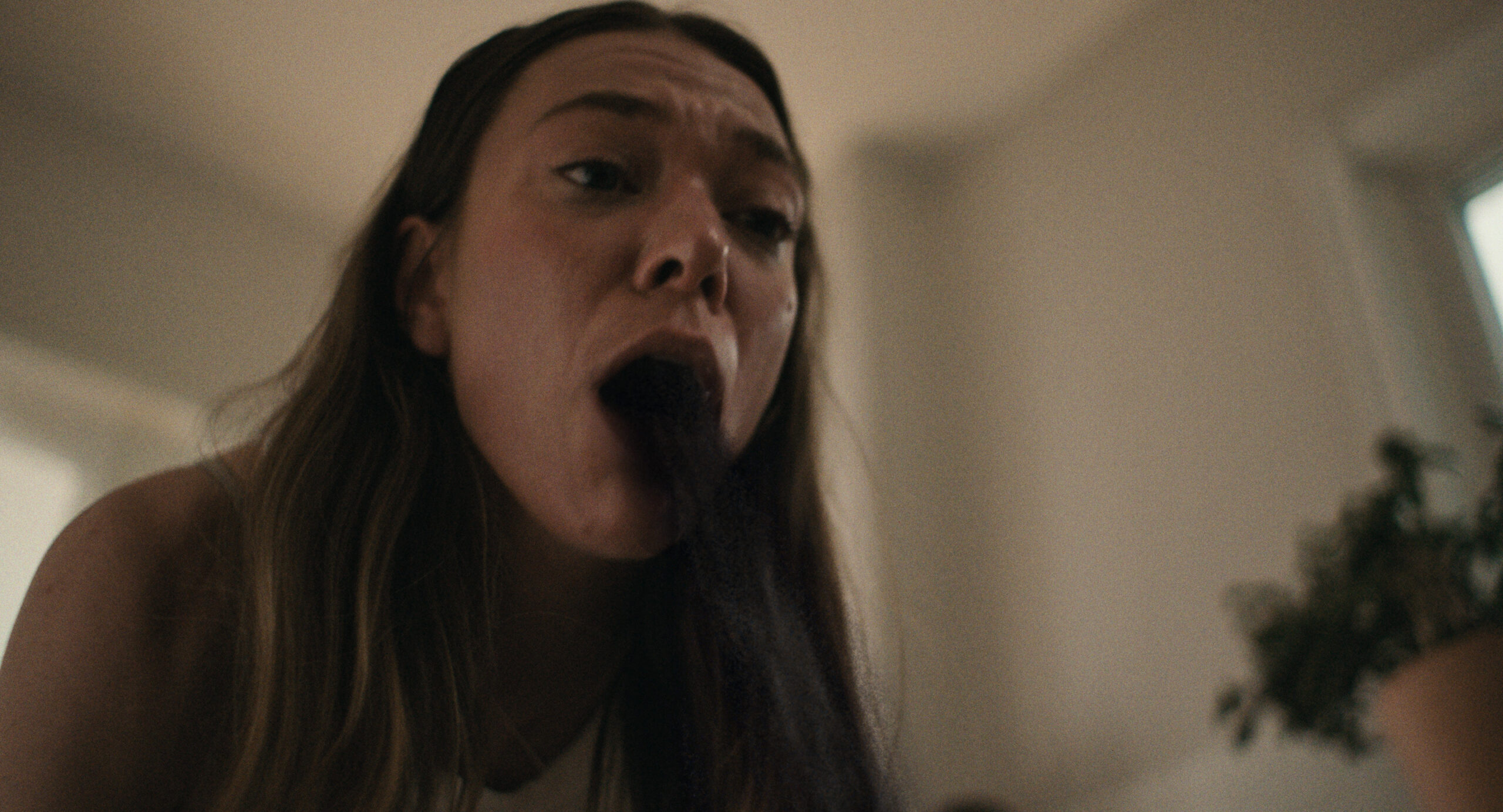
After the CFC, filmmaking suddenly felt much more real, and so did the uncertainty surrounding it. He fell into what he describes simply as “the dumps.” “I was questioning whether or not I was even going to continue making film and even continue chasing that at all.” The anxiety surrounding his career fed his depression, and the depression distorted his anxiety. The two began devouring each other. “It was like feeding a monster.”
Then he watched The Fly.
Hamilton had seen David Cronenberg’s 1986 masterpiece before, but this time was different. It wasn’t merely Seth Brundle’s grotesque physical deterioration that impacted him; he was moved by the devastating final moments of the film, when the transformation is complete and the horror gives way to something heartbreaking. “The thing about The Fly to me is not even necessarily the body horror of it,” Hamilton explains. “It’s how he flips the body horror and delivers something very dramatic and very powerful.”
Hamilton loves playing with genre, but he loves drama too. As a teenager, he increasingly found himself drawn toward grounded dramatic filmmaking; drama lets him recognize a life. Genre lets him distort that life until emotional truth becomes impossible to ignore. “I always saw it as more of a tool that we can use to extrapolate circumstance,” he says, “and drag a character to a realization, often in genre, kicking and screaming.”
Purge initially behaves almost like a drama. Hamilton had been thinking about what it would mean to physically separate himself from the thing inside him that seemed determined to destroy everything, and what if it succeeded? “You’ve been living with this thing all your life,” he remembers thinking. “It’s kind of intrinsically a part of you now. And that’s what led me to the idea for Purge.”
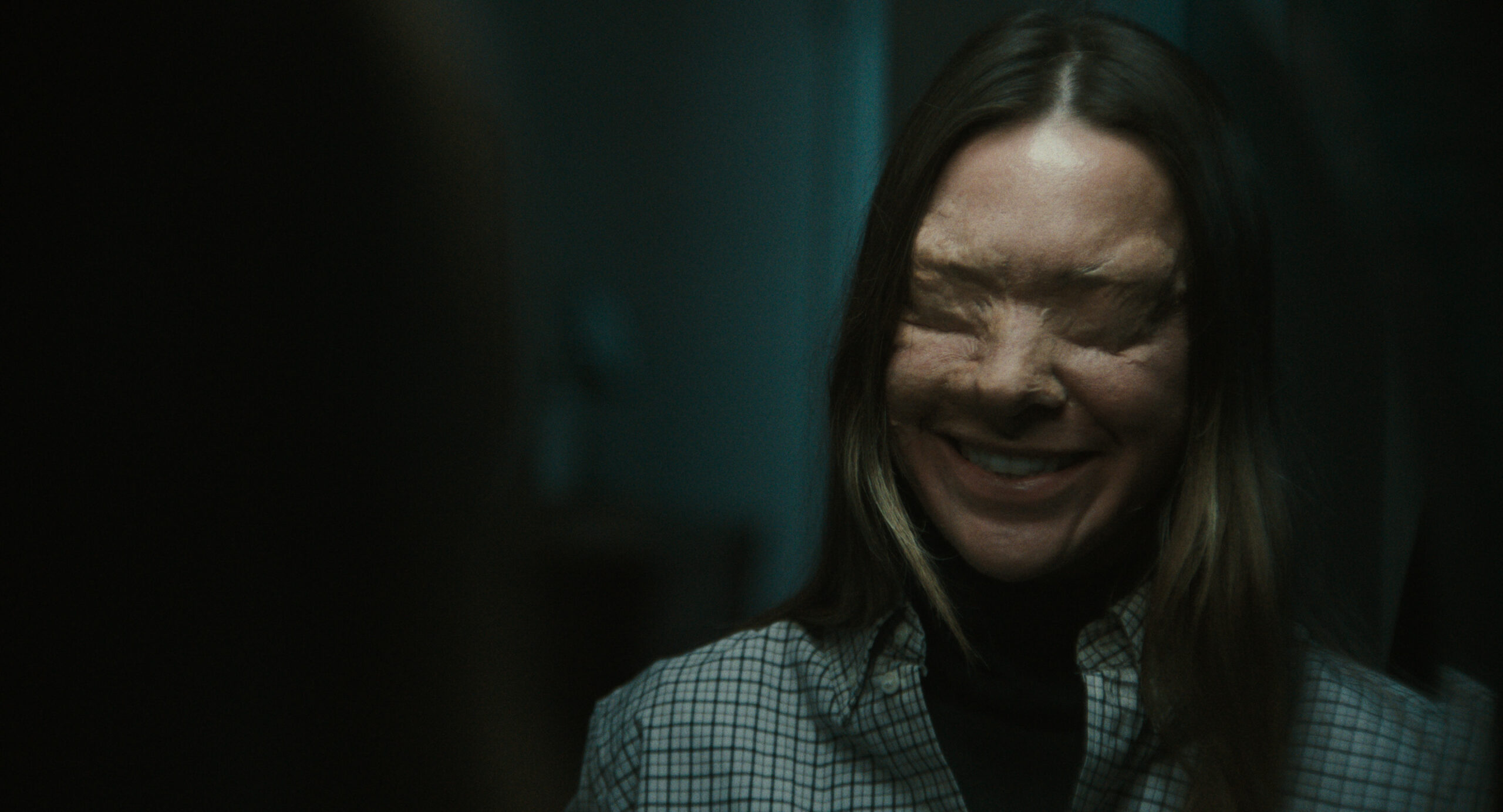 There is an uncomfortable mythology surrounding suffering and art. The tortured writer, the depressed musician, the filmmaker who needs to bleed for the work to matter. But Hamilton calls bull; he doesn’t believe depression makes somebody talented; he believes “artists create from lived experiences they would rather not have.” Gee’s most promising work emerges from the very pain she desperately wants to remove from herself – a contradiction that sits at the centre of Purge.
“Your depression doesn’t define you, but it is a part of you, and it’s a part of what has shaped you into a person, whether or not you realize it.”
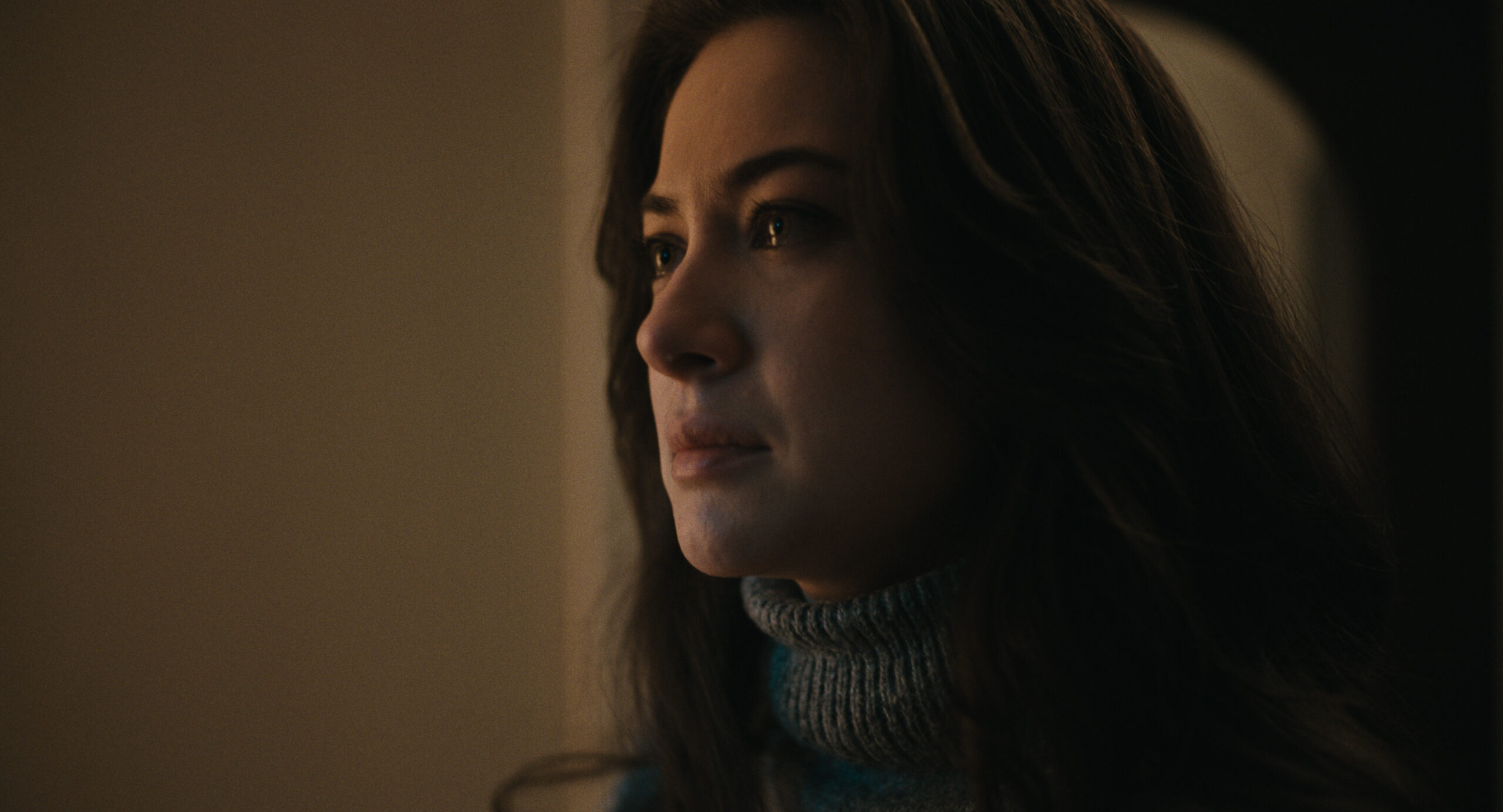
Watching Purge, I found myself increasingly frustrated with Gee, not because of her mental illness but because I found her ungrateful and selfish. She has a partner trying to reach her, and people around her offering her perspective. Yet, she seems determined to interpret their concern through the ugliest version of herself. “You can’t see me as anything except some broken thing you have to fix.” She yells at her extremely patient girlfriend. Shaking my head at her utter nonsense, I thought: She doesn’t see you that way. You do!
Hamilton doesn’t disagree with me. “I don’t think depression makes you lose clarity,” he says. “I don’t think anxiety makes you lose clarity. I think it’s a failure to grapple with the truths of your life.” He knew some viewers would not receive Gee well, and he was okay with that because Purge is not a film that offers an instruction manual with an approved emotional response. “I knew Gee might like look like a very shitty person, but I wanted to tell the story and give space for an audience to make their own interpretation.”
Then there is Dr. Glass; I tell Hamilton that he also pissed me off (don’t worry, we laughed at how invested I was in these characters). Gee is visibly collapsing, and there is something transactional about the way he observes her. His clinical interest seems to outrun his compassion. There is, he admits, something faintly menacing about the character.
“Gee is sort of just another number. He hears the story, he hears the pain that she’s in, but for him it’s like, ‘Oh, this is somebody that I can study. This is somebody I can understand.’ There is a distance for him.”
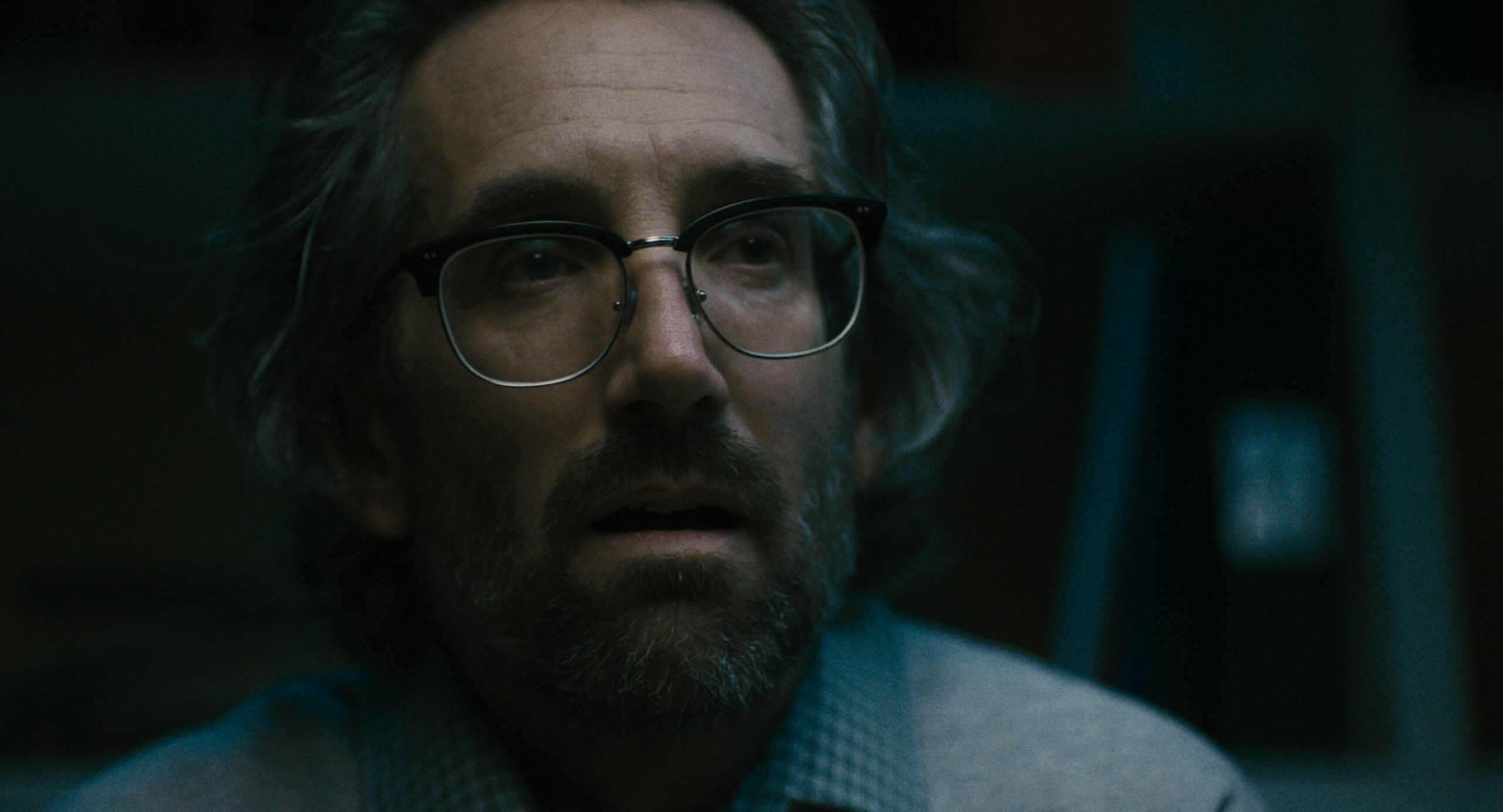
I wondered if Hamilton was trying to make a clear statement on how disconnected mental health professionals are from their patients due to fatigue, but his invention of Dr. Glass is much more empathetic. “He’s driven by the knowledge of it [the symbiote], not the experience. He understands medically and scientifically that this is impossible. There’s no way that this happened, but it did. To me, Dr. Glass is very much a character who is trying to leave his mark in the field.”
Ask Hamilton what he hopes connects the films he makes over the next decade, and his answer isn’t body horror or even horror. It’s dreams. “I always want to make sure that this idea of how our grounded lives interact with the surreal, I always want to make sure my work ties those bits together.”
His philosophy is fascinated by the division between waking and dreaming; he has woken from dreams that initially seemed absurd, only to recognize anxieties from his waking life hidden inside them. Cinema, he believes, can function similarly. Purge is a dream that distorts Gee’s reality with the surreal as she attempts to cope with the fact that she is wasting her life trying to become a version of herself that she thinks she is supposed to be. She doesn’t want happiness.
“The version of herself that she felt stuck in was moving forward,” Hamilton says. “It just wasn’t at the pace that she wanted.” That is the real horror of Purge, and it makes my spine stiffen and my skin crawl. This film shines a light on the unbearable truths about being an artist: that maybe the gatekeepers won’t let you sit at their table. Maybe all you will achieve in your artistic field is incredible work that will only be appreciated by small groups of people who generate no money for you. Purge holds up a mirror and asks: Why isn’t that enough for you? It’s the inevitable ego death nobody wants.
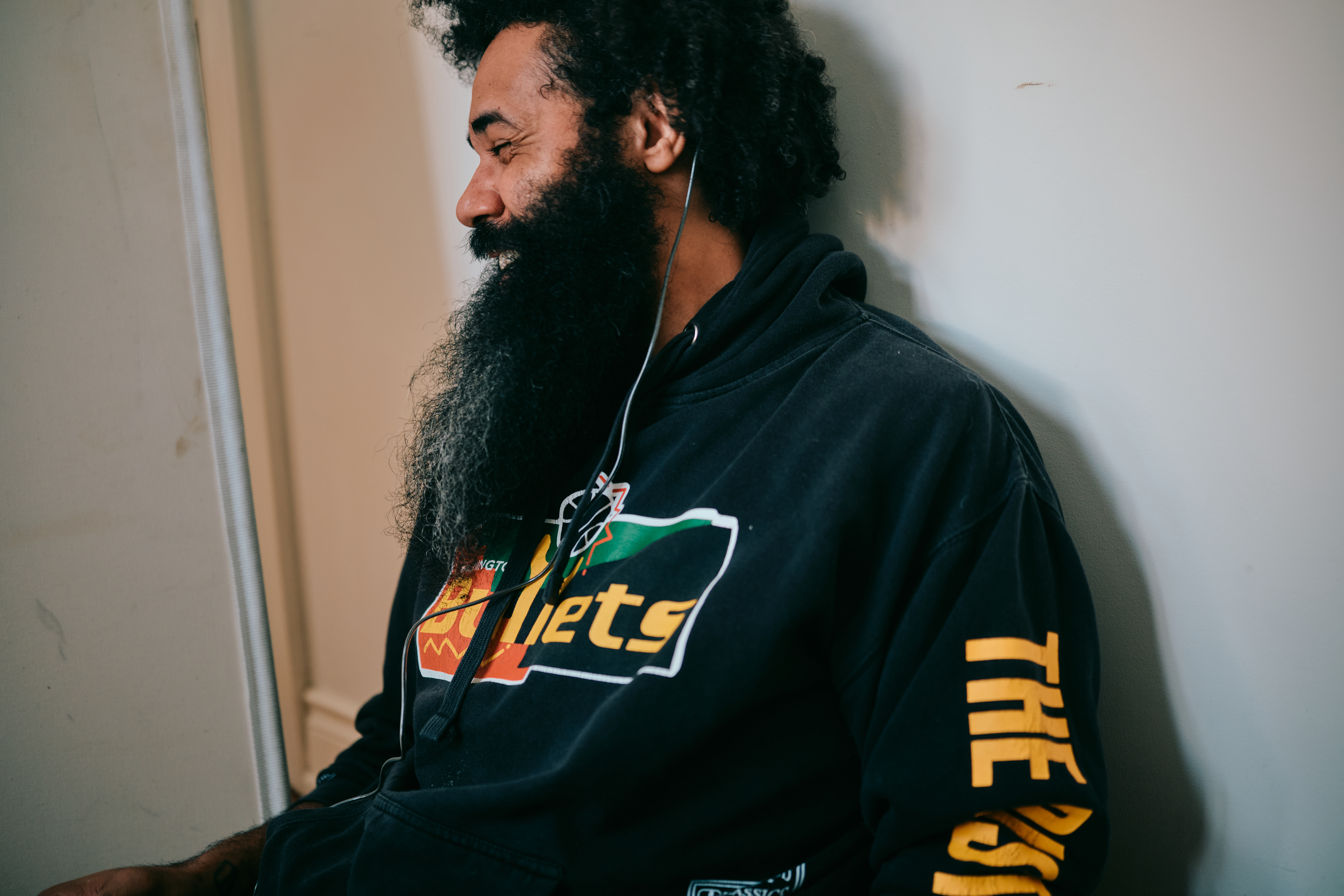
As our conversation comes to a close, I waste no time in pitching Purge 2: Circle The Drain (title in progress). Maybe Gee has to merge with the black substance again. Maybe it’s a boxing match: Gee vs Symbiote; only one will survive.
Hamilton starts laughing. “What you’re throwing out is very interesting,” he says carefully, “just based on some of the stuff that I’ve been developing.” Fifteen minutes was not Hamilton’s original version for the film; somewhere in the history of the edit exists a 27-minute version that will probably never see the light of day.
But he is not finished with Gee; he wants to Purge to become a feature. “There’s so much more to the character,” he says. “So much more experience that I want to dive into.” Naturally, I push for more information; he won’t tell me. Fair enough. If Gee is a stand-in for Hamilton himself, then what a beautiful ending to a heartbreaking story. He learned the lesson that she could not: being a person means learning that there are pieces of ourselves we don’t have to love in order to understand what they have made of us.
Andrew Hamilton is still making movies. His symbiote is still there. He just doesn’t need it to leave before he picks up the camera.
Amen.