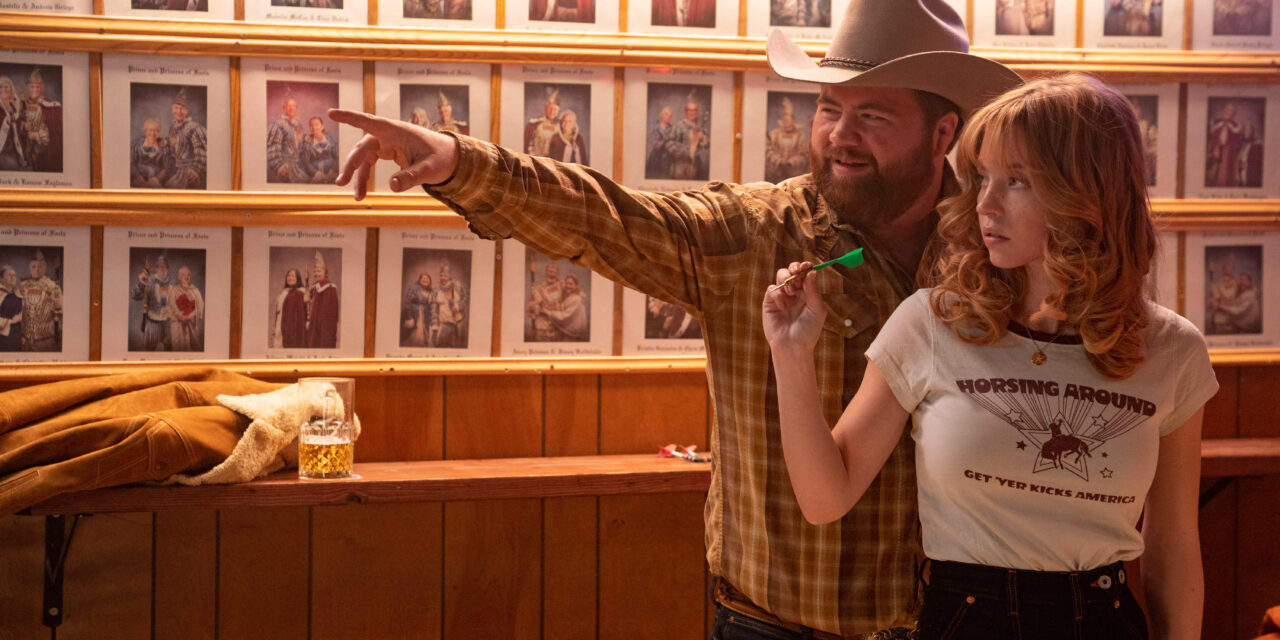
The western has changed a lot over the years. In its earliest goings, the genre was used to celebrate America’s ability to ‘tame the West’. Featuring strong male leads and duals at high noon, they were built to be a testament to the courage of those fighting it out in the wilderness.
But times have changed. And so have the Western.
Now, we recognize just how problematic these films could be. Using race to honour ye olde ‘white-hatted heroes’ at the expense of others and honouring hard-drinking, toxic masculinity, the Western set up many of the stereotypes that we have come to despise. (Lest we forget the Marlboro Man, just to name one example.) As a result, the genre has found itself looking for a new way to express itself that still tries to capture the essence of America’s soul but still remains current.
Created with FCPX Image Exporter
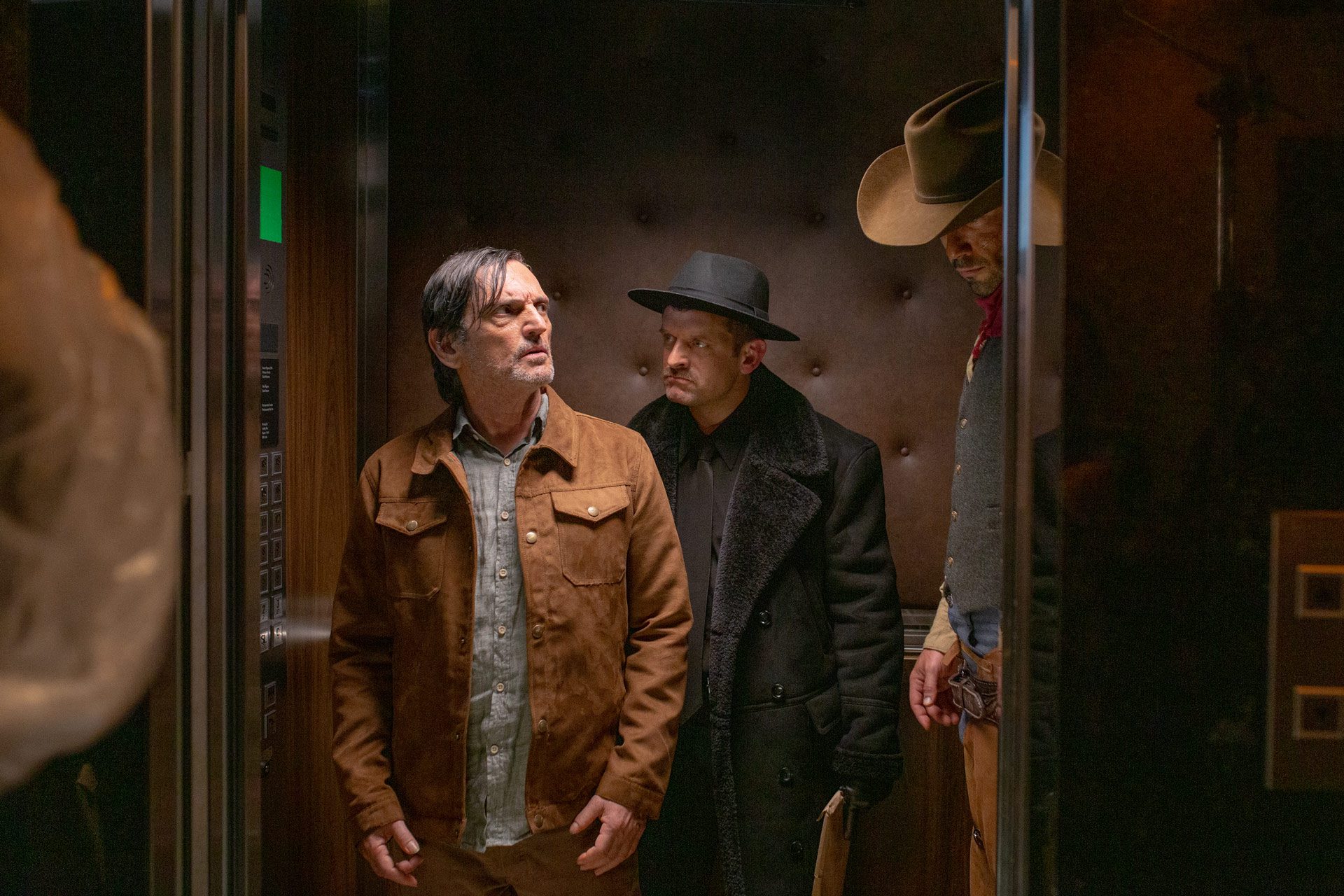
And strangely, this style of film seems to be having a moment this summer with multiple films claiming to have cracked the genre. In between last month’s intensely raw Eddington and next week’s sexually-charged Honey Don’t comes Tony Tost’s comedic Americana, a film that takes us into the modern West and often works well but doesn’t always come out guns blazing (even when it does).
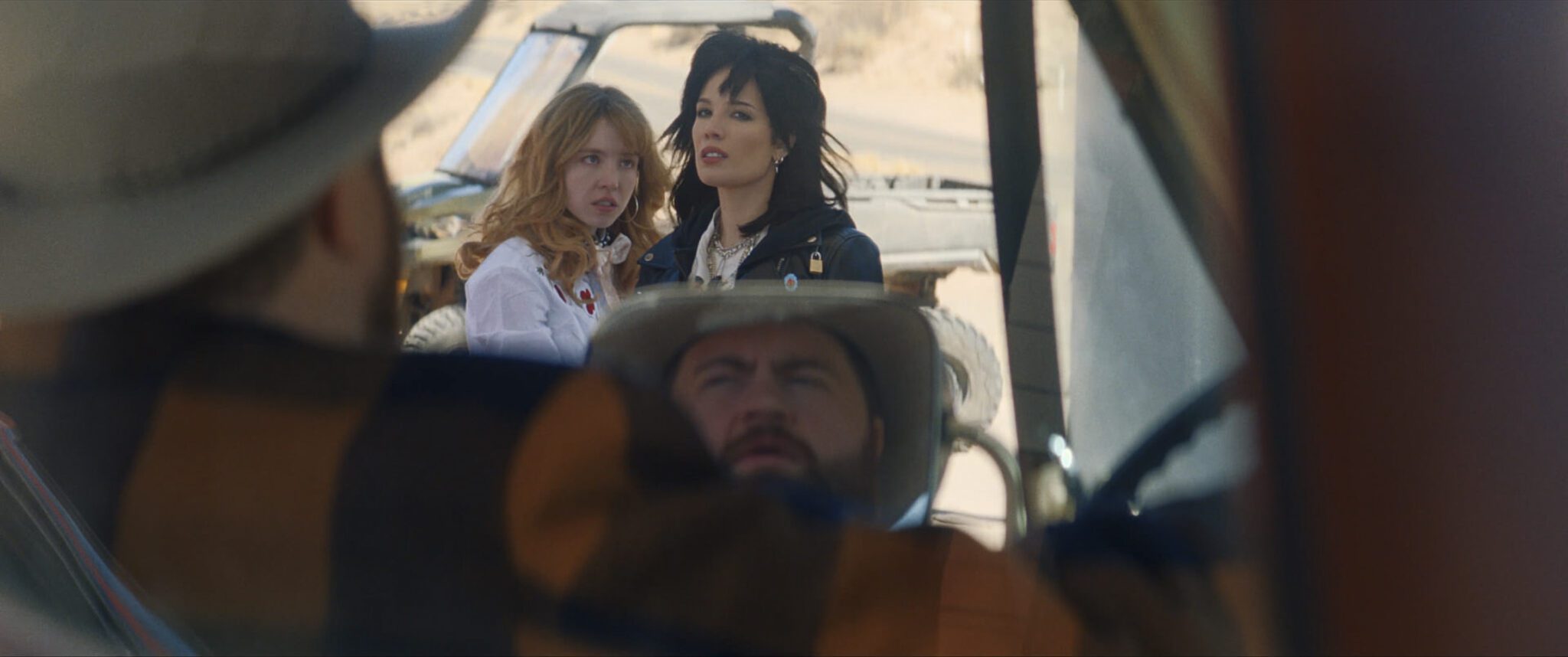
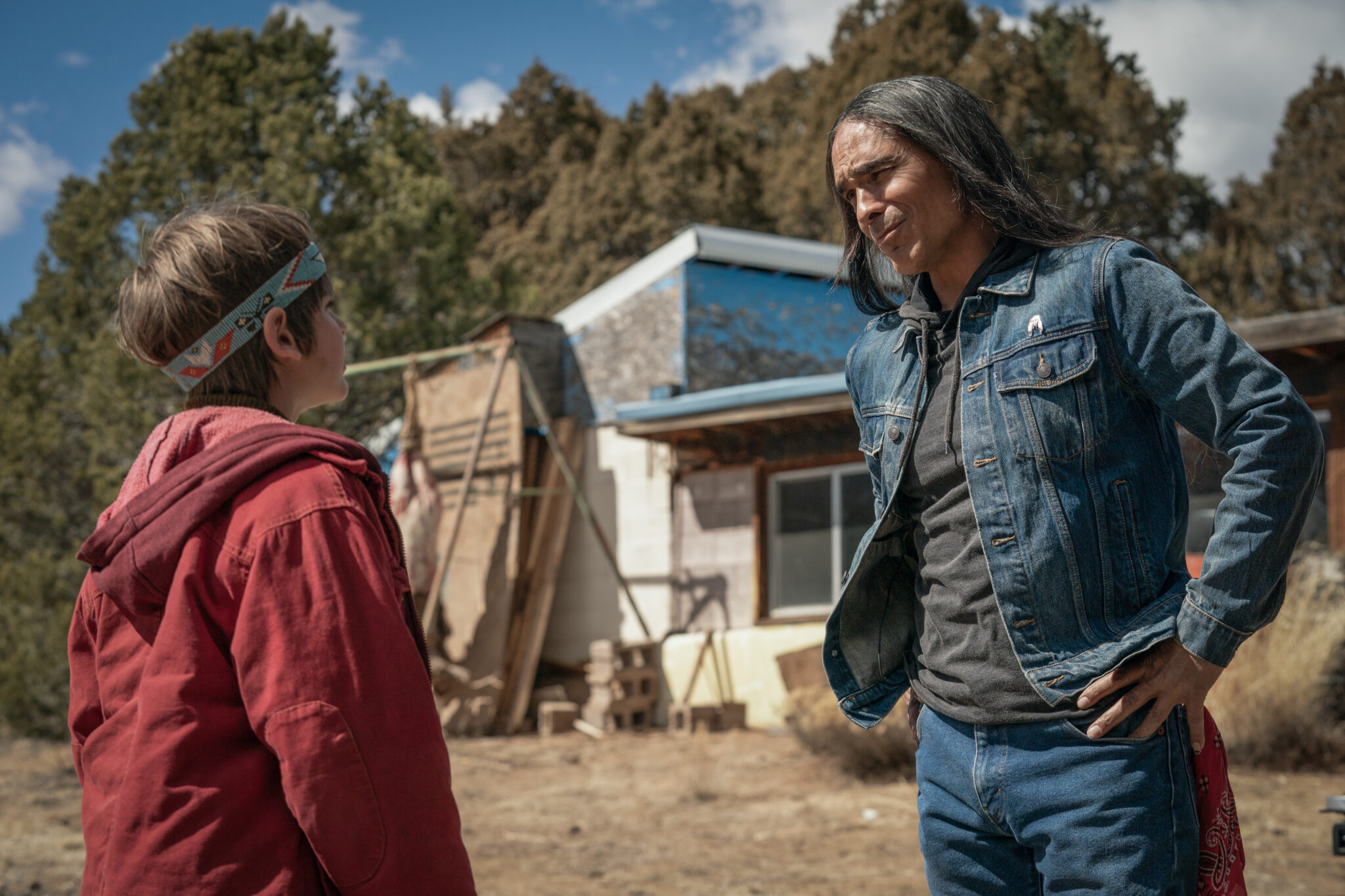
Americana tells the intersecting stories of multiple characters with an eye on taking possession of the ‘Ghost Jacket’, a rare Native American artifact that’s worth a tonne of cash. With dollar signs in their eyes, waitress Penny Jo and lonely veteran Lefty (Sydney Sweeney and Paul Walter Hauser) hatch a plan to collect the money. What’s more, Mandy (Halsey), a broken woman with a painful past, and her ‘son’ who are looking for a way out of their lives, see the financial upside in claiming the jacket for themselves as well. But things escalate even further when Ghost Eye (Zahn McClarnan) and his Indigenous group decide to take back the artifact as a piece of their history that was taken from them.
NA_D20_031422_UC_0786.ARW
In Americana, Tost wants to overturn a lot of those very same tropes that defined the genre. Just like the classic films, the mid-West is depicted as a dry and sun-bleached place but those that live within it don’t lean on those same stereotypes anymore. As a woman trapped in a world of that same toxic masculinity, Mandy furiously kicks back against the male-dominated system. Despite being, arguably, the film’s most heroic characters, Penny Jo and Lefty (“but [he’s] right-handed”) aren’t exactly model citizens themselves. And the Native Americans within the film are far more than victims.
In doing so, Tost balances out the landscape. Gone are the strong white men who conquer, replaced by a more equally balanced landscape of characters who are all trying to find their way in the dusty, dry heat. Gone are the clear-cut morals of the old world. Here, everyone is doing what they can to get by (and get out).
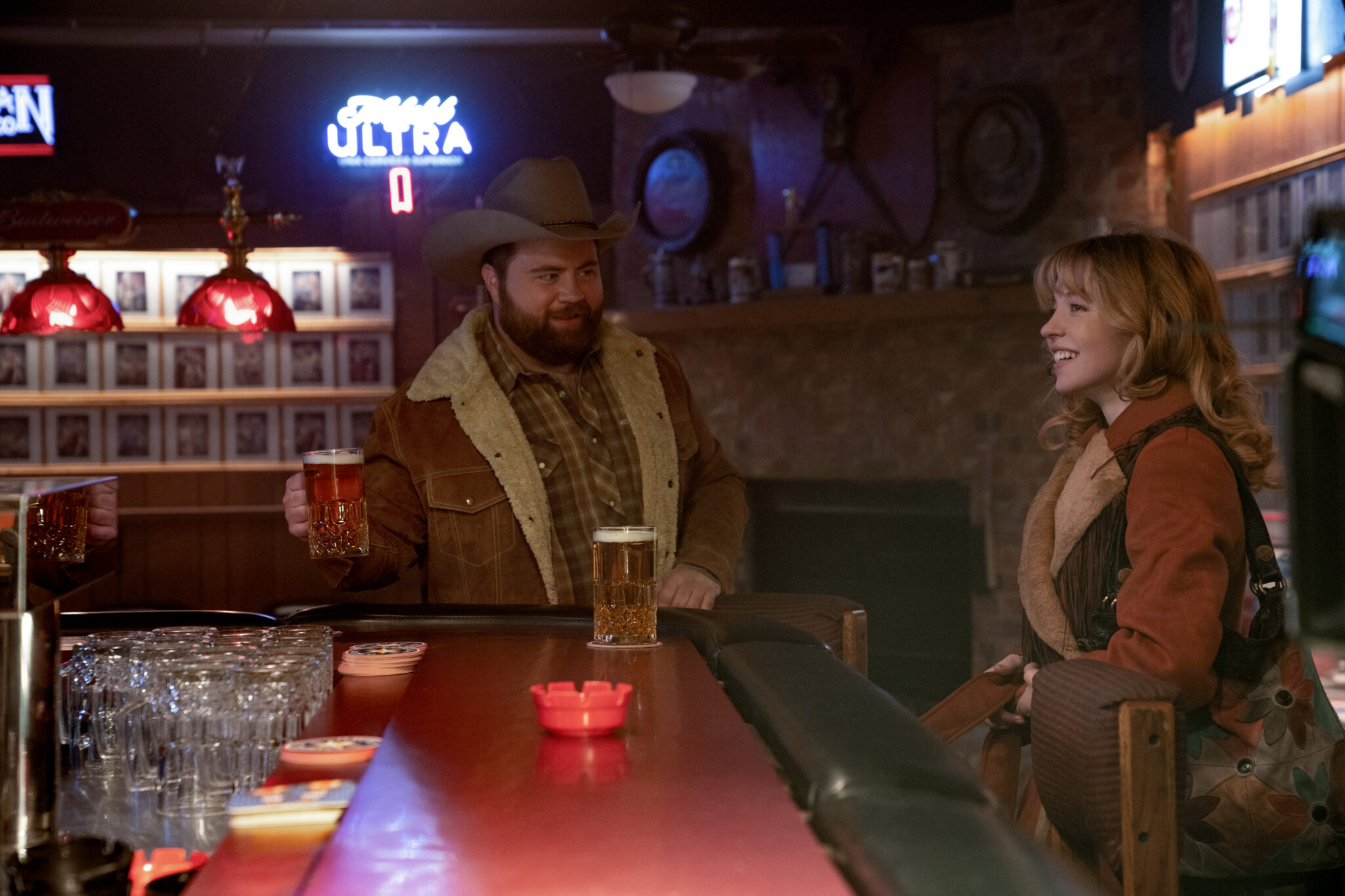
Tost does get some good work out of his cast. In Lefty, Hauser continues to show range as a comedic performer by giving the character more seriousness than you’d expect. With fire in her eyes (and her guns), Halsey brings a fury to Mandy. And, Sweeney gives simple empathy to Penny Jo. (In fact, credit must be given to the young star for continuing to stretch herself as an actor by choosing very different roles.) However, it’s worth noting that the best work may come from McClarnan as Ghost Eye who leads with an inner strength, offering ferocity when necessary.
Most importantly though, this is very much a film about colonization and who ‘owns’ culture. Using the Native ‘ghost jacket’ as the film’s MacGuffin, Tost highlights the ways that American has fought with each other over ways to exploit Native American culture. Here, everyone wants a piece of the potential windfall while the Indigenous people simply want to reclaim a piece of their story. To them, the mission isn’t about money. It was about reclaiming what’s been stolen from them.
Admittedly, the film is also a bit of a bumpy ride in moments. Tost’s willingness to play with time isn’t always consistent while some storylines feel slightly shortchanged. And, of course, there’s the problematic nature of a young white child who claims to be the reincarnated Sitting Bull, a character arc that threatens to undercut all the good that stems from Tost’s depiction of Indigenous people. These decisions never entirely derail the film but they do hold it back at times from becoming something really special.
Having said this, Americana does have enough energy and humour to bring the funny to those who want to take the trip. With silliness and violence, Tost’s (re)vision of the West does (mostly) manage to effectively upend the stereotypes that the genre was built upon. Even so, just know that Americana doesn’t quite ride off into the sunset as victorious as it could have.
Americana is available in theatres on Friday, August 15th, 2025.