
As this edition of AFIFest Presented by Canva comes to a close, I want to share my appreciation of the AFIFest staff for allowing me to take part in the festival again this year. I also want to mention the wonderful work done by volunteers who take care of all of us who have come to see the films. My choices for today’s films were all Special Screenings, featuring films that will be coming out in the coming months.
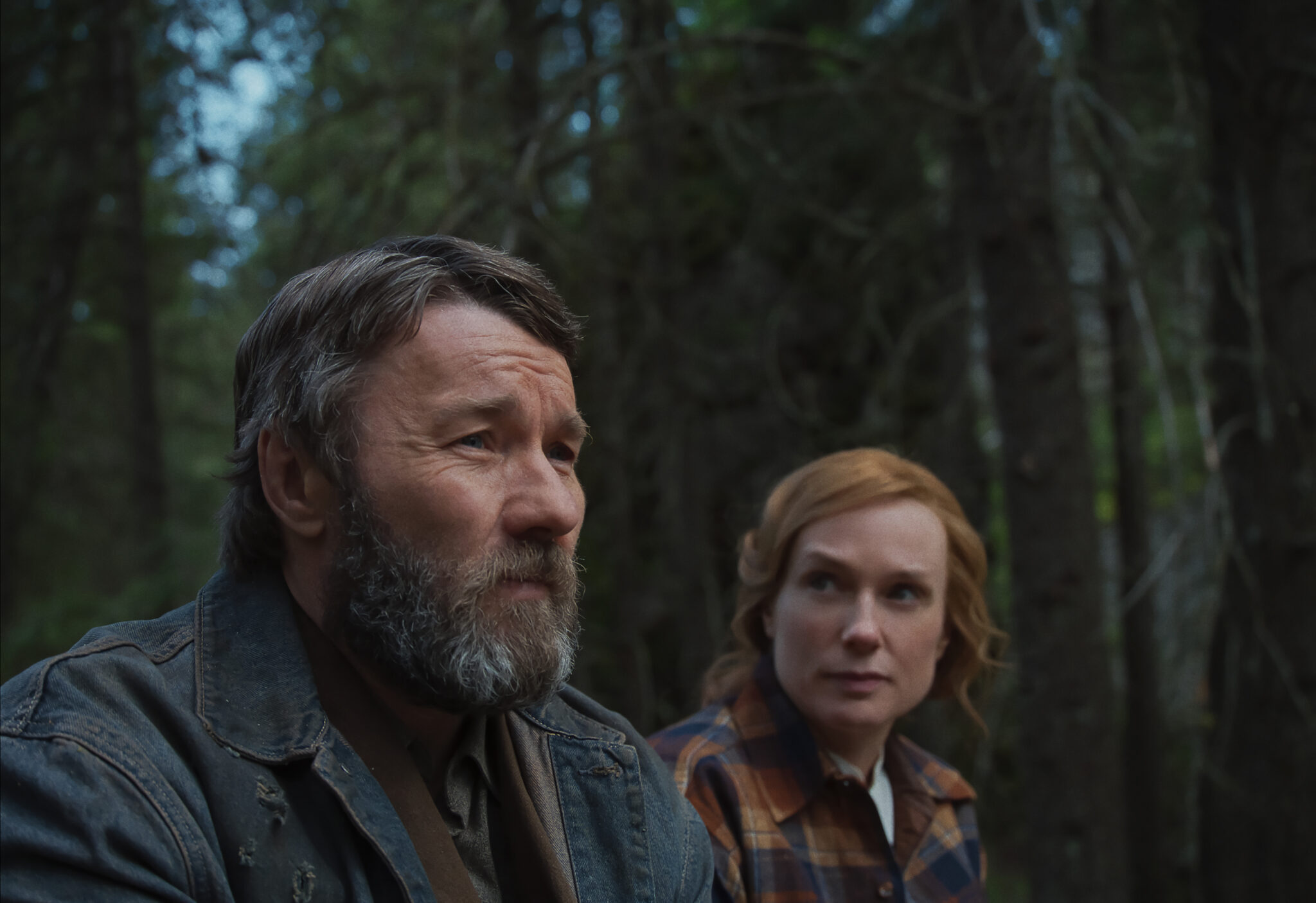
Train Dreams. (L-R) Joel Edgerton as Robert Grainier and Kerry Condon as Claire Thompson in Train Dreams. Cr. BBP Train Dreams. LLC. © 2025.
Train Dreams, directed by Clint Bentley, makes us wonder if a single life has meaning. (Spoiler [not really]: the film says it does.) Robert Grainier (Joel Edgerton) lived in Idaho and never traveled as far as the ocean, nor further east than Montana. He didn’t know what year or day he was born. His parents died when he was a child. He worked as a logger. He fell in love with Gladys (Felicity Jones) and built a home and family. While he was away logging, he lost everything. For years he lived as a hermit. When he died, he had never spoken on a phone, left no offspring, or had anything to show that he had lived. Did his life matter?
The film is beautifully shot and has a contemplative pace in which the wonderful visuals do most of the storytelling. Then every so often there will be a moment when someone will say something that will make you wish you could write it down. It is not so much that it is a deep philosophical enquiry into meaning as it is a gentle reminder of what brings that meaning to our lives.
I’m going to be saving a spot for this in my year end list. Train Dreams opens in theaters in November.
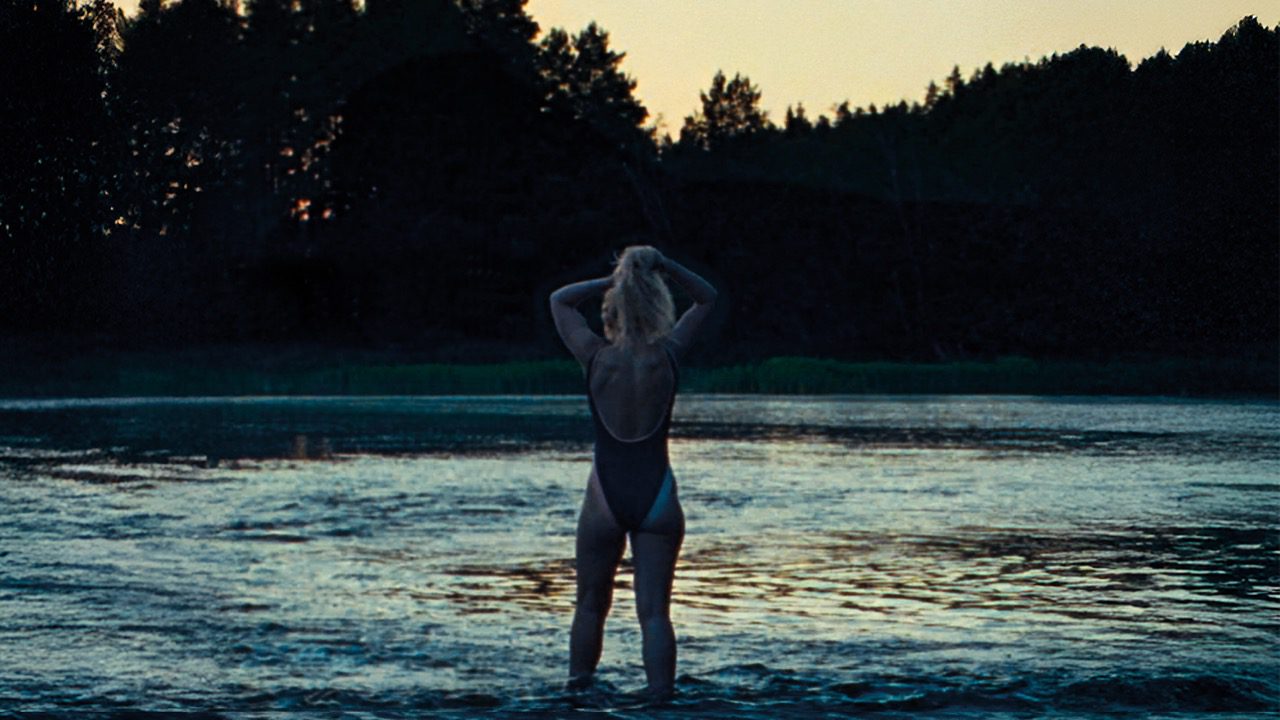
The Chronology of Water, directed by Kristen Stewart, is based on a dark memoir by Lidia Yuknavitch (played in the film by Imogene Poots). The story is told with snatches of memory in a way that at times feels a bit chaotic (as memory often is). It is a story of emotional and sexual abuse. It shows her escape from the pain in her life through swimming that allowed her to leave home on a swimming scholarship. She also escaped the pain through alcohol and drug use that ended her swimming career, and through sexual encounters. We see her begin to grow when she becomes involved with Ken Kesey (yes, more drugs) on a collaborative writing project. Still there is more pain to come.
The film often uses images of blood and water. The pain and the escape are never really separate. They blend together much like blood in water. But for me, this was a film that (except for the last few minutes) had no joy in it. Without some bits of joy along the way, the film feels more and more like a descent into a dark world that many people will not want to visit.
The Chronology of Water is due in theaters in December or January.
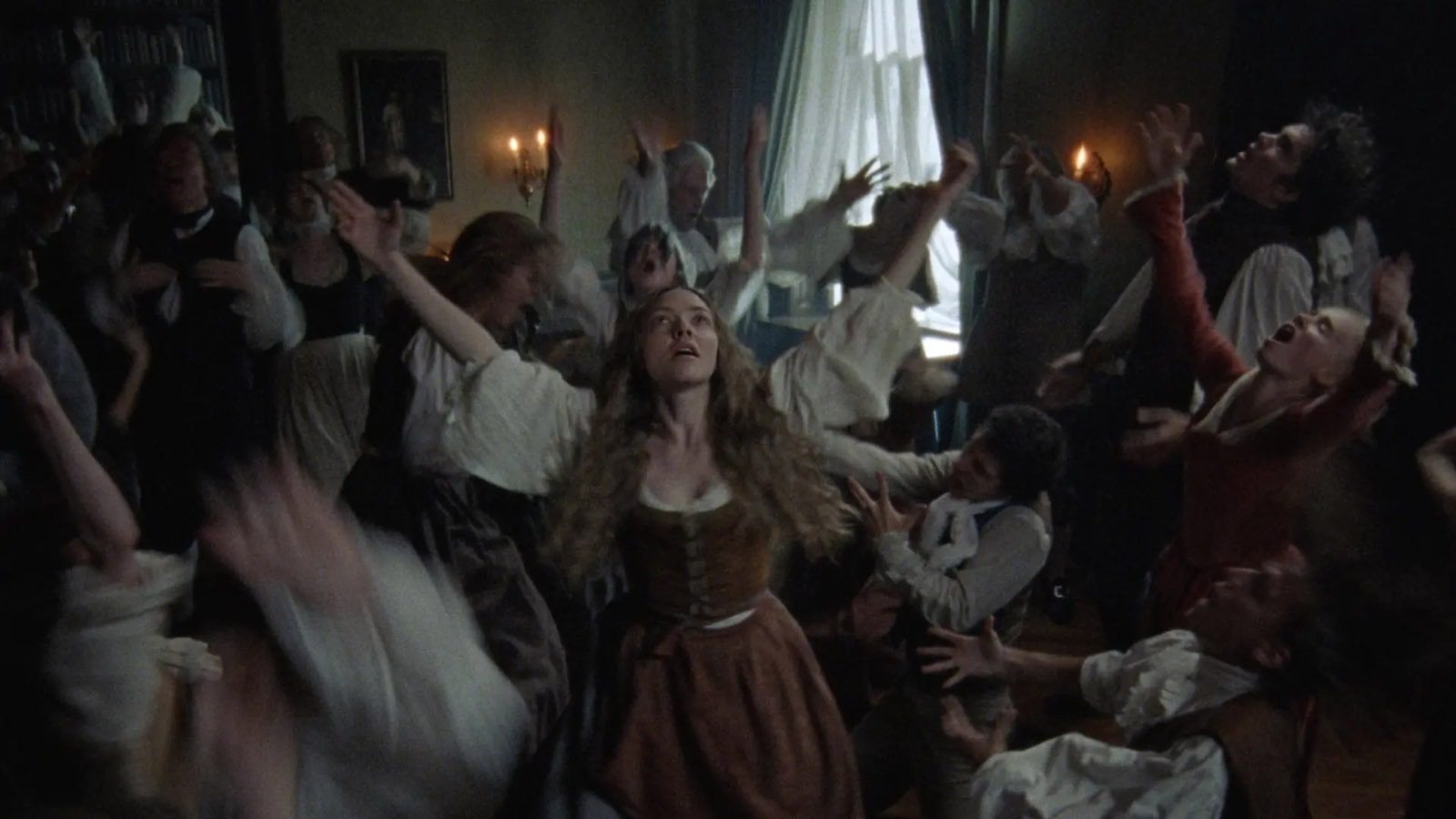
The Testament of Ann Lee, directed by Mona Fastvold, gives us an introduction to the Shakers and the woman who led them. The film gives us the life of Ann Lee (Amanda Seyfried) from childhood working in a factory in Manchester, England. Even as a child she was fascinated by religion. She encountered Methodism which was a break from the established religion, but moved on to a small meeting led by James and Jane Wardley. The worship involved confession and physical manifestation of spiritual life.
The Shakers believed that the Second Coming of Christ would be as a woman. In time Ann began to have visions, and grew in influence, even claiming to be the new incarnation of Christ. She also saw sex as what separated people from God, leading the Shakers to lives of celibacy. In 1774 she led a group of Shakers to New England to serve as a missionary community. Ann Lee represents an example of female leadership in religion at a time when it was not accepted.
The film tells us this story in part as a musical. The physical nature of Shaker lived lends itself to this treatment, although I found it a bit strange to have such well choreographed spiritual exercises. But all that music and celebration caused a problem. There are bits of voiceover narration that get lost amid all the sounds of music and dancing. This is a film that really needs to be seen with subtitles.
The value of the film is in the way these events of the Second Great Awakening may give us insight into the changes that have taken place in our culture vis à vis religion and spirituality.
The Testament of Ann Lee will be in theaters at Christmas.