
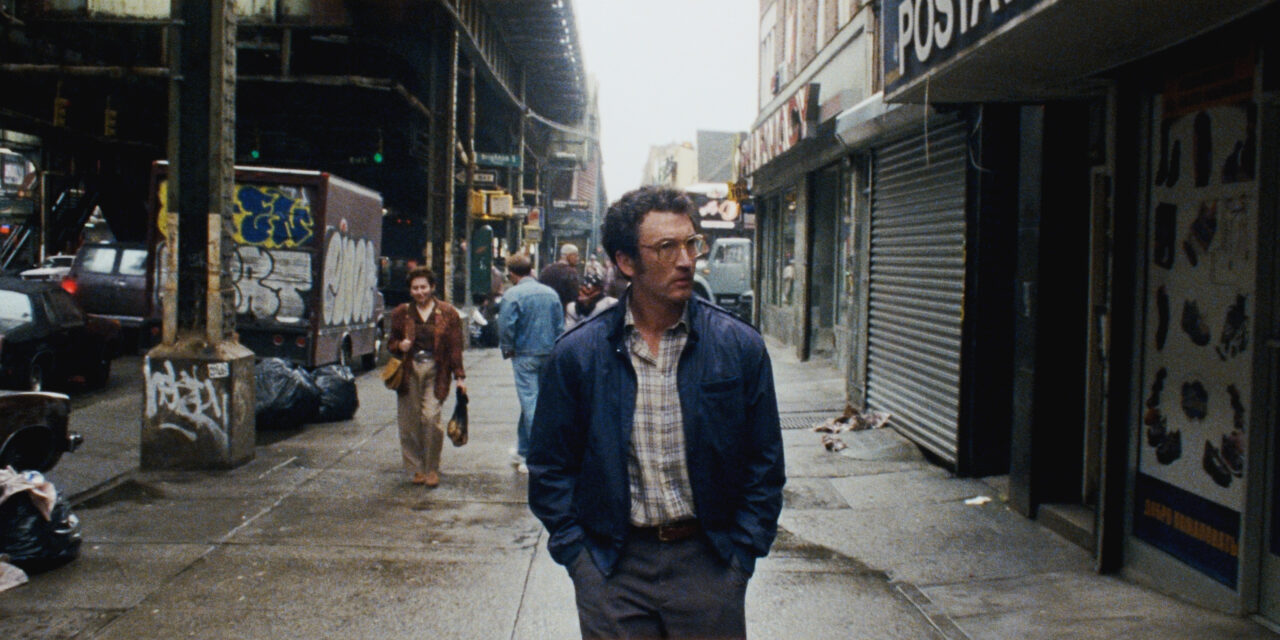
Paper Tiger follows the Pearl family, father Irwin and mother Hester whose two boys Scott and Ben are coming of age in 1980s Queens, New York. When Gary, Irwin’s brother comes to him with a business proposal, it seems like the opportunity that Irwin has been looking for his whole career. But what seems like its too good to be true turns out to be so. One ill choice from Irwin’s ignorance lands Gary and Irwin in a situation where everything they must offer everything they have to the Russian mob, their money, their reputation and their safety. With the threat of violence lingering over them, Gary and Irwin in their own ways try to find how to get themselves out from a rock and a hard place. The results are dramatic and riveting.
Director James Grey takes a situation familiar to be through the stories of Vince Gilligan, Better Call Saul and Breaking Bad where a character, a straight man has ambition take hold of them and then must keep the personal and professional separate. This for Irwin and Gary is their flaw, the professional quickly becomes lethal and the world they enter is where there is no divide between family and business. Grey keeps it distinct by returning to an area he grew up in and is able to capture the specificity of Queens in the 80s. The way characters talk, the period details in the locations, the way the dress and the technology are all immersive and serve to show the unique culture that is being disrupted by the people that Gary and Irwin get involved with. The locations often tell us so much about what Irwin and Gary are getting themselves into. One scene where they meet the mafia for the first time has the lights green, to throw us off. The room has so many tables, and other people positioned that it shows how Irwin and Gary have become pawns in the Russian mafia game.
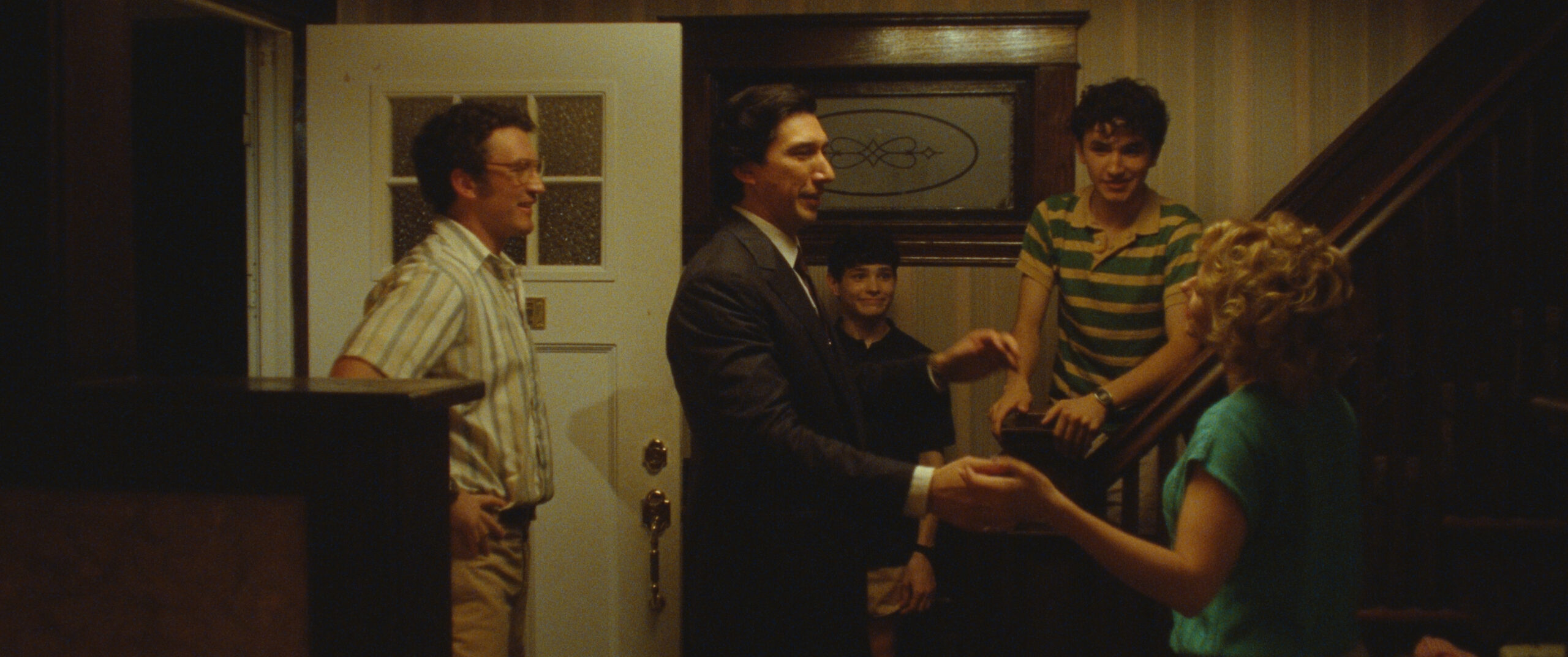
At the same time, Gray ambitiously tries to carry the personal weight of family bonds and the threat of mortality into this film. He shows the audience how this peaceful family is shattered by where they live and the choices they make. Suddenly, Irwin, who, despite his best efforts and his desire to do everything right, has risked everything. All he wants is to let his boys live out their American dream, believing that doing so will help him realize his own. But everything falls apart around him, and ironically, sometimes he doesn’t even know it. This is what makes Irwin such a unique protagonist. He is active and makes decisions, but those decisions rarely help anyone because he is operating in a world he was never prepared for, one that asks him to act in ways he never conceived of.
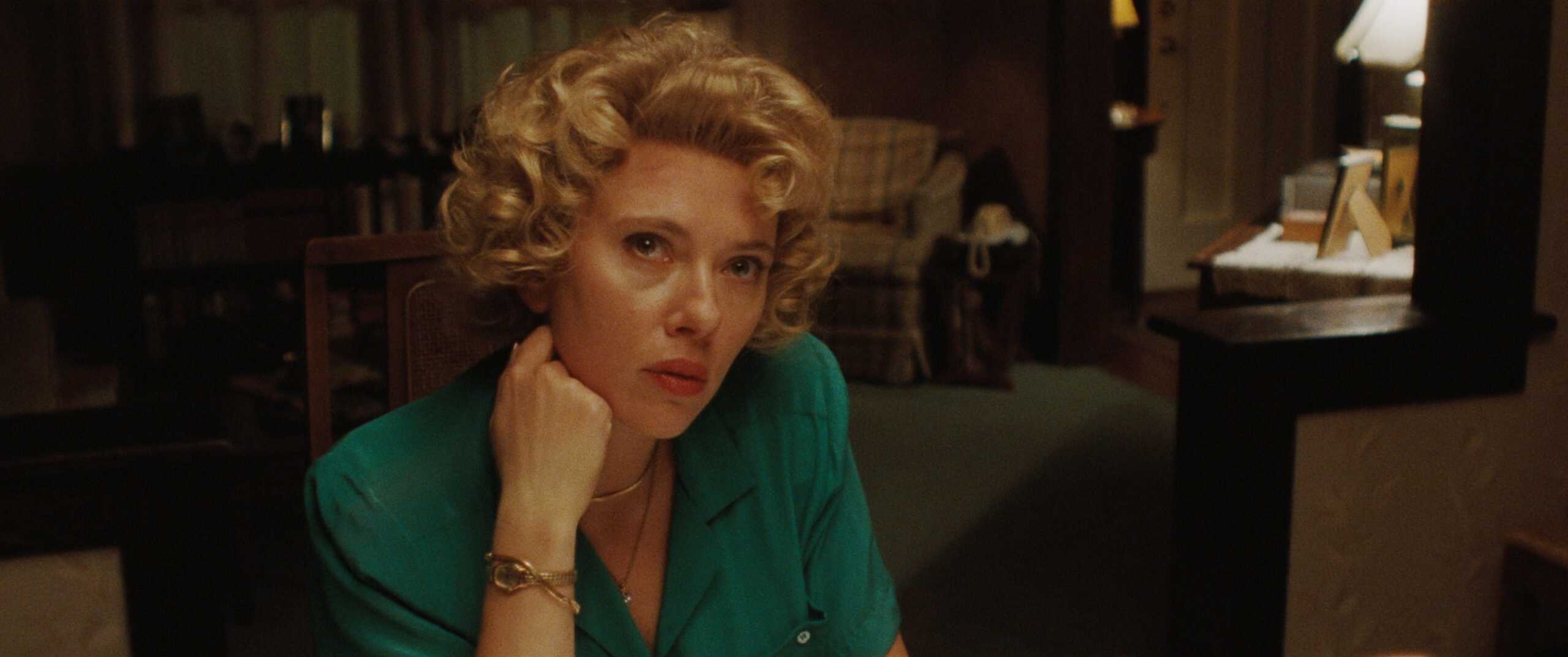
Alongside this crime drama, filled with tension, is a more melodramatic story involving Irwin’s wife, Hester, who has only ever wanted to be a supportive mother and homemaker. When her ability to do that is put into jeopardy, she has to make decisive choices with little time to consider how to handle Irwin’s emotions as he stresses and fumbles his way through the criminal scheme that he and Gary have gotten themselves into. Her story is incredibly difficult to balance with the main crime storyline that Gary orchestrates. Johansson’s performance becomes crucial, as she has to communicate all the weight her character takes on in only a few key scenes. In my view, she certainly delivers in those moments. One pivotal scene requires her to show both the fear and grief of being confronted with the true danger of what Irwin and Gary have gotten themselves into. She does this exceptionally well, and considering the difficulty of that scene, she works wonders. She has to embody the female characters of the past who are both victims of the men around them becoming involved with dangerous criminals and representations of the reality of being women with limited options. As a mother dedicated to her household, she has to lean upon her husband and his plan to keep them out of danger. She was never going to be the active, intelligent partner to Irwin in the way that he is trying to be with Gary, but she has her own choices that leave a profound dramatic effect. Our knowledge of her struggles lingers effectively over the crime and family drama occurring between Irwin and Gary.
Gray draws these characters very well, giving them entire histories in an efficient manner. We learn so much through their specific ways of talking, their habits and how they carry themselves around others. It provides a whole history that rarely needs to be developed through exposition, but rather through the people they meet and the ways they interact. It’s a hugely impressive screenplay and directorial effort, as Gray tells us all of this while continuing the story and evolving it in every scene. Gray brings characters in and out of danger seamlessly but always makes the tension of previous scenes memorable. We remember the violence because the emotions of the family are always affected by it. The violence never results in melodramatic breakdowns, but its effects, along with the threats that accompany it, stay with the characters from scene to scene. This is the weight they carry through to the standout ending. Each character has their own unique burden, and thus the drama and tension stay with us as an all-seeing audience who know that the life the Pearls had at the beginning has become infinitely different.
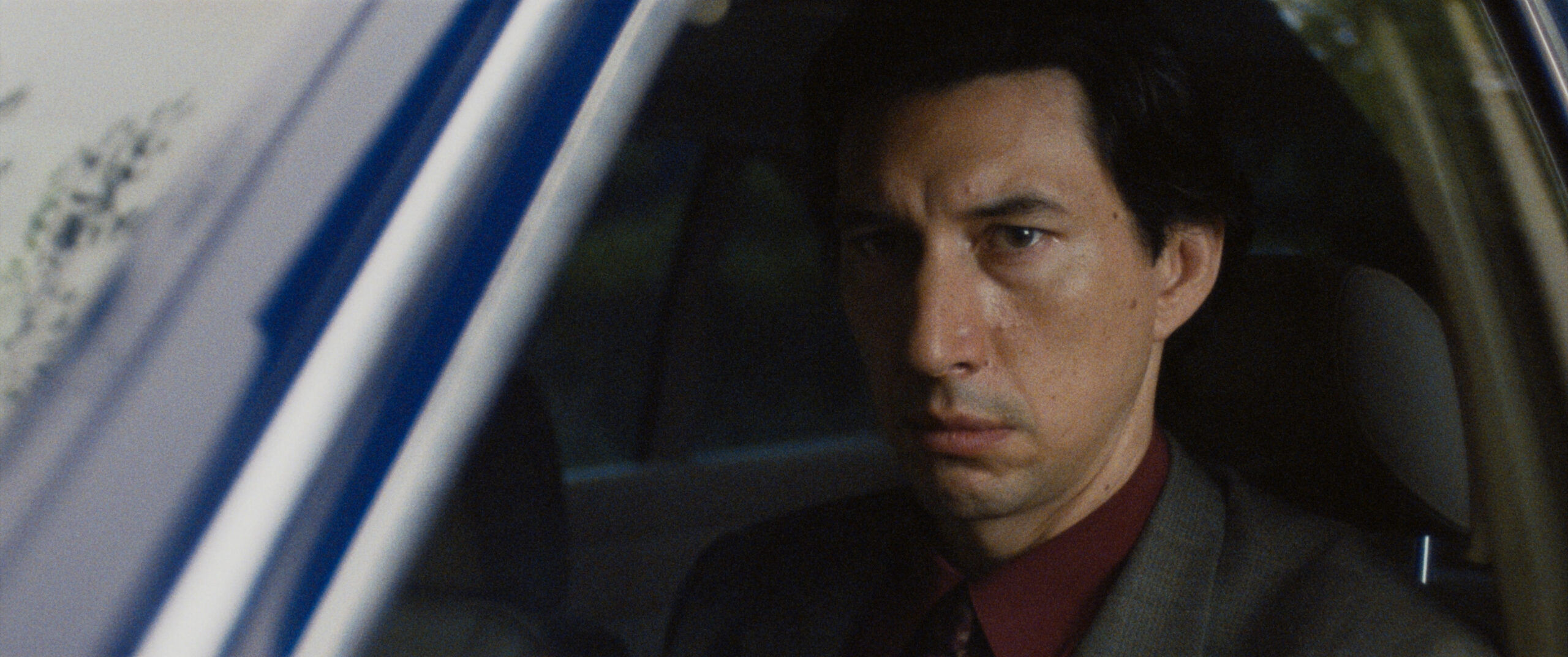
Adam Driver is phenomenal, painting a picture of a person who, to his brother, nephews and sister-in-law, is an almost mystical figure. He is the man who has found an ability to make connections that have led him to great success. But as he finds himself down on his emotional luck, he doubles down and tries to get his brother’s help to make his business a giant in New York. He gets involved in ventures that he believes can elevate him and Irwin to a status they have only dreamed of. But he makes deeply flawed choices, going into every conversation believing he is in charge. It quickly becomes clear that he is not. He gets himself into a deal with the Russian mafia, sharks who are determined to move anything in their way in order to establish their place in America. Gary’s family has every faith in his ability to lead them towards a promised and more enriching life. He re-enters their lives at the start, dazzling them with his connections and wealth, impressing them with every gesture, every word he uses and his ability to be a showman. He seems to be far more connected to the world in a way Irwin never could be. Irwin, his sons and Hester all admire him, and in return, he deeply longs for their love in the midst of his divorce.
Miles Teller brings a strong hand to a role that asks less of him dramatically than even some of his more franchise-centred roles. He morphs into a typical family man of this time in a way that feels remarkably specific. In short, he’s a good egg and a good dad. But a good dad in a world of mobsters and ambitious people who will do whatever is needed to gain power becomes prey. And no man can handle being prey, so the pressure to step up and become like his brother, to be someone who can stand up and protect himself and his family, is immense.
The film is shot very simply, but in its most pivotal moments, it creates layered images. You can see how intentional each scene’s construction is from a cinematic point of view. It sets up the visuals we get later so well, either by being restrictive with its shots or by using images that are then presented again in a new light. Gray allows the editing of images together to give us the space to make emotional connections and discover the narrative or thematic meaning ourselves. Never does a shot overexplain what is going on. It lets the characters feel free while also making deliberate framing choices and cutting in from wide shots to where the drama is taking place. It knows when to follow the mannerisms, props or locations that tell the story. It also makes key stylistic choices, especially in the finale, that are grander but still fit the drama and tension of those scenes. It shows off without relying on an epic scale for its stylistic choices. It’s an impressive and commendable approach in a film world full of spectacle.
Paper Tiger is in theatres on Friday, November 20th, 2026.


