
The History of Concrete, while technically about concrete, moves into vignettes, stories, and places that are unexpected and often delightful. It confronts a world that, like the concrete in our cities, often looks like it is falling apart. What director John Wilson does with this film, as he does with his show How To with John Wilson, is dare to go into the mundane and droll. From that, with clever editing, voiceover, and a great eye for unique Americana, he draws a landscape of a country that doesn’t know what to do with itself, but is also just inherently funny to look at.
On a more surface level, the film is kicked off by Wilson as the protagonist in his own journey, trying to figure out how to sell a film about concrete. His first step is framing it as a Hallmark movie, but in normal John Wilson fashion, he meets unique people with some unique things to say.
One of Wilson’s powers is the variety of material he collects and how he is able to spin it together into something that resembles a documentary thesis. We see how people value the building of things in different ways. There is a lot to be said about land, why people value it, and what kinds of infrastructure we should value going forward. He never fails to find another interesting visual or person to talk to, and he leaves room for the more awkward and uncinematic parts of conversation to capture a human authenticity. These make the conversations not only more real, but slowly allow Wilson to get to the heart of what makes people tick. Why do people do what they do? It’s a journalistic approach that Wilson has made more present here than most news outlets accomplish today.

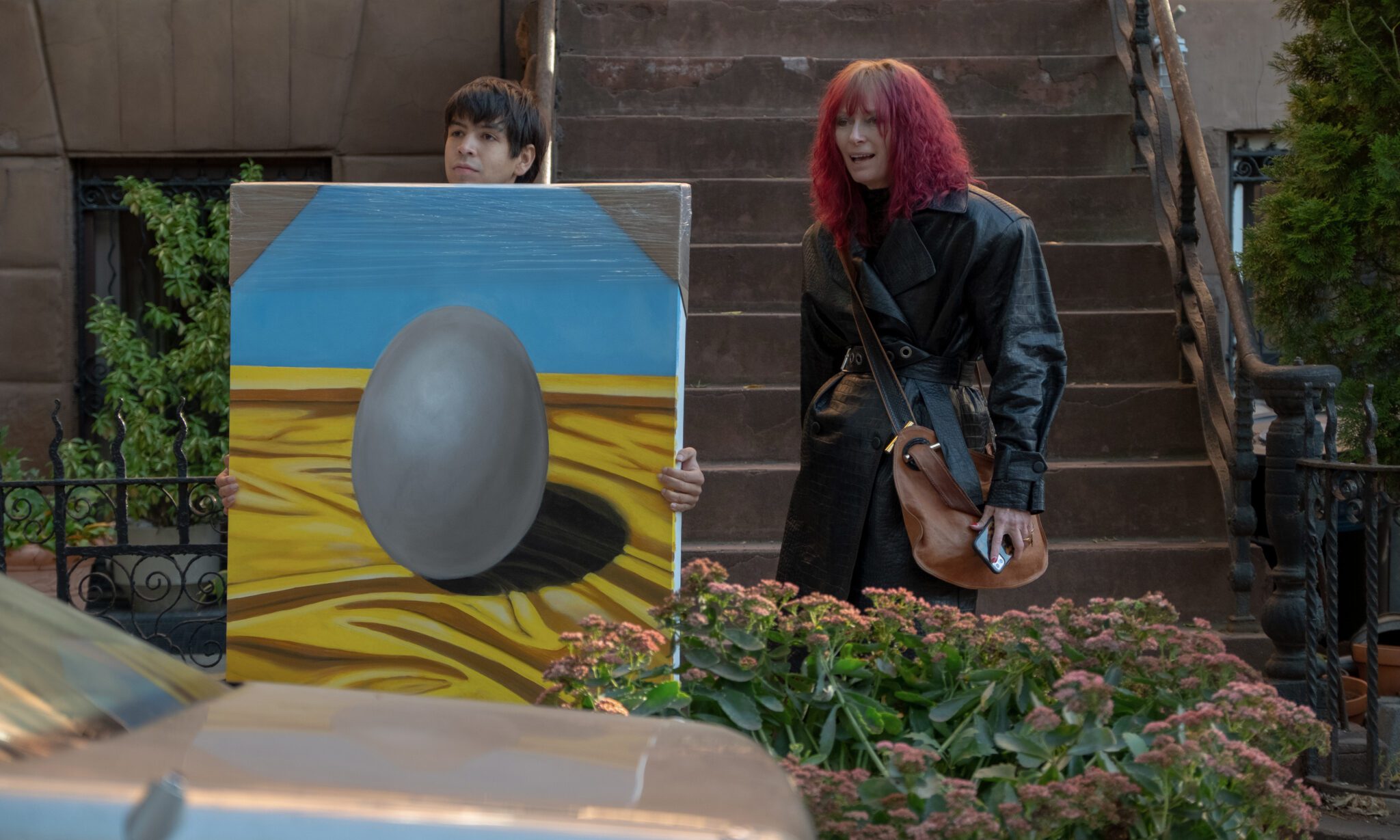
A still from The History of Concrete by John Wilson, an official selection of the 2026 Sundance Film Festival. Courtesy of Sundance Institute. | photo by John Wilson
The film is able to keep his different excursions, the events he covers, and the problems he encounters as running storylines throughout the movie. In particular, Wilson confronts how hard it can be to sell and make a living from your art when there are more and more people unwilling to invest in it or pay living wages to those daring to make original work. Wilson knows his material is not what you typically sell, and yet he sees how much humanity in art is simply going underground, into third spaces that might be completely inhospitable or simply disappear because artists need to get jobs and abandon an industry even as they love it.
This contrasts with some who are willing to do crazy things over and over in the hope that the practice of repetition creates something magical. People try to find that in Hallmark movies; Wilson shows us a group trying to run around a city block for days in order to find it. Even Wilson would probably admit that he wanted to turn his show into a feature film just to prove his own style was worth something bigger than TV.
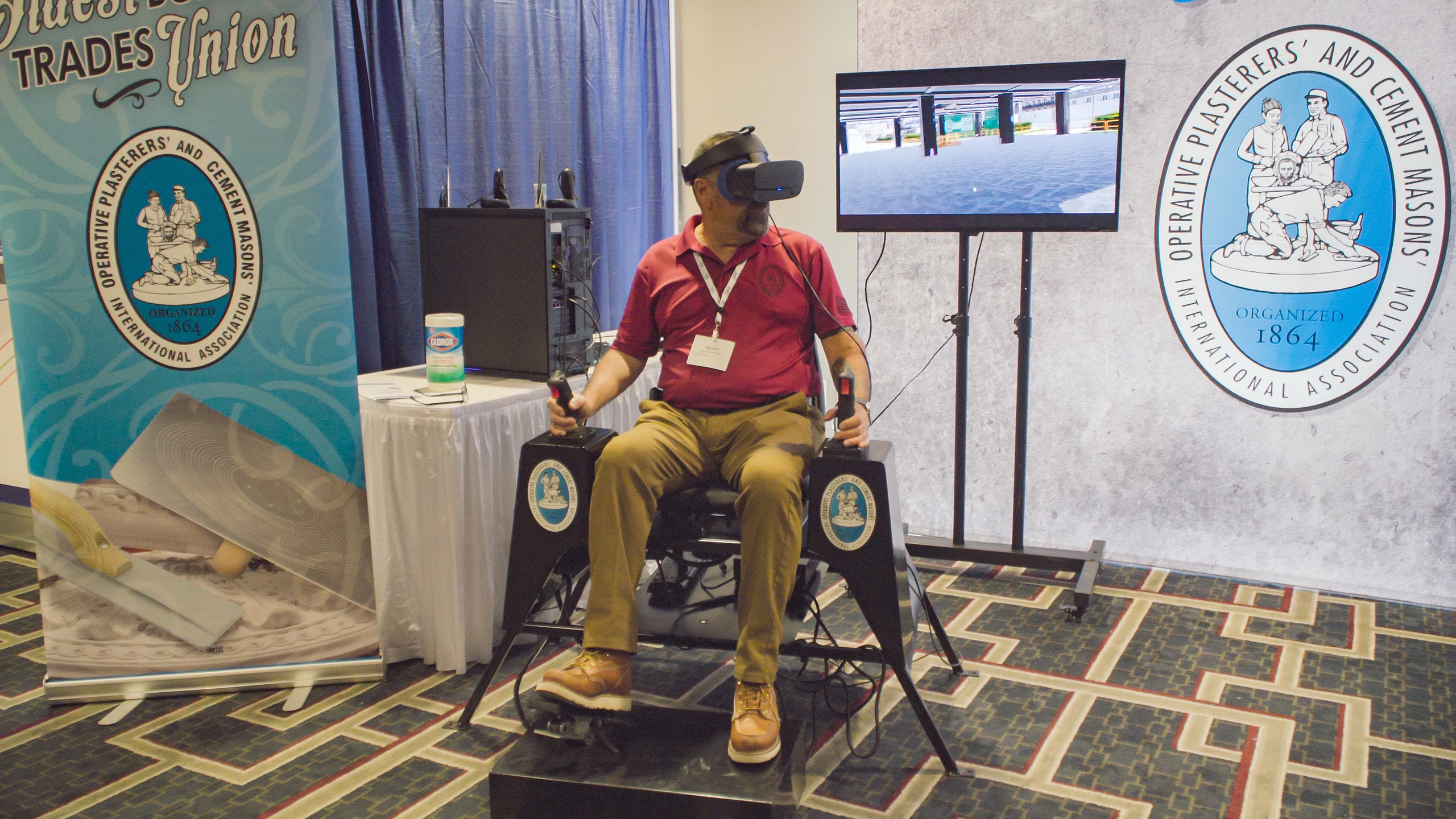
A still from The History of Concrete by John Wilson, an official selection of the 2026 Sundance Film Festival. Courtesy of Sundance Institute. | photo by John Wilson
What comes out of all this is Wilson discovering and delivering to his audience something that is able to entertain, make us encounter the mundane, and make us feel serious emotions. We not only experience Wilson’s story of making this film, but he also lets us into the weird and wild lives of some of his subjects, some of which end in a greater sadness than you would expect from what might be considered a comedy documentary.
But it never escapes the boundaries it sets for itself because it is always simply what Wilson sees. While that isn’t always super exciting, Wilson reminds us that a little bit of peace and some boring city sidewalks are okay. What matters is what we make of them while we are still here and, hopefully, that we try to create something beautiful while we still have the time.
The History of Concrete is in theatres now.