When you’re living in a Fjord, you never know when the avalanche will come.
Directed by Cristian Mungiu, Fjord tells the story of Lisbet and Mihai Gheorgiu (Renate Reinsve and Sebastian Stan), a couple who relocate with their five children to a remote costal town in Norway. As the family settles in to their new home, their teenagers quickly bond with their neighbours. However, as their relationships grow deeper, the Gheorgiu’s religious beliefs begin to make the surrounding area uncomfortable. After allegations of abuse are raised, the family must face off against the judicial system as they explore the relationship between concern and prejudice.
Although it’s bound to be divisive, there’s little doubt that this is remarkable filmmaking. Once again, Mungiu has created a film that demands attention – and conversation. This is the sort of storytelling that mires its characters in the muck of human existence, searching for answers in a world that can’t seem to find any. It’s quiet and reflective but also fueled by rage. And you can’t take your eyes off of it.
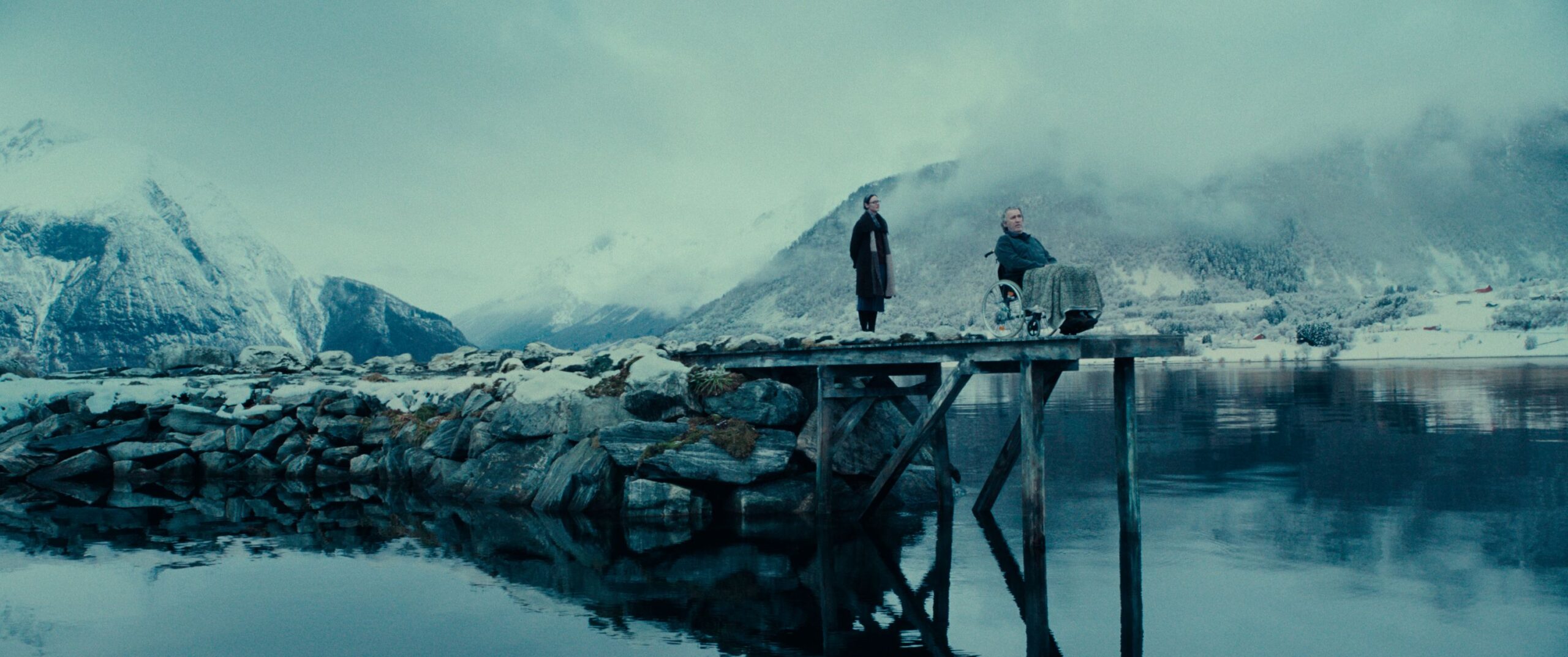
In Fjord, Mungiu bathes the screen in neutral greys and blues. Set within the Norwegian… well… fjords, the space feels desolate and dreary, as though life has been drained from the community. The only spark that seems hopeful onscreen stems from within the home as lights warm the families that live there.
Lights, of course, that are burning with irony.
After all, Fjord wants to suggest that one of the most unsafe places is within the Gheorghiu home. Although Mihai and Lisbet are shown to love their children fiercely, the accusations labelled against them cause the community to view them as social pariahs. Overnight, they become the couple you can’t associate with or support.
Yet, at the same time, Mungiu gives the viewer ample opportunity to empathize with their situation. Instead of telling the story from the perspective of the accusers, Fjord very much tells its story from the perspective of the accused. Though one can never be entirely sure what’s happening within their home, Mungiu wants us to offer our support to Lisbet and Mihai as though they were neighbours of our own. In fact, he even goes so far as to plant seeds that point towards religious and racial oppression.
The Gheorghius are new here and have brought their own cultural ideas with them. Whether or not they belong here is another question entirely.
But that’s what makes Fjord so fascinating. This is a story about a couple that you root for but aren’t entirely comfortable with. While the film makes the Gheorghiu family the lens through which it tells its story, their perspective will not sit well with everyone., Despite defending them against their accusations of abuse, Fjord never justifies their entire set of worldviews. After all, this is a family that holds more Conservative (or, in their words, ‘traditional’) family values. They teach their children scripture, discipline with spanking and, of course, do not support the LGBTQ community. (For example, without giving any spoilers, moments when Mihai stares ominously through his window at a blossoming LGBTQ romance border on chilling.)
Yet, that seems to be the point of Mungiu’s film. In the Gheorghiu family, we have an example of a family that is accustomed to religious freedom, yet they have stepped into a world that doesn’t agree. While Fjord doesn’t always agree with them, it never entirely vilifies them either.
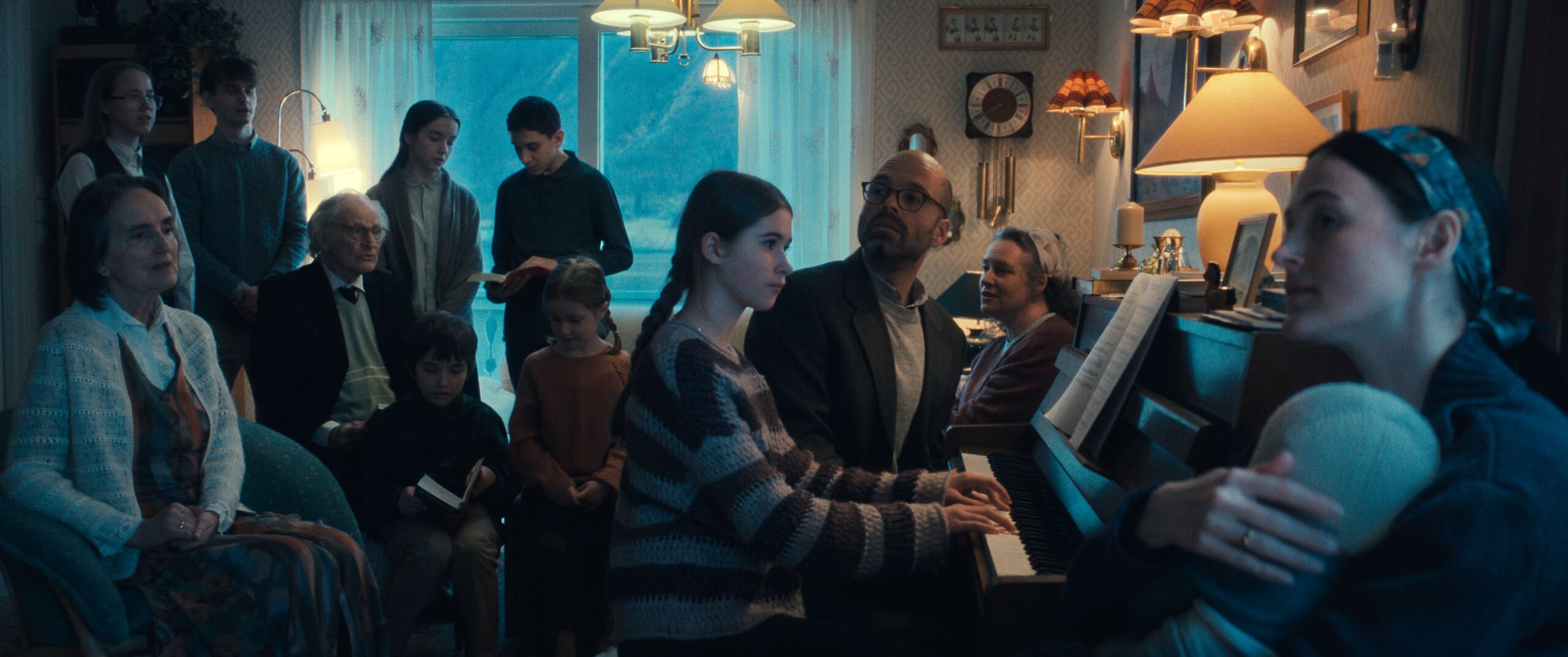
It’s worth noting that the performances by Stan and Reinsve both work to help create that ideological tension. As Mihai, Stan remains stoic. Though he clearly struggles with anger, he represses his emotions for the sake of his family. At the same time, Reinsve bleeds with hurt onscreen as her family is slowly eroding around her. Both of them never waver in their expression of love. It’s remarkable work to create characters that we don’t always like but we cannot help but love.
In doing so, Mungiu straddles the line between sympathy and disdain with his characters. With each accusation and justification, Mungiu’s characters are left both heroes and villains simultaneously. At all times, they are doing what they truly believe is in the best interests for these children. Yet, at all times, everyone seems to be somehow misguided. As such, this is the sort of film that appears destined to challenge the viewer’s biases in real time. Whether or not you defend the Gheorghiu family (and, more specifically, when you do so) reveals as much about the viewer as it does the characters.
Fjord is available in theatres on Friday, October 16th, 2026.