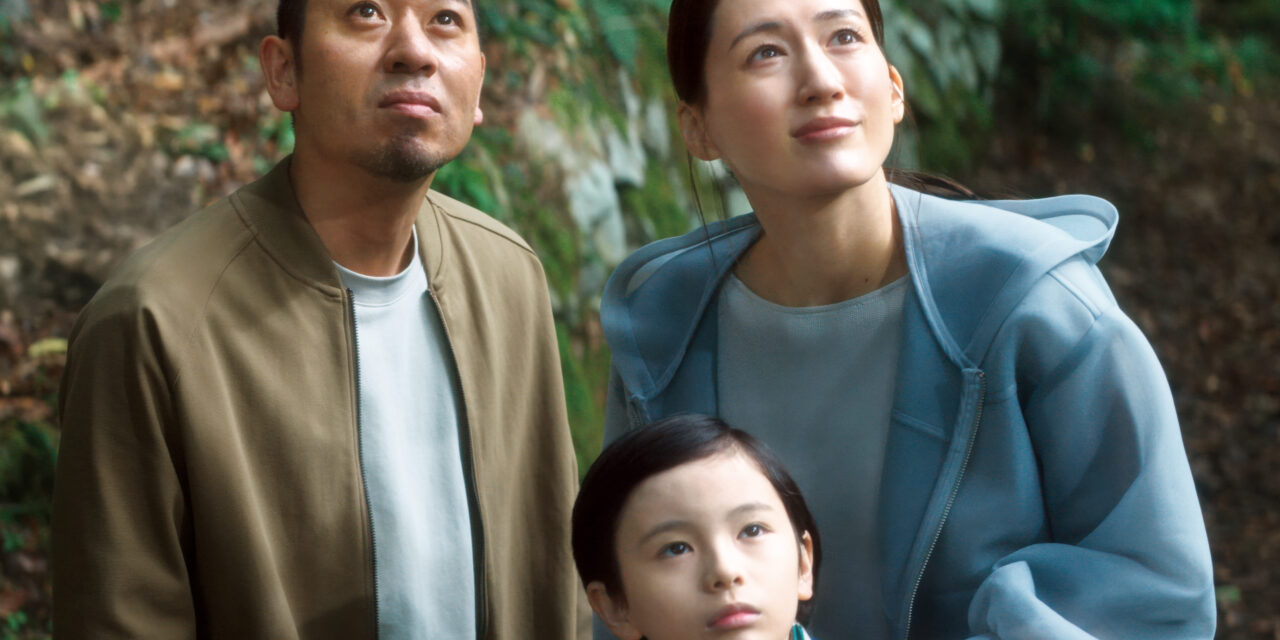
Set in the near future, Sheep in the Box tells the story of Otone (Haruka Oyase) and Kensuke (Daigo Yamamoto), a couple who are grieving the disappearance of their young son, Kakeru. Devastated, Otone appears to find a solution with the development of AI-powered humanoids who are designed to compensate for families who have lost a loved one. As a result, Otone brings an android into their home who seems identical to their late child. Nonetheless, just because he looks just like their son, it doesn’t mean that he is their son, causing friction within the home and their marriage.
Directed by Hirokazu Kore-eda, Sheep in a Box is a soulful expression of community in an increasingly digital world. As always, Koreeda taps into the emotional core of his characters in ways that keep the film engaging, even in moments when the story slows down.
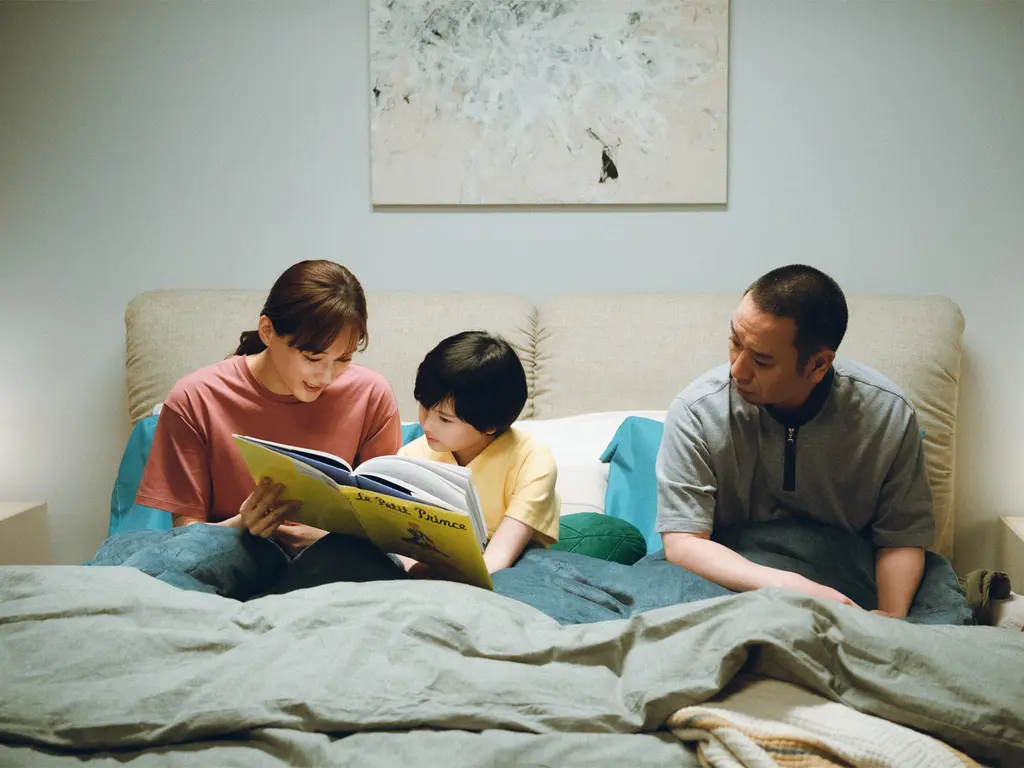
At its core, Sheep is a film about sifting through our grief. Grappling with the loss of their son, Otone and Kensuke remain frozen with their emotional paralysis. While they both attempts to make sense of the world by pouring himself into work, neither is in a place to properly deal with their pain. (It’s also worth noting that the film’s palette washes out most brighter colours, reminding the viewer that this world is one devoid of joy.)
But that’s why the arrival of their robotic Kakeru appears to make so much sense. By bringing him into their home, he provides an outlet for them to pour their affections upon. For Otone, this appears to means hope. Though she fully understands that he’s not human, he does feel… real. He listens well, enjoys being creative and loves spending time with his ‘mother’. As such, her adoption of him taps into her own inability to let her son go.
However, Kensuke isn’t as sure about the experience as his wife. To him, the addition of Kakeru is the equivalent of adding a ‘Roomba’ to the home. But these feelings also appear to stem from his struggles with grief. By holding Kakeru at bay, so too is he able to prevent himself from dealing with his feelings in a different way that his wife. Rather than embrace him as a substitute, he distances himself from him, believing their new Kakeru represents nothing more than suffering.
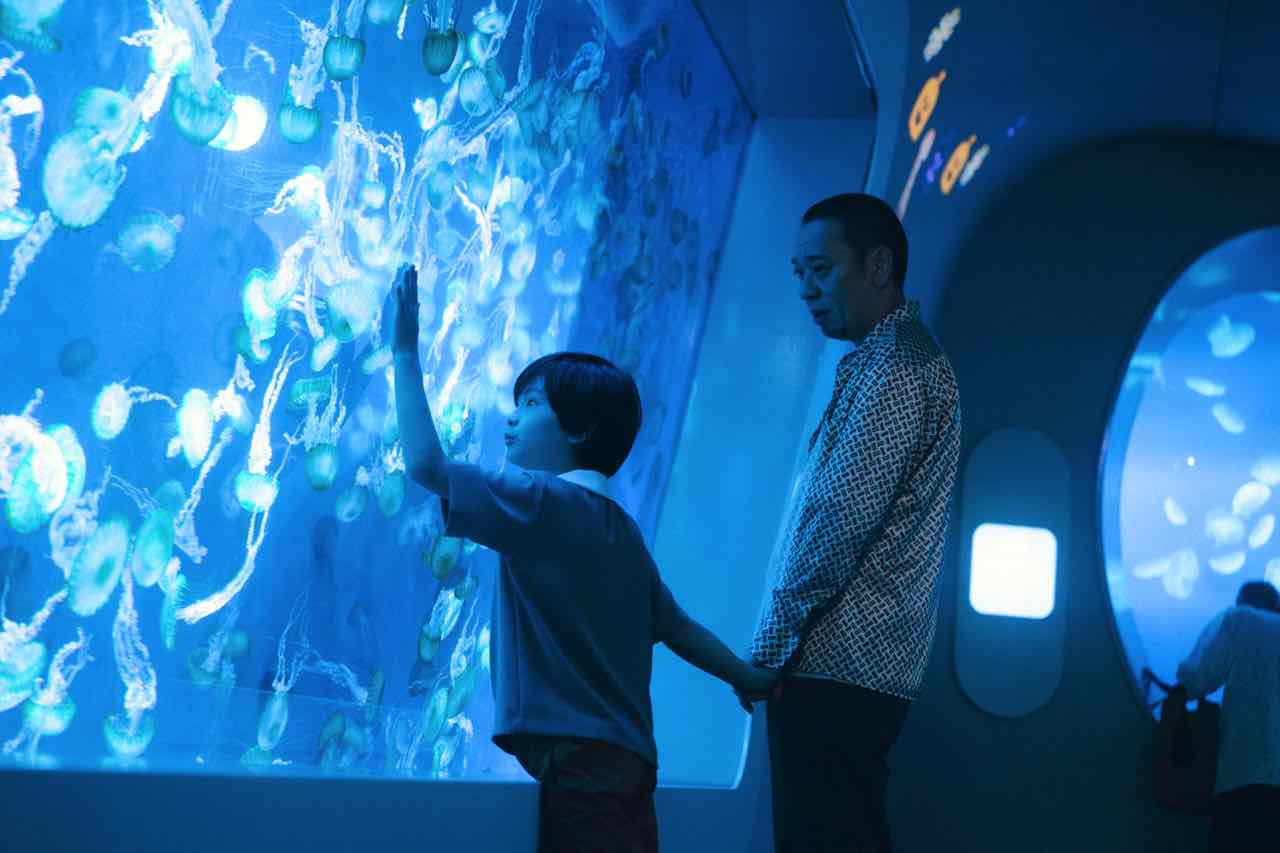
It’s in these spaces that Kore-eda truly engages one’s capability to deal with their past suffering. These are people whose lives consist of a complicated blend of compassionate, parental love and rage-inducing suffering. And neither of them is prepared to release even the smallest grain of their inner-most pain.
Even so, Kore-eda’s film also uses its family drama to explore the ramifications of an AI-driven world. Although Kensuke and Otone primarily work with their hands in construction, the addition of Kakeru becomes something of an eye-opening experience for them.
Kakeru can walk, talk and think freely. But he’s also evolving.
Questioning whether or not his existence truly is dependent upon his human parents, Kakeru begins to explore what it means to become independent. On some levels, this mirrors the act of parenting, building up the next generation to exist freely. But, on another level, it also speaks to the perils of the AI revolution, creating beings that are meant to be a part of our lives yet expect to write their own stories as well.
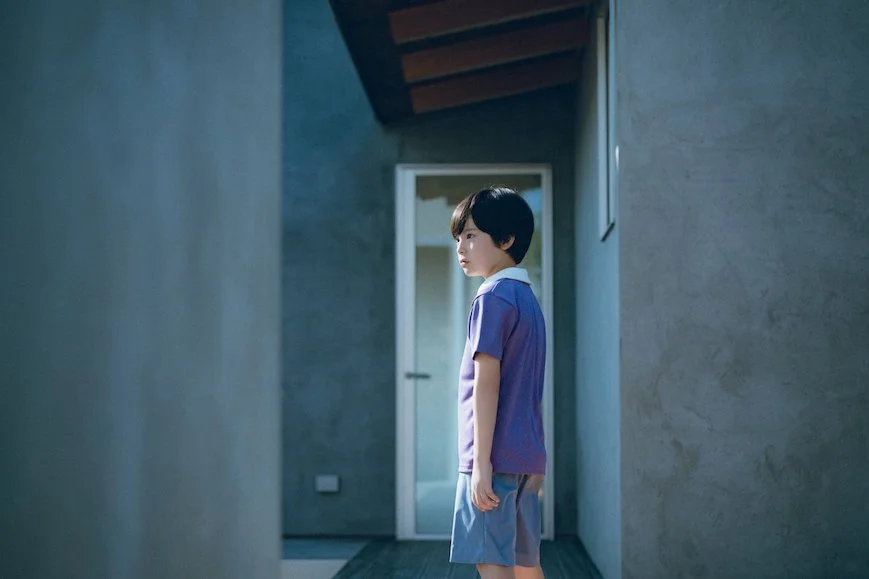
In short, Sheep in the Box appears to believe that there’s a ghost in the machine.
Though, it’s worth noting that Kore-eda isn’t creating the next Terminator film either. There’s an unbridled optimism embedded within this Box that may ask hard questions but also believes in hopeful answers. There’s a sweetness to this film that maintains a lens of positivity, even in the midst of its darkest questions.
Admittedly, there are moments where Kore-eda’s story can be a bumpy ride. Some of the more poignant moments hit beautifully, while others miss the mark due to story points that zig when you expect them to zag. In essence, there’s so much going on here that, sometimes, the film’s heartbeat gets slightly muffled in the process.
Nevertheless, these are minor quibbles. For those willing to step into Sheep in the Box, Kore-eda ensures that there’s much to be found within its emotional core. Despite taking place in the near future, these are people who feel like we know them. There’s a compassion for their family situation that resonates deeply while still challenging our obsession with progress as a distraction from what’s in front of us.
Sheep in the Box is available in select theatres on Friday, July 31st, 2026.