There’s a lot to be said about Omaha.
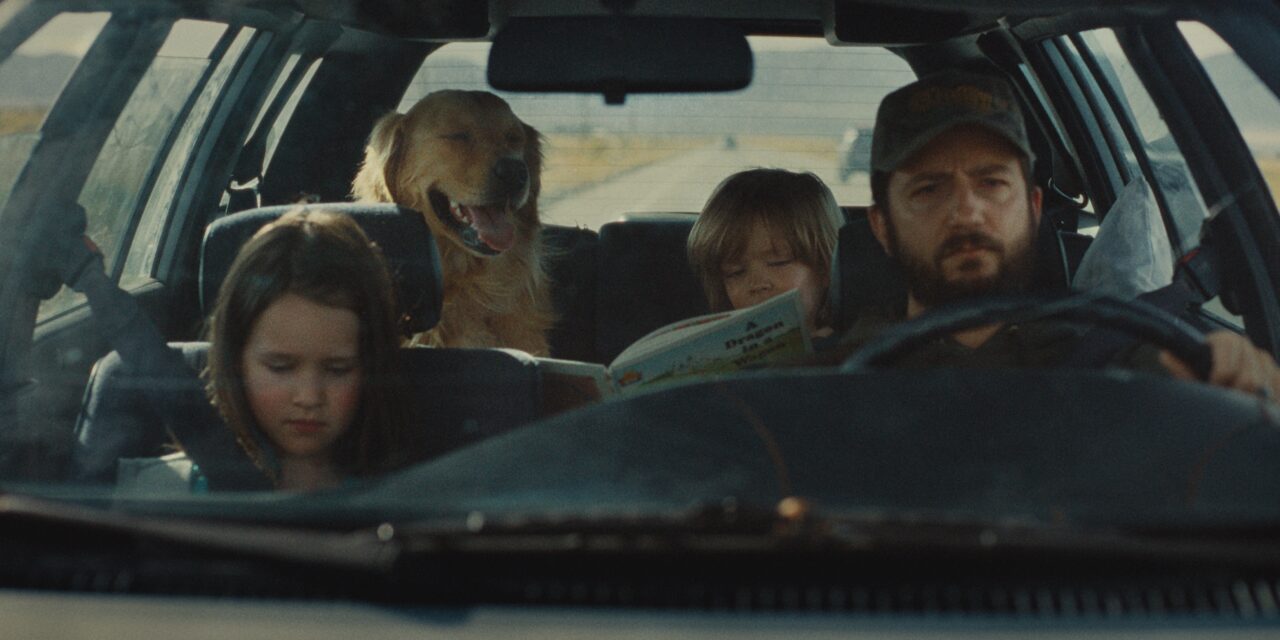
Directed by Cole Webley, Omaha follows a father (John Magaro) and his two young children as they embark on a seemingly spontaneous road trip. At first, it feels like a fun, family adventure. However, as their trip unravels, the truth behind their drive across the state slowly reveals a much-darker purpose.
Simply put, Omaha is a visceral experience. It’s bold, honest and emotionally raw in the best of ways. Although it wears its heart on its sleeve, Omaha is rarely heavy handed or preachy. Instead, it invites the viewer to ride along on a journey that feels both tragic and terrifying, highlighting the challenges of balancing parenting and self-awareness.
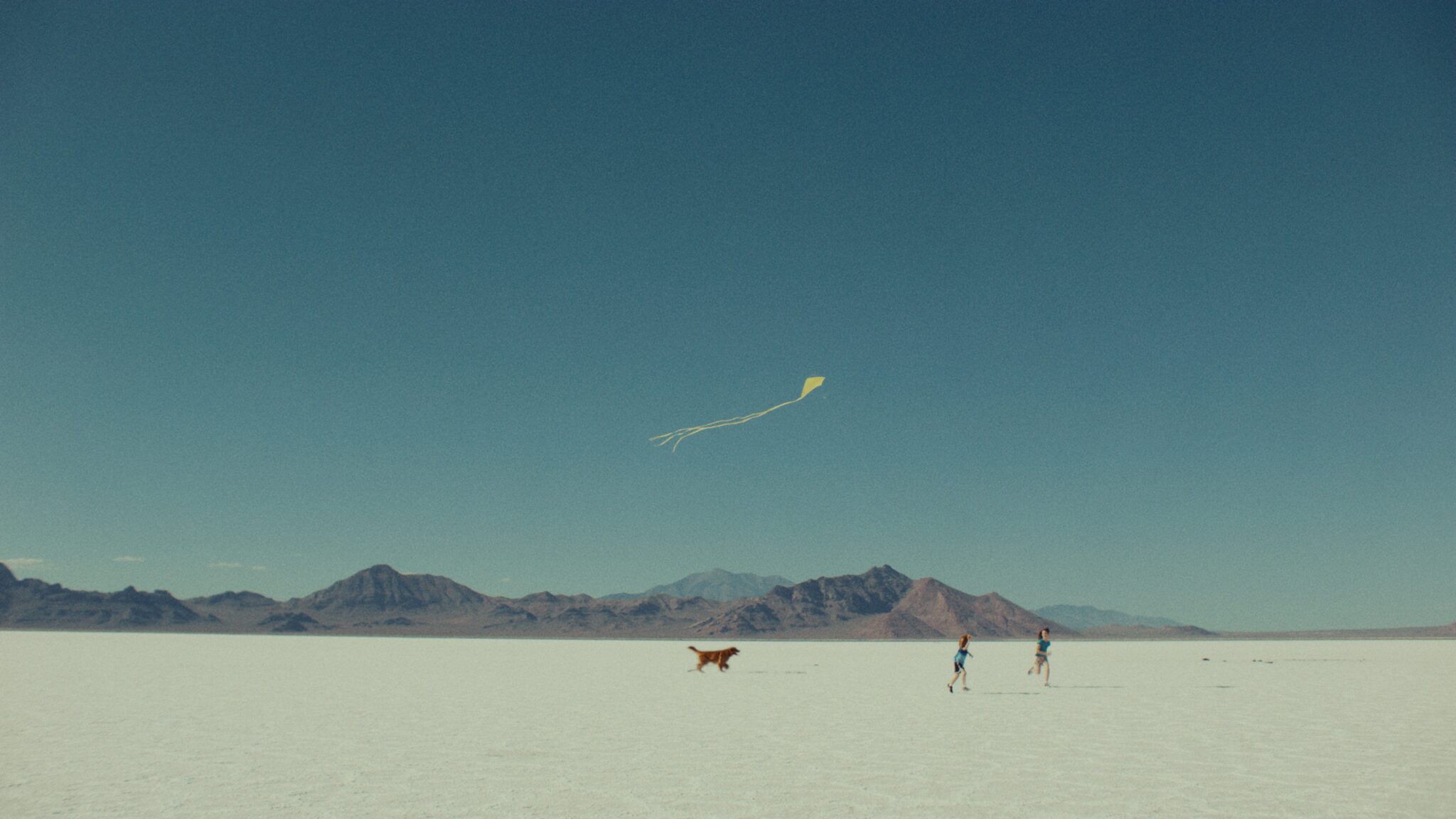
Omaha contains a bizarre mixture of joy and sadness that makes it feel awkwardly authentic. Dialogue ebbs and flows in ways that any parent understands as they’re taking their kids on a long road trip. There’s excitement over hotel rooms and junk food. Laughs take place between family members that can only exist in a loving space.
And yet, almost strangely, every scene feels like something’s wrong.
There’s a dangerous serenity that permeates every mile of travel. Despite the fact that every moment feels pregnant with unspoken hurt and fear, characters move forward without stating it directly. As such, this film feels like the very definition of ‘screaming in silence’. We sense the tension between father and kids. We know that something feels… wrong. But no one is addressing it.
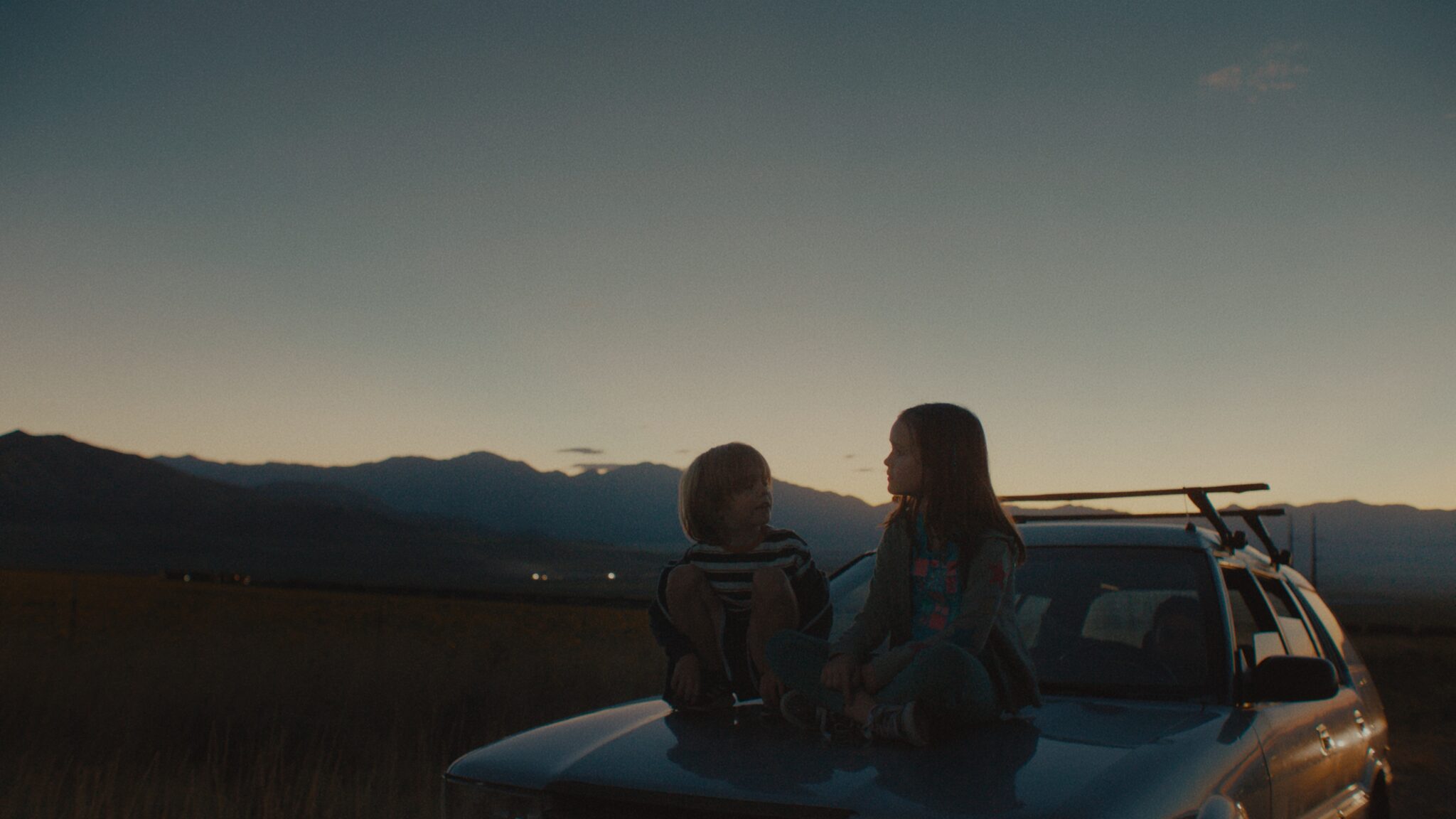
And, when questions are asked, no one is really answering either.
Credit must be given to the film’s trio of stars, each of whom deliver authentic performances that sparkle onscreen. As youngest son Charlie, Wyatt Solis is bursting with the energy and enthusiasm of childhood but never takes away from the scene. We recognize his innocence and that his lack of understanding anchors his perspective. After all, Dad just wants to take him and his sister on a fun road trip. He doesn’t care about the reason.
At the same time, elder sister Ellie is brought to life by a stunning performance by Molly Belle Wright. As Ellie, Wright feels like she’s got one foot in both childhood and adulthood. On the one hand, she too is enjoying time with her father and brother. But, on the other, she’s being challenged to take responsibility in ways that feel unnatural for a girl of her age. And she’s starting to ask questions as to why she needs to do so. As a result, there’s a furious nervousness within Wright’s performance that expresses Ellie’s insecurity. She knows something doesn’t feel right but doesn’t yet have the ability to put her feelings into words. (And her delivery of ‘I’m sorry, Dad!’ is the year’s biggest onscreen gut-punch.)
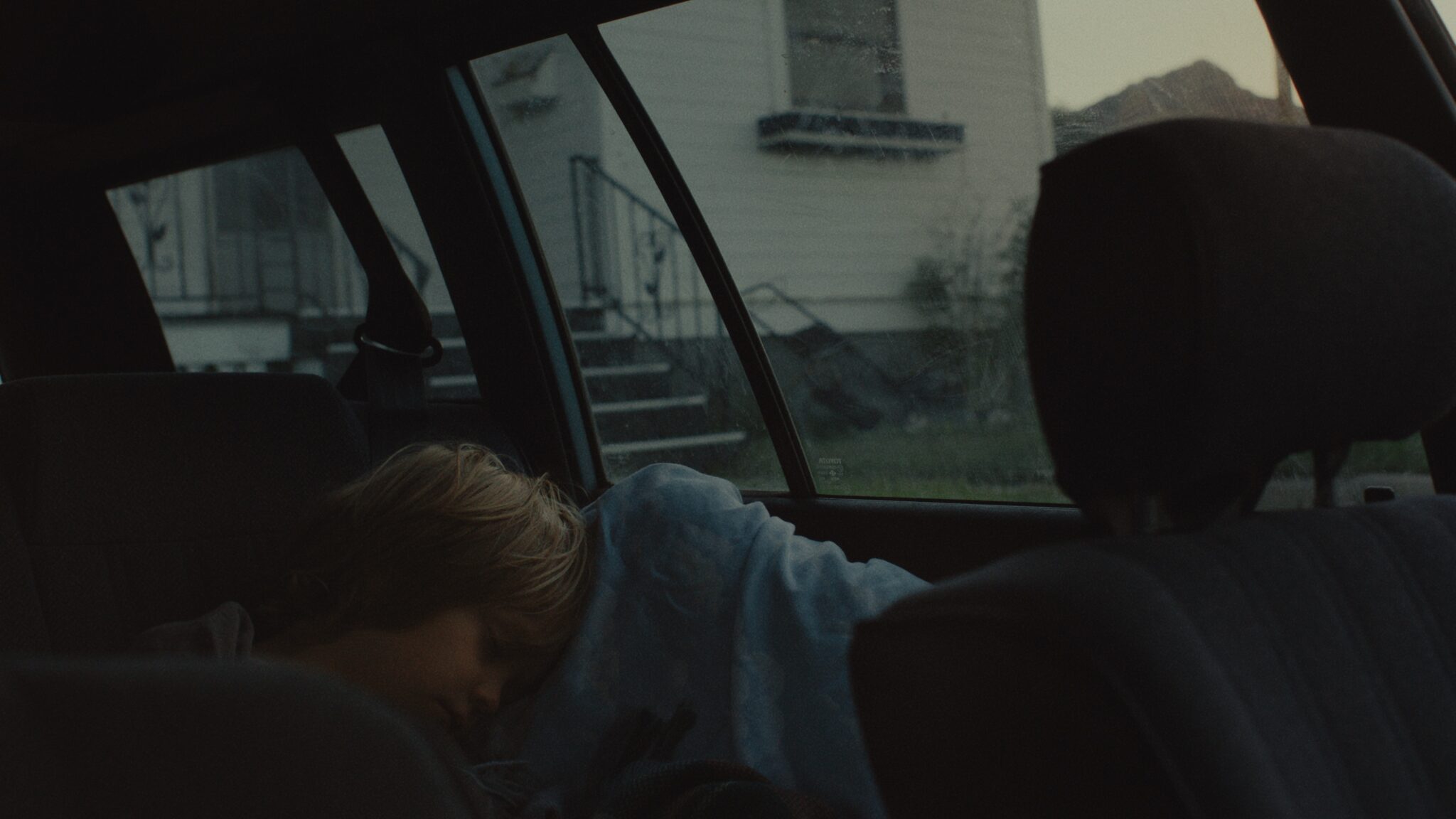
Even so, it’s Magaro who holds the film together. As the (mostly) unnamed father, he is present and caring for the kids. While the circumstances remain suspect, we never believe that he has anything but love for these children. He’s warm and caring but also incredibly stressed out.
And, to be clear, Magaro keeps the burden that his character carries under a blanket of secrecy. Without giving spoilers, we know from the opening moments that they’ve been forced out of their home but little else is shared until the film’s wild finale. And Magaro infuses that furious tension into every breath of this road trip. He’s never (well, rarely) overly angry with his children – but his eyes breathe devastation. Without knowing why this trip is happening, we know that he’s deeply hurting.
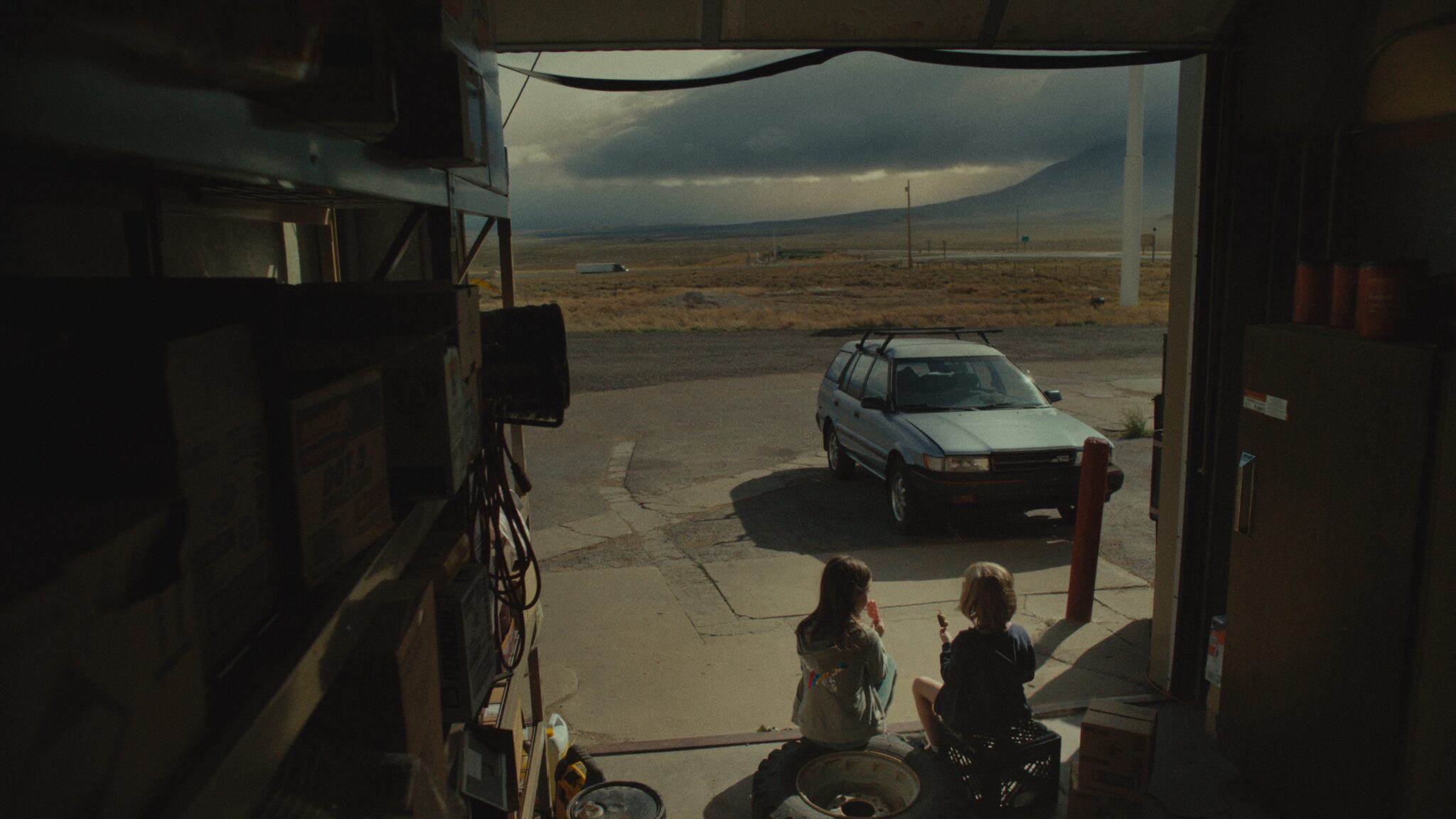
And that’s where Omaha really speaks volumes. This is a film that points to the unspoken tragedies of the hidden homeless. Although we know little about this family, we know that their journey began out of necessity (and heartbreak). They feel real. They could be the family that you passed at the gas station or the local truck stop.
They’re no one and, somehow, everyone.
It’s this realization that adds even greater subtext to this family’s journey across state lines. Both heartwarming and heartbreaking, Omaha reminds us that the stories of the people around us are often unknown, yet equally important to our own. It’s a cry for compassion and understanding that taps into the very core of our humanity, asking us to be awake to those who may be struggling.
And, somehow, it communicates all this without hardly saying a word.
Omaha is available in theatres on Friday, May 8th, 2026.