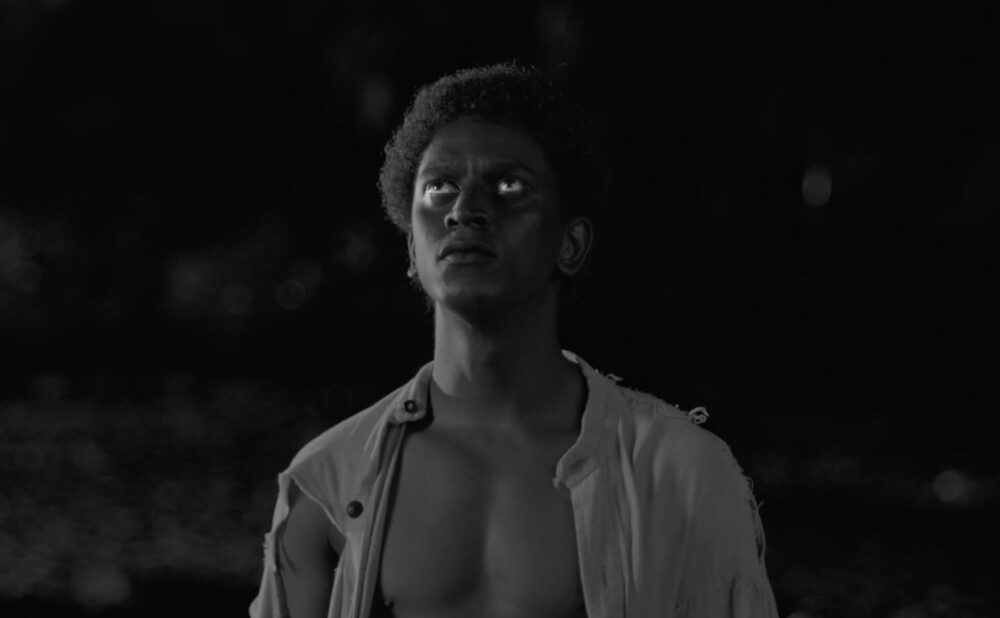
From director, Maya Annik Bedward, Black Zombie tells the story of the zombie, tracing it from its origins with enslaved people in Haiti through the misappropriations that made it what it is in pop culture today. The documentary employs animation, interviews and b-roll footage, giving it a cinematic feel as it explores deep history, spirituality and lore.
The documentary portrays the zombie as originally conceived in Haitian vodou as a person who is prevented from crossing over to the ancestral land in death, and who is made to stay and work on the fields. This zombie is devoid of their spirit and their agency, trapped in their own body, and therefore, a victim. Through exploration and extraction by white travellers, the zombie is adopted in Western contexts as a perpetrator of harm created by vodou, making stereotypes of Haitians and vodouisants that they are actively resisting, even today.
Black Zombie also highlights the role of media and storytelling in the continued occupation of a place and its subsequent devastation. The history of the zombie in horror films is fascinating to watch, as well as the idea of the horror genre being part of a means of black resistance. Jim Morrisson’s quote, “Whoever controls the media controls the mind” is on full display in this documentary from the revisionist telling of a vodou ceremony that led to the Haitian Revolution from the perspective of the slave owners, to the distrust some of the documentary’s subjects have of the Bedward herself because they have been so used to stories they have provided being manipulated to fit a negative agenda.
But Bedward handles their stories with care and respect, and encourages the audience to do the same.
Black Zombie is playing at Hot Docs ’26. For more information, click here.