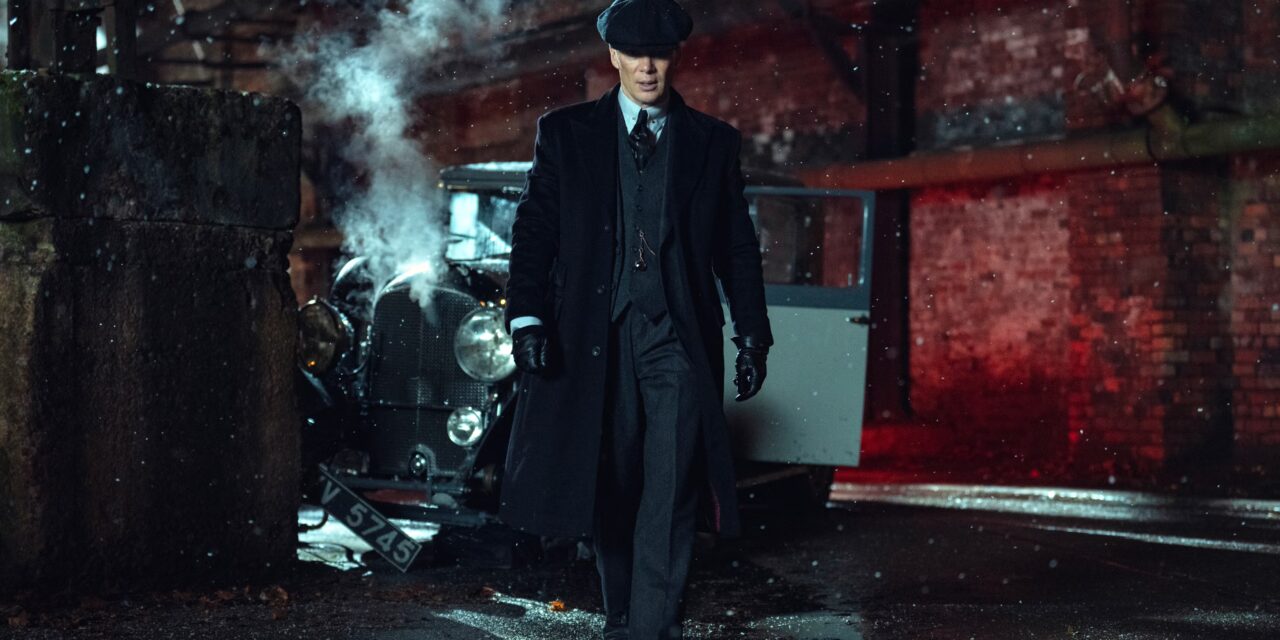
Tommy Shelby is back. And he’s ready to go to war.
Set in Birmingham, 1940, Peaky Blinders: The Immortal Man sees a town that is caught in the midst of the global chaos of WWII. Led by the heedless and irresponsible Duke Shelby (Barry Keoghan), the Peaky Blinders are running rampant through the streets with corruption in their eyes. But when word finally reaches his father, Tommy Shelby (Cillian Murphy), the aging leader must return to face his own demons in order to save the future of his family and his country.
Before we get going, it’s worth noting that I hadn’t seen the series prior to the film. So, to me, the world of Peaky was something relatively new. But, thankfully, for those who walk into the theatres just as blind as I was to the show, Immortal Man does manage to bring in new viewers fairly easily without ever forgetting to honour the stories of the past.
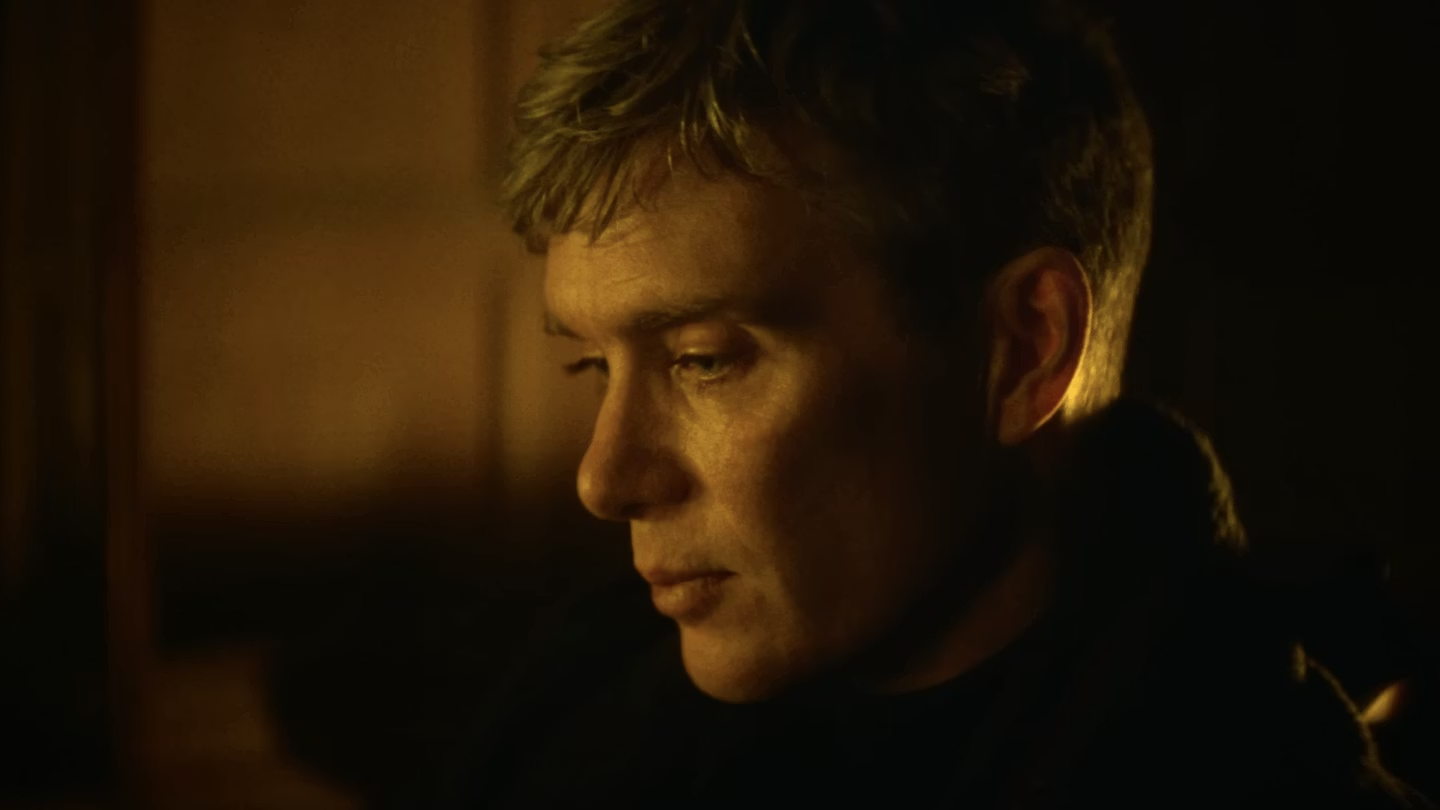
Written by Steven Knight, Peaky Blinders: The Immortal Man is a soulful experience. While it keeps the violence and pop rock that have been a trademark of the series, there’s a quiet restlessness about Murphy’s performance as Shelby here that undergirds the film. Murphy is always at his best playing conflicted characters that lean into the darkness and, here, Shelby appears to be at a crossroads.
Given the damage left in his wake, the iconic thug has retreated into isolation, writing his memoire and trying to deal with the wreckage of the sins of his past. To him, the life of Tommy Shelby is one of devastation and his seclusion feels like self-imposed imprisonment. In this way, there’s a quiet fury about his performance that speaks to his unspoken sadness.
But the film understands that fans want to see the Tommy Shelby of old. And, when he finally unleashes his fury, they will not be disappointed. (Wait for the scene in the bar. It might be Immortal Man’s best moment.)
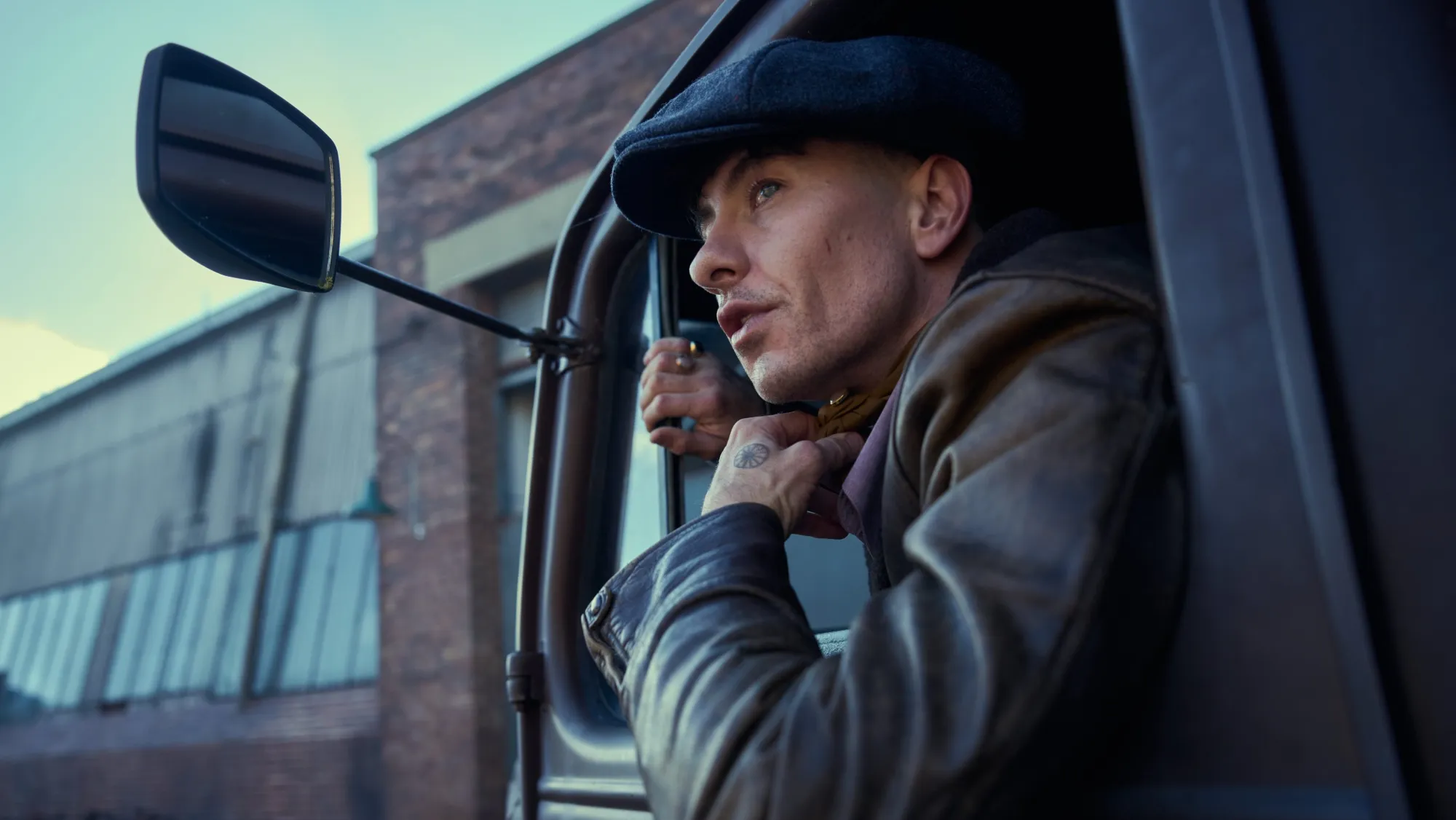
Having said this, The Immortal Man does feel like a slight reboot of the series. With the addition of Barry Keoghan as Tommy’s son, Duke, the films have an opportunity to create a new dynamic within its most iconic character. Suddenly, Tommy’s potential road to redemption isn’t only about himself and his past. Now, it’s also about passing the torch to the future.
And Duke definitely needs the help.
As the head of the retooled Peaky Blinders, Duke has sold his soul to chaos. The days of Tommy’s reign of organized crime have given way to Duke’s brand of excess and reckless abandon. Whereas Tommy commanded the respect of the people, Duke breathes fear into the community, establishing himself as an unpredictable force of nature who does what he wants.
But, at the same time, Duke is clearly not ready for the responsibility. Given the opportunity to ‘do what’s necessary’, he struggles to pull the trigger. Although he carries himself with bravado, there’s still an innocence behind his eyes that reveal his inability to lead. As such, Keoghan plays his character with a wildness in his eyes that masks his insecurities. He’s fueled by rage but also plagued by fragility.
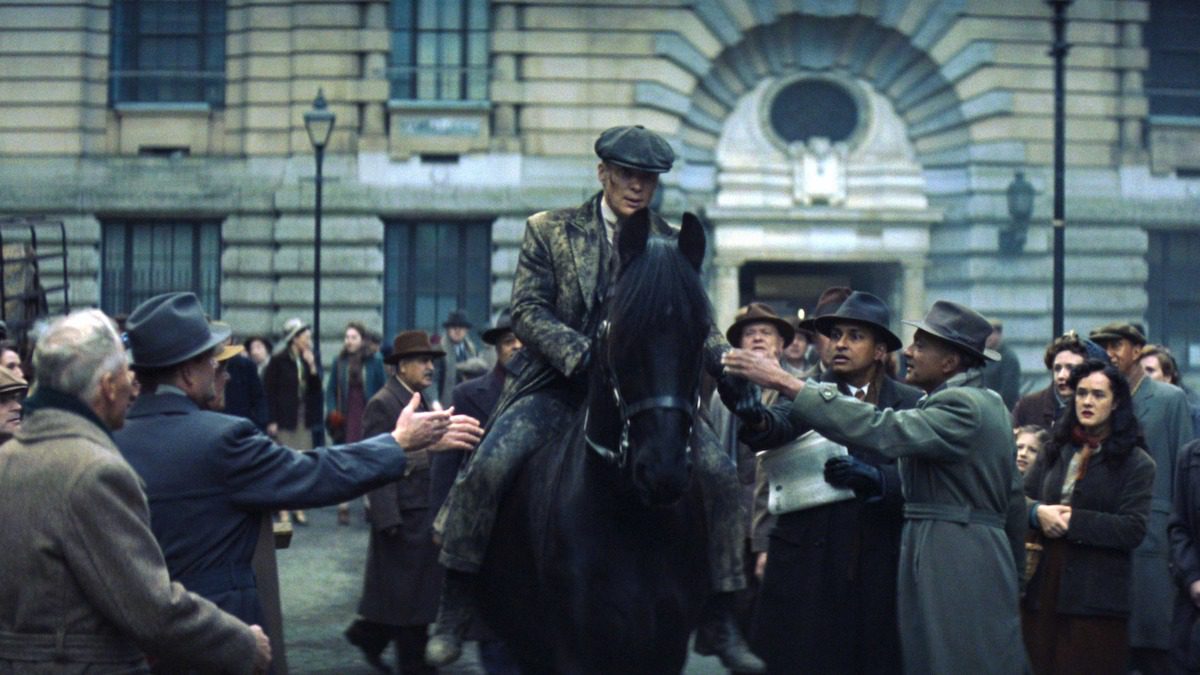
These frailties begin to bubble to the surface by moving the series into the era of war. By bringing the Nazis into the franchise timeline, Immortal Man manages to introduce villains that are a far greater threat than the Blinders ever could be. Tommy has never believed that this sort of global exercise was his fight. Even so, the calling to save his son from himself opens the door for something greater within the iconic character.
In the eyes of the people, Tommy’s inevitable return is given an almost Western-style ethos. With events spiralling both within Birmingham and abroad, the return of the real Tommy Shelby feels like the sheriff walking into the streets of a lawless town. (Note the reverence within the response of the people upon his arrival.) To them, he represents stability. He may not be a hero but he’s certainly less of a villain.
But it’s this mindset that seems to stab at the heart of The Immortal Man. With Tommy Shelby at the eye of the storm, the film seems to cry out for a return to normalcy. It’s not that things were always better before. (After all, much of the series was set during the Great Depression.) But the chaos that has enveloped the town has led them to search for some semblance of hope by looking to the past. Even if Tommy’s return speaks to the need to pass the torch, Immortal Manreminds the next generation of what’s necessary in order for that to take place. There’s a recognition that time has catches up with us all but that there’s still some qualities remain timeless.
And, in discovering those traits, maybe Duke will learn why his father remains Immortal.
Peaky Blinders: The Immortal Man is available in theatres on Friday, March 6th, 2026 and streams on Netflix on March 20th, 2026.