

“Welcome, film lovers. You’re in good company.”
These words come up on the screen before every screening at AFIFest presented by Canva. That is not just a way of welcoming those who are attending, but noting what it means to be at a film festival. Festivals are always a gathering of people who are there because film is important. AFIFest truly treats film as something that brings us new insights and experiences.
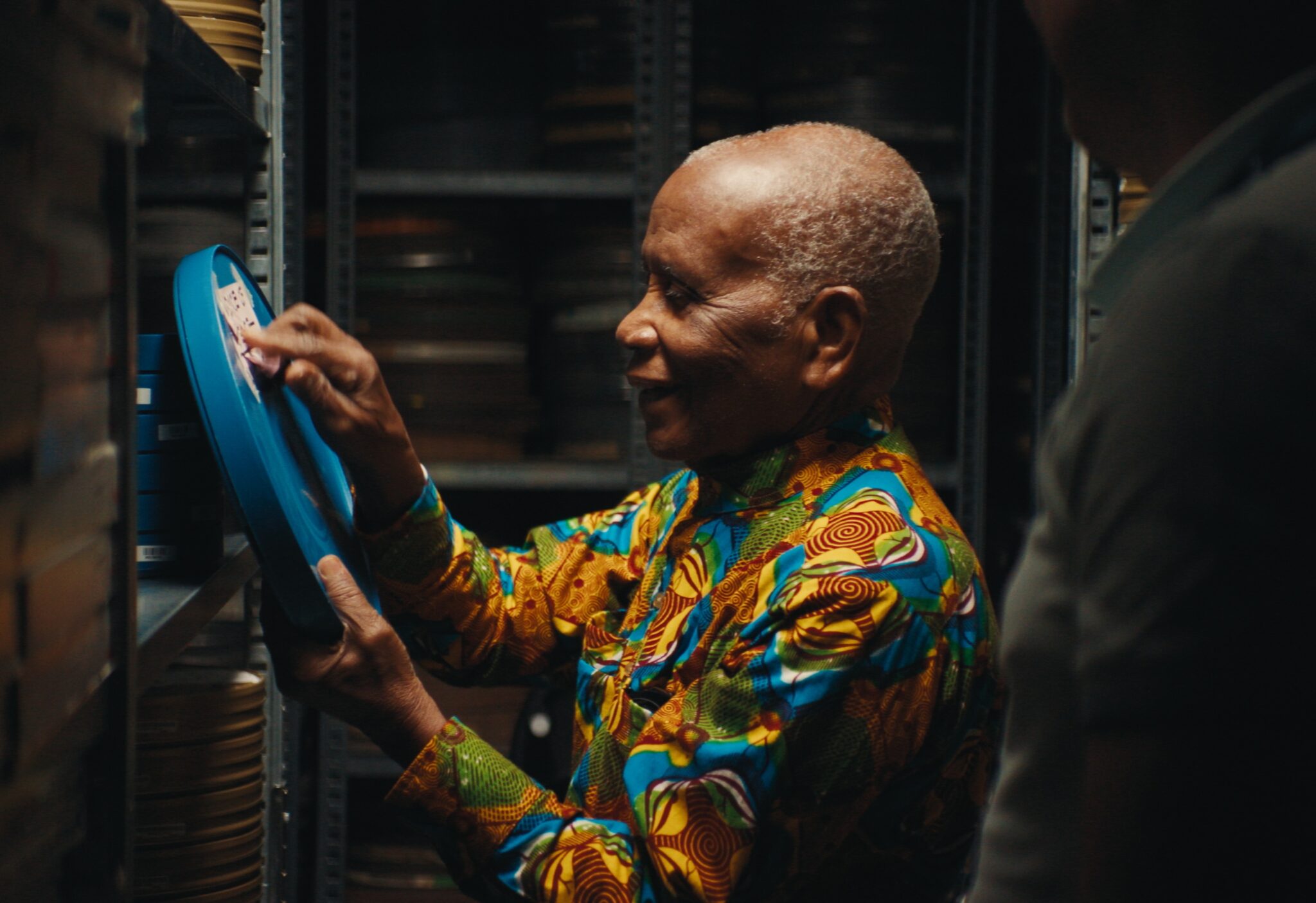
The Eyes of Ghana, directed by Ben Proudfoot, is a documentary about documentary. Central to the film is Rev. Chris Hesse who, as a young man, became the personal cinematographer of Kwame Nkrumah, the first president of independent Ghana. Now in his nineties and losing his vision, Hesse was present and documented the history of those early years of independence. But Nkrumah is a controversial figure, claimed by some to have become a dictator before being removed by a military coup. After the coup, all the film of those years was destroyed. Except that Hesse knows that there are hundreds of hours of negatives of rushes in a vault in London.
The film offers a bit of history of the beginnings of post-colonial Africa and Nkrumah’s role in that history. But really, this is a film about the importance of film for history. Anita Afonu, one of the producers, spends a great deal of time in conversation with Hesse about the power of documenting history and the need to be able to restore the film from that time. There is also a nice metaphor about a derelict openair theater in Accra and the projectionist who has been living there to protect it from those who would destroy it. The Eyes of Ghana was Executive Produced by Michelle and Barak Obama, who had an introductory clip at the beginning of the screening.
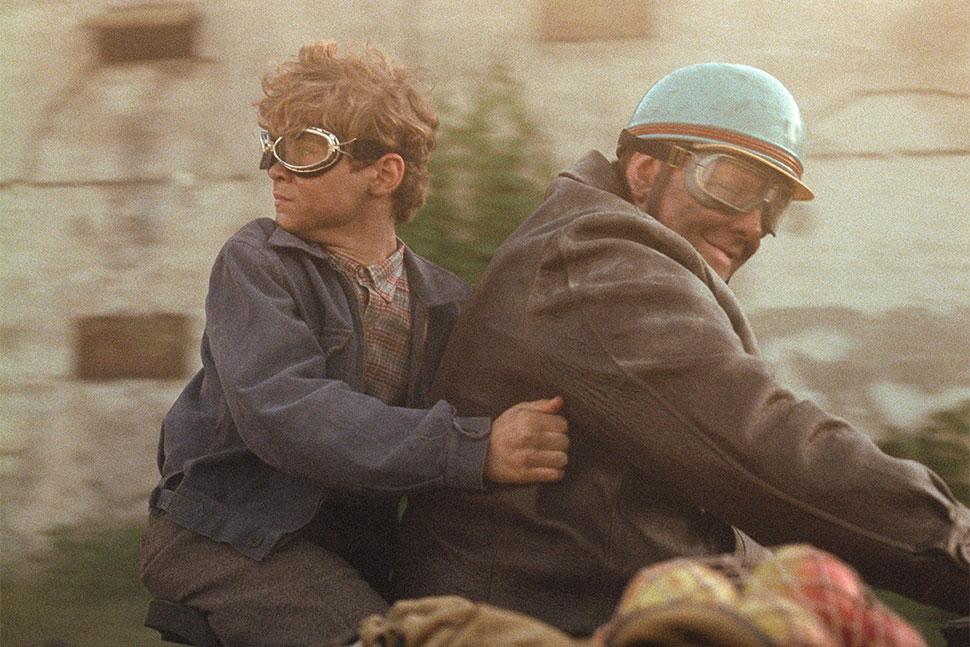
Orphan (Árva), directed by László Nemes, is the story of life in Hungary in the aftermath of the Soviet crackdown in 1956. Andor has spent time in an orphanage after the war, but is cared for by his mother. He longs for his father, who he really doesn’t know, to return from the camps where he has been sent, although he may well be dead. When a man on a motorcycle starts taking interest in his mother, Andor wants to put a stop to that. But soon the man is claiming to be his real father.
Andor struggles to come to terms with this loathsome man who saved his Jewish mother during the war, and the imaginary father he has always idealized and even, in a sense, prayed to through the years. Like Nemes’s earlier film, Son of Saul, this film often has a hectic pace as the characters push through the world they find themselves in. Orphan is Hungary’s official submission for Best International Feature Oscar consideration.
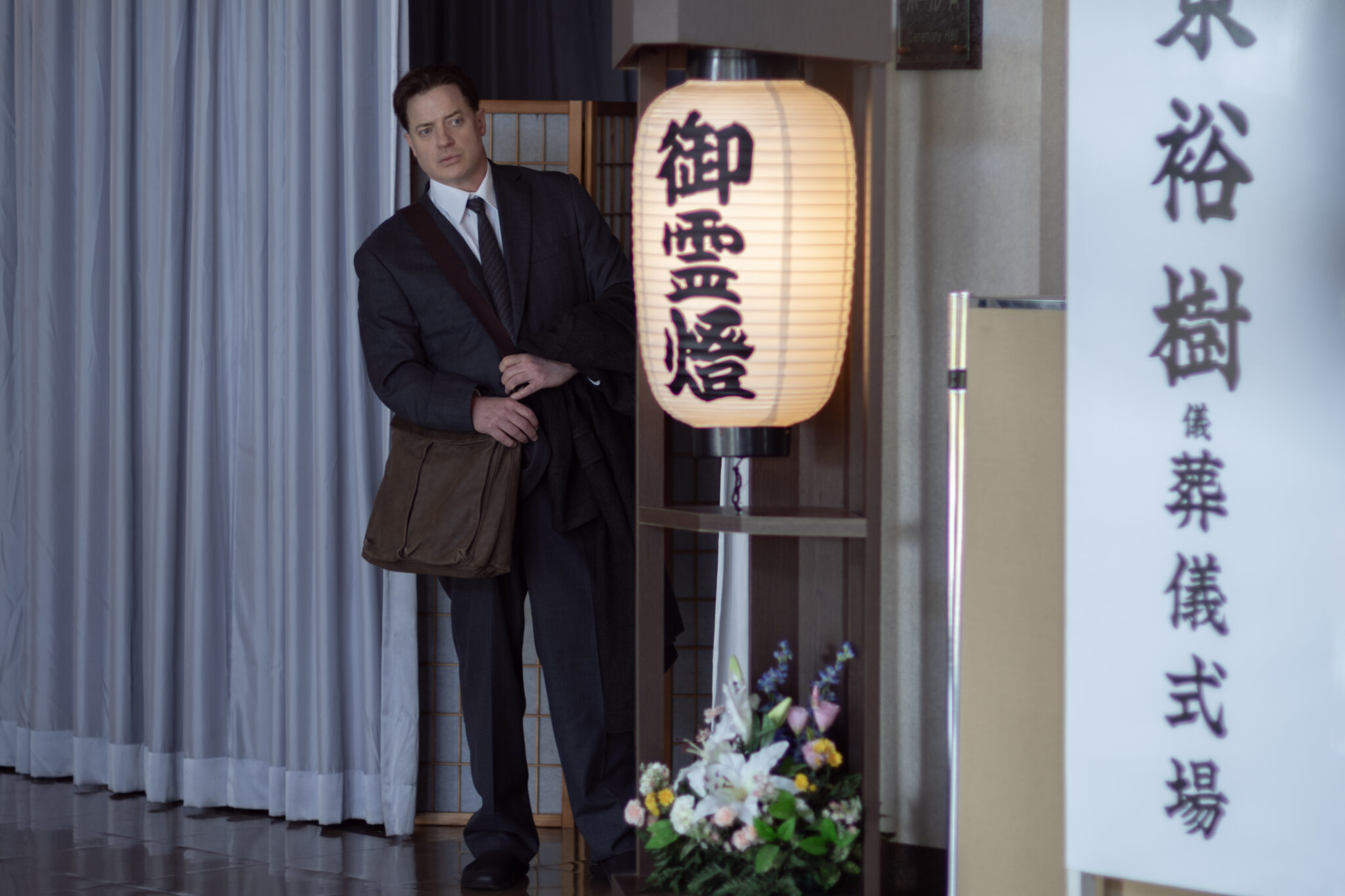
Brendan Fraser in RENTAL FAMILY. Photo by James Lisle/Searchlight Pictures. © 2025 Searchlight Pictures. All Rights Reserved.
Rental Family, directed by Hikari, is a story about heart and loneliness. Phillip Vandarpleog (Brendan Frasier) is an American actor struggling to find a life in Japan, mostly getting work in commercials. He gets an offer from an agency specializing in supplying substitute people for relationships. (Apparently, there are about 300 such agencies in Japan.) In that job, he takes on the role of being a long absent father who has returned, but the young daughter must believe him to be her real father. He also acts as a journalist who meets with an aging actor who is losing his memory. The difficulty comes with emotional attachments are developed. It becomes impossible for Phillip to maintain his distance.
I thought going in that it would be a series of things like Progressive Insurance commercials with backup quarterback put into other situations. But this is far deeper than that. What it reminded me of in terms of tone and theme is the lovely 2008 film, Departures, about a man who takes a job preparing dead bodies. Both films are about people discovering their gifts and new meaning in surprising situations. Both films give us both mental and emotional rewards.
Rental Family will be in U.S. theaters in November.