Time again for AFIFest Presented by Canva—five days of some of the best films of the year. This is AFIFEst’s 39th year. There are over 160 films, representing 56 countries, including 19 that are Official Best Foreign Language Oscar submissions. Over the next few days, I’ll be sharing my thoughts on the films I’m seeing.
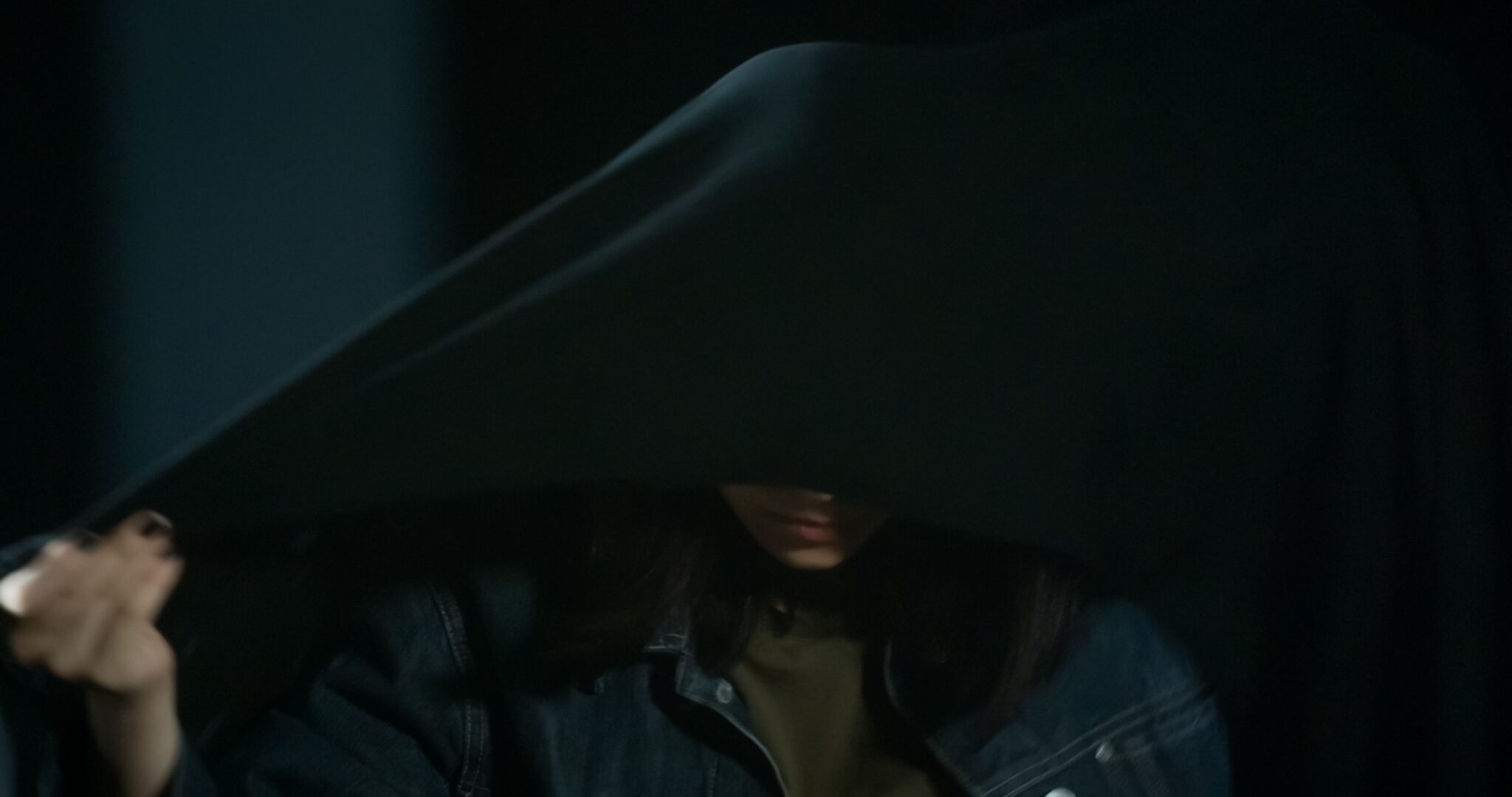
1001 Frames, directed by Mehrnoush Alia, feels like a documentary, but isn’t. It is made up of audition footage of a director who is making a adaptation of 1001 Arabian Nights. He’s auditioning various actresses to play the role of Scheherazade. The director is mostly off camera, we only hear his voice. The first bits we see seem pretty straightforward for such a project. But soon the conversations and requests by the director become a bit more personal, menacing, and eventually somewhat sleazy.
This is an Iranian film about the processes that lead to the “Me Too” movement in the US. Such casting couch behavior is not unknown here. This film, though, is really focused on the women more than the bad male behavior. These are women who are not going to submit to such abusive power plays. I think it also want to make the point the Iranian women in particular have such strength.
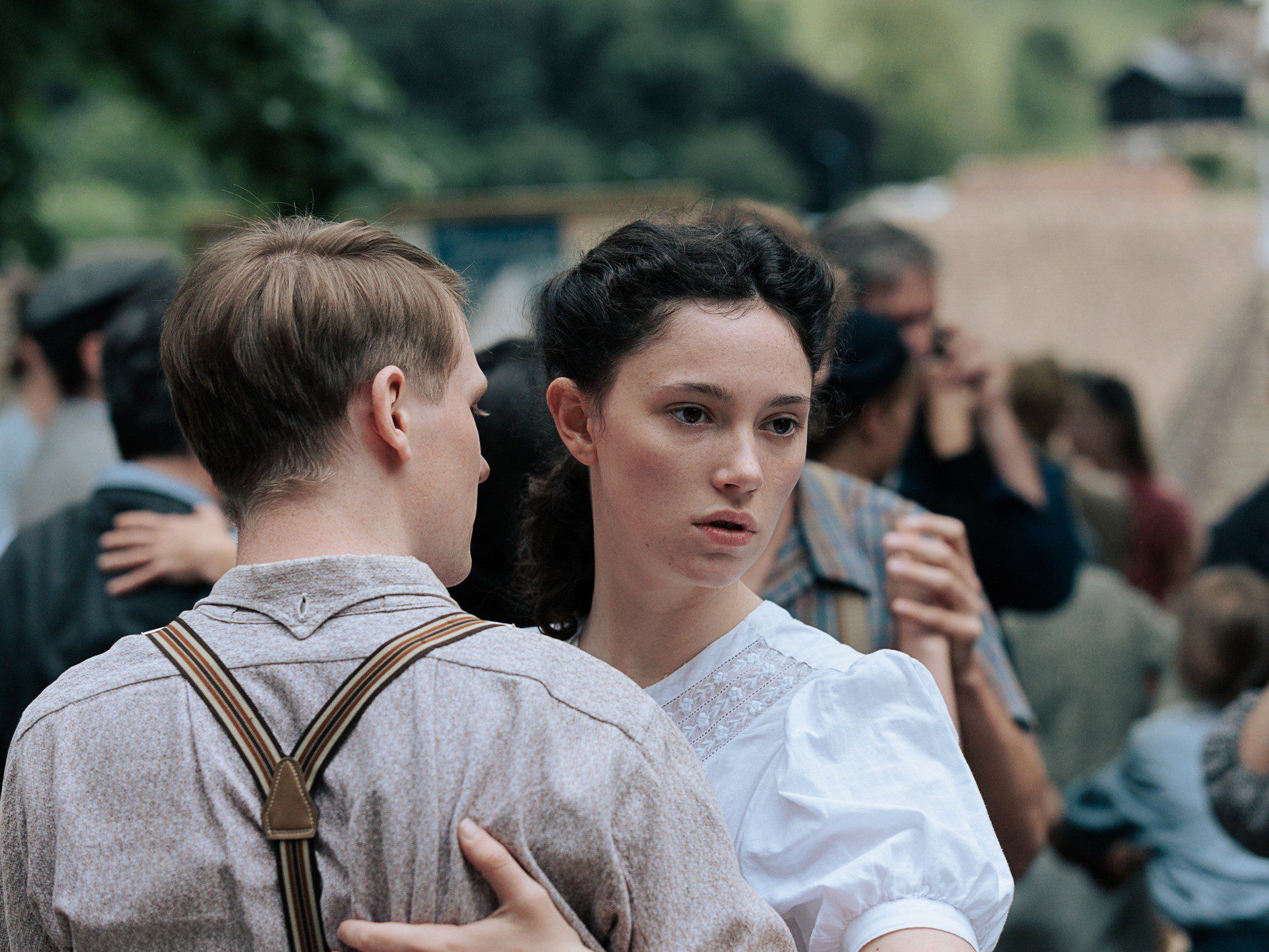
Silent Rebellion (A bras-de-corps), directed by Marie-Elsa Sgualdo, is the first feature from this filmmaker. Emma (Lila Gueneau) works as the housekeeper for the local pastor and his family in French speaking Switzerland near the German border. We first see her when she is being interviewed by a committee awarding a prize for virtue. She seems a great candidate. But following a rape, she feels shame, especially after she becomes pregnant. Meanwhile, the local authorities are returning Jewish escapees to Germany. The pastor struggles with this issue.
This has the feel of some German and French TV series that I’ve seen on PBS is recent years. It is focused on Emma’s struggle to find life that is fulfilling, given the social strictures of the period. It also calls into question our ideas of virtue and morality, especially with the denial of safety to both refugees and a victim of rape.
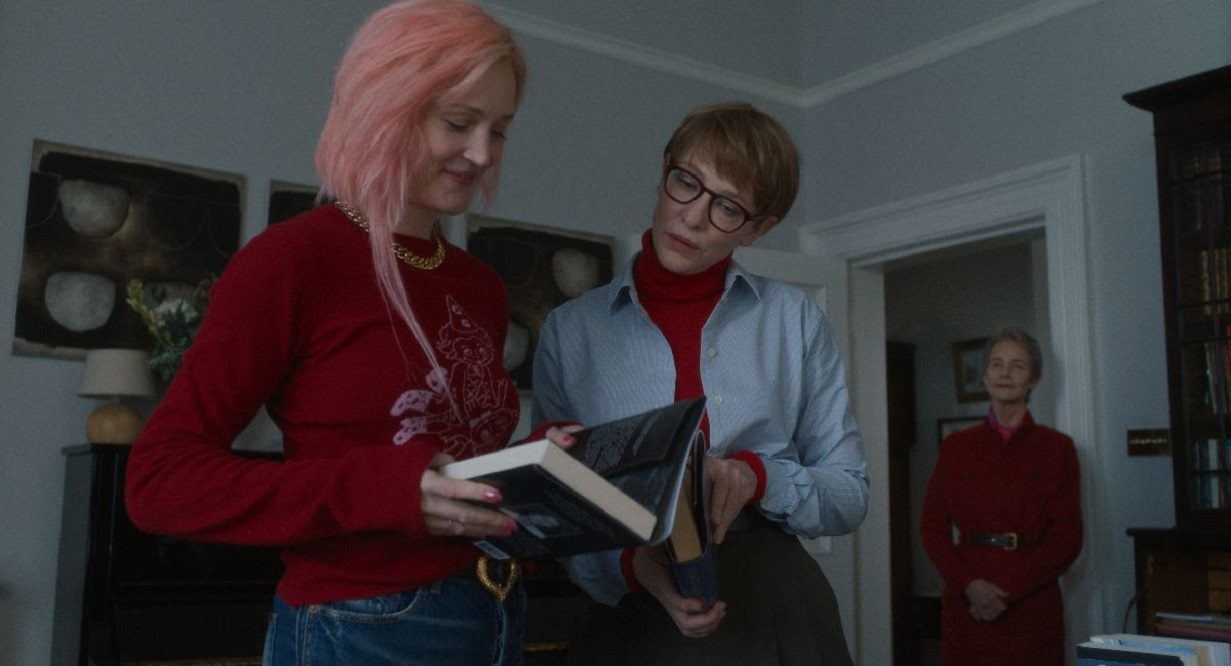
Father Mother Sister Brother, directed by Jim Jarmusch, was the winner of the Gold Lion at the Venice Film Festival. Jarmusch likes to create vignettes for us to piece together. The first, “Father” shows a visit by two siblings (Adam Driver and Mayim Bialik) to their father (Tom Waits) who lives alone in rural New Jersey. “Mother” is built around an annual tea with a mother (Charlotte Rampling) and her two daughters (Cate Blanchett and Vicky Krieps). “Sister Brother” is a look at twins (Indya Moore and Luka Sabbat) as they go to the now empty Parisienne apartment of their dead parents.
Jarmusch sprinkles various elements through each vignette, including skateboarders, water, toasting, rifts on “Bob’s your uncle”, photographs, accidental color coordination. Each vignette offers a different perspective on parent/adult child relationships. The awkwardness of the first two families creates both pathos and humor. I can see my own relationship to our children in each. But it was the final chapter that I found most thoughtful in that the relationship continues after the parents are gone. Father Mother Sister Brother arrives in theaters near Christmas.