

There’s joy to be found in the dust East of Wall.
Directed by Kate Beecroft, East of Wall tells the story of Tabatha Zimiga, a woman who has been grieving the loss of her husband the previous year. Living with her daughter Portia, the two are struggling to move on emotionally while struggling to live financially. But those problems appear to be solved when wealthy businessman (Scoot McNairy) arrives with a proposal to buy her 3-000 acres. Though, for Tabatha, leaving the farm means leaving their history and she must decide whether her future means holding on to the past.
One cannot speak about East of Wall without first acknowledging the film’s incredible visuals. With its panoramic pastoral views, the film is often stunning. We are meant to fall in love with this corner of the US, just as Beecroft did herself. Camera pans are expansive and moments on horseback carry a sense of reverence. In essence, East of Wall is a love letter to the American Heartland and the cinematography represents it well.
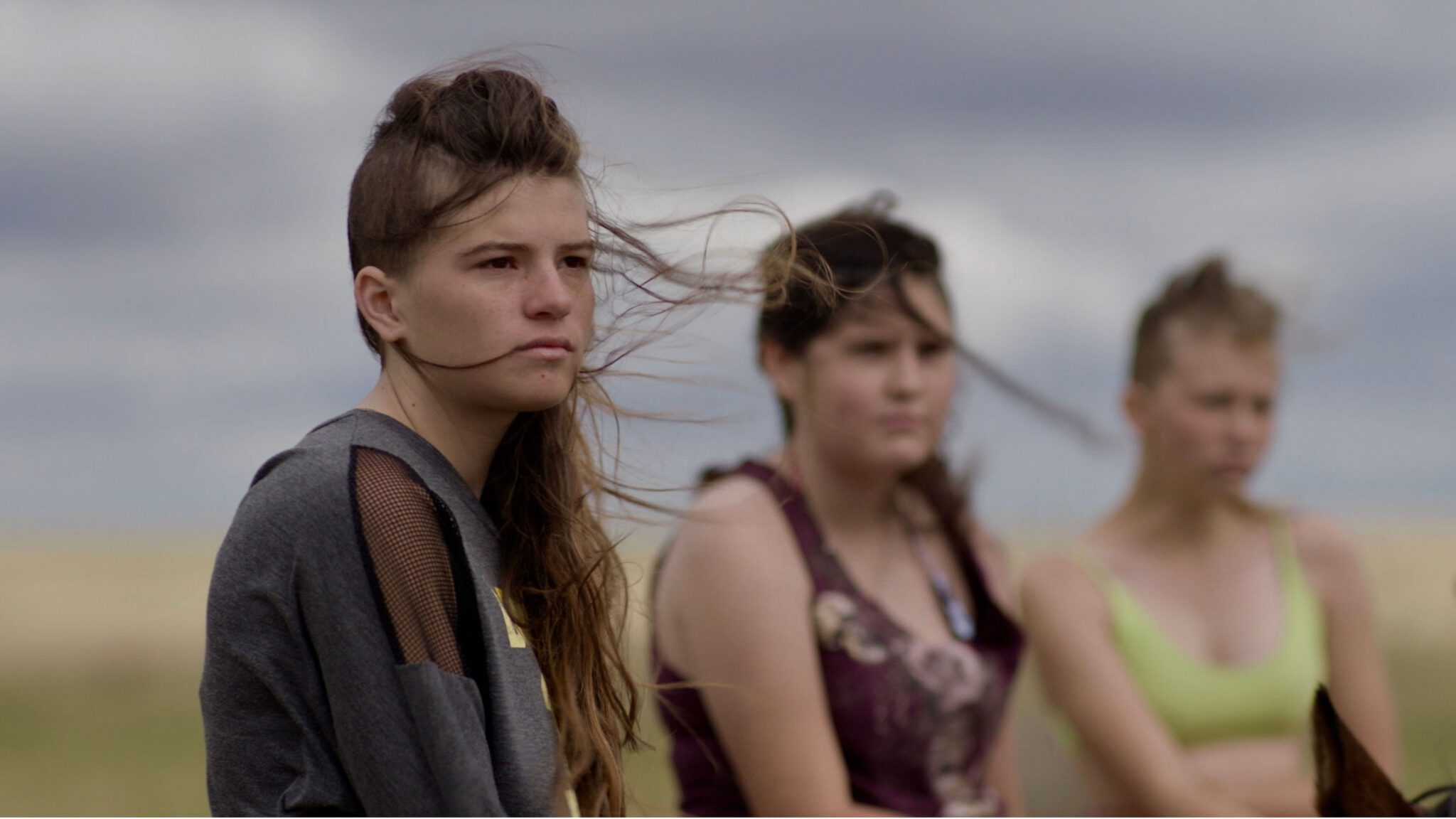
The story goes that Beecroft was travelling the country in search of a subject for her next film. And she’s absolutely found one in the Zimiga clan. Having recently won the NEXT Audience Award at Sundance 2025, there’s no question as to why a film like this would resonate with audiences. In Wall, Beecroft has found a story that’s inspirational but never falls entirely into melodrama. Strongly written and executed, her screenplay is fuelled by courage in the midst of challenge but still breathes with authenticity and grace. In essence, even though it’s a fictional representation of real events, Wall simply feels honest.
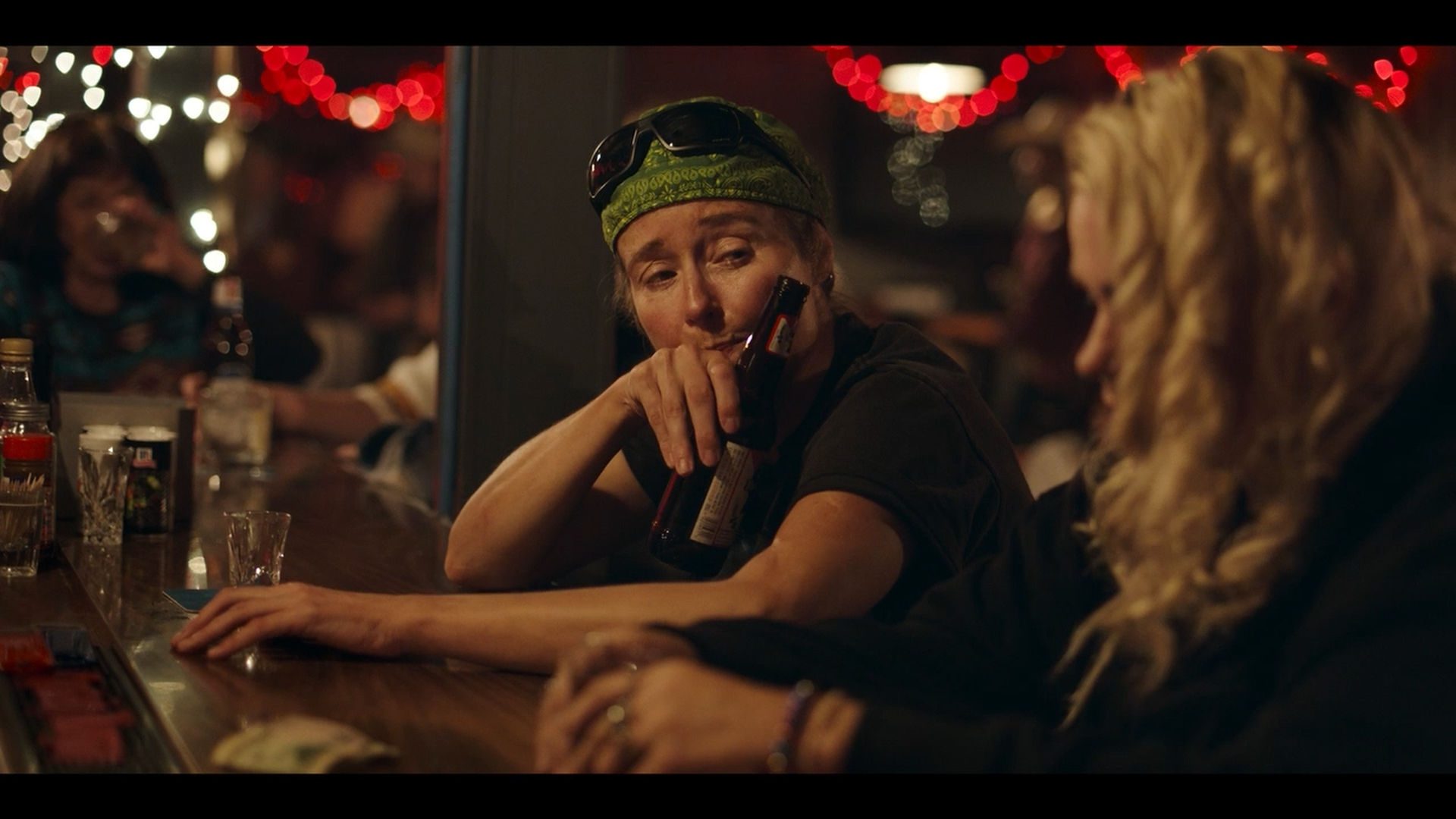
And what makes East of Wall such a genuine treat are the performances by Tabatha and Porshia themselves. With no acting experience, the Zimigas step into the roles of… themselves… with furious strength. With fire in their eyes, the Tabatha and Porshia confidently portray the realities of their lives yet never feels like they’re taking the ‘safe’ approach to the material. After all, this isn’t a documentary. Tabatha and Porshia aren’t asked to answer questions or explain their lives.
They’re called to perform.
And, taking on the lead roles, Tabatha and Porshia are absolutely rock solid onscreen. Sitting within their own story, it’s clear that Wall matters to them and they attack their roles with self-assurance. Beecroft often allows the camera to focus on Tabatha’s face, tapping into the emotion of the moment. But every glare communicates her feelings effectively. Tabatha doesn’t always need to say anything in order to say a great deal. And it’s moments such as these that add to the quality of her work.
Having worked with Tabatha to craft the screenplay, Beecroft’s screenplay delves into Zimiga’s story of loss with authenticity and care. Every scene feels as though Tabatha is speaking from her very soul and reveals remarkable bravery. (What’s more, the film also provides conversations about what it means to move forward after grief as well.

Further, East of Wall also reveals our need to ‘belong’. Despite their financial struggles, the Zimigas open their home up to what feels like an endless stream of young women. But Tabatha offers them more than a place to stay. Instead, she provides them an opportunity to find stability and strength. In a world that pushes back against strong women, Tabatha’s home becomes a place for them to thrive. There’s growth within this home that helps these young women build the confidence that they need to face the world.
In the end, Tabatha and Portia’s story is one that welcomes the viewer into their home and invites them to stay. It becomes a safe space where anyone can bring their brokenness along for the ride. With heart and honesty, the film reminds the viewer that there is hope in our grief and suffering. And that alone is worth the journey East of Wall.
East of Wall is available in theatres on Friday, August 15th, 2025.