In a loving restoration that pays tribute to the film’s late director and the importance of its central figure, The Long Way Home: Remastered and Expanded takes us back to a singular and unique period. The documentary follows Soviet underground rock artist Boris Grebenshchikov.
The film begins in the 1980s and expands outward, ultimately giving Grebenshchikov a proper ending to his journey. It explores his unique place as a bridge between Soviet Russia and the West. As one of the first Soviet artists to record an album abroad, his exposure to new music and Western rock influences led him to a creative place no one who spoke his language had reached before. The film examines a man caught in between worlds. His position within a culture of rebellion and emerging pop music gave him the power to create art from a perspective few others shared, yet it also jeopardized his standing in his home country by deviating from what was expected of him as a Russian citizen. He seems faced with two choices: remain an underground rebel in his homeland or sell out to what the government wanted his talents to serve.
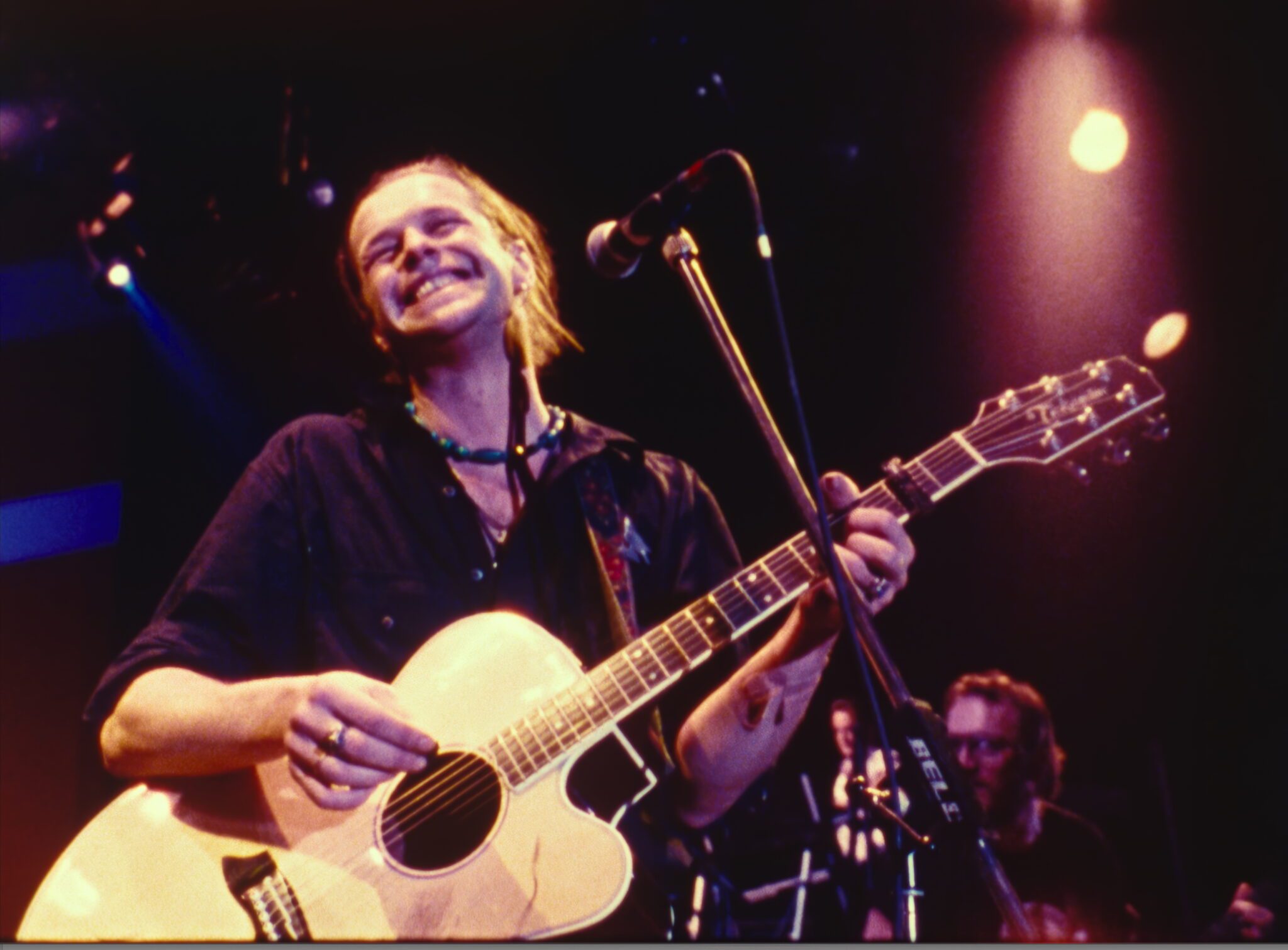
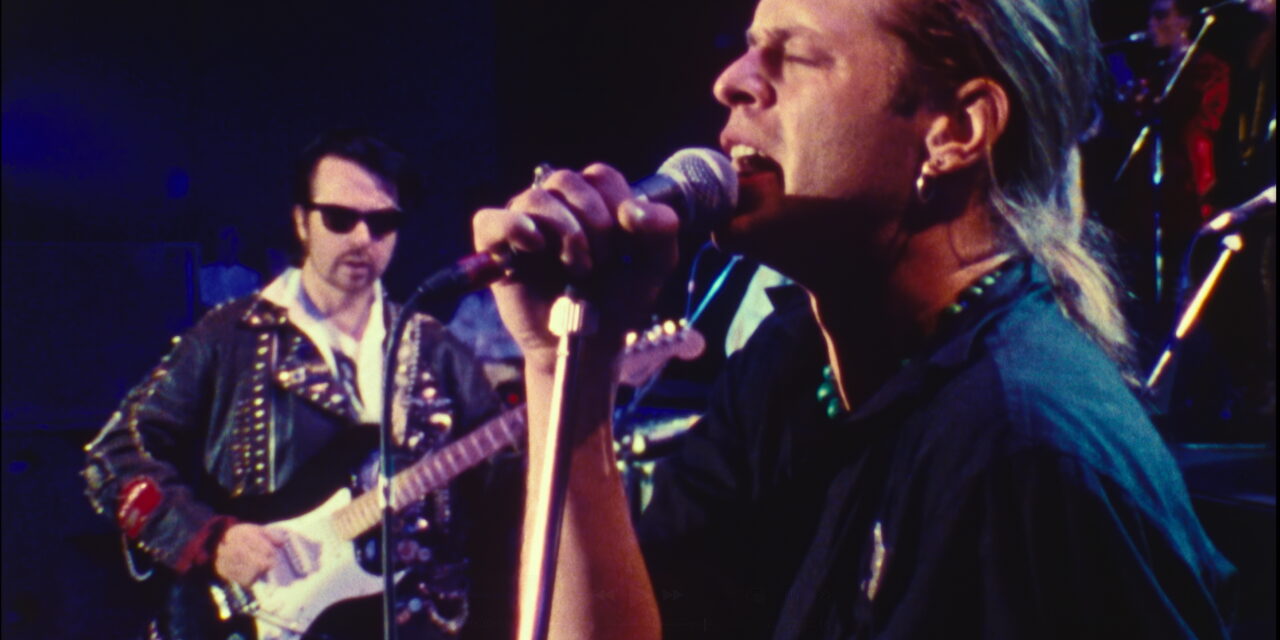
The imagery is absolutely striking. Director Michael Apted brings his keen eye for dramatic and extraordinarily beautiful lighting to the restored 16mm footage. The restoration highlights the film stock’s texture and grain, enhancing its visual character. In sequences set in Russia, the camera lingers on the beauty of the cities and the compelling architecture, while also conveying the sadness and political restriction imposed by the government that controls the fate of those spaces.
The film features a substantial amount of Grebenshchikov’s music, a distinctive form of rock infused with Russian influences. Without an appreciation for this style of music, it may be harder to remain fully engaged during portions of the first half. Extended sequences focus on his efforts to find a new sound and bring his first recorded album to life. These moments explore the nuances of the recording process and the convictions of music artists, but without a strong interest in music, some of these longer conversations and scenes may be challenging to fully invest in.
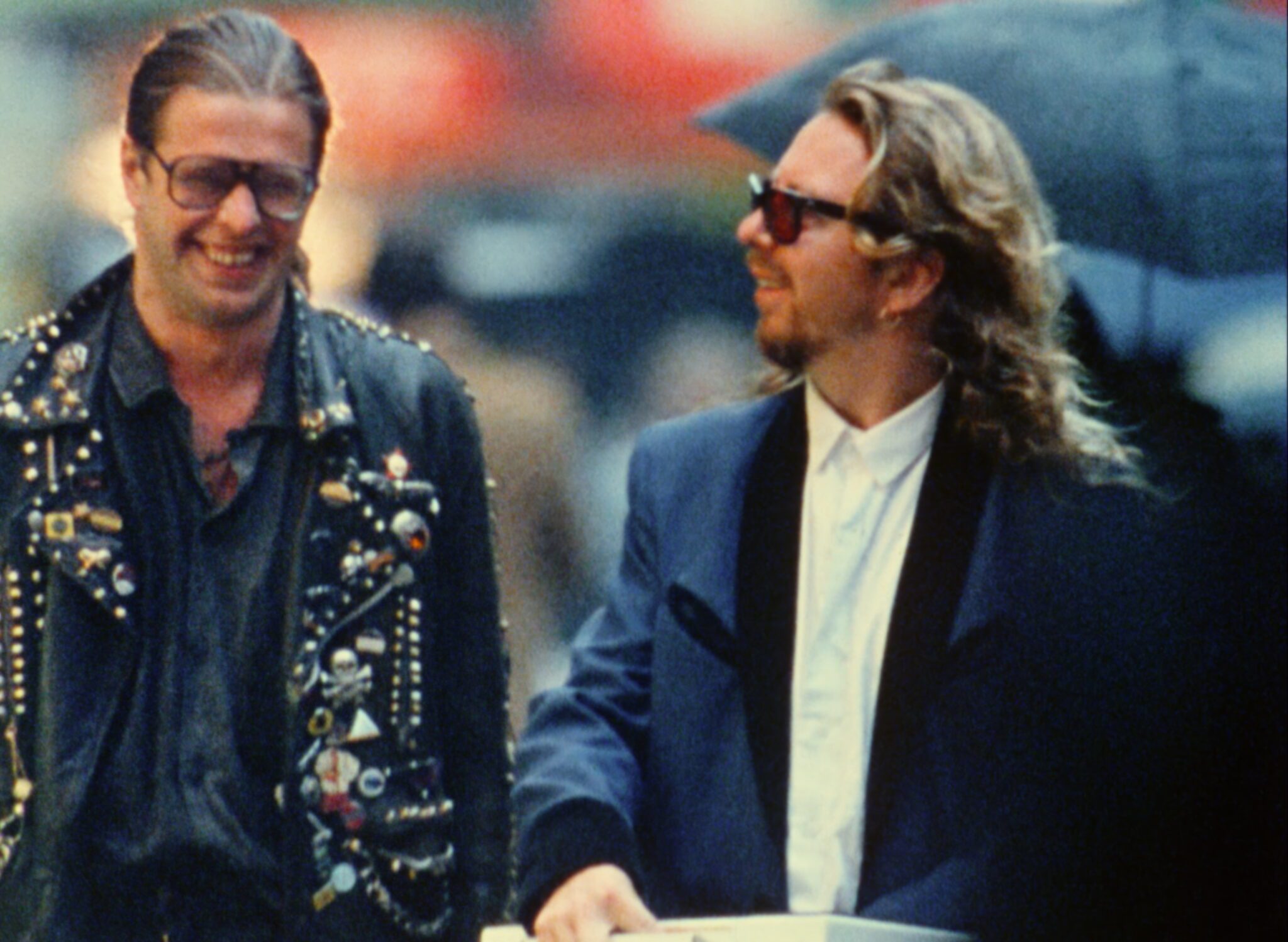
The artist as a political force becomes especially clear in the newly added segment, where restorer and producer Steven Lawrence and editor Susanne Rostock co-direct an exploration of Grebenshchikov’s life after the original film ends. This section covers his permanent exile from Russia following his public opposition to the invasion of Ukraine. It serves as a beautiful capstone to a well-crafted music documentary, revealing the spirit and passion of Grebenshchikov both in his defiance of government violence and in the music he has always created. He remains true to himself, offering an inspiring portrait of a singular figure.
Michael Apted’s The Long Way Home: Remastered and Expanded premieres on Wednesday, January 28th at To Save and Project: The 22nd MoMA International Festival of Film Preservation.