When the Raven rises, you live or you die.
Rise of the Raven tells the story of Janos Hunyadi (Gellert L. Kadar), a young villager from Transylvania in the 15th Century. Living at a time of violence and brute strength, Hunyadi grew in stature to become one of the most feared commanders in the Kingdom of Hungary. Ferociously defending his country, Hunyadi fought against the Ottoman incursions until the climactic Battle of Belgrade in 1456. Here, his resilience is tested in an encounter that would shape Hungarian history forever.
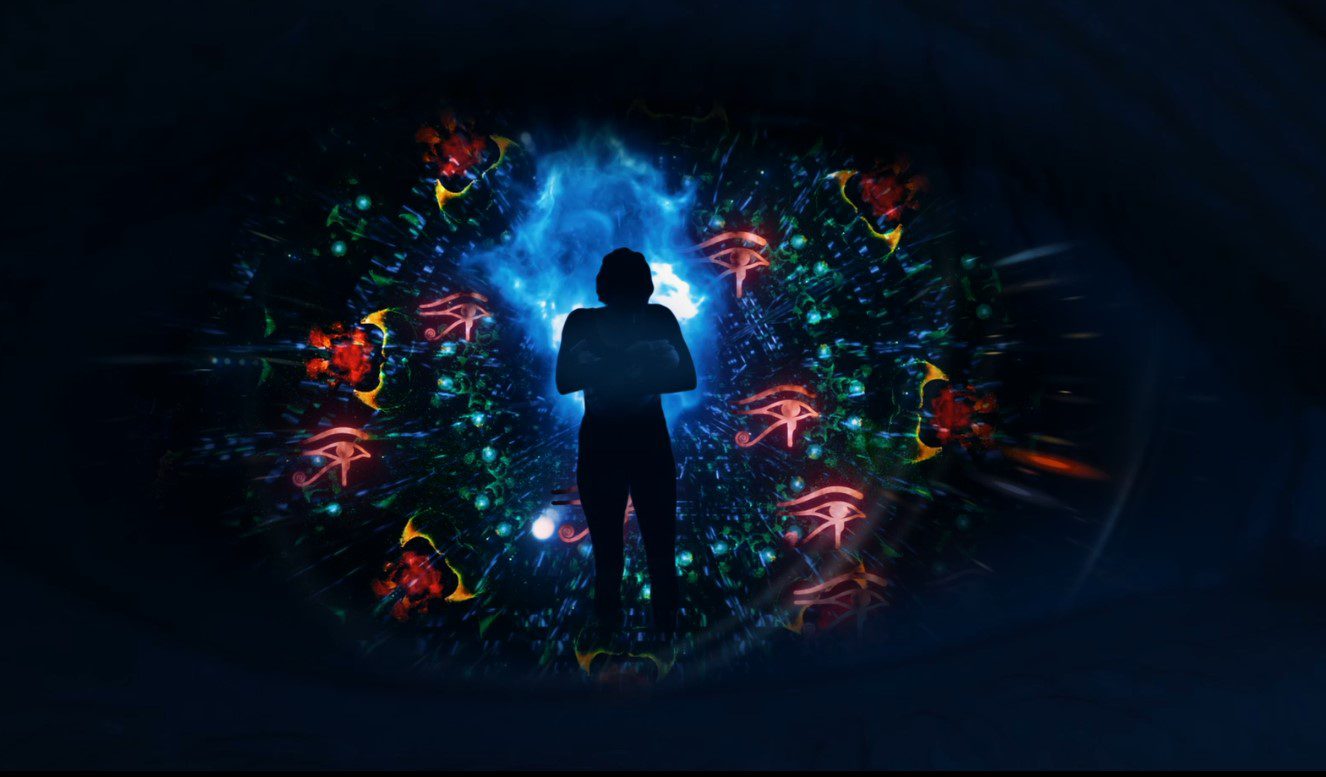
Let’s get this out of the way quickly. Yes, Rise of the Raven does appear to bear remarkable similarities to uber-series, Game of Thrones. Nations clash over political machinations and (mis)dealings. Masculinity is determined by power—and power must be taken. And, of course, the series makes good use of there R-rating, filling the screen with violence and nudity. (In fact, even the opening credits simply feels oddly reminiscent of that classic intro across Westoros.) While there are no ‘whimsical’ elements to the series, the tone and style of the two series is comparable. For some, that’s a huge win. For others, potentially not.
Even so, that doesn’t mean that Raven can’t fly on its own merit.
In fact, it’s worth noting that Raven’s roots lie strictly within the history books. Based on the story of Janos Hunyadi, the Hungarian village boy who became one of the nation’s most feared figureheads, the series uses historical events as the backdrop of its dramatic tension. (Though, to be fair, even with the history behind it, the drama itself remains fictionalized.) Although this tone means that there are no dragons or magic included, this more grounded take on the material does set the series apart.
And Raven does have itself a solid hero in Kadar’s Hunyadi. As the Hungarian icon, Hunyadi appears to be a man incorruptible. He honours the love of his life, attempts to do the right thing when challenged and, most of all, fights for his nation vigorously. As Hunyadi, Kadar stands tall with bloody sword and a steely glare. He leans into the role of central hero with severity, creating a character that’s both entertaining and engaging.
However, while Hunyadi remains the series’ “hero” (if that word can be used), it’s the women that give the series its real strength, especially in the case of Franciska Torocsik and Vivien Rudjer. As Mara and Elizabeth, both women find themselves under the thumb of masculine oppression yet they still manages to exhibit a strength that outshines them. As Elizabeth, Rudler is thrown into the role of landowner and ‘lady of the house’. But respect for feminine leadership in a male-dominated society is rare, forcing Elizabeth to demand attention from those who would take advantage of her.
At the same time, Torocsik’s Mara is forced early on into submission as a member of the Sultan’s concubine. Devastated by the humiliating nature of her role, Torocsik’s Mara amazingly becomes one of the most powerful characters in the series. She influences the Sultan’s actions, protects other new members of the concubine from assault and, at all times, maintains a fire in her eyes. In this way, Torocsik and Rudler manage to steal scenes from their male counterparts and, arguably, are the most interesting characters in the series. They are strong, courageous and carry themselves with honour, which is incredibly difficult to do in these spaces.
After all, in this world of toxic masculinity, power has the potential to corrupt anyone who touches its hem.
And that brings us back to Hunyadi. Although he’s bounced between political figureheads, Hunyadi still attempts to maintain the quality of his character. Rather than set out for revenge, he serves with dedication to his leader, even when it upsets him.
However, the real question of for Hunyadi is whether or not this is something he can maintain. As Hunyadi rises in the ranks, he is tempted and teased with power, forcing him to decide what sort of man he wishes to be. Every compromise of character is a potential downfall, even if power stands to be gained. Underneath the bloody battles, it’s this inner tension within characters like Hunyadi worth following.
In the end, Rise of Raven is admittedly a series that doesn’t break any particularly new ground that wasn’t found on the fields of Westeros. However, even with those comparisons, that doesn’t mean that the series doesn’t have fire in its belly. Backed by strong performances (especially from its women), Raven’s rise does create a world that one wants to follow, right to the bloody end.
Rise of the Raven is playing at TIFF ’25. For more information, click here.