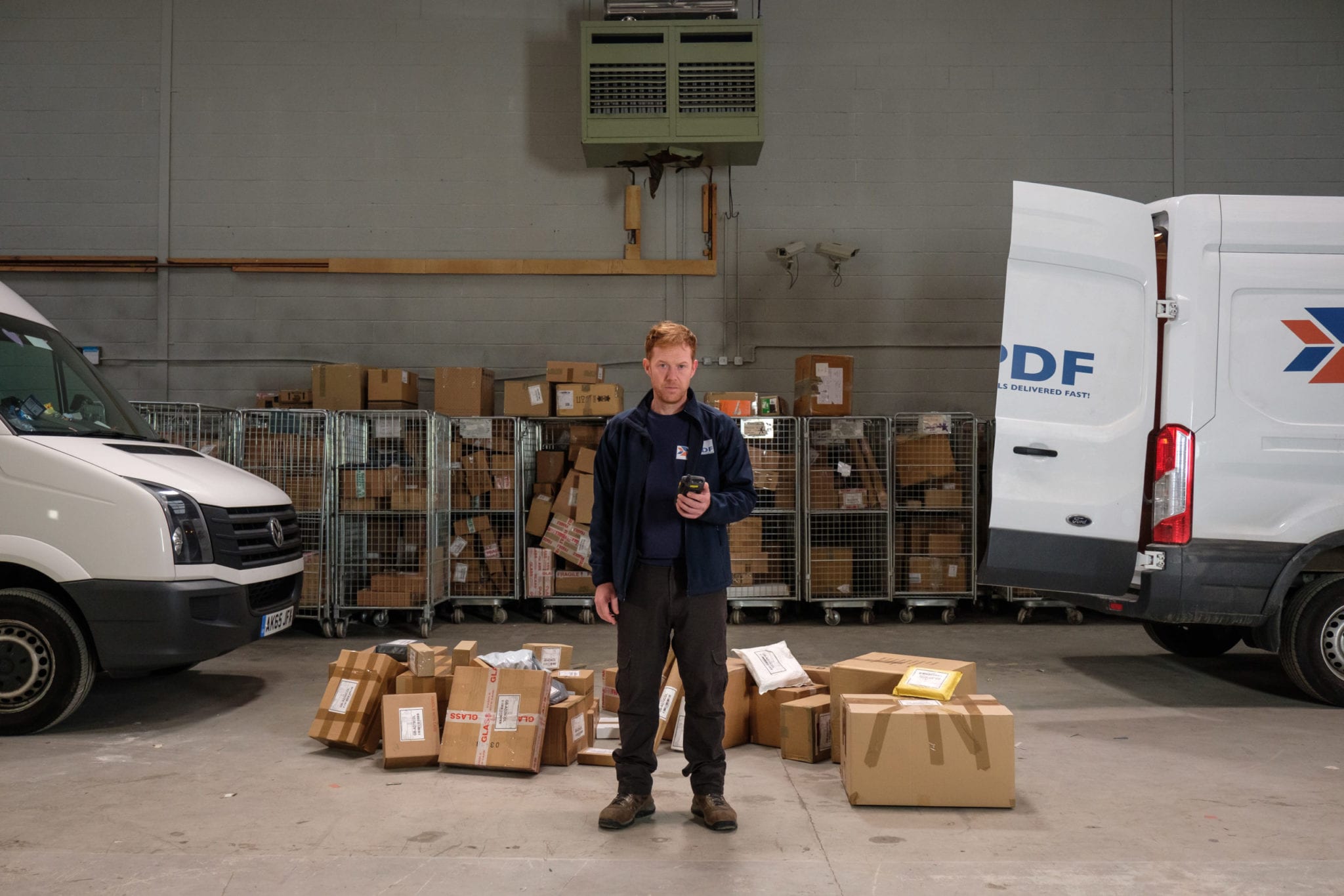
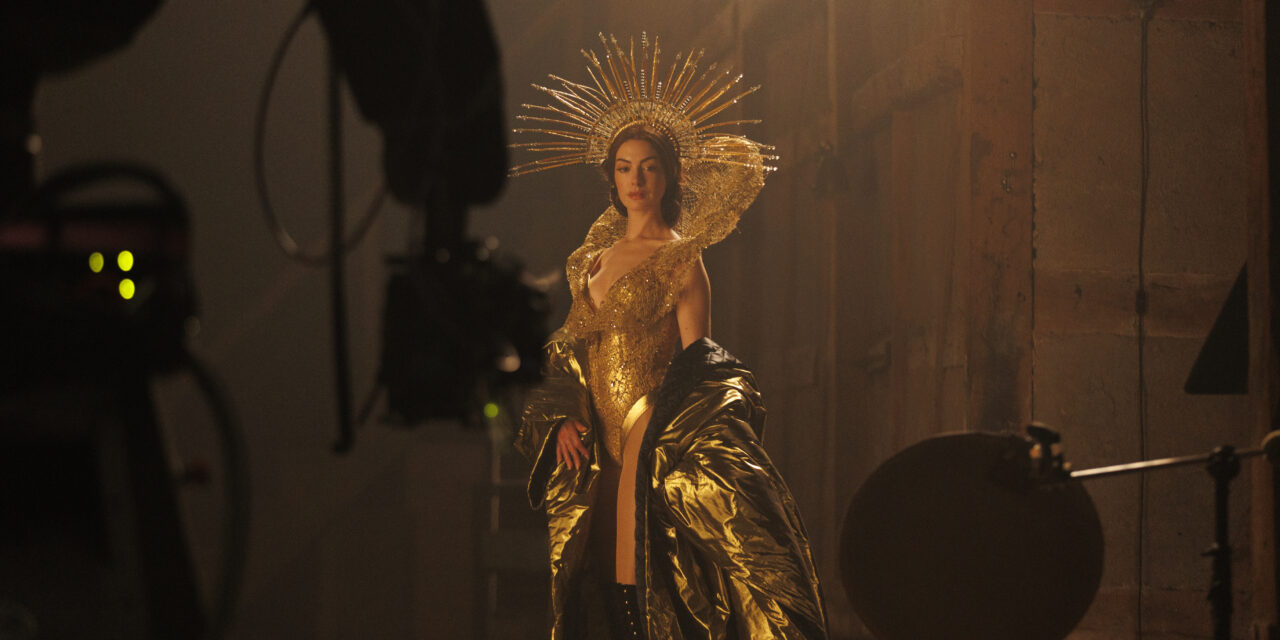
In the aftermath of a mental breakdown and a struggling tour, world-renowned pop star Mother Mary (Anne Hathaway) teams up with her original costume designer and friend Sam Anslem (Michaela Coel), who is in need of a dress. But as Sam goes through her artistic process to design and build the perfect dress for Mother Mary, the process becomes more personal. Both women begin to unveil the struggles and differences that drove them apart in the first place—and why they have been brought back together.
The film is hard to describe from there. In some ways, it has the structure of a play, with most of the story taking place in Sam’s studio. Yet the film constantly cuts to flashback sequences, which often feel dreamlike and surreal—not necessarily revealing the events that happened to the characters before their reunion, but rather the emotions that have defined why they have come back together.
Those sequences feature stunning visuals that showcase David Lowery’s proven command of color and light. Many of the scenes are staged on very empty, dark, soundstage-quality sets, allowing the visuals to be expressive and striking. The use of color also corresponds to the story in multiple ways, making the visual experience more engaging.
The music in many scenes is equally captivating. A great deal of research and preparation went into ensuring Hathaway’s performances as Mother Mary were convincingly world-class and worthy of the fame she is said to have. The musical sequences are reminiscent of Taylor Swift’s work, with Hathaway’s movements and dancing displaying the kind of command that a pop star on top of the world would have. The music is distinct from other popular pop songs but feels as though it belongs among the most memorable songs of our time. With Jack Antonoff, FKA Twigs, and Charli XCX contributing, this is no surprise.
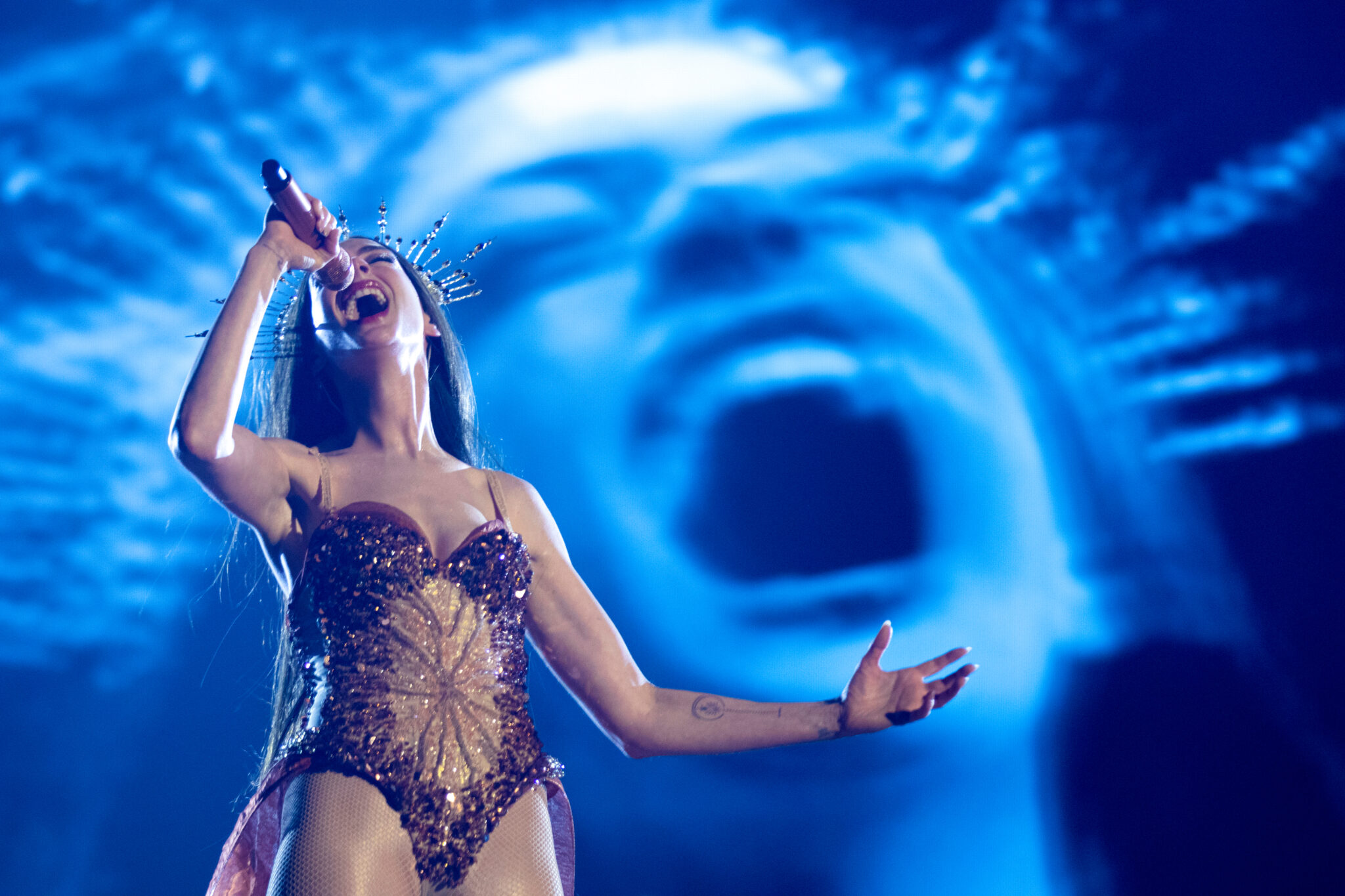
The performances are compelling. Anne Hathaway brings not only star presence and mastery over singing and dancing but also conveys deep emotion, capturing a sense of being lost in her life. Her eyes and expressions communicate this beautifully, showing a vulnerability that matches the fear and surreal situations she faces. She also delivers a strong sense of sadness when required. Michaela Coel provides a more grounded presence, counterbalancing Hathaway’s character. She also gets her moments to showcase wit, portraying someone who hides her true feelings behind a carefully constructed facade.
The story does not follow the conventional arc of a hero’s journey or adventure. Instead, it contains its ideas within this single situation, relying heavily on the emotions and outcomes experienced by the characters in this confined context. The result may feel unsatisfying at times; the evolution of the conflict between the two women unfolds slowly, and there were moments when I found myself disconnecting, hoping for change. Once the film delves into its more surreal elements, however, it becomes much more captivating. The flashbacks feel necessary, though perhaps some sequences could have been trimmed or streamlined.
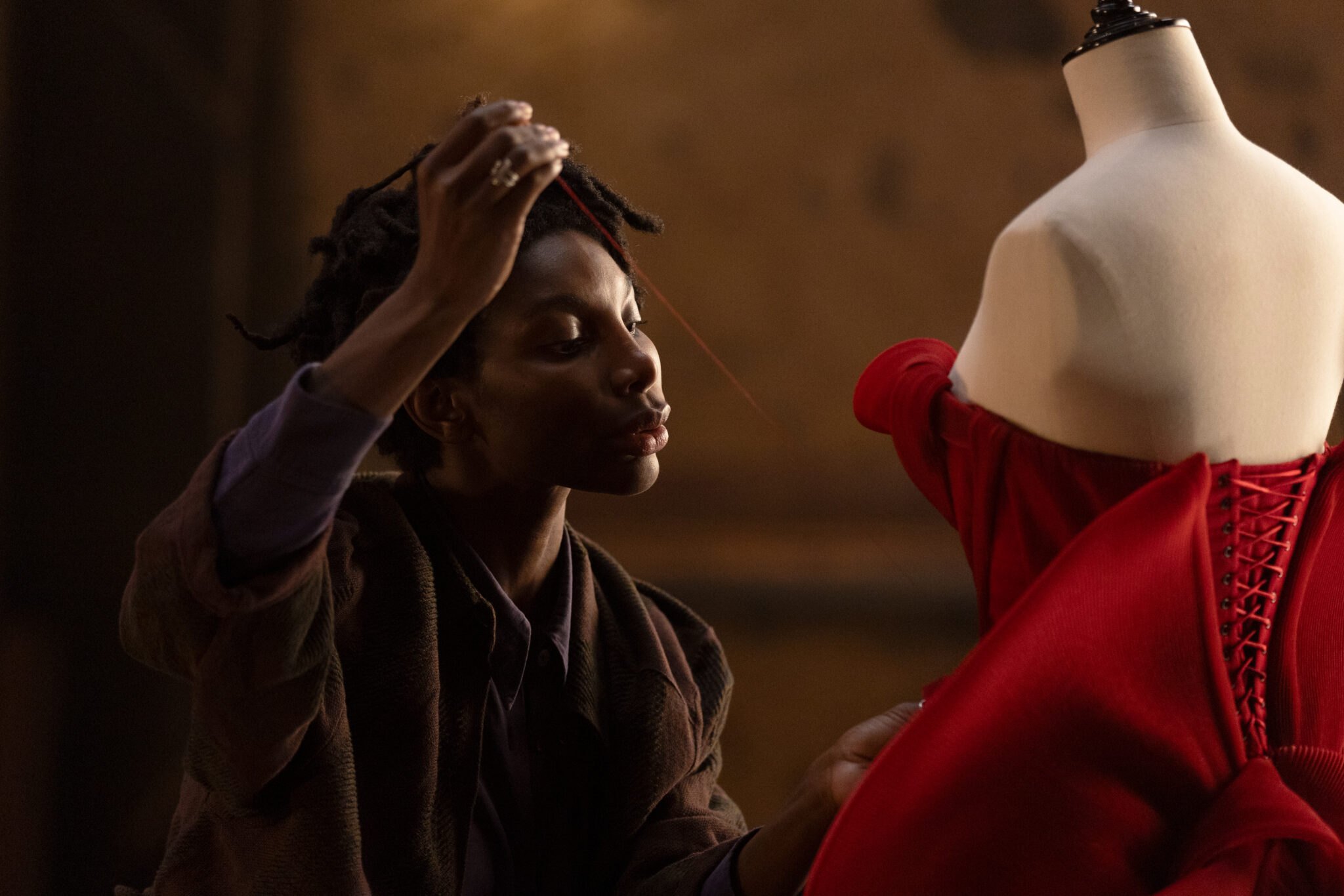
What the film ultimately aims to say may be lost on many viewers—it was partly lost on me as well. It leans toward optimism, and speaks in metaphors, leaving the specifics open to interpretation. I would suggest it may be a metaphor for the pressures that keep us away from our most valued relationships—the constant need to feel worthy in others’ eyes and earn their love, even when there may be a deeper, more essential love that is required. Ultimately, each viewer will interpret the film differently, and reactions will vary widely. It is a very worthy film to study and analyze, though there is a chance that some viewers may not get as much from the experience.
Mother Mary is available in theatres on Friday, April 24th, 2026.