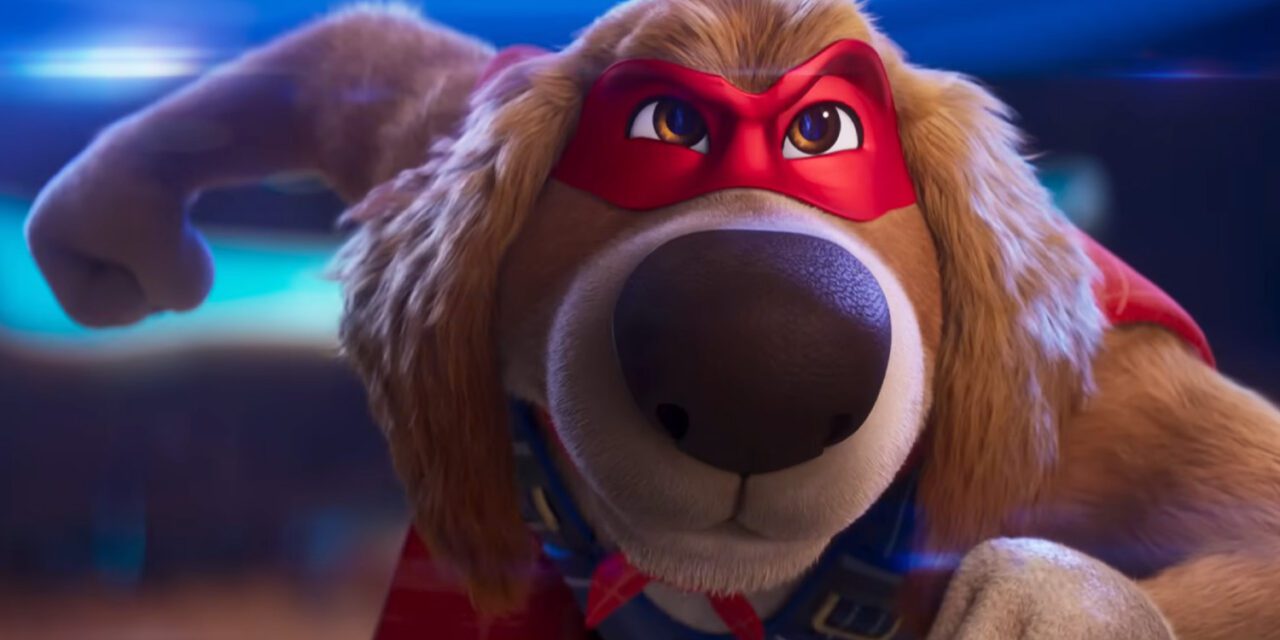
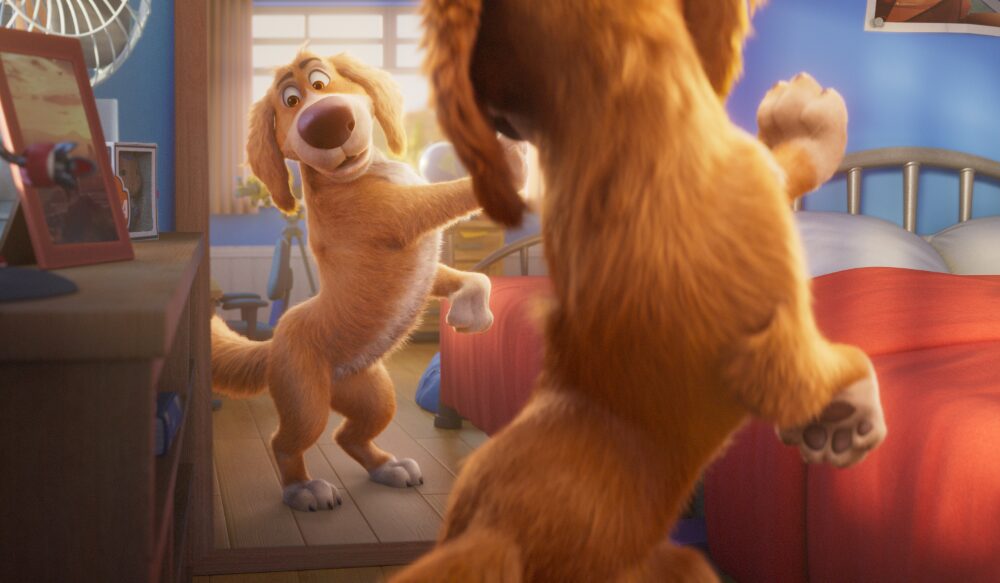
Charlie (Owen Wilson) is a loyal golden retriever to Danny, a shy boy who feels most connected to him. Charlie and Danny have done everything together, growing older side by side. As Charlie reaches his silver years, something unexpected happens: he finds himself aboard an alien spaceship. By the time he escapes, Charlie has gained supernatural powers.
Danny, who always imagined Charlie as his hero, now has to confront the reality that Charlie truly is one—and that his newfound abilities are calling him toward adventures far bigger than the ones they once played out in Danny’s bedroom. With these powers comes fame, attention, and a life Charlie was never prepared for. That attention becomes even more complicated when a neighborhood cat who was also on the ship begins plotting a scheme to label Charlie—and other dogs—as undesirable. As Charlie is thrust into this new world, he must stay true to himself, relying on his bond with Danny to ground him through the chaotic rollercoaster ahead.
The film offers pointed political and social commentary on power and fame. As the world’s only super-powered pet, Charlie receives instant recognition, and the film takes a grounded approach in showing how social media and influencer culture might affect someone with such extraordinary abilities. This includes a storyline in which the U.S. president partners with Charlie in business. As a patriot, Charlie feels compelled to meet every expectation placed on him, despite the president’s questionable intentions. This mirrors real-world dynamics between political leaders and influential social media figures—some connections obvious, others less so—whose voices can sometimes carry more influence with certain demographics than the president’s own. The film thoughtfully explores how media shapes public perception, reminding us that people are often more complex than their worst public actions. It even touches on AI and its growing ability to manipulate perception, prompting us to question what is truly authentic.
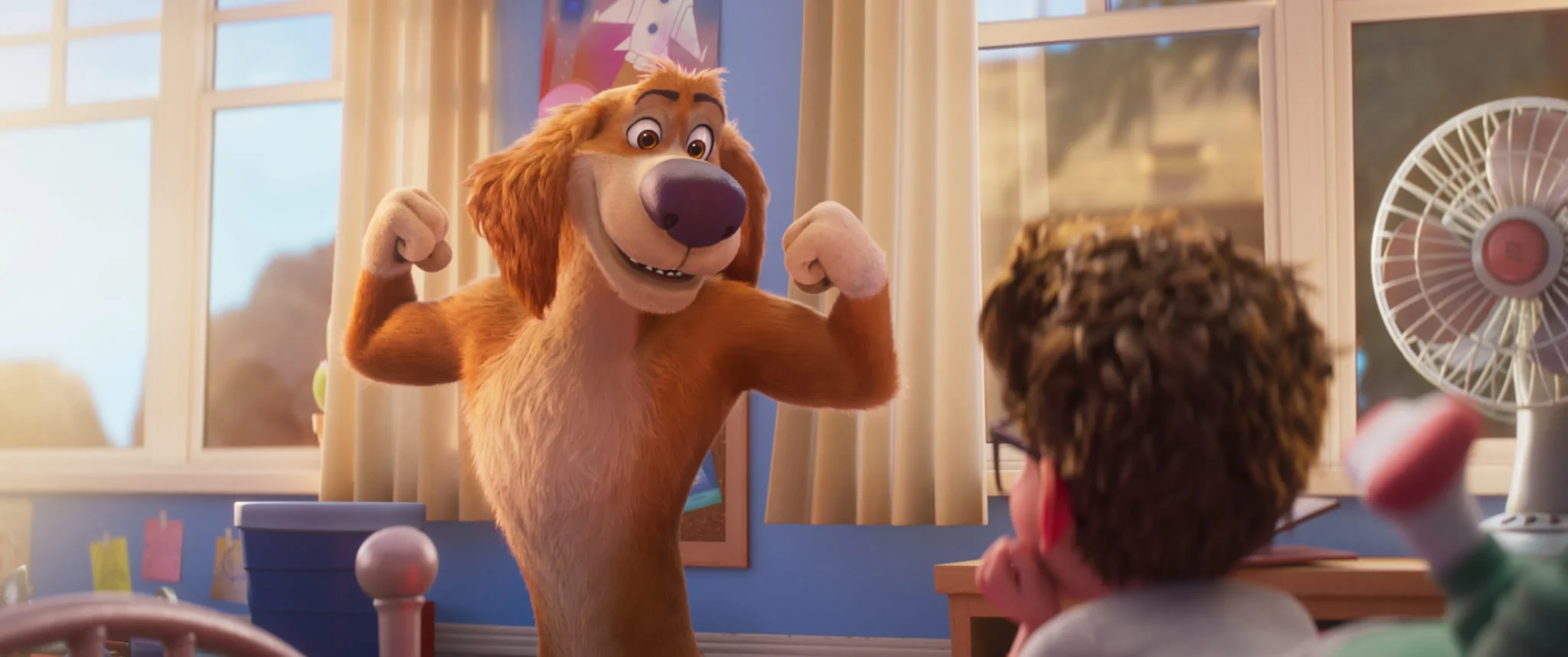
The dialogue carries a genuine but occasionally stilted sense of humor. While it isn’t as sharp or polished as the work of top-tier playwrights, its awkwardness feels intentional. The film embraces modern slang and uncomfortable phrasing that many other movies shy away from, resulting in dialogue that feels more engaging than the polished but lifeless exchanges often found elsewhere. Owen Wilson voices Charlie, and while his distinctive tone stands out, he doesn’t always feel like the most natural fit. His performance works best when Charlie is positioned as a celebrity, but in quieter moments between Danny and Charlie, the combination of Wilson’s delivery and the child actor’s performance doesn’t fully capture the emotional authenticity the relationship calls for.
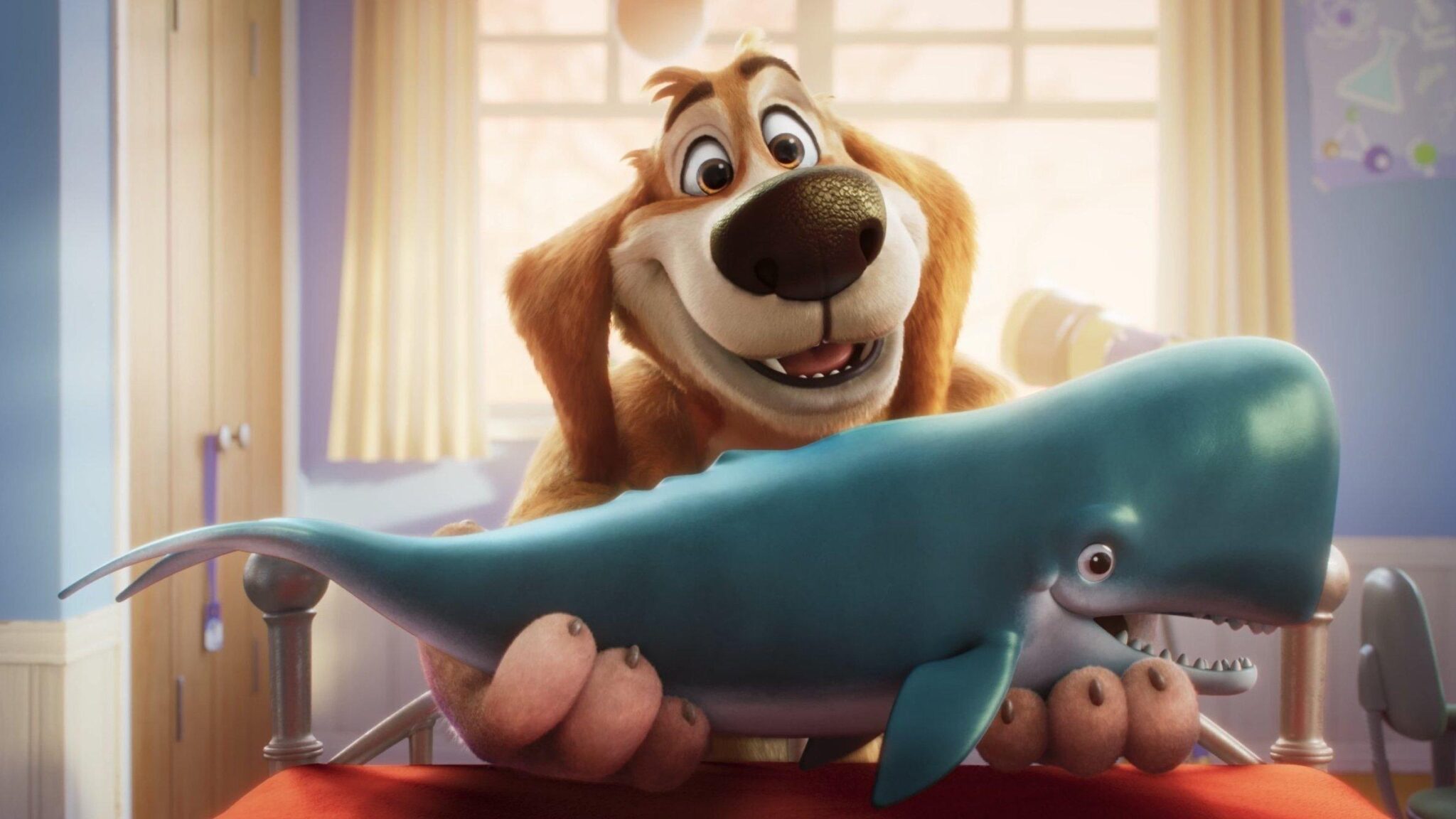
The film ultimately retains its heart by centering on familial connection. The universal fantasy of being able to truly communicate with a pet taps into the deep emotional bond we share with them. Charlie isn’t just someone Danny feeds and walks—he’s a companion with whom Danny shares a profound connection, one that can finally be expressed in words. For anyone who has a pet, or even a pet in their extended family as I do, the film evokes the emotional weight pets carry in our lives. Through a darker lens, Charlie is an aging dog who will pass before Danny reaches adulthood, making this adventure feel like a final chapter—their last hurrah. It’s the story every kid imagines their dog deserves: one where a loyal, honest companion does everything he can to remain a good boy and prove to Danny, and to the world, that love and goodness can make life richer and more meaningful.
Charlie the Wonderdog is in theatres on Friday, January 16th, 2026.